Healesville Sanctuary: A Bushland Journey
- Healesville Sanctuary, Melbourne, Victoria, 3777, Australia
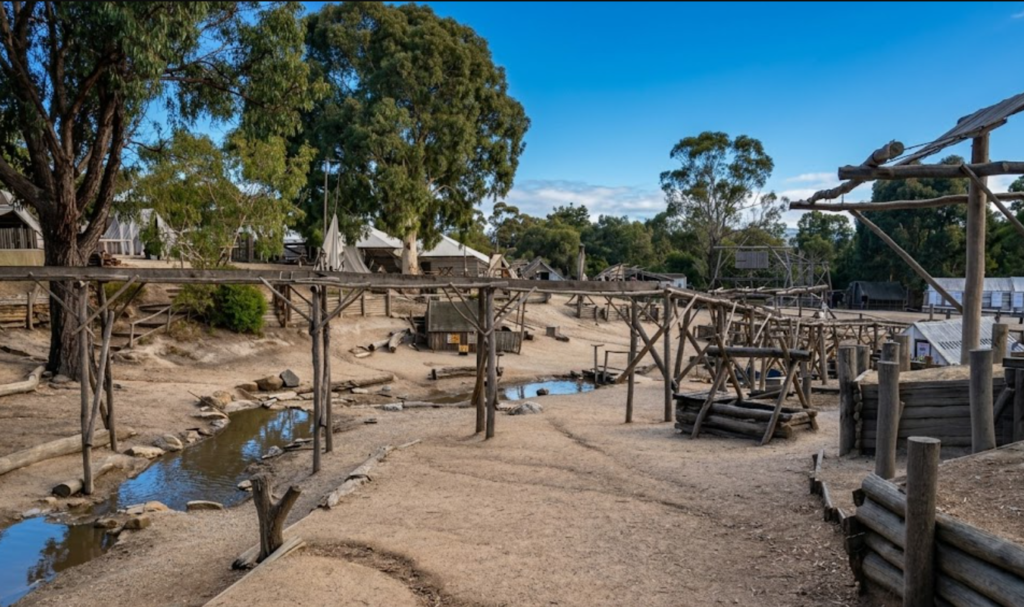
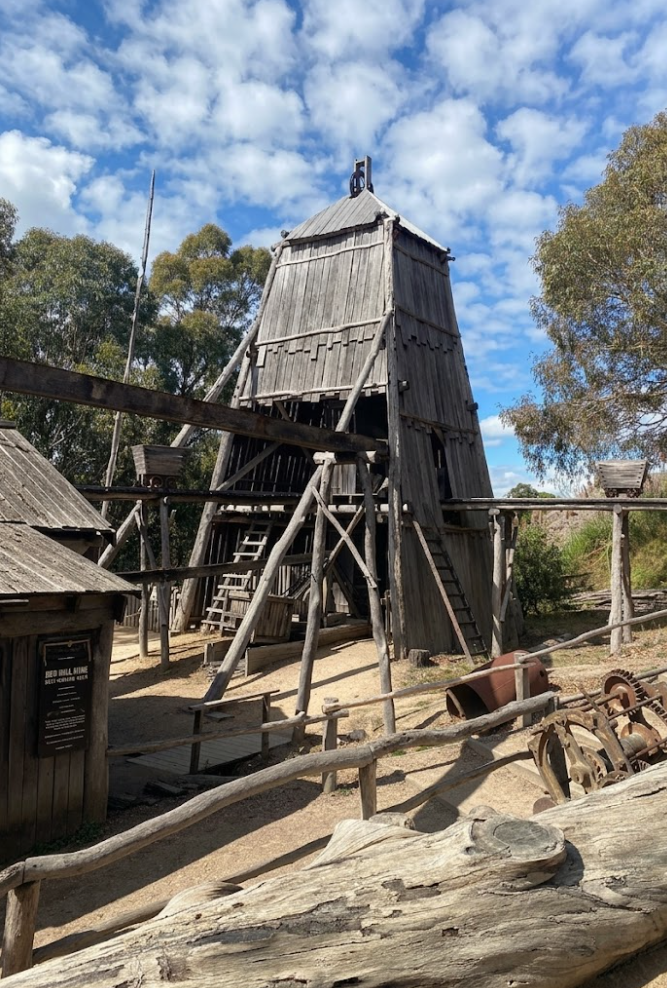
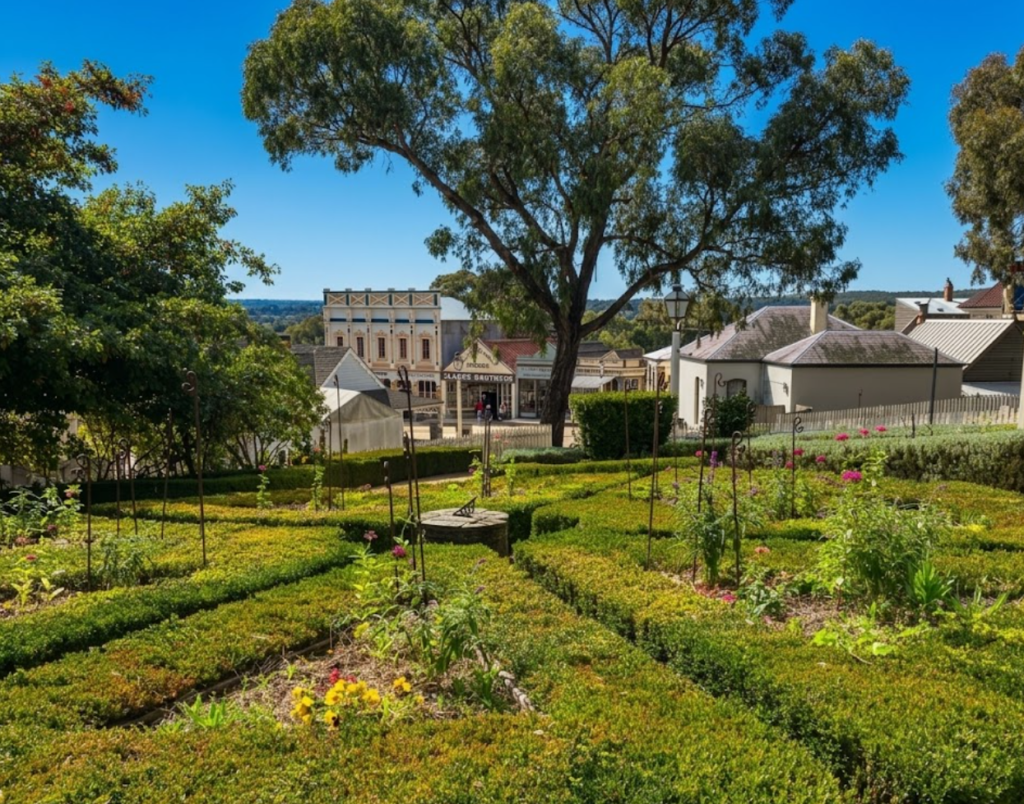
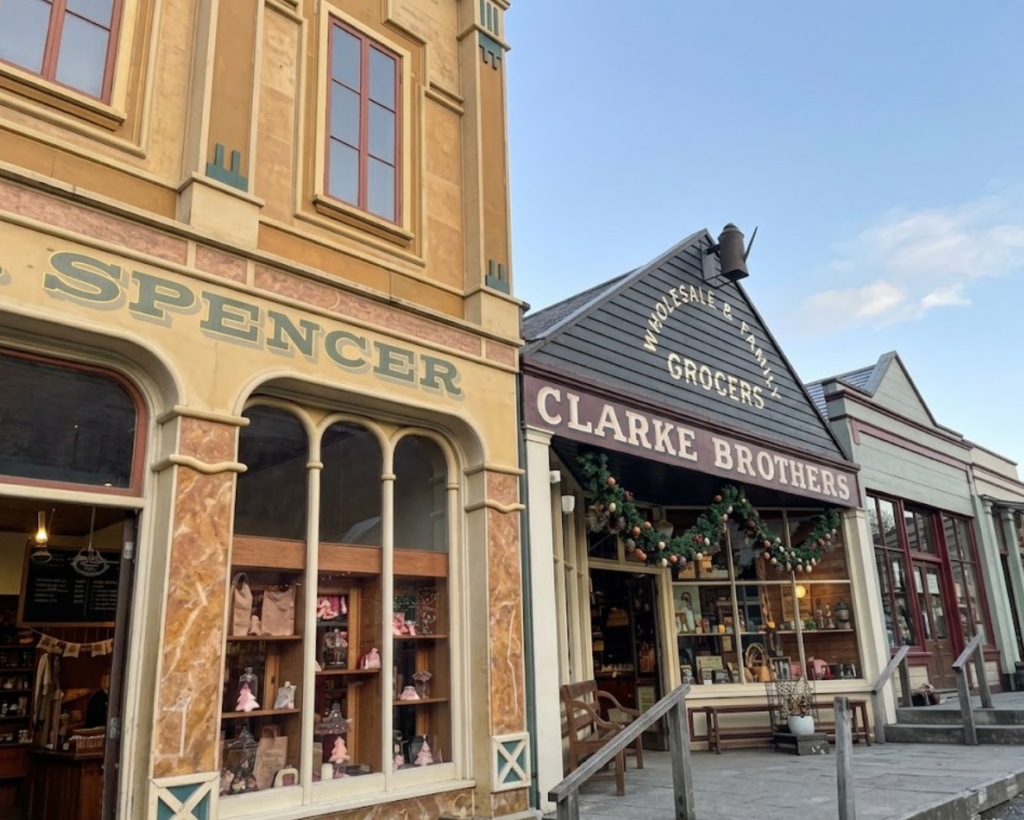
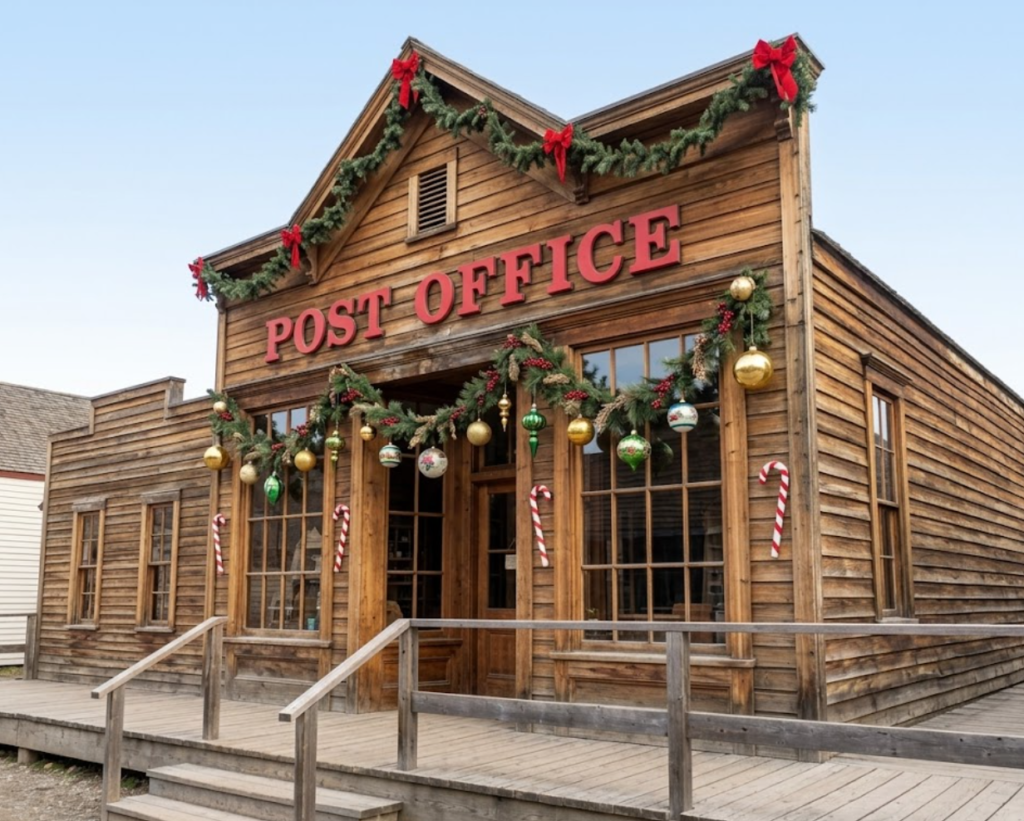
At the edge of Ballarat, Sovereign Hill rises like a living stage set. It is not just a museum—it is a town reborn, a recreation of the 18th century gold rush, where accessibility meets immersion, and history is felt as much as seen. To wander here is to step into another century, yet one carefully adapted for today’s visitors.
Arrival and First Impressions
The journey begins at the front of the main building, where designated disabled parking bays line the entrance. Low‑floor buses pause beside them, easing visitors directly into the rhythm of the site. Entry is step‑free, a ramp leading into the ticket office, where the journey back in time begins.
The hill itself is both challenge and charm. Gravel paths—fine, hard‑packed, aggregate no larger than 13 mm—wind through the town. They are step‑free, though Main Street slopes gently until the mine chimney, where the incline sharpens.
Bluestone gutters edge the road, boardwalks stretch in front of shops, and wooden bridges connect each doorway. Wide thresholds open into interiors where shopkeepers, in costume, wait behind counters.
Facilities and Flow
Accessibility is woven into the site’s design. Toilets are scattered like waypoints: behind the photographic studio, inside the United States Hotel, beside the Fire Brigade and near the theatre. The underground mine tour is a revelation.
Wheelchair users bypass the trolley, entering directly from the Chinese Camp. Inside, pathways are smooth and wide, the darkness pierced by stories of miners who once dug beneath Ballarat. Gold panning is best approached from the lower creek, where wheelchair access reaches the water’s edge. The Gold Pour offers vantage points at both ground and upper levels, ramps easing the climb.
The theatre, tucked into the guest services building, is reached by elevator and ramp. Wheelchair positions are reserved, with an accessible toilet nearby.
Inclusive Experiences
Accessibility here is more than ramps and toilets. Sovereign Hill offers OpenAccess tours: Auslan translation and captions for the Secret Chamber Mine and the Gold Pour. iPads are available, or visitors can download apps before arrival.
Social scripts guide those on the Autism Spectrum, tailored PDFs easing the unknown. Service dogs are welcome. Wheelchairs—rugged, large‑fronted, three with power assist—are loaned from guest services. Maps mark toilets and recommended routes, though gradients remain uncharted.
Gold Rush Stories
Beyond accessibility, the town tells its tale. In the years after gold was discovered, more than 40,000 men descended on Ballarat, chasing wealth. Camps of tents sprawled across the fields. Some miners struck it rich—like the Cornishmen who unearthed the 69‑kilogram Welcome Nugget in 1858, worth millions today. Others barely survived, crushed by license fees and police checks, tensions boiling into the Eureka Stockade.
Large companies carved the earth, shareholders funding vast excavations. Individual prospectors claimed patches, hoping for fortune. Some succeeded, many did not.

Main Street and Memory
Walking Main Street is a choose‑your‑own‑adventure. Theatres, workshops, performances—each doorway opens to another layer of life. The last mine closed in 1918; Sovereign Hill opened in 1970. It is a reconstruction, yes, but also a continuation of a dream.
The museum cares for collections like the Paul and Jessica Simon coin collection, sovereigns gleaming with history. Here, “pound” means both weight and currency: one pound weight equals 450 g; one pound currency, in today’s terms, carries the social power of about $1000.
Vibes of a Visit
Sovereign Hill is more than gravel paths and timber façades. It is a town where accessibility is woven into the fabric of history, where ramps meet boardwalks, where Auslan meets storytelling, where wheelchairs roll beside creeks once panned for gold.
It is a place where the past is not just remembered—it is lived, inclusively, on the slope of a hill.
There are no reviews yet.