SEA LIFE Sydney Aquarium
- SEA LIFE Sydney Aquarium, 1-5, King Street Offramp, Sydney, Sydney CBD, Sydney, New South Wales, 2000, Australia
Setting Sail from Circular Quay
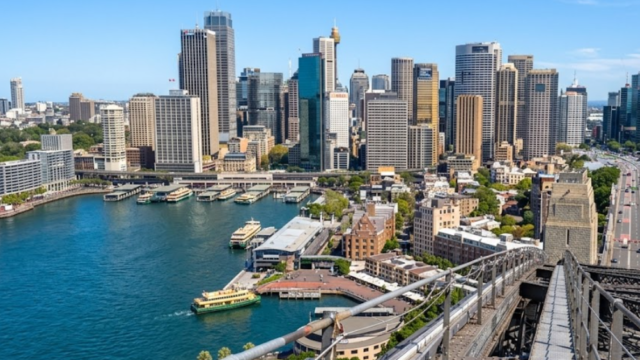
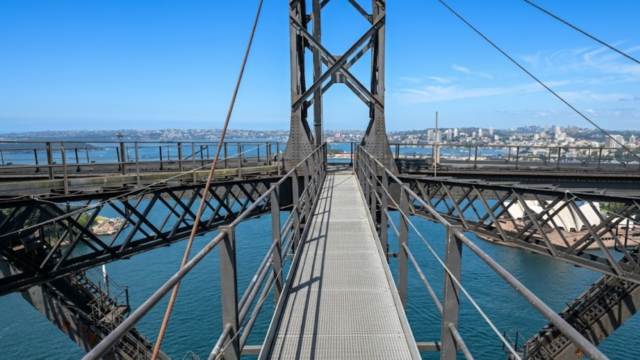
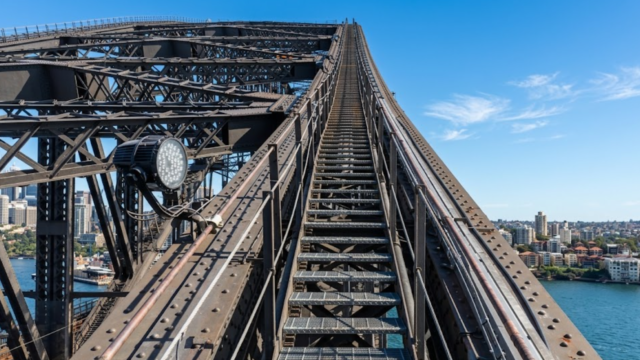
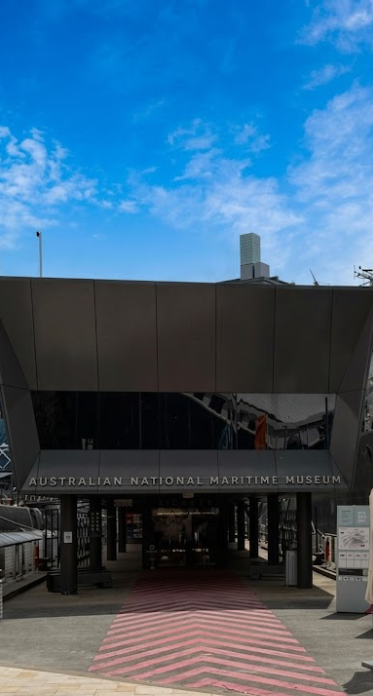
Sydney’s harbour is not just water—it is theatre. To reach the Australian National Maritime Museum, the best way is by ferry from Circular Quay. The journey itself feels like a prologue. The boat noses glides beneath the steel span of the Harbour Bridge.
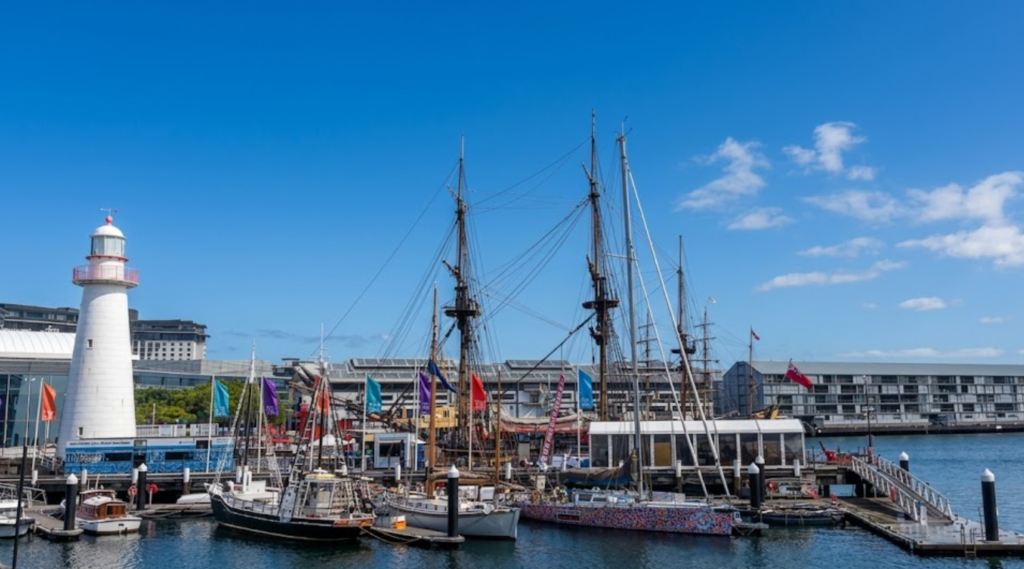
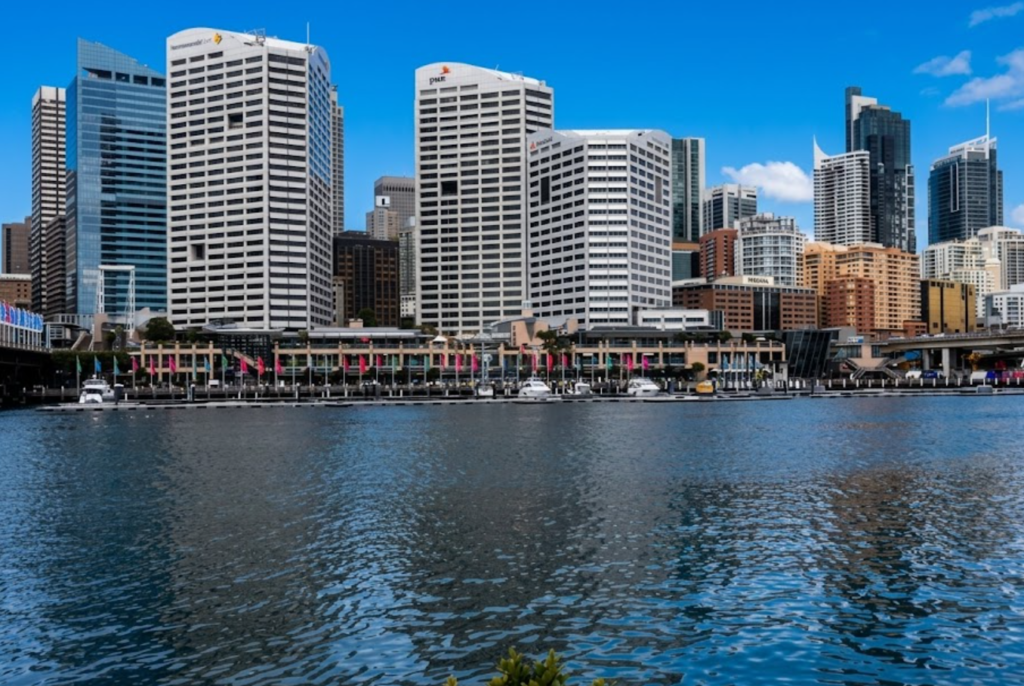
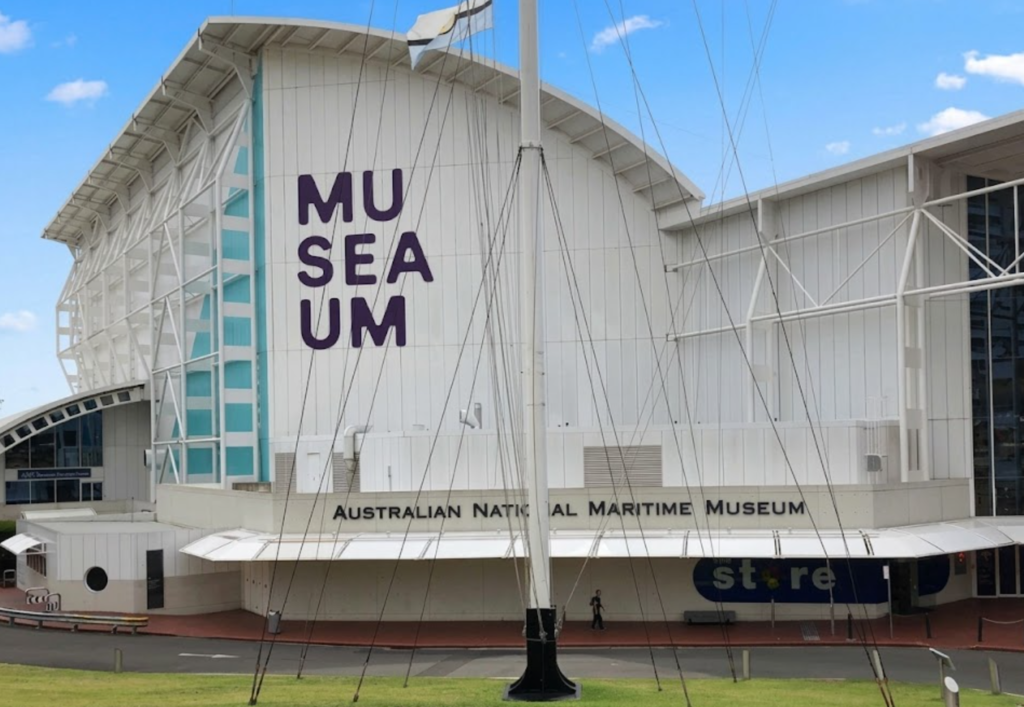
The air is salted, gulls cry overhead, and Darling Harbour opens wide like a stage curtain. At the landing, the museum’s fleet rises into view—masts, funnels, and rigging etched against the skyline. It is here that Sydney’s maritime past and present meet, not in dusty archives but in timber decks, steel hulls, and stories that still breathe.
The Fleet Outside: Ships That Speak
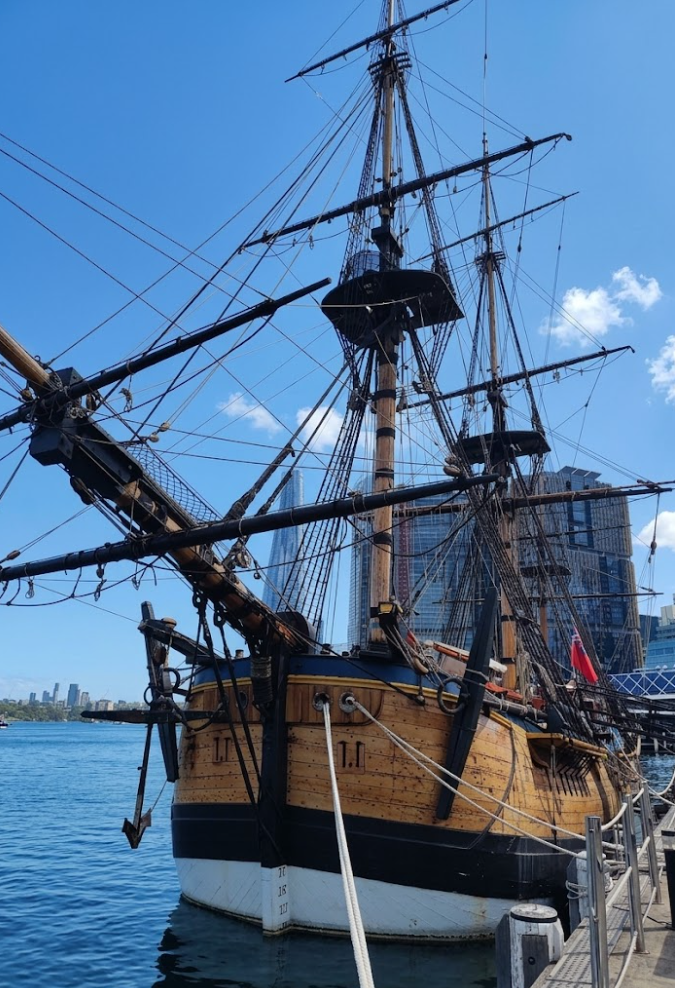
The museum’s outdoor collection is its heartbeat. Along the jetties, vessels wait like characters in a play, each with its own voice.
Children climb ladders, spin wheels, and explore nooks with delight. Adults pause, reflecting on the scale of history compressed into timber and steel.
Outdoor Companions: Lighthouse and Sculpture
Beyond the ships, the museum grounds hold their own treasures.
These outdoor displays are free, accessible to anyone wandering the harbour front. They extend the museum’s reach beyond its walls, inviting passersby to pause and look closer.
The Museum Within: Permanent and Temporary Worlds
Step inside the museum building and the tone shifts. The air cools, light softens, and maritime history unfurls in glass cases and suspended models.
Permanent exhibitions cover naval battles, navigation tools, and Australia’s maritime past. They are steady, informative, and essential for history buffs. Indigenous and South Pacific artifacts speak of ancient seafaring traditions. A full-size maritime helicopter hangs overhead, frozen mid-flight.
But the real magic lies in the temporary exhibitions. These rotating displays are creative, visually engaging, and thought-provoking.
These exhibitions ensure that even those indifferent to maritime history find something to spark curiosity. They are the museum’s soul, the reason many return again and again.
Accessibility and Family-Friendly Features
Inside, the museum is pram-friendly, with wide paths and a parents’ room for breaks, feeds, or nappy changes. For families, it is a sanctuary. For those with mobility issues, the indoor galleries are accessible, though the ships outside pose challenges with steep steps and tight spaces.
Children must be at least 90cm tall to board the vessels, a safety measure that adds a touch of anticipation—like a rite of passage.
Tickets and Practicalities
The museum offers two main ticket options:
Permanent indoor exhibitions are free, making the museum accessible even for casual wanderers.
Opening hours run daily from 10:00 AM to 4:00 PM, with extended hours during NSW school holidays. Closed only on Christmas Day, the museum is a reliable refuge.

Why Visit?
Is the Australian National Maritime Museum a must-do for every tourist? Perhaps not. Sydney offers icons like Taronga Zoo and the Opera House that command broader appeal.
But for those seeking something unique, educational, and indoors, the museum is a gem. It is perfect for rainy days, when clouds gather and Darling Harbour glistens wet. It is ideal for families, for locals seeking school holiday activities, and for travellers who crave stories beyond the obvious.
The museum is not just about ships—it is about stories. Stories of exploration and survival, of artistry and sustainability, of courage hidden in modest vessels. It is where steel and timber meet creativity, where history anchors itself in the present, and where the harbour itself becomes part of the exhibition.
Epilogue: A Harbour of Memory
Leaving the museum, the harbour feels different. The ships moored outside are no longer anonymous silhouettes—they are voices you have heard, stories you have touched. The ferry ride back to Circular Quay becomes a continuation, the Opera House and Harbour Bridge now companions to the tales you carry.
The Australian National Maritime Museum is not about loving ships. It is about loving stories. And that is why visitors return—not once, but again and again.
There are no reviews yet.