
The Island of Stone Guardians
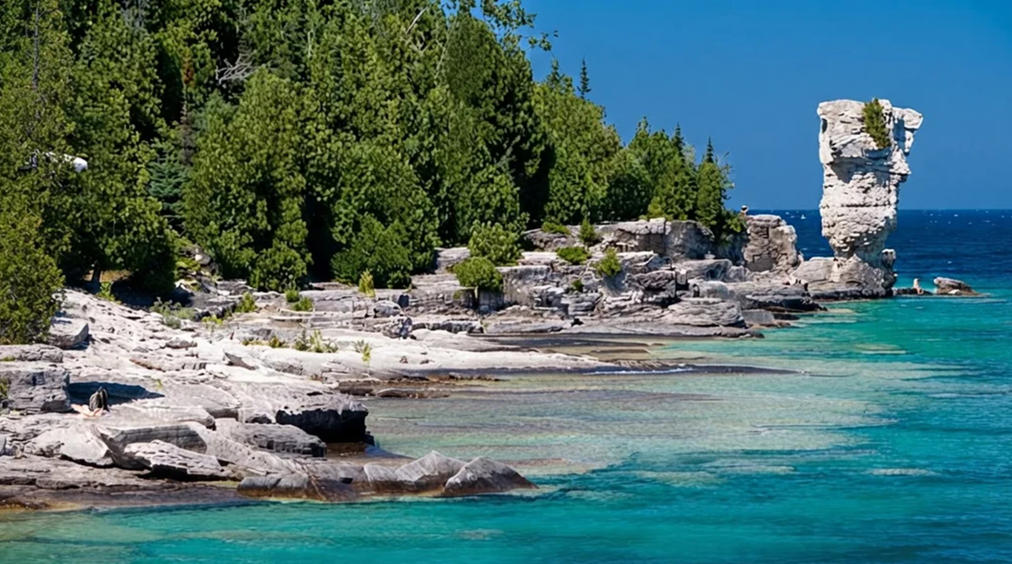
Off the rugged coast of Tobermory, where Georgian Bay meets Lake Huron in a sweep of turquoise and steel-blue waters, lies Flowerpot Island. It is a place that feels both timeless and alive, shaped by glaciers, waves, and myth. The island belongs to Fathom Five National Marine Park, a sanctuary of shipwrecks, cliffs, and crystalline waters.
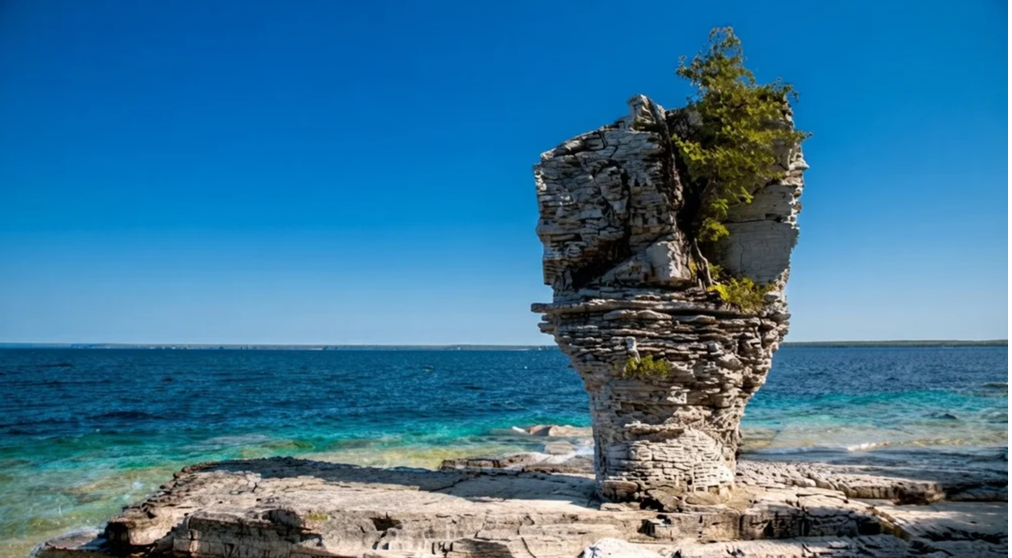
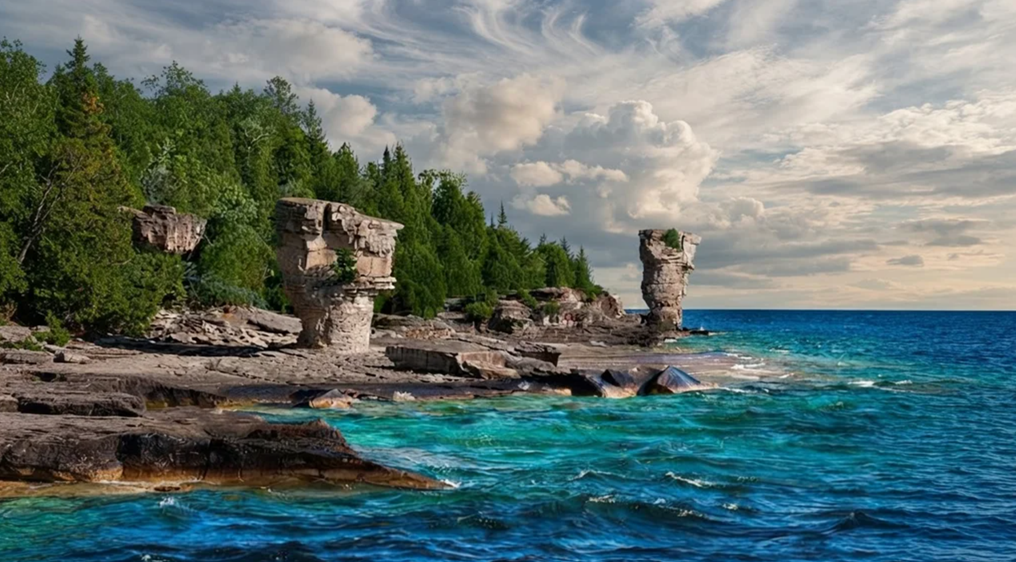
Yet Flowerpot Island is its crown jewel, famous for limestone pillars that rise from the shore like sentinels — narrow at the base, broad at the top, crowned with greenery. These formations, known simply as the flowerpots, are more than geological curiosities.
They are symbols, storytellers, and guardians of the island. Legend whispers that they are lovers from rival tribes, transformed into stone when their escape ended in tragedy. Whether myth or science, they stand as monuments to endurance, their silhouettes etched against the horizon.
The Voyage Across Georgian Bay
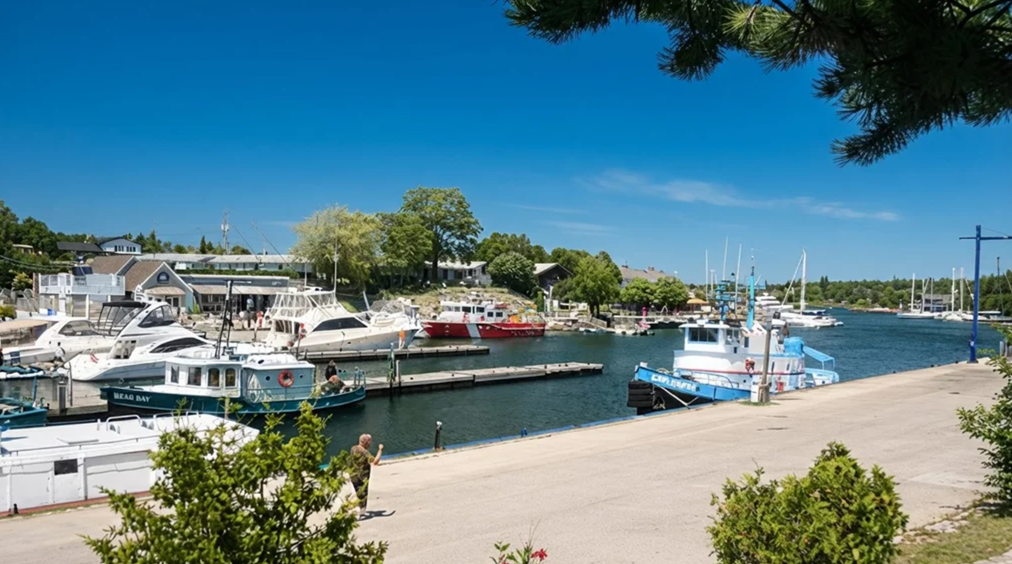
The journey begins in Tobermory, a harbour town at the tip of the Bruce Peninsula. Two ferry companies — Blue Heron Company and Bruce Anchor Cruises — carry visitors across the bay. The season runs from mid-May to mid-October, dictated by weather. Calm days bring smooth sailing; windy days may cancel departures altogether.
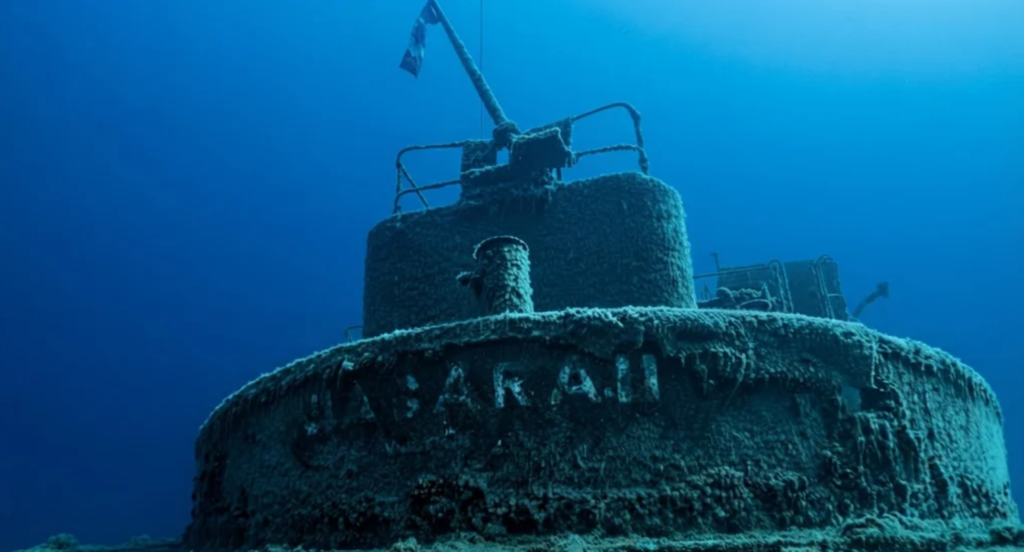
The ferries do more than transport. They glide over shipwrecks that lie just beneath the surface, relics of Tobermory’s maritime past. The Sweepstakes, a schooner built in Burlington in 1867, sank after damage near Cove Island. The City of Grand Rapids, a passenger steamer consumed by fire in 1907, rests just beneath the waterline, its silhouette ghostly against the harbour floor.
Through glass-bottom panels, passengers peer into history, watching timbers rest beneath shimmering water.
Arrival at Beachy Cove
The ferry docks at Beachy Cove, a sheltered inlet where trails begin. Here, visitors step onto the island, greeted by the scent of pine and the sound of waves against stone. Picnic shelters and restrooms provide a pause before exploration, but the island quickly draws you onward.
The Loop Trail
The Loop Trail is the island’s main artery, winding past the flowerpots, caves, and light station. Along the coast, the path is gentle, offering views of the pillars and the open bay. Most visitors retrace their steps due to time, but those who continue deeper into the loop find rugged terrain, shaded forests, and quieter corners.
The trail is not difficult, but it demands sturdy shoes and a willingness to wander. It is here that the island reveals its dual nature — part tourist destination, part wilderness.
The Marl Trail
Shorter and more secluded, the Marl Trail stretches 1.2 km out and back. It leads to the coast, away from the crowds, perfect for repeat visitors seeking solitude. The trail’s name comes from the pale, chalky soil underfoot, a reminder of the island’s limestone heart.
The Flowerpots
The flowerpots themselves are the island’s crown jewels. Two limestone pillars rise from the shore, their flat tops sprouting trees and shrubs. They look top-heavy, precarious, yet they endure. Waves crash against their bases, carving them ever narrower, while greenery clings stubbornly to their crowns.
Legend says they are lovers turned to stone, frozen in defiance of tribal boundaries, their embrace eternal. Whether myth or geology, they command reverence. Standing before them, one feels both awe and humility — a reminder of nature’s power and time’s patience.
The Caves
Near the flowerpots, caves carved into the hillside invite exploration. Wooden stairs lead upward, though closures are common for safety. When open, they offer a glimpse into the island’s hidden chambers, cool and shadowed, echoing with the sound of dripping water.
The Light Station
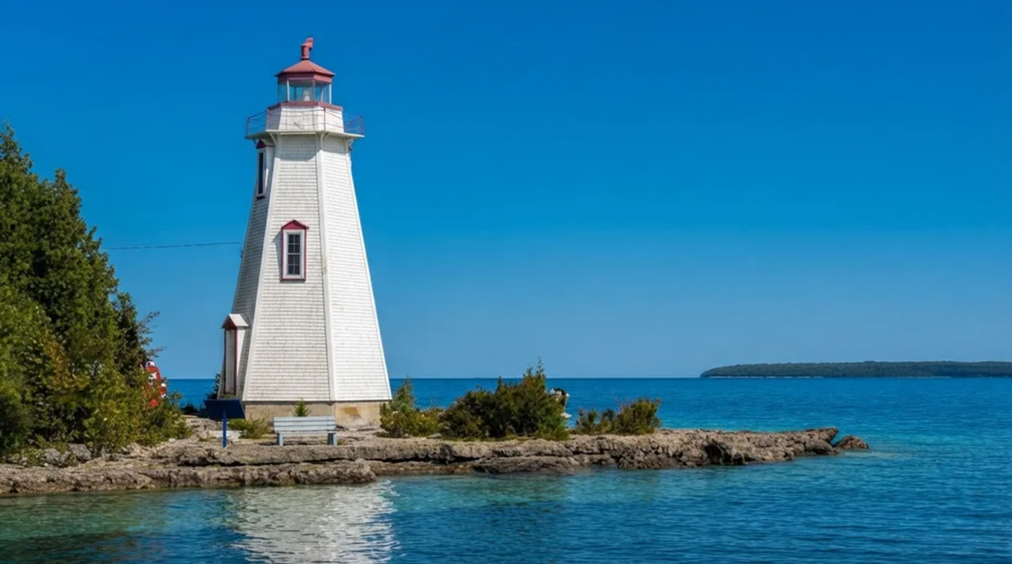
At one end of the island, the light station rises above the cliff. Constructed of steel, 88 feet tall, it watches over Georgian Bay. Nearby, the cottages of former keepers linger, sometimes opened by volunteers offering refreshments and souvenirs, sometimes shuttered and silent.
The light station is more than a landmark; it is a reminder of the human presence that once guarded these waters, guiding ships through fog and storm.
Picnics and Swimming
Picnic tables dot the island, near Beachy Cove and the light station. Visitors pause here to eat, surrounded by forest and stone. Swimming is possible, though the water is icy even in summer — sharp enough to demand courage or a wetsuit. Snorkeling reveals rocky shores and clear depths, though visibility varies.
Camping on the Island
For those who wish to linger, six campsites offer a rare chance to sleep beneath the stars within the national park. They book quickly, as camping here is a unique privilege. Nights on the island are quiet, broken only by waves and wind, the sky ablaze with stars.
Practical Notes
A visit requires preparation. Hiking shoes are essential for the rugged trails. Sunscreen, water, and bug spray should be packed, along with awareness of ticks common to Ontario’s forests. Parks Canada suggests timing your stay carefully:
1.5 hours for flowerpots and caves
3 hours for flowerpots, caves, and light station
4–5 hours for a full loop hike, picnic, and exploration
The Island’s Spirit
Flowerpot Island is more than a destination; it is a layered experience. The voyage across Georgian Bay, the shipwrecks glimpsed beneath the waves, the trails winding through forest and stone, the legends etched into rock — all combine into a day that feels timeless.
It is a place where nature and history converge, where silence and spectacle coexist, and where each visitor leaves with a story shaped by the island’s rugged grace.