
The Island at Denmark’s Heart
Funen, known in Danish as Fyn, sits at the center of the country, surrounded by the Baltic Sea and dotted with 55 smaller islands formed when sea levels rose dramatically 10,000 years ago. Today, the island offers a blend of coastal charm, cultural heritage, and abundant nature. Its 1,100 kilometers of coastline, ancient forests, and historic towns make it one of Denmark’s most rewarding destinations for travelers seeking both adventure and tranquility.
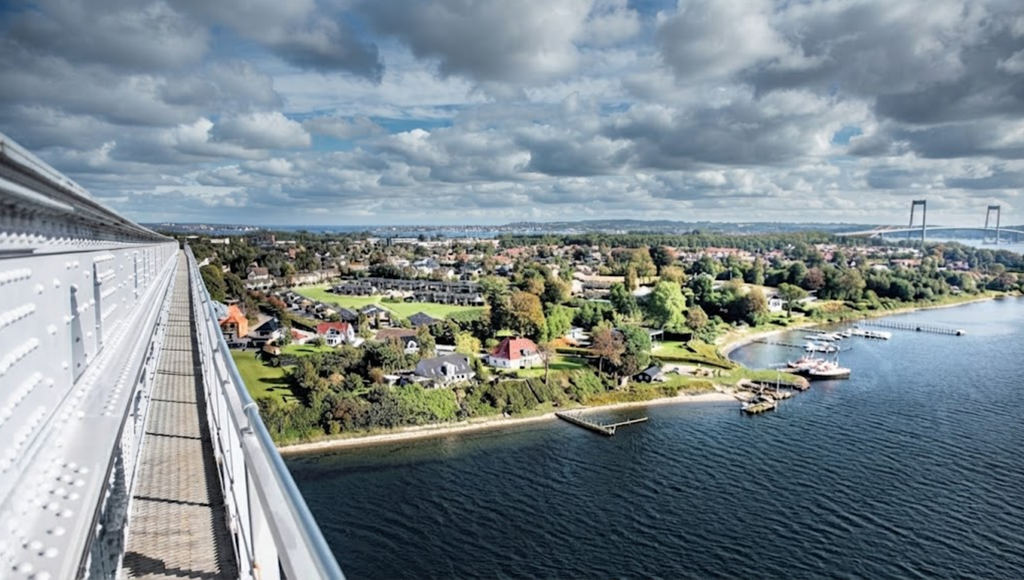
Riding in “Siberia”
South Funen’s forest carries the curious name “Siberia.” Despite its name, the woodland is lush and temperate, filled with beech and pine trees and brightened by foxgloves in summer. Icelandic ponies are the companions here, known for their smooth tölt gait that lies between trot and gallop. Riders can explore the forest with Naturkompagniet, where horses are calm, well‑trained, and trusted partners.
Guided rides cost €70 for two hours or €90 for three, and those traveling with their own horses can join a network of stables connected by 75 kilometers of marked trails. The experience combines equestrian tradition with the serenity of Funen’s landscapes, offering a unique way to see the island’s interior.
Hiking the Øhavsstien
The Øhavsstien, or Archipelago Trail, stretches for 220 kilometers, making it one of Denmark’s longest marked hiking routes. Walkers encounter ancient beech and oak trees standing directly at the water’s edge, castles rising from the countryside, and coastal views that shift with the light.
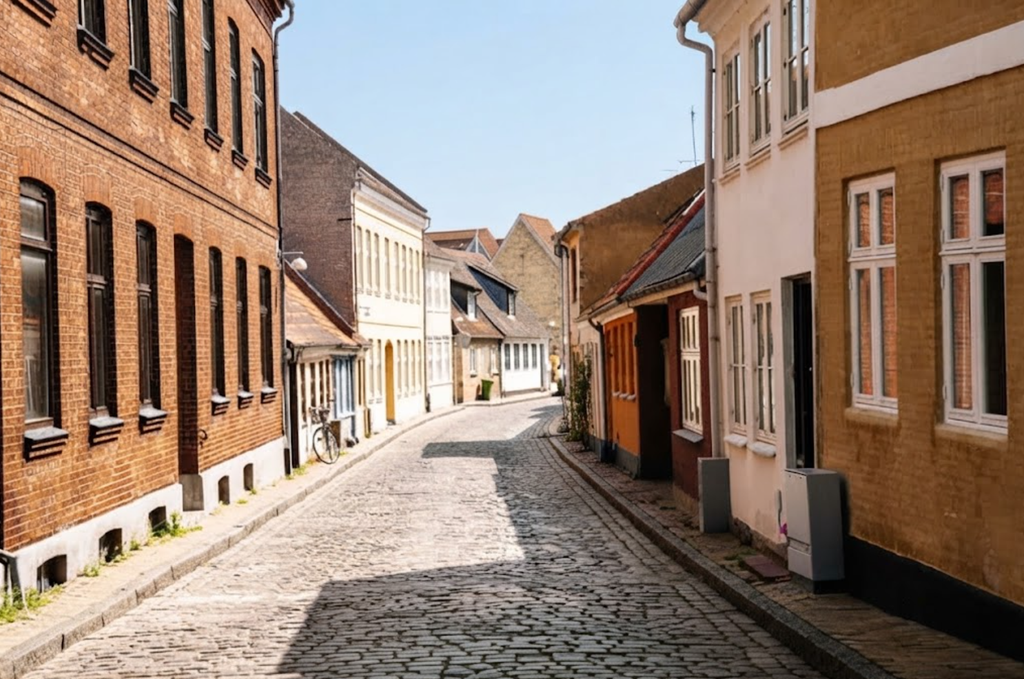
Day hikes are popular for those who prefer shorter excursions. Sections near Faaborg and Svendborg reveal both natural beauty and cultural landmarks, while longer treks allow immersion in the rhythm of the island. The trail embodies the Danish concept of “friluftsliv” — life in the open air — and is a highlight for anyone seeking to connect with nature.
Kayaking the South Funen Archipelago
The South Funen Archipelago is a mecca for sea kayakers. Sheltered bays, shallow waters, and sandy beaches create ideal conditions for paddling. Rental companies provide equipment, and guides are available for beginners. Villa Skovly even offers kayaks and SUP boards free to guests.
Routes vary from short paddles along the coast to multi‑day journeys between islands. A popular trip leads from the beach at Skovly to Lundeborg, while more ambitious itineraries explore the smaller islets scattered offshore. The archipelago’s calm waters and scenic variety make it one of northern Europe’s premier kayaking destinations.
Survival Training with “Over Ild”
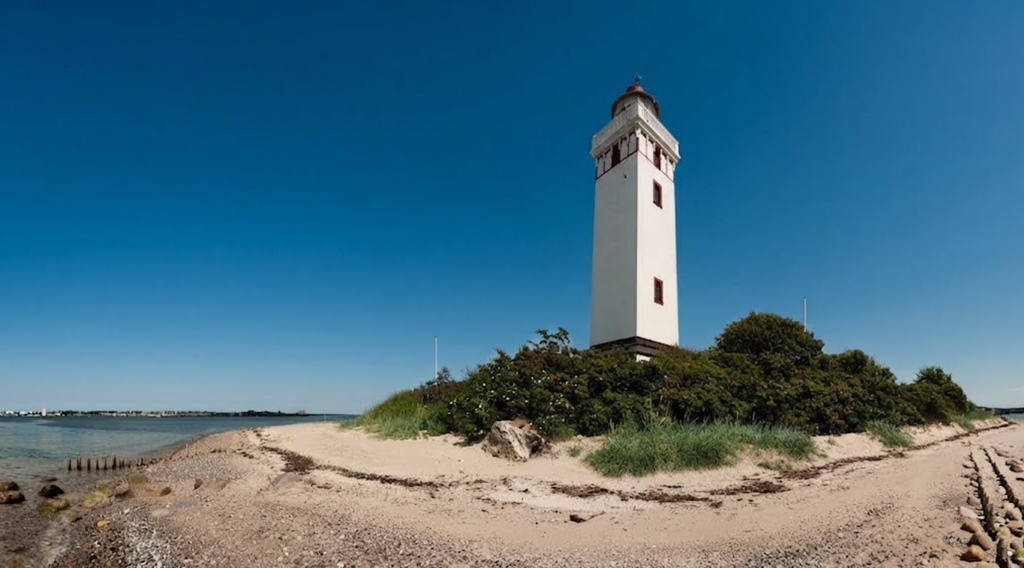
Thomas Frederiksen, once an expedition leader for the US Army in Greenland, now runs “Over Ild” — survival training and nature safaris on Funen. Participants learn to identify edible plants, forage mushrooms, and prepare meals over open fire.
Walks through ancient forests reveal wild garlic, dandelion leaves, and rose hips. Meals are cooked in cast‑iron pots, with bread baked in embers and tea brewed from elderflowers. The experience blends practical skills with a deep respect for nature, offering insight into both traditional knowledge and modern survival techniques.
Øhavsmuseet in Faaborg
The Øhavsmuseet redefines what a museum can be. Rather than static displays, it offers interactive experiences that immerse visitors in nature. Rooms are themed around forest, sea, and darkness, with audio guides bringing legends and local customs to life.
Visitors crawl under roots, lie in a megalithic tomb, and match scents to images. The museum is playful yet profound, designed to engage senses and imagination. It reflects Funen’s commitment to presenting its natural heritage in innovative ways.

Theatre in Nature
BaggårdTeatret in Svendborg stages “invisible theatre” through audio walks. The performance Sundets Stilhed guides participants along a six‑kilometer route from the Maritime Center to the Brecht House. At marked points, stories from local authors unfold, blending literature with landscape.
The experience costs €12 and is available in multiple languages via the theatre’s app. It transforms walking into performance, encouraging reflection on themes of refuge, heritage, and personal choice. Funen’s landscapes become both stage and character in this unique form of theatre.
Odense: Capital of Funen
Odense, Denmark’s third‑largest city, is the island’s cultural hub. Known as the birthplace of Hans Christian Andersen, it combines historic charm with modern development. The colorful Andersen neighborhood celebrates the author’s legacy, while the Brandts quarter offers galleries, cafés, and boutiques.
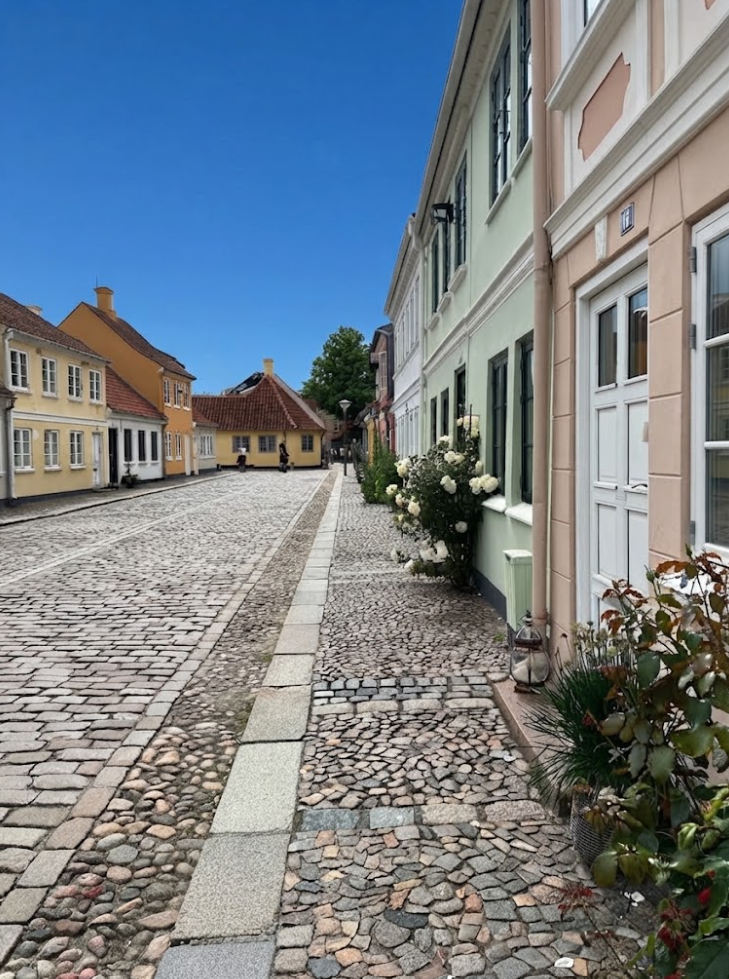
The re‑purposed harbor area has become a lively district with restaurants and cultural venues, including Storms Pakhus, a street‑food market housed in an old warehouse. Odense is also highly bike‑friendly, and a new tram system is set to further reduce traffic. The city balances tradition and innovation, making it an essential stop on any visit to Funen.
Ærø: Island Charm
Just off Funen lies Ærø, a smaller island known for its picturesque villages and maritime heritage. Cobblestone streets, colorful houses, and historic churches create a timeless atmosphere. Ærøskøbing, the main town, is often described as Denmark’s most romantic village.
The island is also a destination for cycling, with quiet roads and scenic routes. Ferries connect Ærø to Funen, making it an easy excursion. Its charm lies in its authenticity — a place where history and daily life blend seamlessly.

Practical Information
Currency
Denmark uses the Danish krone (DKK). One euro equals approximately 7.5 DKK.
Getting There
- By Train: Direct connections run from Hamburg to Odense.
- By Plane: Flights arrive in Copenhagen, with onward travel by rental car or public transport.
- Transport Hub: Odense serves as the island’s main hub.
Getting Around
- Bus: Fynbus operates island‑wide services. Tourist cards allow unlimited travel on Funen and Langeland.
- Taxi: Shared taxis can be booked two hours in advance when buses are not running. Call Number. Prices range from 25–40 DKK.

Tourism Information
Visit VisitFyn for accommodation, restaurants, and activity details in multiple languages.
Funen in Perspective
Funen is more than an island; it is a microcosm of Denmark’s natural and cultural heritage. Forests, coastlines, and castles provide a backdrop for outdoor adventures, while Odense and smaller towns offer cultural depth. The South Funen Archipelago adds maritime charm, and experiences like invisible theatre and survival training highlight the island’s creativity.
For Danes rediscovering their homeland or international visitors seeking authentic experiences, Funen delivers. It is a place where nature and culture intertwine, where history is present yet never overwhelming, and where every path — whether on horseback, foot, or kayak — leads to discovery.