
A Name from the Market Square
The story of Gouda begins not in a creamery but in a marketplace. In the twelfth century, farmers from the reclaimed polders around Stolwijk carried wheels of cheese into Gouda’s bustling square. At first, it was known as Stolk cheese, after the town where it was made.
But in 1540, after disputes between Gouda and Schoonhoven, the market was officially fixed in Gouda. From then on, the cheese took the city’s name. Gouda was not always made in Gouda, but Gouda was where cheese became commerce, where dairy turned into livelihood, and where a name became legend.
The Tradition of Making Gouda
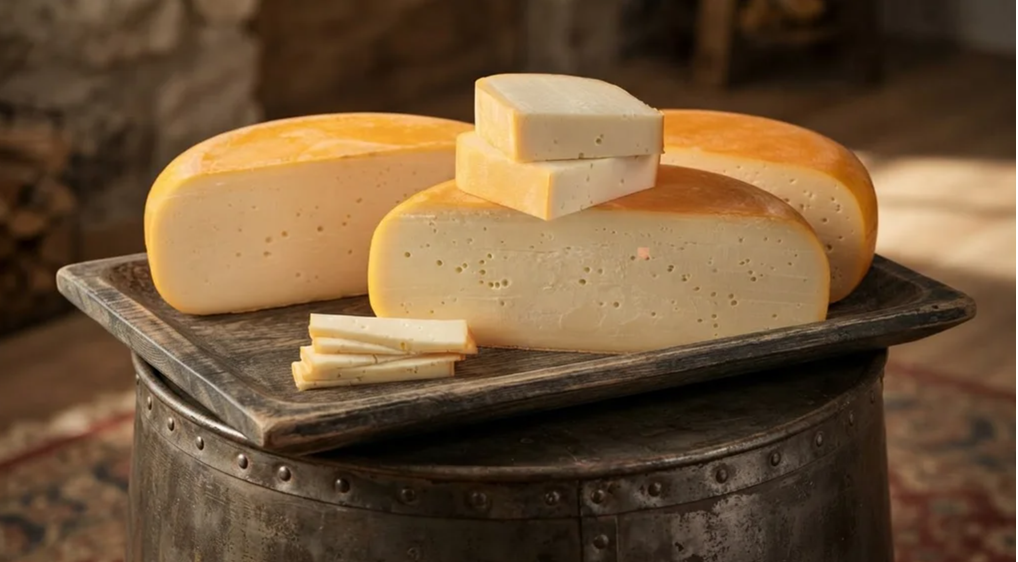
Cheese making is a tradition of patience, and Gouda is no exception. Fresh cow’s milk, raw or pasteurized, is poured into vast vats. Rennet and natural bacteria are added, coaxing the milk into curds. Then comes the washing—a step that sets Gouda apart. Warm water rinses the curds, softening acidity, mellowing sharpness, and leaving behind a buttery sweetness.
The curds are pressed into molds, weighted until dense, then bathed in brine. Salt slows unwanted bacteria and deepens flavor. A protective coating seals the rind, shielding it during aging. Gouda rests in cellars at steady temperatures, releasing moisture, concentrating taste.
Weeks yield a supple, creamy cheese. Months yield a firmer, nuttier wheel. Years yield crystals of salt, caramel notes, and a sharp, unforgettable bite.
The Spectrum of Gouda
Gouda is not one cheese but many. Its character shifts with time.
Young Gouda: Mild, creamy, matured for weeks. Perfect for bread, crackers, or a light snack.
Mature Gouda: 5 to near 7 months of aging, firmer texture, nutty undertones. Ideal for fondue pairings.
Extra Mature Gouda: Seven to twelve months, sharper, complex, often crumbling with salt crystals.
Old Gouda: Up to three years. Bold, crystalline, caramel‑like, reserved for true connoisseurs.
Each stage is a chapter in Gouda’s story, but the essence remains: smooth, rich, versatile.
Gouda’s Flavor Journey
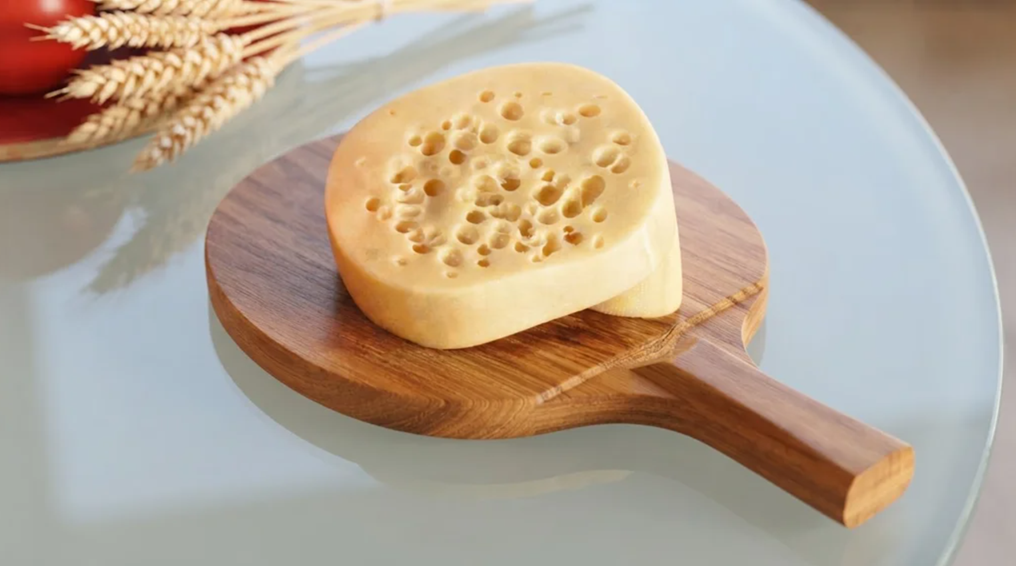
To taste Gouda is to walk through time. Young Gouda is soft, fruity, and light, a whisper of dairy sweetness. Mature Gouda carries a nutty edge, its flavor fuller, its texture firmer. Extra mature Gouda crumbles, its crystals crunching, its caramel notes lingering. Old Gouda is sharp, pungent, unforgettable—a cheese that commands attention.
Hints of nuts, sweet cream, and caramel weave through Gouda’s palate. Its finish ranges from smooth to sharp, depending on age. Gouda is not a single taste but a journey, a spectrum of sensations.
Gouda in the Kitchen
Gouda is not confined to platters. It melts into gratins, enriches pasta, surprises in pot stickers. Pair it with pear and wholemeal bread, and you have a harmony of sweet and savory. Slice it into sandwiches with beef, and Gouda becomes comfort food.
Recipes abound: Potato and Gouda gratin, a winter dish of indulgence. Pasta with grated Gouda, simple yet satisfying. Butternut‑Gouda pot stickers, delicate and delicious. Cold sandwiches with Gouda and Emmental, a French twist on everyday fare. Gouda adapts, pleases, and never loses its Dutch soul.
Gouda and Its Cousins
Cheese lovers often confuse Gouda with Mimolette. Both wear orange coats, but Gouda’s paste is pale, its rind often sealed in paraffin for travel. Mimolette, born in 17th‑century France, is brighter, harder, distinctly Gallic. Gouda is Dutch, medieval, mellow. Mimolette is French, modern, bold.
The paraffin trick was Dutch ingenuity, a way to preserve Gouda during export. It kept the cheese from losing weight, from drying out, from spoiling. Gouda traveled well, and so Gouda conquered palates far beyond Holland.
Storing and Serving Gouda
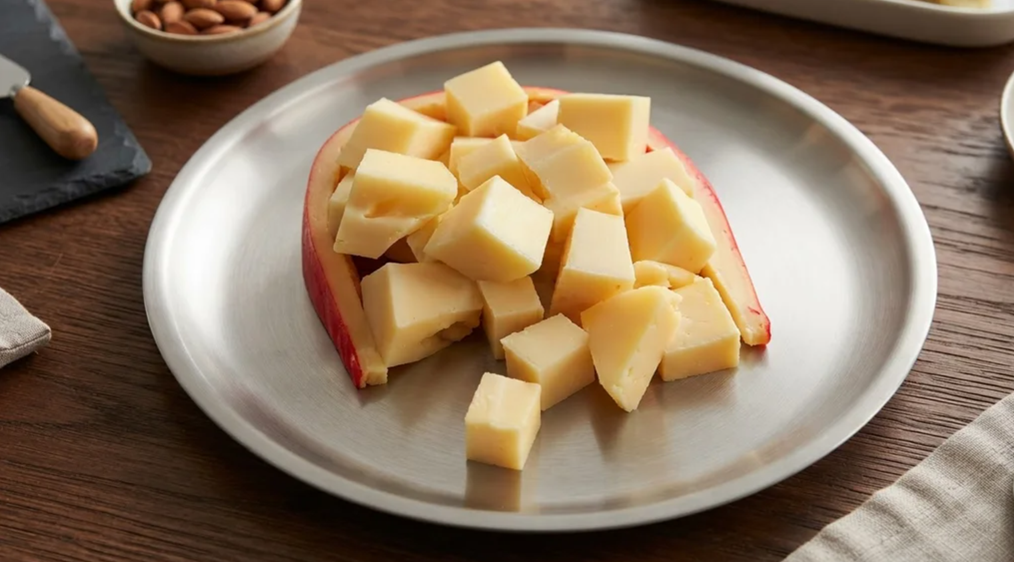
Wrap Gouda in cheese paper, tuck it into an airtight box, and it will keep its flavor for weeks. Young Gouda lasts ten days, old Gouda up to three weeks. But Gouda is best enjoyed fresh, before its notes fade. Cut it with a sharp knife, respecting rind and heart.
Its orange glow brightens platters, its mildness pleases guests. Serve it with fruit, bread, or simply on its own. Gouda does not need embellishment—it is its own story.
Gouda Across Cultures
From Holland’s polders to America’s kitchens, Gouda has traveled far. It is beloved in Europe, cherished in the United States, celebrated in countless cuisines. Gouda is versatile, adaptable, universal. It melts into burgers, enriches casseroles, elevates sandwiches. It pairs with fruit and bread. It is a cheese for every table, every occasion.
Gouda’s Legacy
Gouda is more than a cheese. It is a legacy of land reclaimed from water, of markets that shaped commerce, of flavors that matured across centuries. It is mild yet complex, creamy yet crystalline, versatile yet distinct. Gouda embodies Dutch ingenuity, patience, and taste.
From the twelfth century to today, Gouda has carried its heritage with grace. It is not just a cheese—it is a Dutch gift to the palate, a reminder that even the simplest curd can become timeless.