
Introduction
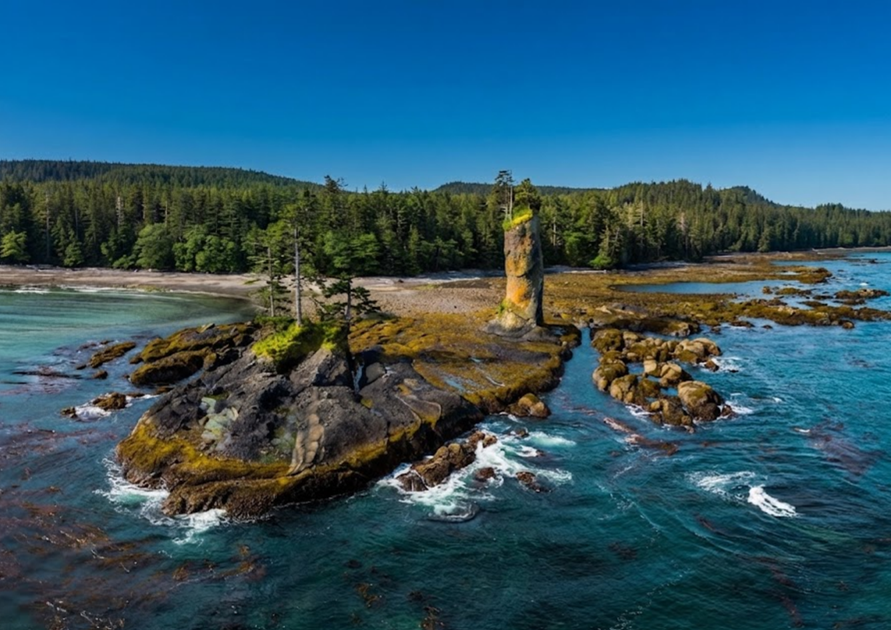
Off the rugged coast of British Columbia lies a place that feels less discovered than remembered. Haida Gwaii, or Xaayda Gwaay.yaay, is an archipelago of 150 islands, each shaped by tides, forests, and stories. It is a landscape where fairy‑tale beauty meets living culture, where families can step into a world of adventure, education, and immersion.
Here, lush plants and majestic animals share space with remnants of ancient Haida villages, and every journey becomes both exploration and lesson.
The Journey Begins
Getting to Haida Gwaii is part of the adventure. Families can fly from Vancouver to Sandspit or Masset in under two hours, a quick leap across the Pacific. Yet many choose the slower, more immersive route: an eight‑hour ferry from Prince Rupert to Skidegate. The ferry is not just transport—it is a floating introduction.
Children roam play areas, parents linger over buffets, and everyone feels the anticipation as the islands rise slowly from the horizon.The crossing sets the tone: Haida Gwaii is not rushed. It is approached with patience, with openness, with readiness to be changed.
Settling In: Haida House at Tllaal
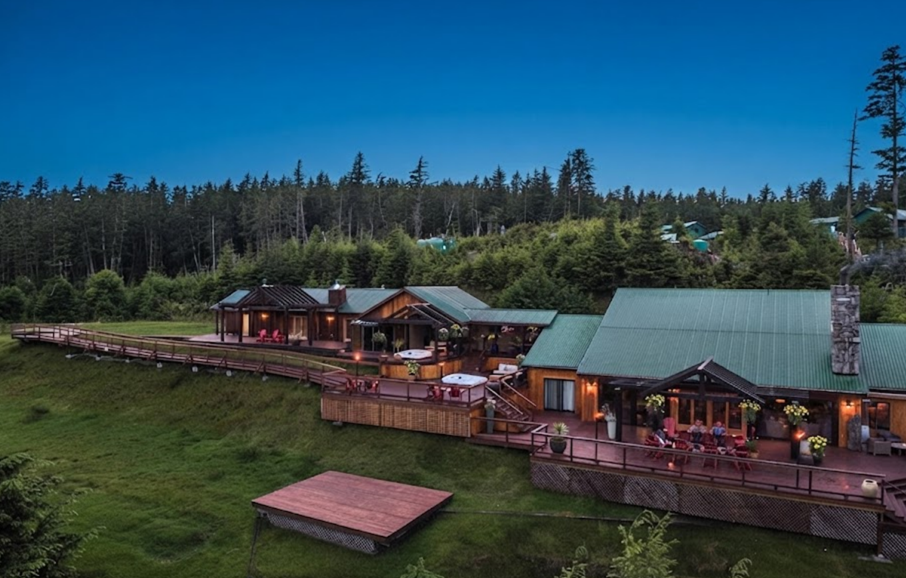
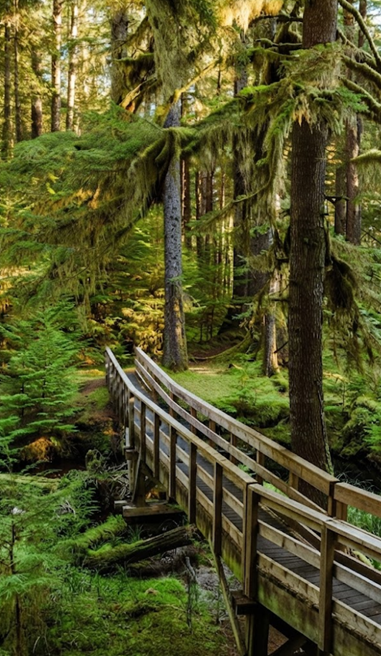
Once ashore, families find their base. Haida House at Tllaal, nestled along the Tlell River, offers lodge rooms and eco‑cultural packages that weave together accommodation, dining, and guided excursions. The setting is intimate: dense forest, sandy beaches, and the quiet flow of the river.
For larger families, Haida‑style cabins with ocean views and private hot tubs provide space to unwind after days of exploration. Meals here are lessons in sustainability, with ingredients sourced from land, forest, and sea. Children learn that food is part of the ecosystem, that dining can be both delicious and educational.
Drive north through Naikoon Provincial Park and you’ll find Moon Over Naikoon Bakery, where soups and baked goods warm travelers of all ages. It is the kind of place where families linger, where the smell of bread becomes part of memory.
Immersion in Haida Culture
Culture is not a backdrop in Haida Gwaii—it is the foundation. The Haida Heritage Centre at Kay Llnagaay is a living museum, with monumental poles, canoes, and archives that tell stories of resilience and artistry. Families wander through carving houses, canoe houses, and galleries, each space a dialogue between past and present.
Guided excursions from Haida House extend the immersion: artisan studio tours, interpretive hikes, kayaking, and visits to ancient village sites like K’uuna Skedans. The Pesuta shipwreck hike, with its skeletal remains on the sand, is a favorite for children who love stories of adventure and mystery.
Here, culture is not something you observe—it is something you step into, something that shapes the way you see the land and the sea.
Wildlife Encounters
Haida Gwaii is alive with creatures. Black bears roam the forests, river otters slip through streams, humpbacks breach offshore, and orcas cut through the waves. Introduced species—sitka deer, elk, beavers—add complexity to the ecosystem. Families join marine day trips for whale watching, forest treks for bear spotting, and cultural outings where wildlife is woven into traditional stories.
For children, these encounters are more than thrills—they are lessons in ecology, in respect, in the interconnectedness of life.
Beaches and Picnics
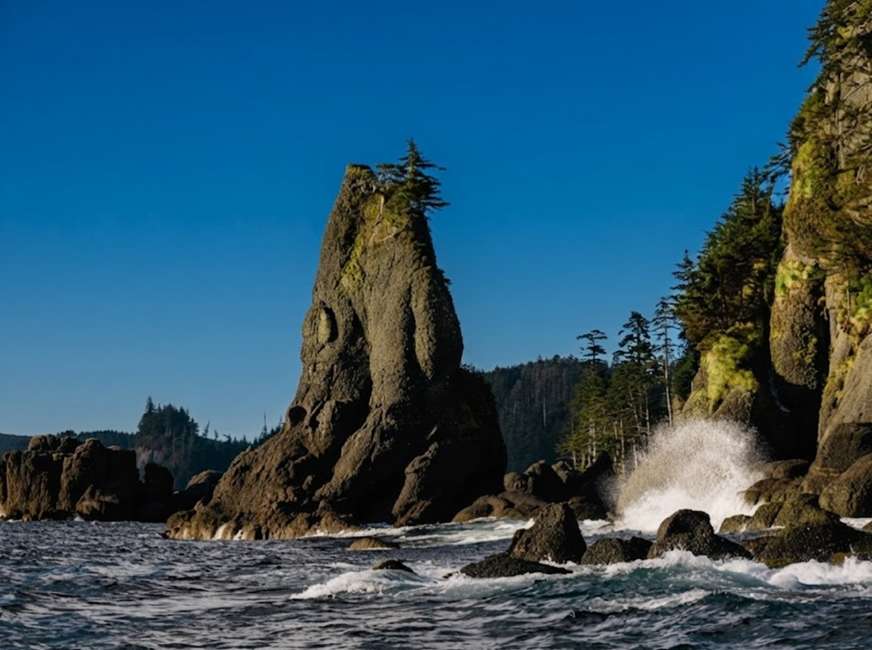
Pack a lunch from Haida House and head to the shore. Agate Beach glitters with stones in every hue, North Beach invites crab‑chasing adventures, and Balance Rock near Skidegate offers a natural sculpture perfect for family photos. The Blow Hole, formed by ancient lava, reveals tide pools teeming with life.
Camping at Agate Beach Campground is rustic and rewarding—no internet, no power, just fire pits, picnic tables, and the sound of waves. Families learn to disconnect, to listen to the rhythm of the sea.
Road Trips and Hidden Corners
Driving Highway 16 north from Skidegate, past Tlell and Port Clements, toward Masset, is a journey through shifting landscapes. Old Masset greets visitors with monumental poles, each carved with meaning. Agate Beach and Tow Hill lie just beyond, reached by gravel roads lined with towering trees.
Gray Bay offers secluded campsites with fire pits and picnic tables, where black bears sometimes appear along the logging roads. Mosquito Lake, named not for insects but for WWII aircraft built from local wood, invites cold plunges and picnics. Moresby Camp, once a logging site, now serves as a gateway to Gwaii Haanas National Park Reserve—a protected expanse where half the archipelago’s land base is preserved. Each stop is a story, each road a thread in the tapestry of the islands.
Heritage and Reconciliation
Haida Watchmen stand as protectors of land, sea, and community. Their presence at village sites is both symbolic and real, a reminder of stewardship and respect. Land title agreements with BC and Canada affirm Aboriginal Title to Haida Gwaii, making the region a leader in reconciliation.
Visitors are invited to take the Haida Gwaii Pledge, committing to travel with care and honor. For families, this is a chance to teach children that travel is not just about seeing—it is about respecting, about learning, about being part of something larger.
Practical Notes
Flights: Air Canada flies daily from Vancouver to Sandspit; Pacific Coastal Airlines connects Vancouver’s South Terminal to Masset.
Ferry: BC Ferries operates between Prince Rupert and Skidegate, an eight‑hour voyage.
Car Rentals: Gwaii Adventures offers 4WD vans, perfect for exploring rugged roads.
Dining: The Axe and Anchor Pub in Port Clements overlooks Masset Inlet, serving hearty meals with sunset views. Jackal’s ramen house in Daajing Giids is a revelation, while Haida Gwaii Beach Shop tempts with baked goods.
Markets and Shops: Time your trip for the Masset Farmer’s Market on Friday. Stop at North Beach Surf Shop if it reopens—or perhaps buy it yourself.
Camping: Hidden Island Resort in Masset offers Wi‑Fi and showers; Agate Beach Campground is rustic but unforgettable.
Culture: Kay Llnagaay Haida Heritage Centre is essential. Take time to admire monumental poles in Old Masset.
Islands of Beauty
Haida Gwaii is not simply a destination—it is a living story. Families come for beaches and wildlife, but leave with something deeper: an understanding of culture, a respect for land, and a memory of time spent together in a place where nature and heritage are inseparable.
Driving Highway 16, watching the shoreline unfold, you feel the pull of these islands. From Agate Beach to Tow Hill, from Skidegate to Masset, Haida Gwaii is a journey into beauty, resilience, and wonder. It is a place where fairy tales feel possible, where the past speaks through poles and canoes, and where the future is written in tides and trees.