
European Alps Destination > Hohe Tauern National Park
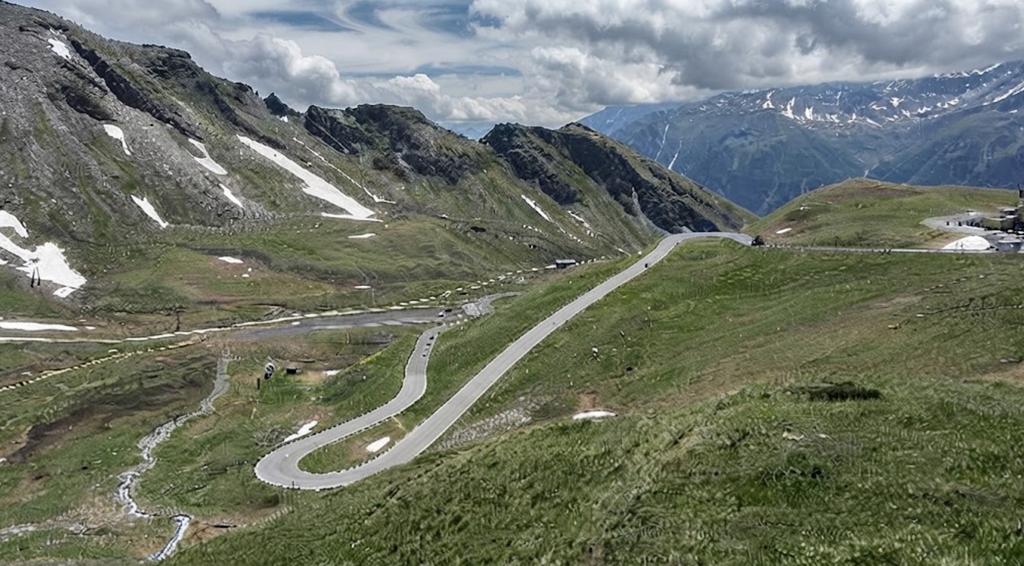
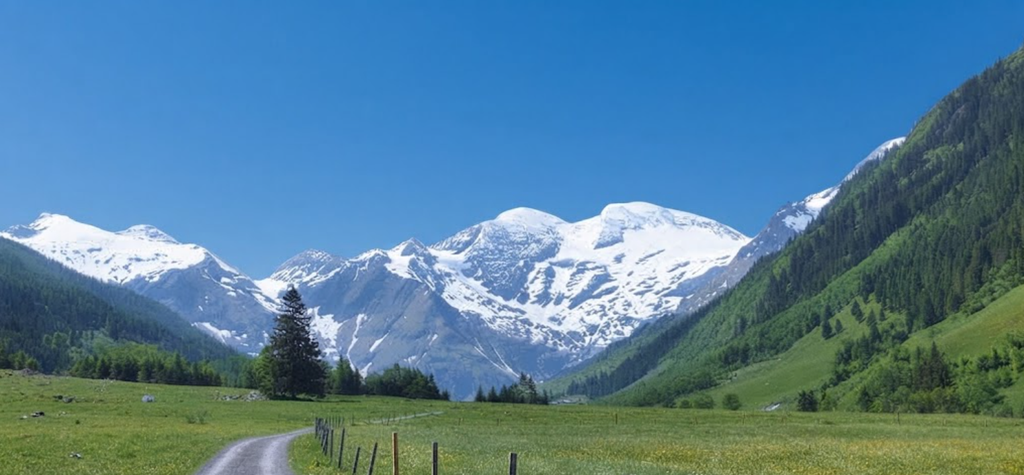
The Hohe Tauern National Park is the largest protected area in Austria and the Alps, stretching across Salzburg, Tyrol, and Carinthia. Covering more than 1,800 km², it is a landscape of glaciers, valleys, waterfalls, and peaks that rise above 3,000 meters. The Großglockner (3,798 m), Austria’s highest mountain, dominates the skyline, while the Großvenediger (3,657 m) and Kitzsteinhorn stand as alpine sentinels.
Golden eagles soar overhead, marmots whistle from the meadows, and chamois move across the slopes. Some alpine wildflowers, such as Rudolph’s saxifrage, bloom only here. The park is a living alpine museum, where glaciers, forests, and wildlife coexist in a protected wilderness.
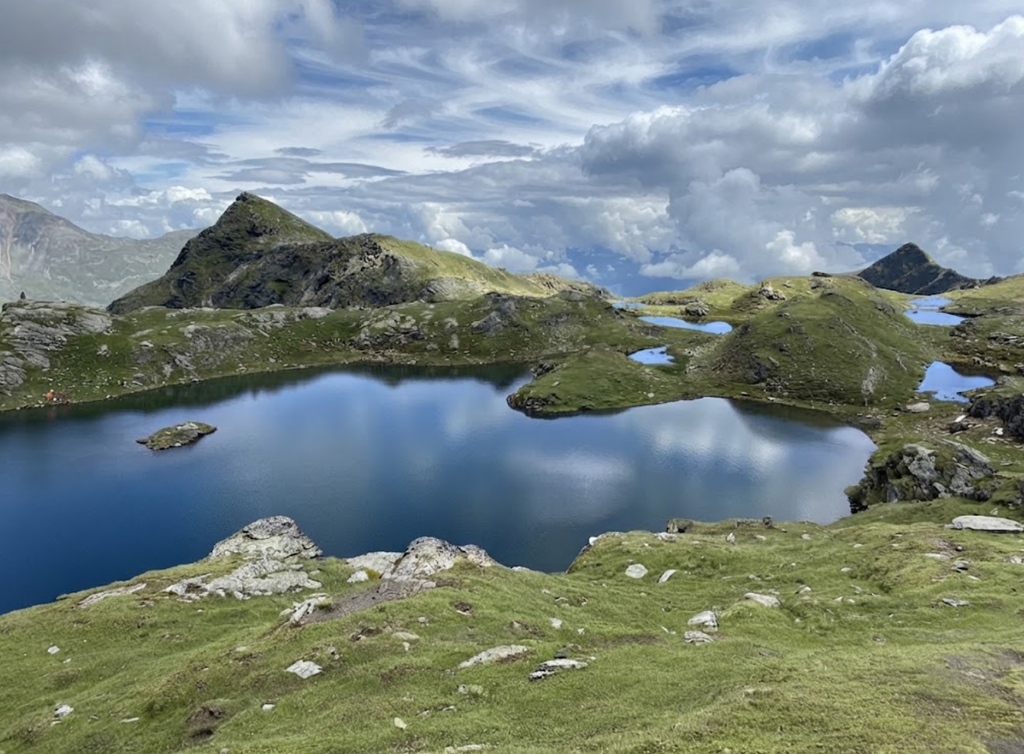
Hiking in Every Season
Hiking in the Hohe Tauern is possible year‑round. Each season offers a different experience.
- Winter: From December to March, rangers lead guided snowshoe hikes through pristine landscapes. Silence dominates, broken only by the crunch of snow underfoot.
- Spring: Alpine roses bloom, marmots emerge from hibernation, and golden eagles lay their eggs. Rivers swell with meltwater, and mountain lakes shimmer.
- Summer: The busiest season. Trails are alive with wildflowers, cows graze on alpine pastures, and hikers explore glacial valleys.
- Autumn: The larches glow yellow, the light softens, and the valleys take on a golden hue.
Essentials for the Trail
Every hiker should carry sturdy shoes, weather‑proof clothing, and walking sticks if needed. But locals know the extras: cash for alpine huts, a hip flask for summit schnapps, nut chocolate for energy, lemon water, glucose, sunglasses, sunscreen, and a headband for the wind.
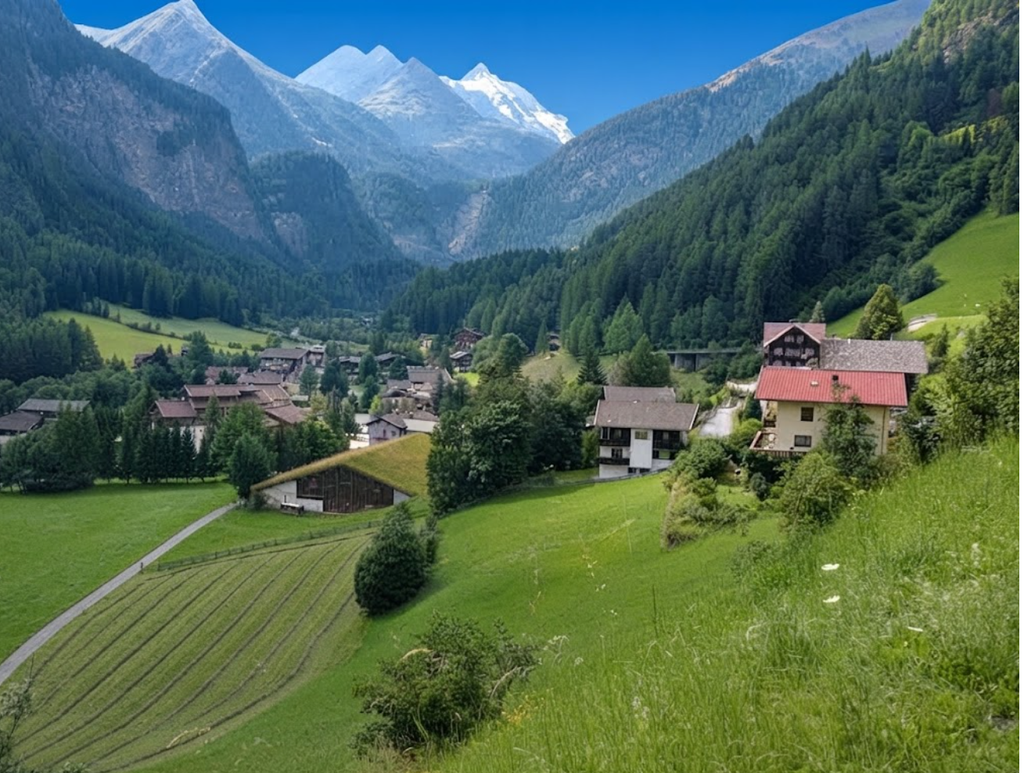
Trails from Matrei in East Tyrol
Matrei offers 40–50 marked trails, ranging from gentle valley walks to demanding alpine tours.
Wodenalm hike: An easy trail for beginners, with Graukas cheese waiting at the hut. The hiking tour beginning at the car park of Zedlacher Paradies is a compact yet rewarding family adventure in East Tyrol. The route is designed to be accessible for all ages, combining gentle walking paths with moments of discovery.
From the start, the trail follows the thematic path of Zedlacher Paradies, which introduces visitors to the unique larch forest. These trees, some several centuries old, dominate the landscape and create an atmosphere that feels both majestic and serene.
Interpretive signs along the way highlight the ecological importance of the larch, making the walk educational as well as scenic. After about twenty minutes, the trail branches left toward a forest road. This section is slightly steeper but remains manageable for families.
The towering larches provide shade and a sense of timelessness, their trunks rising like pillars in a natural cathedral. Wildlife sightings are common here, with squirrels, birds, and occasional deer adding to the charm of the walk. The nickname “Zedlacher Paradies” is fitting, as the forest feels like a sanctuary where nature and history meet.
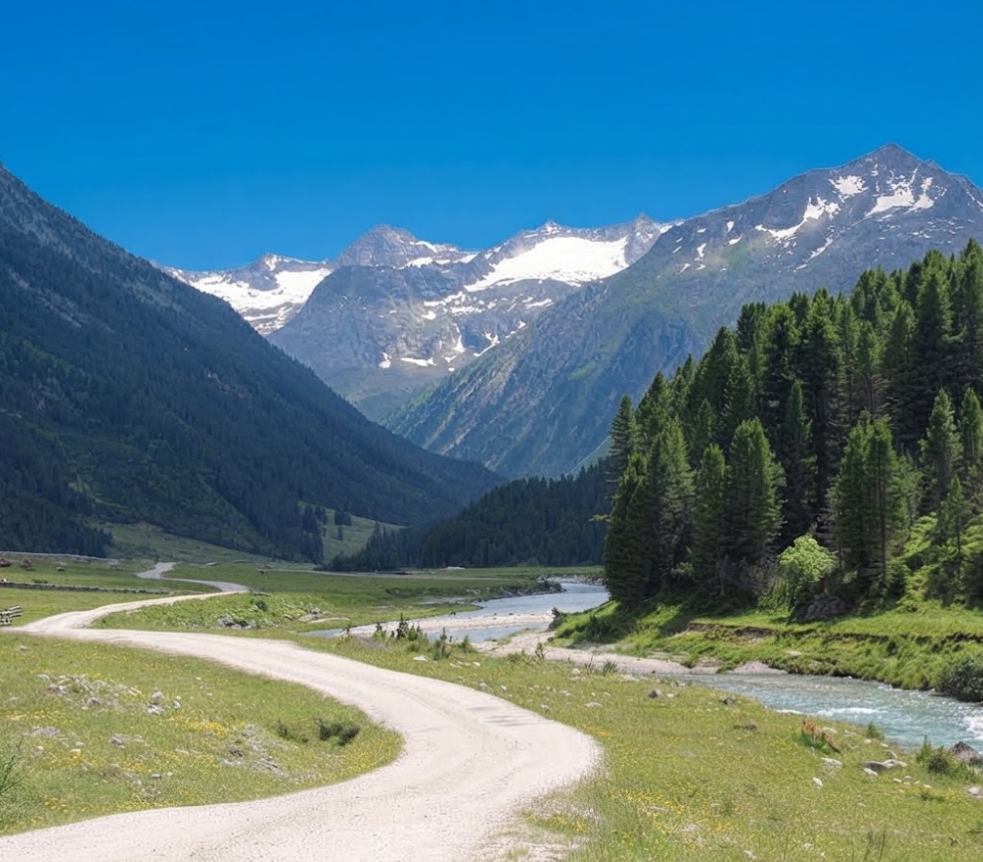
The path continues upward until reaching the Wodenalm, a rustic mountain hut that serves as the highlight of the tour. The terrace of the Wodenalm offers breathtaking views across several ranges, including the Venediger Group and the Lienzer Dolomites. Families can pause here to enjoy refreshments while children play safely in the surrounding meadows. The hut’s traditional Tyrolean hospitality, with simple meals and local specialties, adds to the experience.
The round trip can be completed in a few hours, making it ideal for a half‑day outing. Seasonal changes bring variety: spring flowers, summer greenery, golden autumn larches, and winter snow all transform the landscape. In every season, the hike offers a balance of forest immersion, cultural heritage, and alpine panoramas.
In essence, this tour is a perfect introduction to East Tyrol’s natural beauty. The centuries‑old larch forest provides a sense of wonder, while the Wodenalm terrace delivers unforgettable views. Accessible yet rewarding, it is a family‑friendly hike that combines education, relaxation, and adventure in one memorable journey.
Matrei Valley Trail: A 15 km family‑friendly route with storyboards recounting floods that once buried the town. The Matrei Valley Trail in East Tyrol is a family‑friendly hike that stretches nearly 15 kilometres and can be completed in about 4 hours and 30 minutes.
Starting from Rauterplatz in the centre of Matrei, the route is flexible: you can walk it in one go or break it into smaller stages. Public transport access is simple, with the Korberplatz bus stop just five minutes away, and several stops along the trail itself for those who prefer shorter sections.
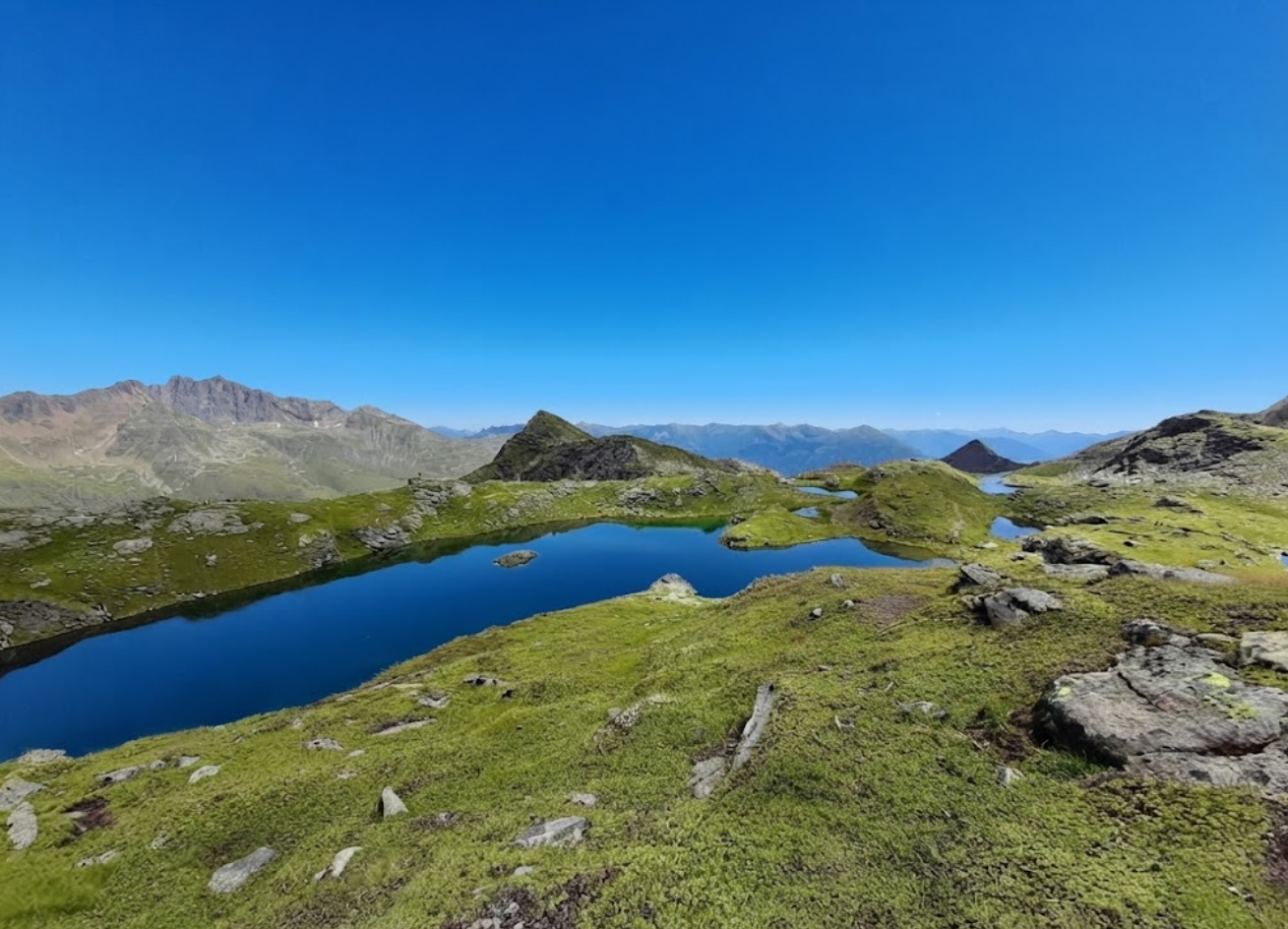
The path is enriched with 15 information boards that recount Matrei’s dramatic history, including how the town was buried more than 30 times by torrents once considered Austria’s most dangerous. These boards, illustrated with historical photos, bring the past vividly to life.
Children are especially engaged by Lotti the sheep, a playful companion along the trail who offers riddles and rewards. After solving the puzzle, young hikers can collect a surprise at the local tourist information centre.
Matrei is often described as the heart of the Hohe Tauern National Park. Surrounded by more than 60 peaks rising above 3,000 metres, the area offers glaciers, untouched valleys, and authentic alpine culture. It is a prime base for active explorers and families seeking nature away from mass tourism. The region is also a gateway to high‑altitude tours, with the Großvenediger (3,657 m) and the Großglockner (3,798 m) both accessible from here.
Beyond the valley trail, Matrei offers diverse hiking options. The Iseltrail follows the longest free‑flowing glacial river in the Alps, while the Gschlößtal provides an easy family hike into the glacier world. The Proßeggklamm is one of the most spectacular routes, plunging into a gorge with dramatic scenery.
In essence, Matrei in East Tyrol combines accessibility, history, and alpine grandeur. Whether through the engaging Valley Trail or more demanding high‑altitude tours, it offers a rich hiking experience for families, nature lovers, and mountaineers alike.
Prosseeggklamm Trail: Reopened in 2024 after two decades, this trail plunges into a 120‑meter gorge and ends at the Steiner Waterfall. The Proßeggklamm gorge near Matrei in Osttirol reopened in summer 2024 after extensive reconstruction, making one of East Tyrol’s most spectacular natural jewels accessible again.
Classified as a red mountain trail, the hike requires surefootedness and proper footwear. Helmets can be rented at the Matrei tourist information centre for a small deposit, and while a via ferrata set could theoretically be used on rope‑secured sections, experienced hikers with a head for heights will find it manageable in normal weather conditions.
The trail begins at the southern entrance, passing calm river meadows before entering the gorge, which plunges more than 120 metres deep. The highlight is the mighty Steiner waterfall, dropping nearly 100 metres into the canyon and offering a refreshing spray on hot summer days.
The path itself is narrow and winding, with sections secured by ropes and short tunnels carved into the rock. Signs at both entrances warn of dangers such as falling rocks, and children under 10 are advised against attempting the hike unless roped up, as the narrow trail makes side‑by‑side walking impossible.
The gorge was formed over centuries by the Tauernbach stream, which carved steep walls and dramatic rock formations. Today, the rebuilt trail allows visitors to experience this raw alpine landscape up close. Despite its challenges, the passage is free of charge and can be reached either by walking from Matrei along the Tauernbach or by parking near the entrance at Proßegg.
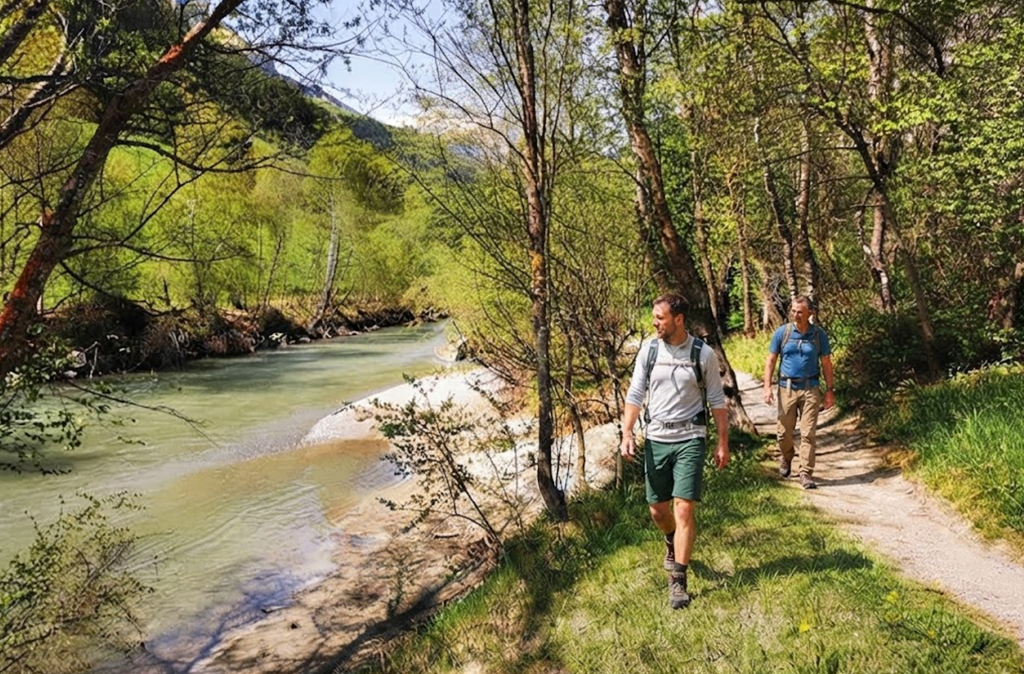
For mountain‑experienced families and hikers, the Proßeggklamm offers a thrilling yet safe adventure when conditions are dry. Dogs are permitted, and the combination of tunnels, rope‑secured paths, and breathtaking views makes the hike unforgettable. It is important to remember that this is a mountain path, not a simple walking trail, so preparation and caution are essential.
In summary, the Proßeggklamm gorge is once again a highlight of East Tyrol’s hiking network. With its towering walls, dramatic waterfall, and adventurous trail, it provides a unique blend of natural spectacle and alpine challenge, reaffirming its reputation as one of the most beautiful canyons in the region.
Weisssee Glacier World
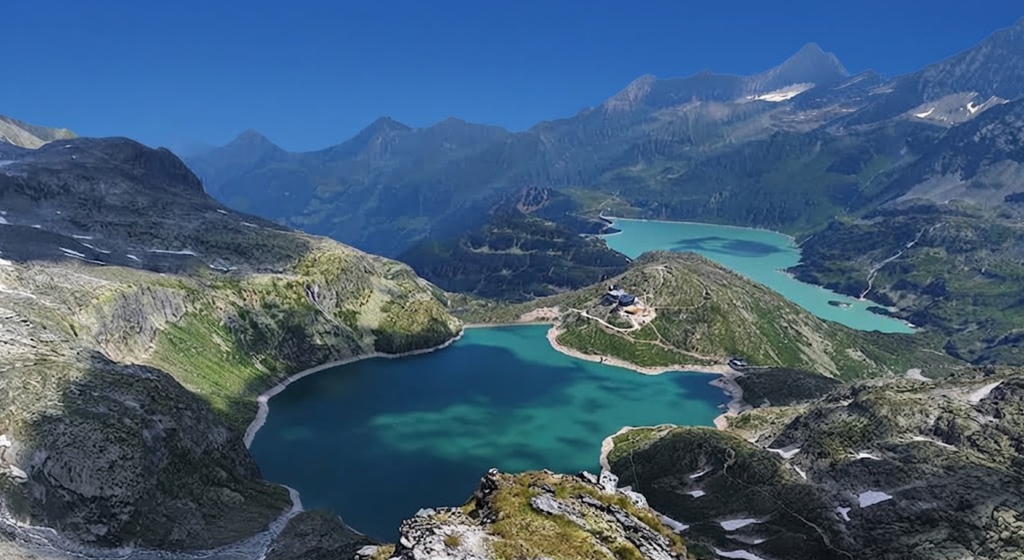
From Enzingerboden, a cable car carries visitors to 2,300 meters at Rudolfshütte. From Weisssee, trails lead to glacial lakes and panoramic ridges.
- Kalser Törl: A 1.5‑hour round trip with breathtaking views.
- Three Lakes Trail: Descending past Tauernmoossee and Grünsee, this 6.5 km hike takes 2.5 hours. Turquoise waters, wildflower meadows, and grazing cows line the path.
Weekend at Naturhotel Outside
Arrive by train to Lienz or Kitzbühel, where the hotel shuttle awaits. Rooms open at 15:00, leaving time for a short hike or spa visit.
The new Nature Spa opens in December 2024, with a heated outdoor pool, relaxation rooms, and East Tyrol’s healing brine bath.
Karin recommends the Three Lakes Hike from Matreier Tauernhaus, or a Sunday farewell walk to Gottschaunalm in Virgen — famous for its doughnuts.
Heiligenblut am Großglockner: Top 5 Hikes
- Gamsgrubenweg — face‑to‑face with the Großglockner (3 h)
- Pasterze Glacier Path — close to the ice (4 h, 400 m gain)
- Geotrail Tauernfenster — above the clouds (3 h)
- Schareck Hazard Trail — dramatic alpine terrain (2 h 15 min)
- Natura Mystica — mystical forest walk in the Hohe Tauern
Wildlife Encounters
The park is home to 10,000 animal species. Marmots, once rare, have been reintroduced. Golden eagles nest in March and April, with around 40 breeding pairs in the park. Chamois and ibex roam the slopes, while rare alpine flowers bloom in high meadows.
Glaciers and Lakes
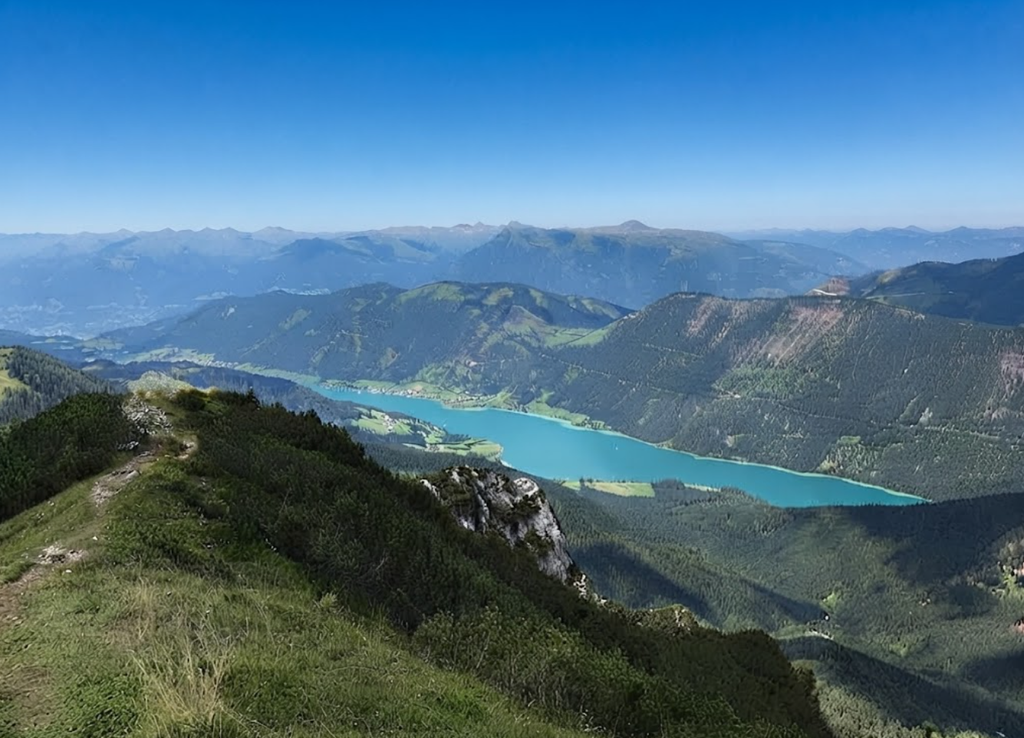
The park contains 130 km² of glacier fields. Glacial valleys, alluvial cones, and moorlands shape the landscape. Lakes such as Weissensee, Tauernmoossee, and Grünsee reflect the peaks.
Foraging and Mushroom Hunting
The forests below alpine altitude are rich in edible mushrooms. Foraging is permitted in some areas, but always check local regulations. Poisonous species exist, so identification must be certain.
Camping Rules
Wild camping is prohibited in Austrian national parks. Some provinces tolerate bivouacking, but permission is required. Always check local regulations before camping.
Accessibility and Travel
The park is 2 to 2.5 hours from Salzburg by car. Public transport is available, but a car offers flexibility. International flights connect to Salzburg, making the park accessible from across Europe.
A Day in the Park
Start early. Take the cable car up the valley. Spend the morning hiking among glaciers. Picnic by a lake. Return to the valley for dinner at an alpine hut. End the day in the spa, watching the sunset over the peaks.
Why Hohe Tauern Matters
Founded in 1981, the Hohe Tauern was Austria’s first national park. It protects alpine ecosystems, glaciers, and wildlife. It is both a natural sanctuary and a cultural landscape, where traditions of alpine farming and hospitality continue.
The Hohe Tauern National Park is Austria’s alpine wilderness — a place of glaciers, peaks, valleys, and wildlife. Whether you seek easy family trails, glacier panoramas, or mystical forest paths, the park offers them all. Views here feel like postcards come to life.