
Arrival by Train
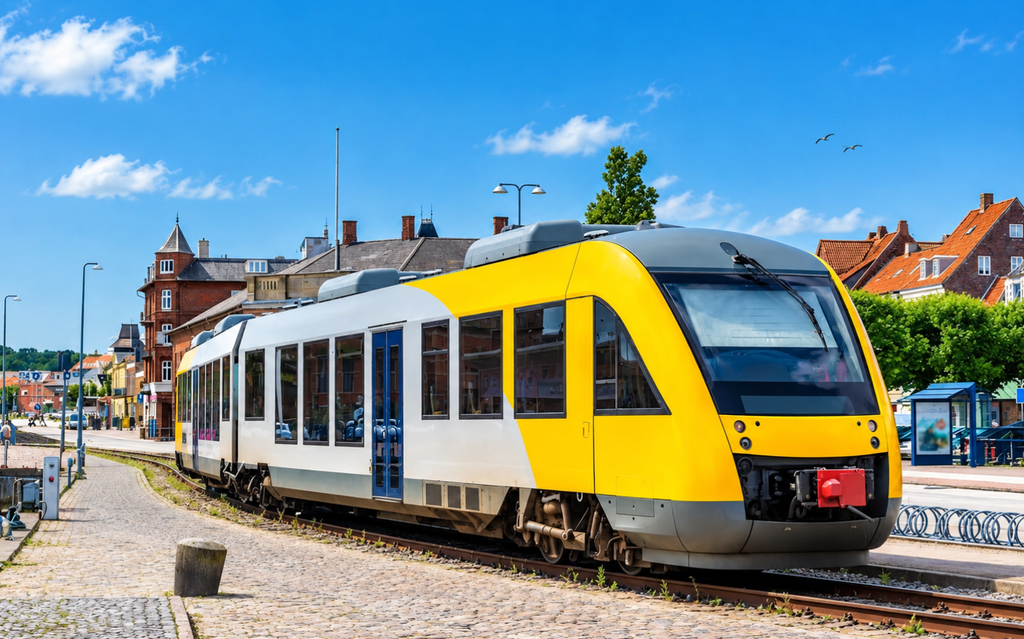
The journey to Hornbæk begins with a train ride north from Copenhagen, a route that feels more like a transition than mere transport. The regional train hugs the coast toward Helsingør, offering glimpses of the Øresund waters, while the local train cuts through woodlands, a softer rhythm of green landscapes.
After 20 minutes of rest, the arrival in Hornbæk is immediate immersion into a slower pace. The town greets visitors with cheerful streets, colorful shops, and the unmistakable scent of sea air. It feels less like a destination and more like a pause button pressed firmly on the rush of daily life.
Harbor Charm
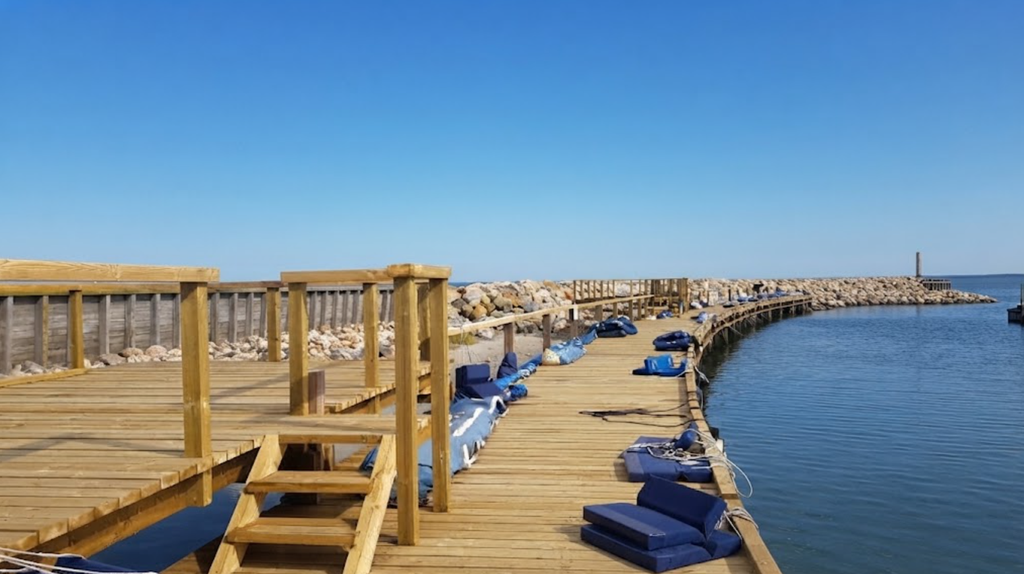
The harbor is Hornbæk’s heartbeat. Small yet vibrant, it is lined with fishing boats, yachts, and painted vessels that bob gently against the tide. The scene is alive with color and texture: ropes coiled neatly, sails folded, and reflections shimmering across the water. It is a place for photographs, but more importantly, it is a place to linger. The harbor is not grand, but it is intimate, a reminder that beauty often lies in scale rather than spectacle.
Twin Beaches
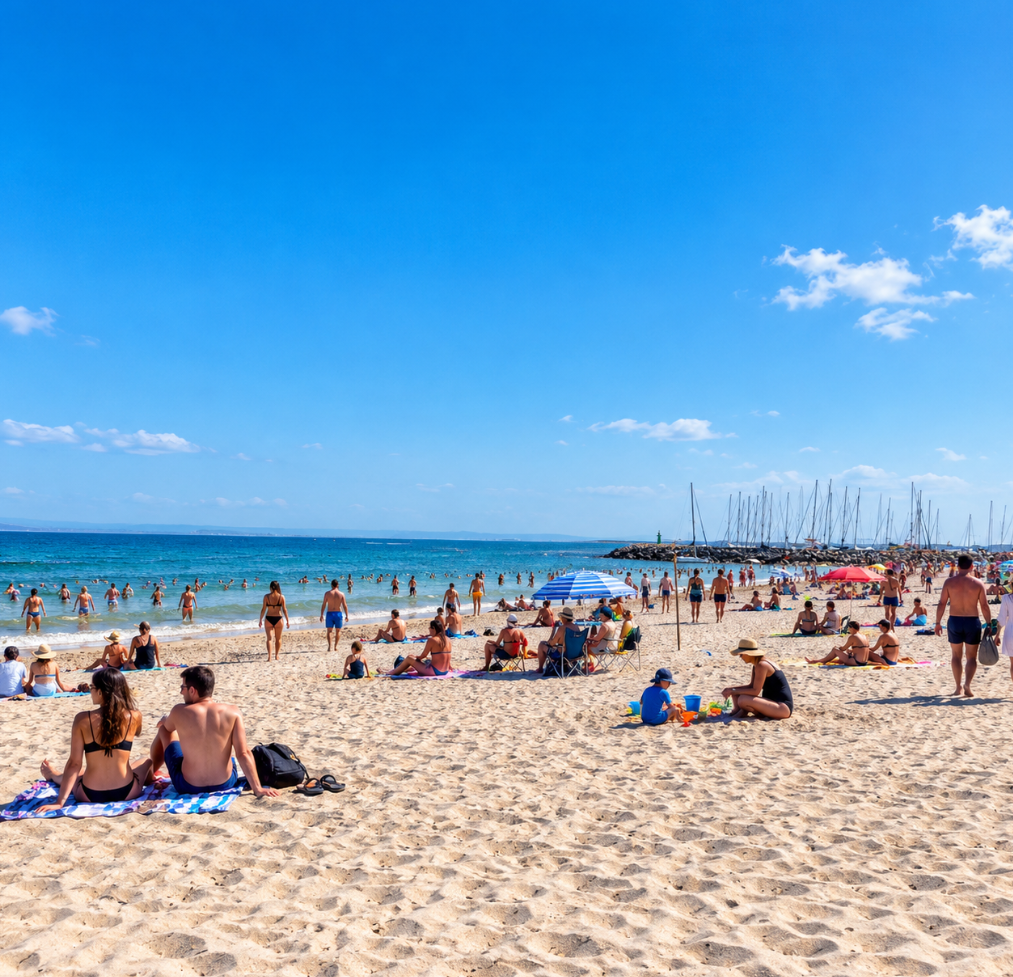
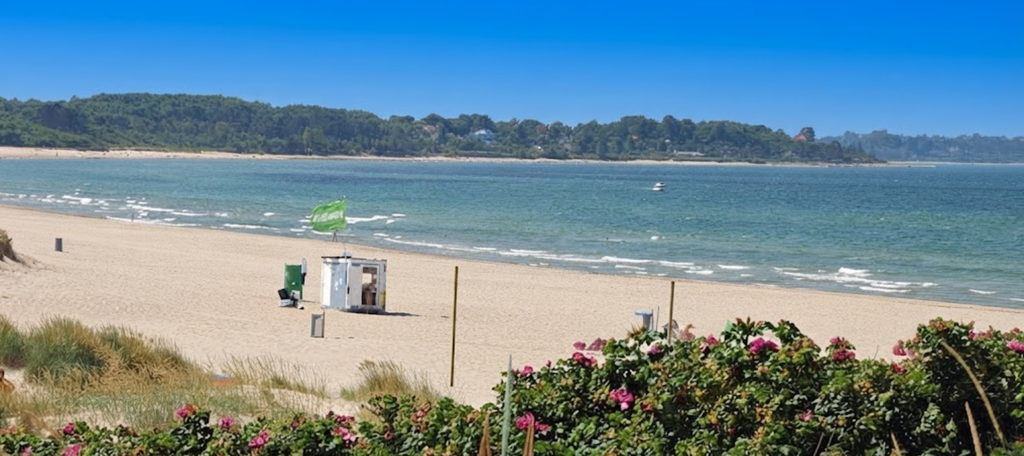
On either side of the harbor stretch two beaches, both wide, sandy, and free of stones. The sand is fine, golden, and soft beneath bare feet. The beach to the right of the harbor is remarkable — the widest in Denmark, a vast expanse that seems to stretch endlessly. Families gather here, children run barefoot, and the atmosphere is lively without being crowded. The left-hand beach, quieter and more intimate, offers a different rhythm, a place for solitude and reflection. Together, they form a balance: one for energy, one for calm.
Danish Riviera Spirit
Hornbæk belongs to the Danish Riviera, a stretch of coastline famed for its golden sands and white summer houses. It is a place where Danes escape the city, not where tourists flock. The town is not about attractions but atmosphere. It is a retreat, a reminder that leisure is not about doing but about being.
Beach Path Wander
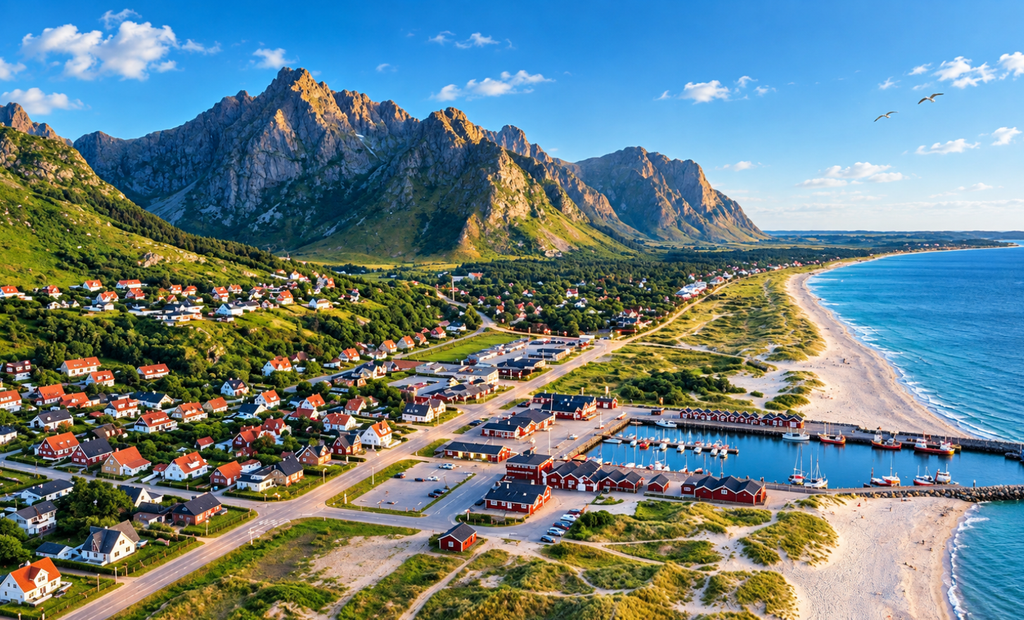
Behind the dunes runs a path that winds east and west. Walking here reveals glimpses of summer houses, their white facades iconic against the greenery. Heading east, the trail leads into a small woodland, a shaded interlude before opening again onto stretches of sand. Beyond lies a dog park, a place where locals gather, adding another layer of community to the landscape. The path is not just a walk but a narrative, a sequence of scenes that shift from sea to forest to village life.
Seasonal Rhythm
Hornbæk is at its best in summer. July to early September brings long days, warm air, and waters inviting enough for swimming. The beaches are alive but never overcrowded and the harbor vibes with activity. Yet even in summer, the wind can rise, a reminder of Denmark’s coastal character. Light layers are essential, a jumper or jacket to guard against breezes that cool quickly. The dunes offer shelter, pockets of warmth where the sun lingers.
Jellyfish Encounters
In summer, the waters around Zealand bloom with jellyfish. The Moon Jellyfish, clear with four pink rings, drifts harmlessly, more curiosity than threat. Children pick them up, play with them, and swimmers glide past without concern. They are part of the seascape, a reminder that nature here is gentle, not hostile. Other species may appear, and caution is wise, but the general rule is simple: don’t panic, observe, and enjoy the encounter.
Comfort and Leisure
A day in Hornbæk is best lived comfortably. Towels, picnic blankets, books, and water toys transform the beach into a living room under the sky. Dice are rolled, pages turned, and laughter shared. The town invites this kind of leisure, where the measure of time is not hours but moments. Comfort is not indulgence here; it is the essence of the experience.
Local Encounters
The people of Hornbæk are part of its charm. Friendly and welcoming, they assist in supermarkets, share smiles in cafés, and make visitors feel at home. Staying in a guesthouse adds depth to the experience. Hosts like Marianne open their courtyards, share tea, and converse with warmth. These interactions linger longer than sights, becoming memories that define the visit. Hornbæk is not just a place but a community, and being part of it, even briefly, is a gift.
Comparisons Abroad
Hornbæk feels like Somers on Australia’s Mornington Peninsula — a seaside town full of locals, free from the tourist gloss of southern Europe. It is authentic, lived-in, and relaxed. The comparison highlights what makes Hornbæk unique: it is not about spectacle but about sincerity. It is a place where holiday vibes come naturally, not manufactured.
Costs and Choices
Visiting Hornbæk can be affordable or indulgent. Public transport from Copenhagen and a picnic lunch might cost as little as £10. The activities themselves are free: the beaches, the harbor, the paths. The choice lies in how you eat, drink, and linger. Hornbæk adapts to budgets, offering simplicity or luxury without judgment.
Extended Stays
Though perfect for a day trip, Hornbæk invites longer stays. Guesthouses, summer houses, and small hotels offer accommodation that blends with the town’s rhythm. Two days here allow mornings in courtyards, afternoons on beaches, and evenings with wine at sunset. The pace is slower, the immersion deeper. Hornbæk is not a place to rush; it is a place to settle, even briefly.
Final Reflections
Hornbæk is more than a seaside town. It is a pause, a retreat, a reminder of the value of slowing down. Its harbor, beaches, paths, and people form a mosaic of tranquility. It is not about sights but about sensations: the feel of sand, the taste of coffee, the sound of waves, the warmth of conversation. Leaving Hornbæk is not departure but transition, carrying its rhythm into the next journey.