
Cape Diamond’s Crown
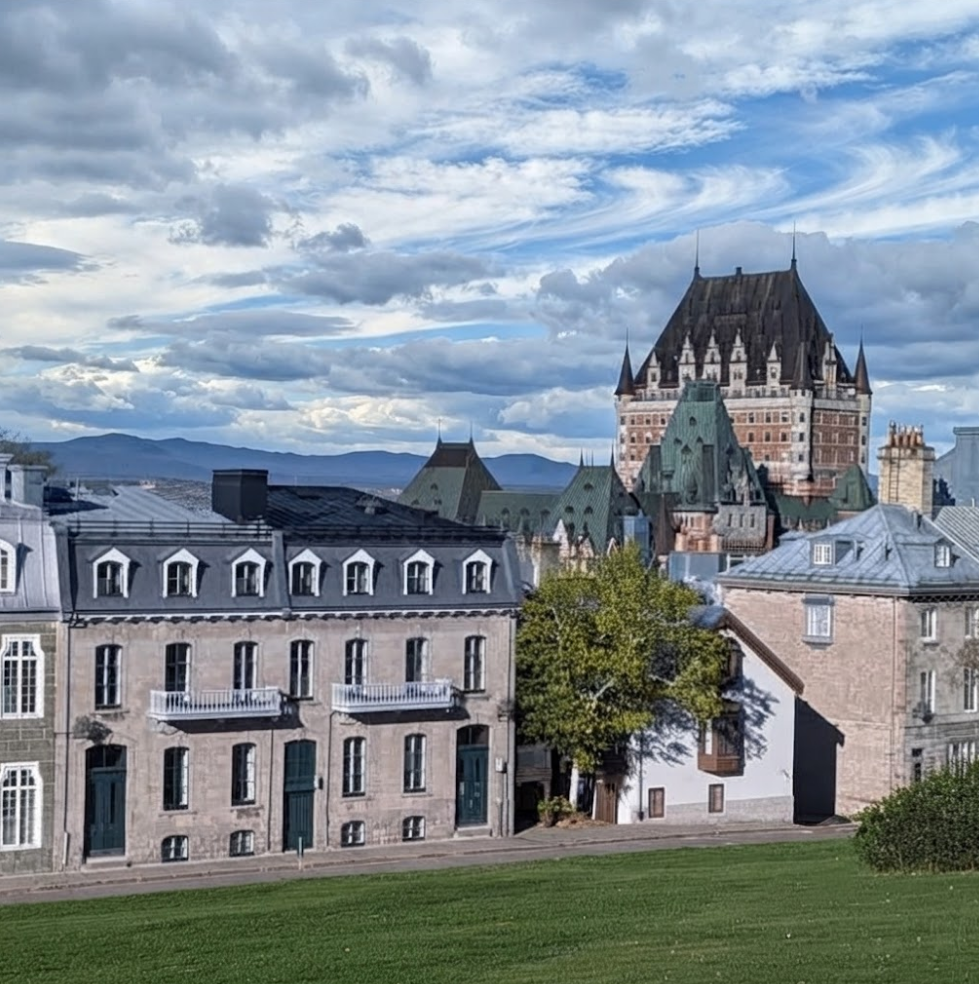
Atop Cape Diamond, where the cliff leans into the St. Lawrence River, the Citadelle de Québec rises in star‑shaped defiance. Built between 1820 and 1831 by British engineers, its bastions and curtain walls were designed to repel American incursions after the War of 1812. Yet the site’s strategic importance predates those ramparts.
A Military Heartbeat
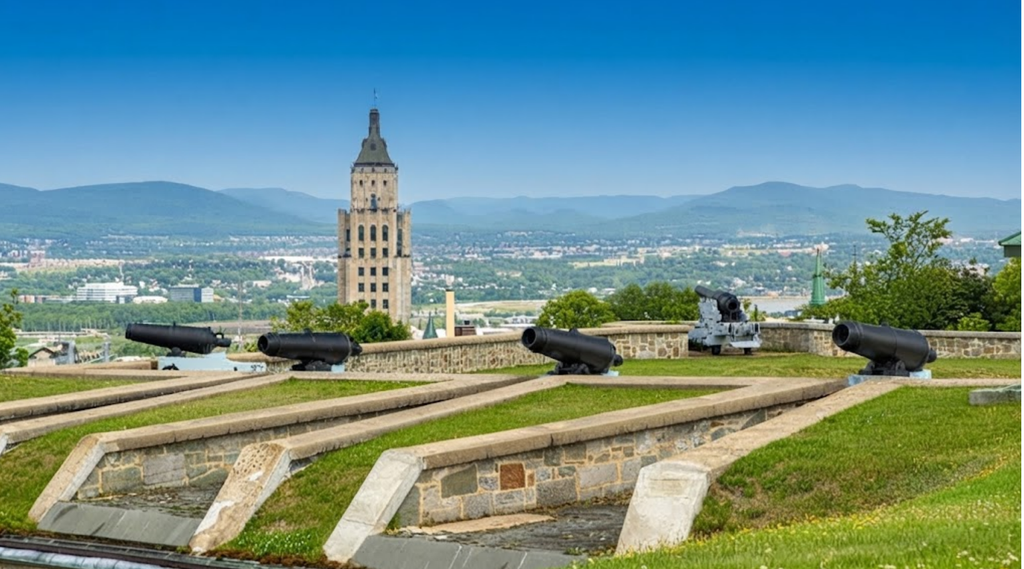
The fortress is not a relic but a living base. The Royal 22e Régiment has been stationed here since 1920, and soldiers still stride across the parade grounds. At noon, the cannon fires — a thunderous tradition that startles visitors and ties the present to centuries of tradition. Since 1872, the Citadelle has also served as the Québec residence of Canada’s governor general, making it both a military stronghold and a seat of civic ceremony.
The Museum Experience
Visitors step into history through the Gunpowder Magazine, now a museum filled with muskets, cannons, and a film reenacting musket fire. The Old Military Prison, once used for petty crimes, displays uniforms, medals, and photographs of royal visits.
Exhibits such as Je me souviens invite guests to dress in uniform, explore interactive displays, and trace the regiment’s history through over 300 medals and biographies. Children clutch “Find and Seek” booklets, duck through tunnels, and discover history through play.
Views Across Québec
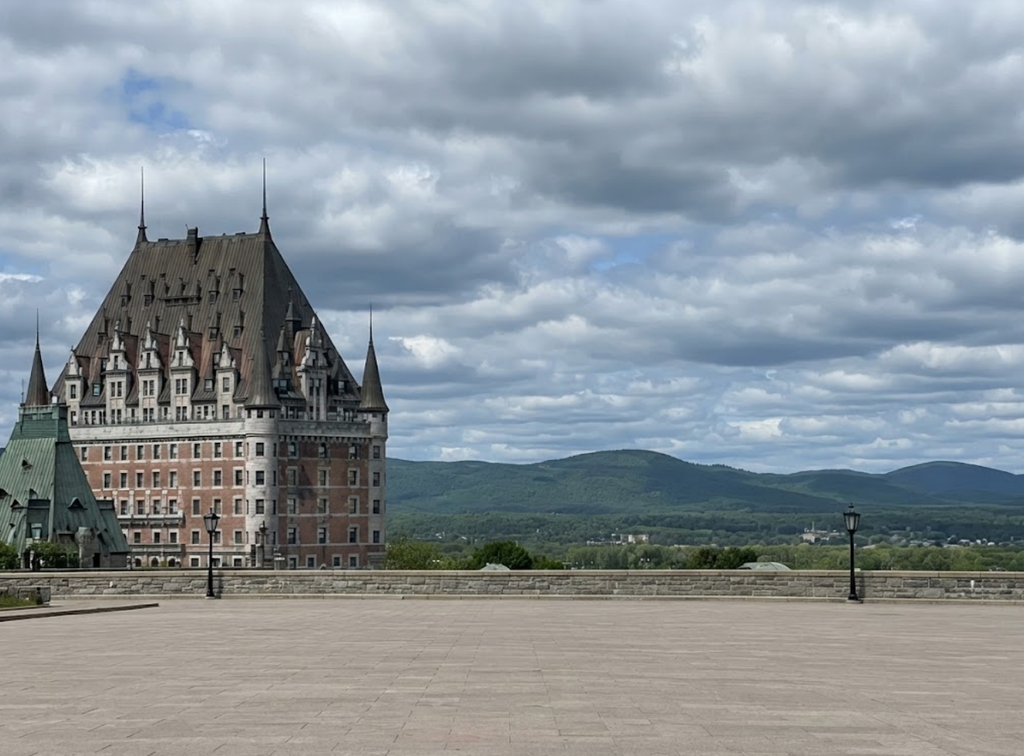
From the ramparts, the panorama is breathtaking: the copper crown of the Château Frontenac, the sweep of the St. Lawrence River, and the green hush of the Plains of Abraham.
The Visitor’s Journey
Guided tours run hourly from 10 a.m. to 4 p.m., blending fortress exploration with museum time. Families linger at picnic tables, and Rue Saint‑Jean nearby offers bakeries and bistros. Expect 1 to 3 hours to fully absorb the Citadelle’s living history. The cannon’s roar, the regiment’s flags, and the museum’s medals all combine into an experience that is both educational and atmospheric.
Cape Diamond’s Crown
Cape Diamond is more than geography; it is destiny. Rising above Old Québec, the cliff commands the river and the plains, a vantage point so compelling. The fortress that crowns it today was born of fear and foresight. After the War of 1812, British engineers carved a star into the rock — bastions jutting like points of a crown, curtain walls binding them together.
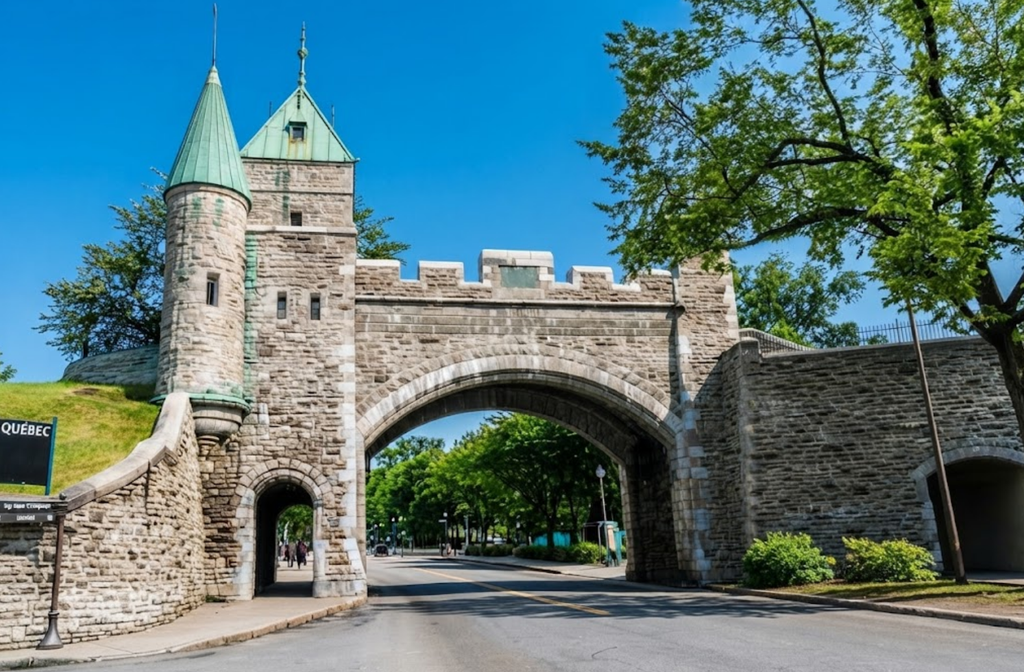
The design was not ornamental but strategic: every angle allowed defenders to sweep the approaches with fire. The Citadelle’s 4.5‑kilometer perimeter made it one of the strongest fortresses in the empire. Walking its ramparts, one feels the geometry of defense. The star shape is not abstract; it is lived.
Each bastion points outward, each wall channels movement, each gate controls access. The fortress is a map of anxiety, a stone response to the possibility of invasion. Yet in its endurance, it has become more than defense. It is now a symbol of Québec’s resilience, a crown above the city.
A Military Heartbeat
Unlike ruins that lie silent, the Citadelle breathes. The Royal 22e Régiment, known affectionately as the “Van Doos,” has been stationed here for over a century. Their presence is visible: soldiers march, flags ripple, ceremonies unfold. At noon, the cannon fires, echoing across the city. Children cover their ears, pigeons scatter, tourists laugh nervously.
The tradition is more than spectacle; it is continuity. The Citadelle is also the Québec residence of Canada’s governor general. Since 1872, it has hosted ceremonies, receptions, and state functions. Thus, the fortress is both martial and civic, a place where military discipline meets national symbolism. Its dual role makes it unique: few fortresses remain active bases while also serving as official residences.
The Museum Experience
The museum within the Citadelle is not static. It is curated to engage, to invite participation. The Gunpowder Magazine tells the story of weaponry: muskets lined in cases, cannons resting in silence, a film that cracks with musket fire. Visitors trace the evolution of arms, understanding how technology shaped tactics.
The Old Military Prison is more intimate. Once a place of confinement for drunken soldiers, it now displays uniforms, medals, and photographs. The juxtaposition is striking: a space of punishment transformed into a gallery of honor. Exhibits such as Je me souviens deepen the narrative, presenting over 300 medals with biographies of their recipients.
Each medal is a story, each ribbon a thread in the tapestry of Canadian military history. Children are not forgotten. Activity booklets turn exploration into play, tunnels invite ducking and discovery, uniforms allow dressing up. The museum is designed to be interactive, ensuring that history is not only observed but experienced.
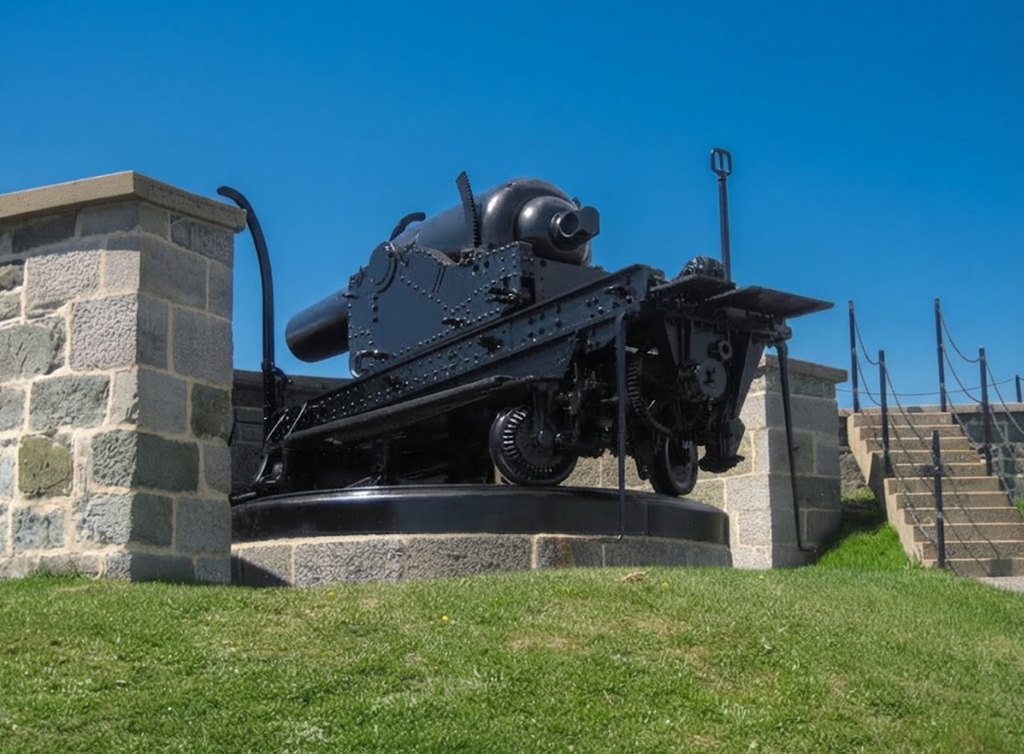
Views Across Québec
From the ramparts, the view is expansive. The Château Frontenac rises like a copper crown, its turrets catching the light. The St. Lawrence River sweeps below, carrying ships and stories. The Plains of Abraham stretch green and quiet, yet their name recalls battle.
The Visitor’s Journey
Visiting the Citadelle is immersion. Guided tours run hourly, blending fortress exploration with museum time. The cannon’s roar punctuates the day, flags ripple in the wind, medals gleam in cases. Yet time here is elastic. One may linger at the ramparts, gaze at the river, trace medals in glass, or watch children duck through tunnels. The Citadelle is not rushed; it invites presence.