
Crossing Into Møn
Arriving on Møn begins with the Dronning Alexandrines Bro, a graceful bridge that links Zealand to the island. Built in the 1940s, its arches sweep across the water in understated elegance. Driving in from Trelleborg Fortress along Road 59, the scenery shifted from mainland bustle to island calm. Fields stretched wide, beech woods lined the roads, and the Baltic glimmered in the distance. Though only ninety minutes from Copenhagen, Møn immediately felt like a retreat into another rhythm of life.
Ulvshale and Nyord
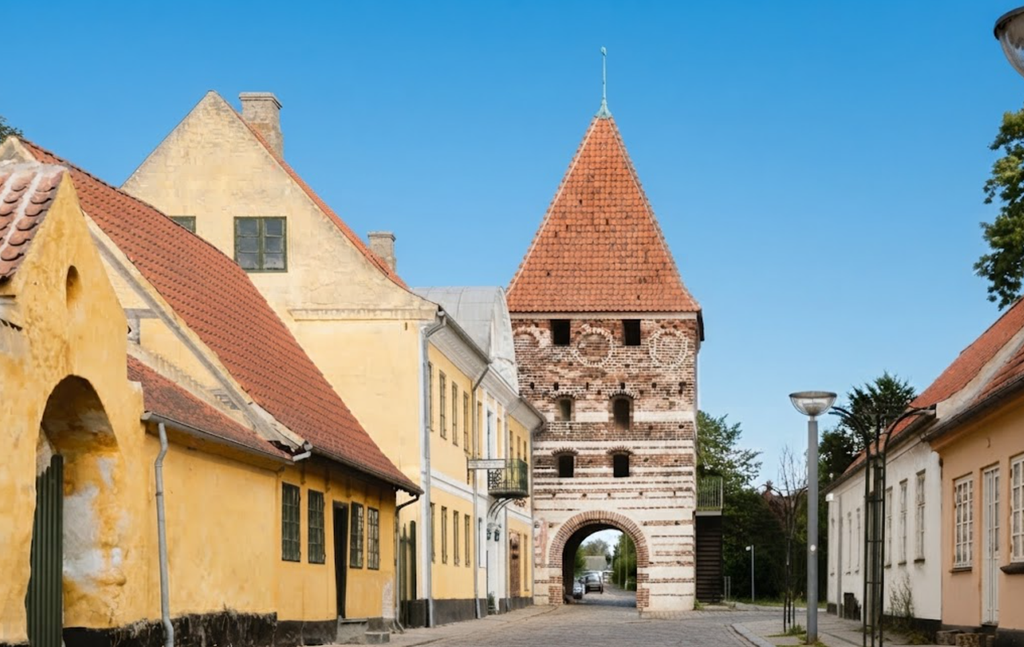
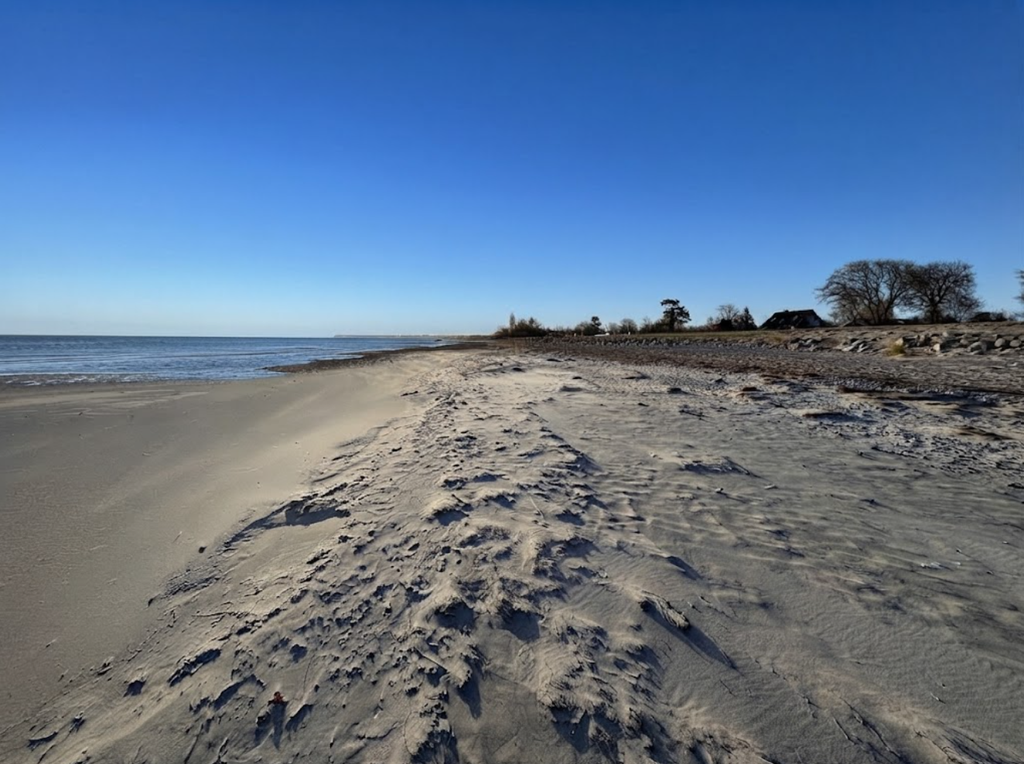
The peninsula of Ulvshale, literally “Wolf’s Tail,” was my base. Here, sandy Ulvshale Strand meets marshland, and the nearby island of Nyord offers a nature reserve of international importance. Nyord Enge Naturreservat is a haven for migratory birds, its wetlands alive with calls and wingbeats. The village of Nyord itself is tiny, with craft shops and Lolles Gard farm, but its charm lies in the surrounding silence. Staying in a thatched cottage among fields, I woke to hares darting across the grass and the sound of birdsong uninterrupted by traffic.
Stege: The Island’s Heart
Stege is Møn’s main town, a lively old market settlement with cobbled streets and yellow‑painted houses. Its harbour remains active, and its lanes are lined with boutiques, cafés, and murals. Bryghuset Møn, the town brewery, serves hearty burgers alongside locally brewed beer, while David’s Café offers lighter fare in airy surroundings.
Dining in Stege was memorable. At Slagter Stig, a butcher‑restaurant, meat is prepared on the spot, with exotic options like zebra and crocodile alongside Danish classics. It was a meal that felt both adventurous and rooted in tradition. Stege’s atmosphere blends history with modern creativity, making it a natural hub for exploring the island.
Bogø and the Farø Bridge
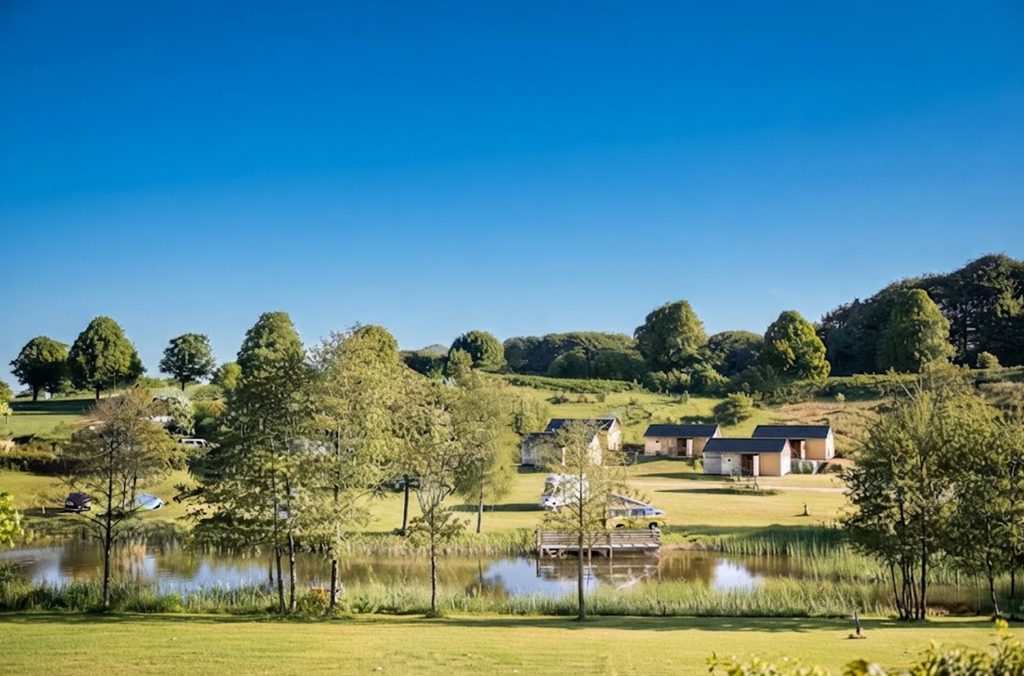
West of Møn lies Bogø, a small island that serves as a stepping stone to Farø and Zealand. Bogø is best known for its windsurfing and kitesurfing scene near the Farø bridge. In summer months, surfers are asked to respect bird protection zones, leaving northern waters free for nesting. Watching the surfers perform tricks against the backdrop of the bridge was inspiring, and for photographers, it was a perfect subject.
Fanefjord Skov: Beech Woods by the Sea
Fanefjord Skov is one of Møn’s natural highlights. Beech trees grow right down to the shoreline, their trunks rising tall and straight, their leaves filtering sunlight into shifting patterns. In late spring, the forest floor glows green, and the sound of Baltic waves mingles with birdsong. Walking here felt like stepping into a secluded world. The paths were quiet, almost deserted, and the sense of solitude was profound. Children delighted in spotting giant slugs along the paths, creatures that seemed to have no destination but added a touch of mystery to the walk.
Møns Klint: Denmark’s White Cliffs
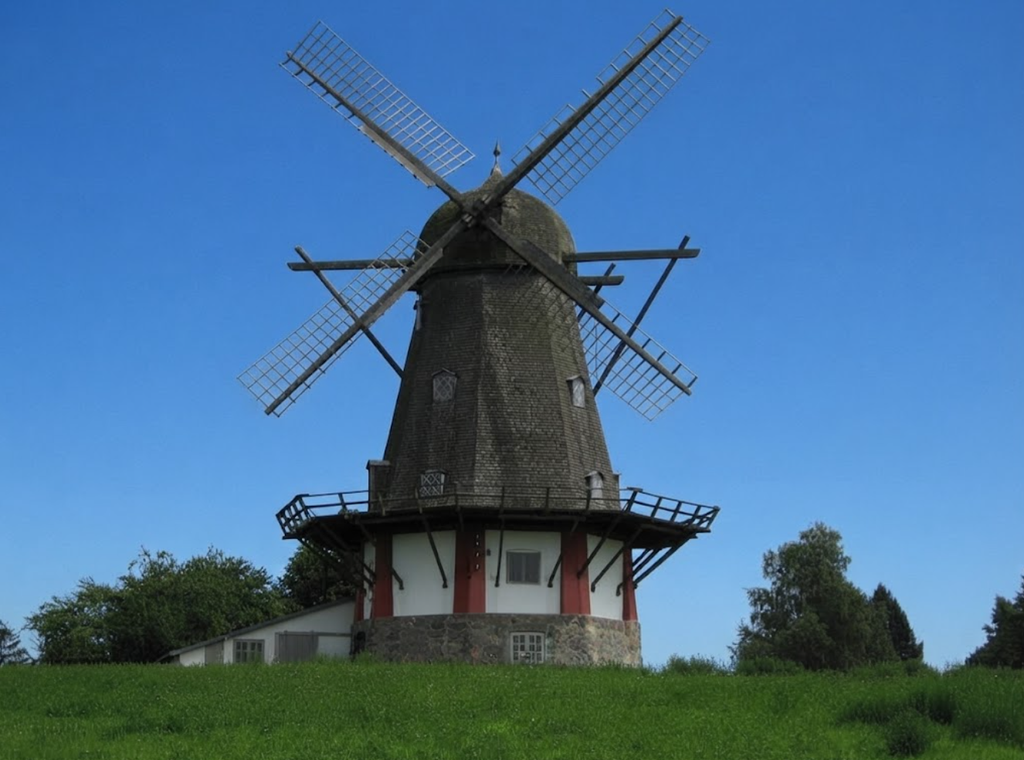
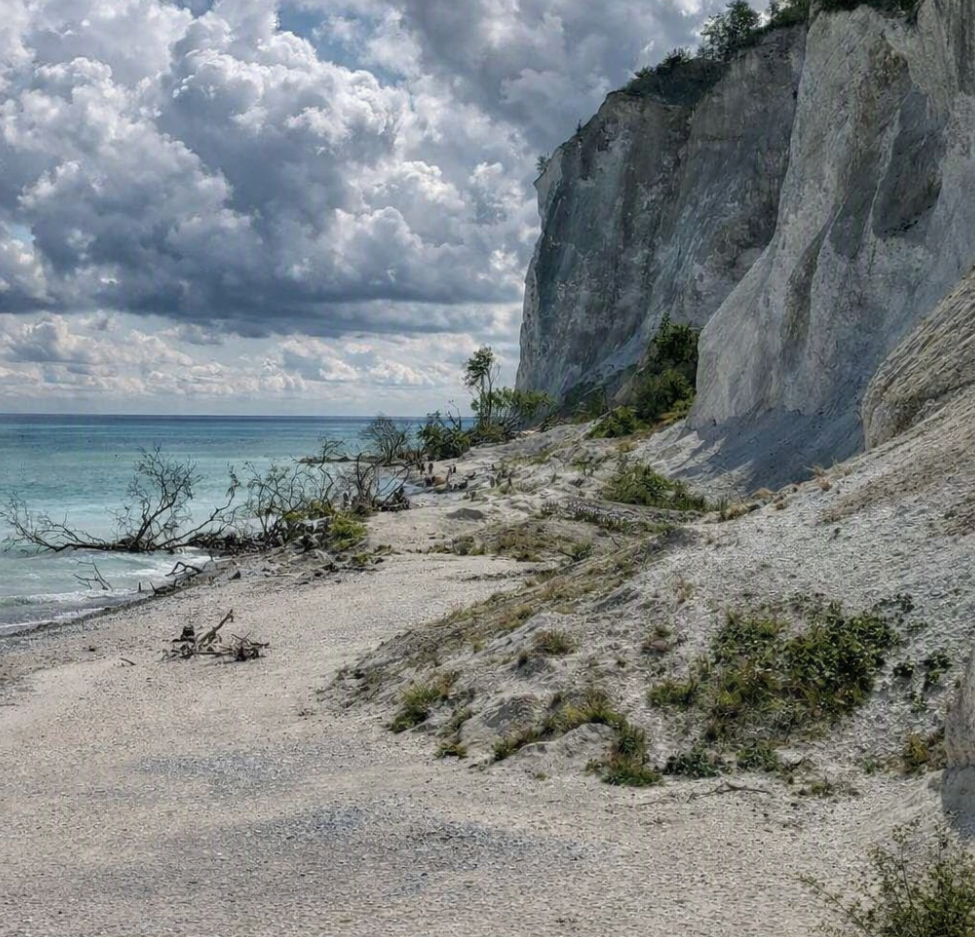
On the eastern coast of Møn Island lies Møns Klint, a six‑kilometer stretch of chalk cliffs rising 128 meters above the Baltic Sea. Their striking white faces against turquoise waters make them one of Denmark’s most extraordinary natural landmarks. The journey itself is part of the allure: from Copenhagen, a two‑hour drive leads through rural lanes and forest canopies that thin to reveal glimpses of the sea.
The cliffs are crowned with beech woods, glowing fresh green in spring. Trails along the edge offer ever‑changing compositions of pale chalk, deep forest, and endless blue. Visitors pause at lookouts to capture the painterly contrasts, especially vivid when foliage is young.
Møns Klint is also a haven for peregrine falcons. Each spring, chicks hatch and fledge by early summer. Ornithologists have documented nests with multiple fledglings, underscoring the cliffs’ ecological importance as one of Denmark’s rare raptor habitats.
At the heart of the cliffs, the GeoCenter museum explains their formation 70 million years ago during the Late Cretaceous, later sculpted by glaciers. Admission is 155 DKK, with online discounts. The center organizes fossil hunts where visitors search for prehistoric shells and plants along the shoreline. Even unguided walks reveal treasures embedded in chalk and flint.
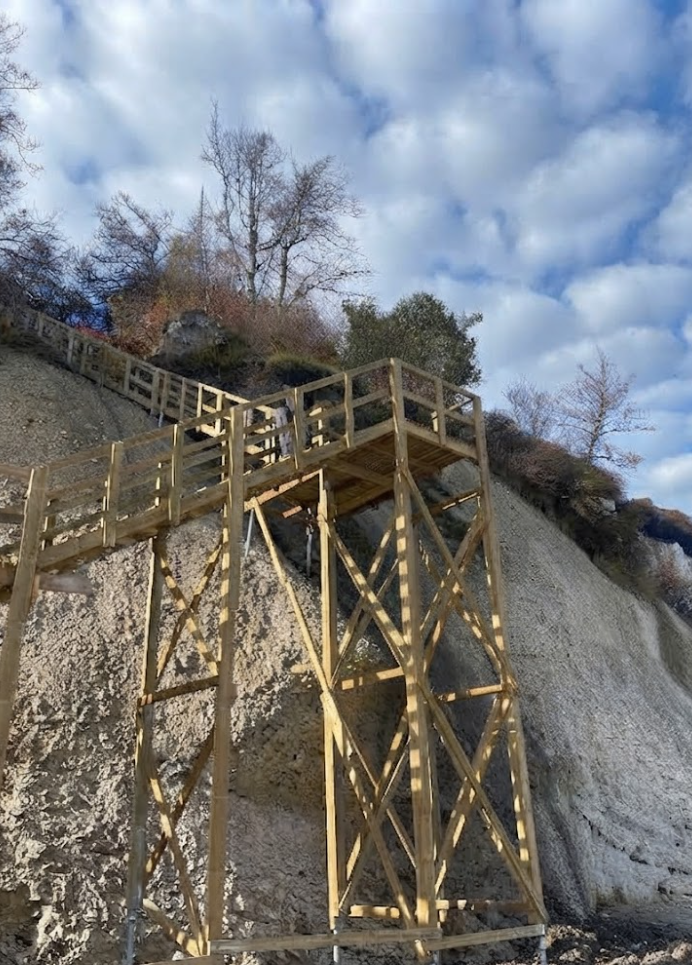
Seven marked trails weave through forest and cliff edge. The Maglevand–Gråryg loop is especially rewarding: Maglevandstrappen: Denmark’s longest staircase, 497 steps descending through woodland to the beach. Beach Walk: Firm chalk and limestone terrain, occasionally submerged at high tide. Grårygtrappen: 468 steps ascending back to the cliff top, offering sweeping views.
Formed from microscopic marine organisms, the cliffs were shaped by Ice Age glaciers. Erosion continues to alter them, with landslides reshaping viewpoints. Unlike Ireland’s Cliffs of Moher, Møns Klint feels more intimate, softened by forest yet equally dramatic.
Other Danish cliffs, such as Bovbjerg and Rubjerg Knude, lack the stark chalk‑turquoise contrast. Møns Klint is Denmark’s first biosphere reserve and remains on the tentative list for full World Heritage recognition.
Reaching Møns Klint often forms part of a broader Denmark road trip. Routes from Germany pass through Jutland, Funen, and Zealand, with stops at castles and Viking fortresses. Nyborg Castle and Trelleborg Fortress enrich the journey, weaving culture and geology together.
The cliffs transform with the seasons: spring brings vibrant contrasts, summer long clear days, autumn golden forests, and winter austere beauty with icy seas. Each season offers a distinct experience worth revisiting.
Distance from Copenhagen: 140 km, about two hours. GeoCenter hours: 10 AM–6 PM in high season. Tickets: 155 DKK per adult, online discounts available. Fossil hunts: 25 DKK guided. Trails: Seven marked routes. Staircases: Maglevandstrappen (497 steps), Grårygtrappen (468 steps).
Møns Klint blends natural beauty, geological history, and cultural depth. Its cliffs are both intimate and immense, enriched by wildlife, fossils, and trails. For travelers seeking a fusion of nature and history, it stands as one of Denmark’s most compelling destinations.
A Family Island
Traveling with children, Møn proved welcoming. The forests became playgrounds, the cliffs adventures, and the beaches places to explore. Museums in Stege, such as Møns Museum and the quirky Thorsvang Collector Museum, offered cultural diversions. The island’s scale made it manageable, yet its variety kept each day fresh.
Practical Notes
- Access: Møn is reachable by car via bridges from Zealand and Bogø. No ferry is required.
- Accommodation: Thatched cottages and farm stays provide rustic charm.
- Dining: From local breweries to adventurous butchers, food is varied and memorable.
- Activities: Hiking, birdwatching, surfing, and exploring coastal villages.
- Best Season: Late spring and summer bring mild weather and open attractions.
Møn is more than its famous cliffs. It is an island of contrasts: forests that meet the sea, towns alive with cafés and craft shops, and coastlines that inspire both adventure and reflection. Just ninety minutes from Copenhagen, it feels timeless, a place where nature and community intertwine.
For anyone seeking a long weekend escape, Møn offers depth, beauty, and adventure. Whether wandering Stege’s streets, descending the steps of Møns Klint, or walking quietly through Fanefjord Skov, the island leaves an impression that lingers long after departure.