
A Sweet Introduction
There are desserts that delight, and then there are desserts that define a place. Nanaimo bars belong firmly in the latter category. With their chocolate‑coconut base, custard‑flavored icing, and glossy chocolate top, they are more than a treat: they are a cultural emblem.
To bite into one is to taste Canada’s West Coast, to feel the nostalgia of kitchens warmed by butter and cocoa, and to recognize the ingenuity of a no‑bake recipe that has endured for generations.
The City Behind the Name
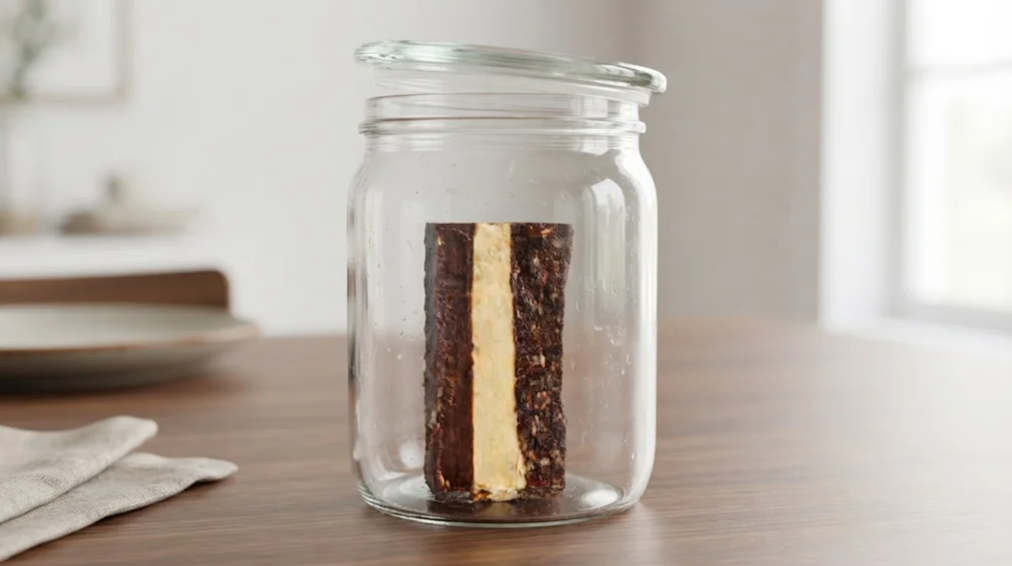
The bars take their name from Nanaimo, British Columbia, a harbor city on Vancouver Island. In the 1950s, recipes for layered squares began appearing in community cookbooks, and soon the bars were associated with Nanaimo itself. Their fame spread across Canada, cemented by Expo ’86 in Vancouver, where the dessert was showcased to the world.
Today, Nanaimo bars are inseparable from the city’s identity, a culinary landmark as recognizable as the harborfront itself.
Layers of Debate
Like many beloved foods, Nanaimo bars inspire passionate debate. Some insist the base should be thick and nutty, others argue for a generous custard layer. In 2019, when Canada Post issued a stamp featuring the dessert, the proportions depicted sparked national conversation.
Was the filling too thick? Would the crust hold? Canadians weighed in with humor and seriousness alike, proving that these bars are not just sweets but symbols of taste, tradition, and pride.
Crafting the Base
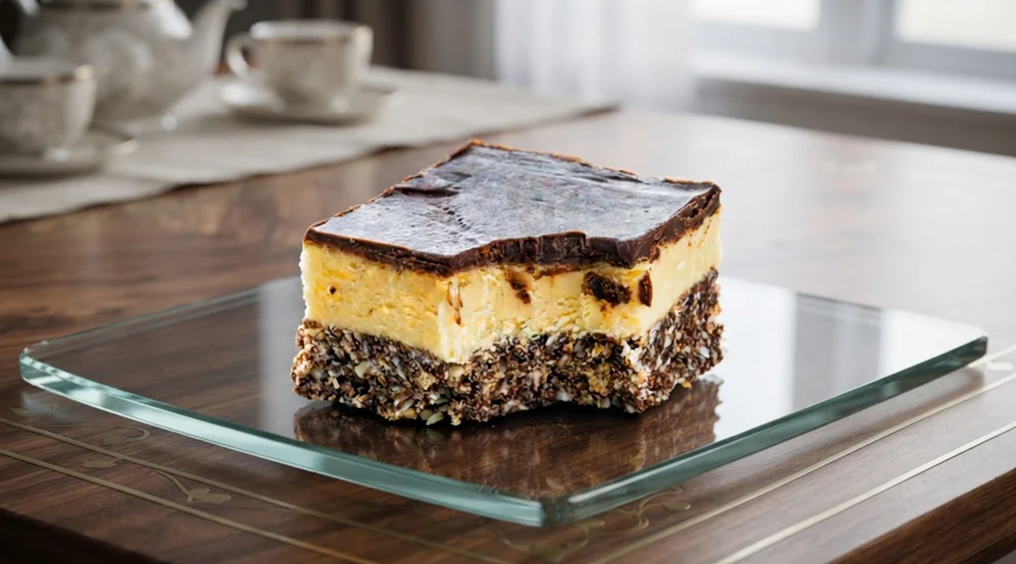
The bottom layer is the anchor. Graham cracker crumbs, shredded coconut, and walnuts are pulsed together, then bound with butter, sugar, cocoa, and a cooked egg. This mixture, pressed firmly into a pan, creates a crust that is both sturdy and flavorful. The coconut lends sweetness, the nuts add depth, and the cocoa ensures richness.
Unlike baked crusts, this one sets in the fridge, its no‑bake nature part of the bar’s charm.
The Custard Icing
The middle layer is what distinguishes Nanaimo bars from other squares. Made with Bird’s custard powder, powdered sugar, butter, milk, and vanilla, it is a frosting with a custard‑like flavor. The powder, a staple in Canadian pantries, gives the icing its signature taste.
Smooth, sweet, and creamy, it balances the crunch of the base and prepares the palate for the chocolate above. For many, the custard layer is the heart of the bar — the reason it is instantly recognizable.
The Chocolate Crown
The top layer must be dark enough to temper the sweetness below. Semisweet or bittersweet chocolate is melted and spread thinly over the custard, then chilled until firm. This glossy finish is both elegant and practical, sealing the bar and providing a satisfying snap when cut. The chocolate is the final note, the punctuation mark that completes the sentence of flavor.
Traditions of Cutting and Serving
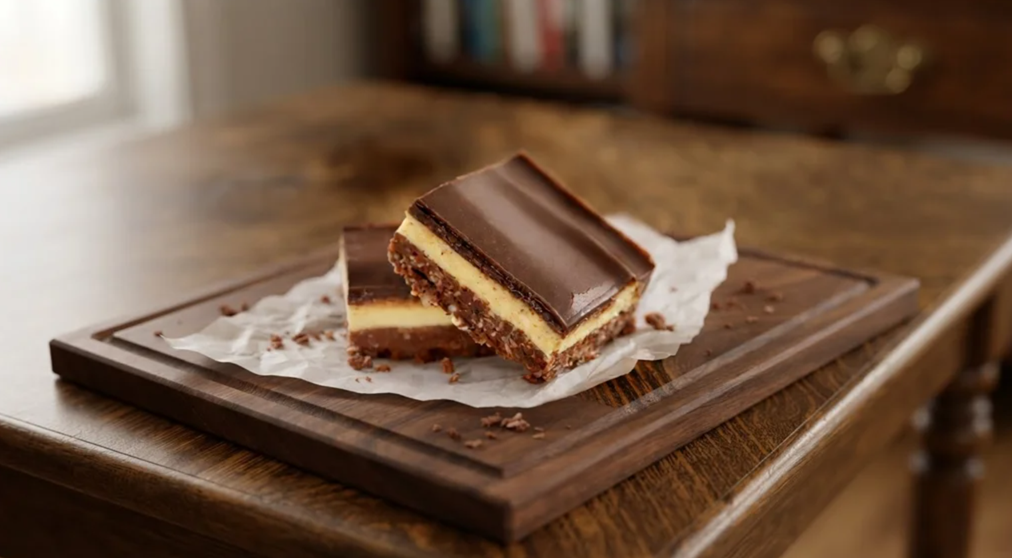
Presentation matters. A hot knife, run under water and dried, slices cleanly through the chilled layers. Each square reveals its tri‑color composition: brown, yellow, and dark brown. Served cold, the bars hold their shape, their textures distinct. Straight from the fridge, they are firm and refreshing; left at room temperature, they soften into indulgence. Either way, they are irresistible.
Nanaimo bars are practical as well as delicious. They keep for days in the refrigerator, making them ideal for holidays and gatherings. Wrapped carefully, they freeze beautifully, ready to be thawed for unexpected guests or sudden cravings. Their durability mirrors their cultural endurance: a dessert that has lasted decades, adaptable yet constant.
Across Borders
Though quintessentially Canadian, Nanaimo bars have crossed borders. In Seattle and other Pacific Northwest cities, bakeries sometimes offer them, a nod to the proximity of British Columbia. Travelers who cross the border often seek them out, indulging in a taste of Canada that feels both familiar and exotic. For expatriates, they are a taste of home, a reminder of childhood and community.
While Nanaimo bars can be enjoyed year‑round, they often appear at end year holidays, and summer picnics. Their coconut base makes them particularly suited to springtime, when coconut desserts abound. In summer, their no‑bake nature is a blessing, sparing cooks from hot ovens. In winter, they join trays of holiday squares, their layered elegance standing out among simpler cookies.
Variations and Creativity
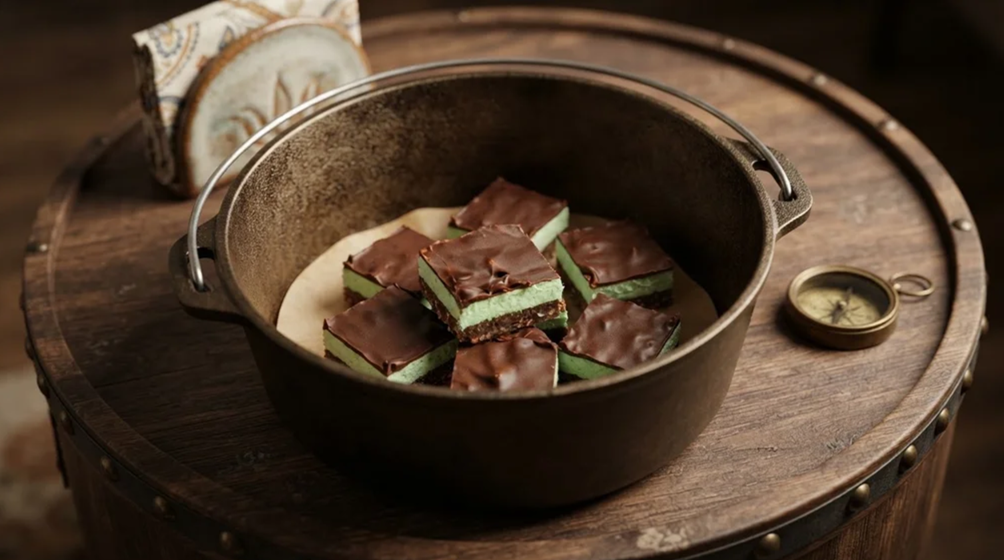
Though the classic recipe is revered, variations abound. Some swap walnuts for almonds or pecans. Others flavor the custard layer with mint or mocha. Gluten‑free versions use alternative crumbs, vegan versions replace butter and milk. Each adaptation reflects creativity, yet the essence remains: three layers, no baking, a balance of textures and flavors.
Nanaimo bars are more than food; they are cultural shorthand. Mention them, and Canadians smile knowingly. They represent community cookbooks, family kitchens, and national pride. They are part of the culinary canon alongside butter tarts, Saskatoon berry pie, and blueberry grunt. They are humble yet iconic, simple yet sophisticated.
Personal Memories
For many, Nanaimo bars are tied to childhood. Grandmothers making them in home kitchens, bakeries displaying them in glass cases, restaurants offering them as indulgent desserts. They are part of the fabric of Canadian life, appearing at potlucks, school events, and family gatherings. Each bite carries nostalgia, a reminder of simpler times and shared traditions.
Part of the bar’s appeal lies in its contrasts. Crunchy base, creamy middle, firm top. Sweet custard, bitter chocolate. Homemade simplicity, cultural symbolism. These contrasts make the bar satisfying, complex, and memorable. They are not just squares; they are layered experiences.
The No‑Bake Revolution
In an era when convenience matters, Nanaimo bars stand out as pioneers of no‑bake desserts. They prove that indulgence does not require ovens, that flavor can be achieved with chilling rather than baking. Their method reflects ingenuity, a practical approach that has become timeless.
Though rooted in Canada, Nanaimo bars have intrigued international audiences. Recipes appear in cookbooks abroad, food bloggers share them worldwide. They are part of Canada’s culinary export, alongside poutine and maple syrup. They represent Canadian creativity, hospitality, and sweetness.
Conclusion: A Taste of Canada
Nanaimo bars are more than three layers. They are history, debate, memory, and identity. They are a dessert that has endured, adapted, and thrived. To eat one is to taste Canada itself: rich, sweet, layered, and comforting. Whether enjoyed in Nanaimo, Vancouver, Toronto, or abroad, they remain a symbol of home.