
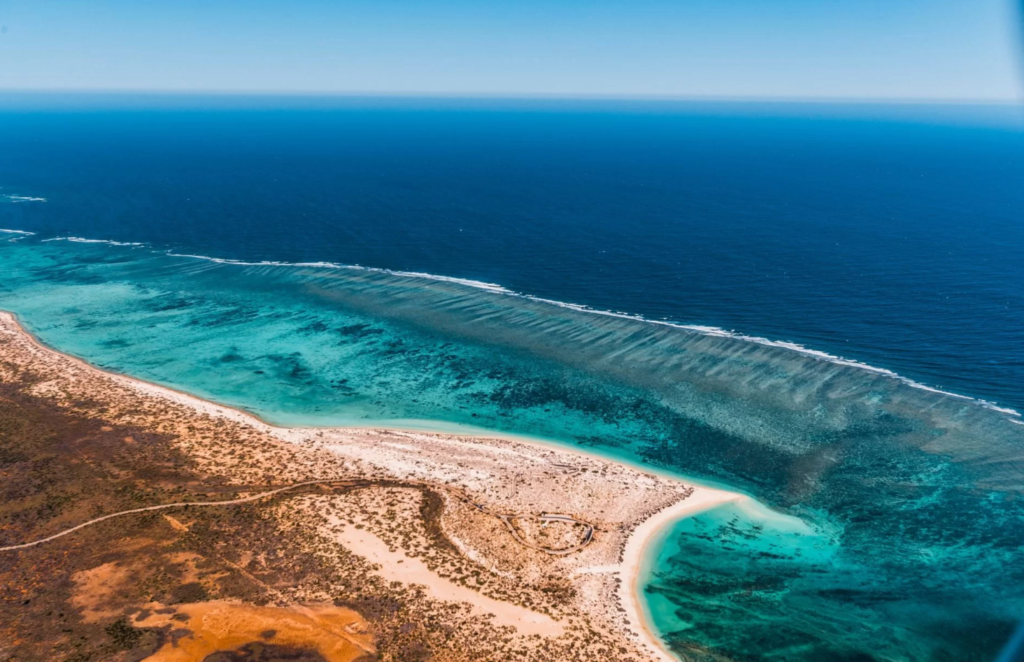
A Living Tapestry of Colour and Wonder
Stretching for more than 230 kilometres along Western Australia’s coast, Ningaloo Reef is one of the largest fringing coral reefs in the world and a UNESCO World Heritage treasure. Unlike many reefs that require a boat ride to reach, Ningaloo is astonishingly accessible — you can simply step off the beach and find yourself immersed in a kaleidoscope of coral gardens and marine life. It is a place where the ocean feels alive in every direction, a sanctuary that remains raw, unspoilt, and endlessly captivating.
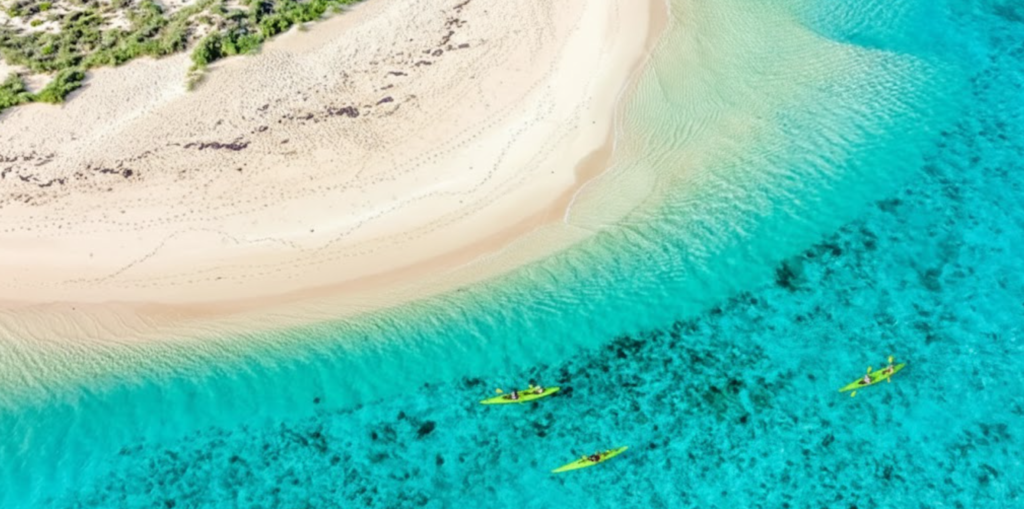
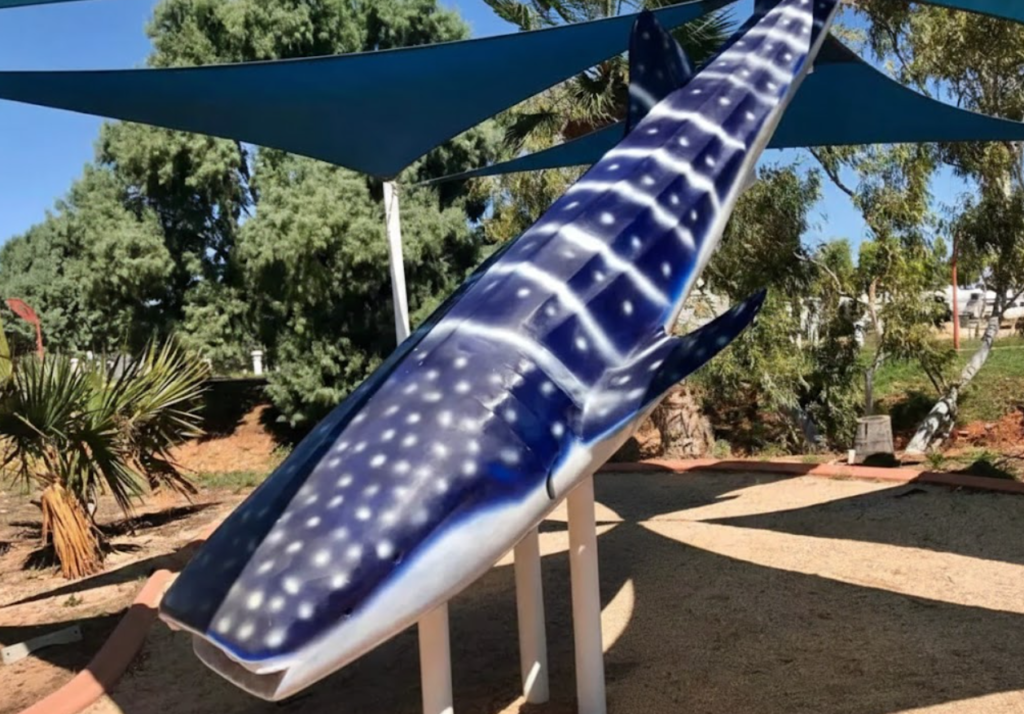
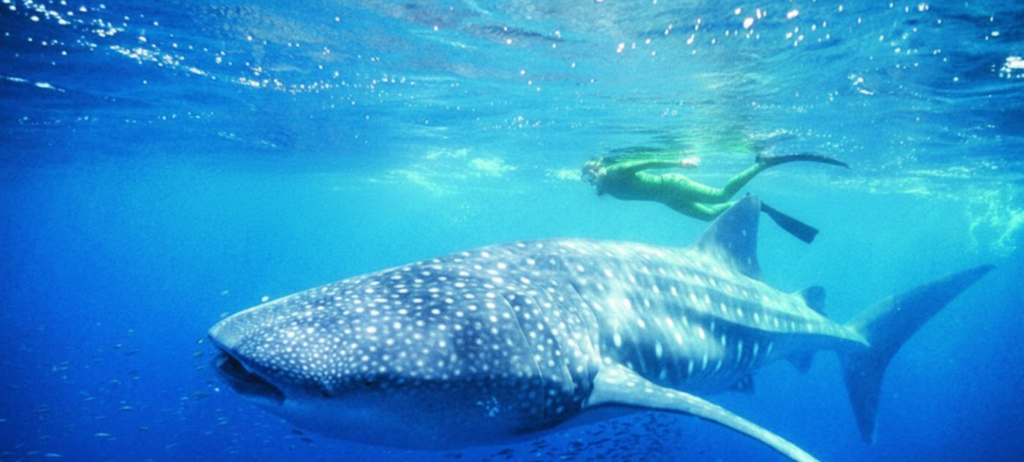
At the southern gateway lies Carnarvon, a charming coastal town where the pace slows and the reef begins to reveal itself. Stroll along The Fascine, a picturesque bayfront, or join local operators for snorkelling and diving tours that open up the southern reaches of Ningaloo. Further north, Coral Bay offers encounters with Western Australia’s largest manta ray population, their graceful wings sweeping through the water. Between March and June, whale sharks arrive, gentle giants that transform the ocean into a theatre of awe. By July, humpback whales begin their migration, and Coral Bay becomes a stage for whale watching tours that leave visitors spellbound.
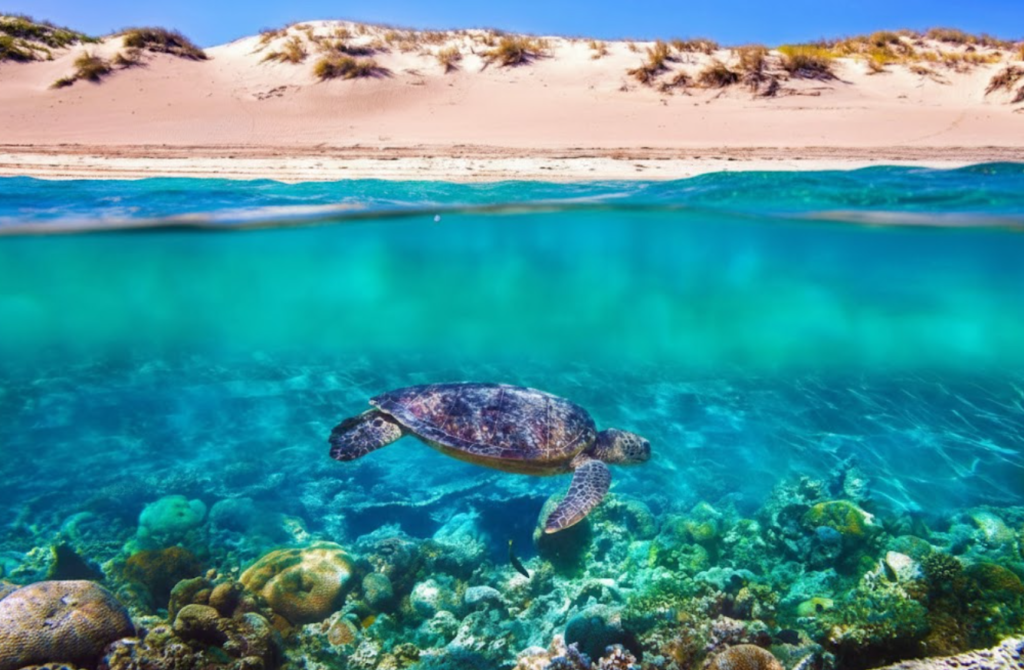
Exmouth, at the northern end, is the beating heart of Ningaloo. Here, Cape Range National Park meets the reef, creating a landscape where rugged cliffs tumble into turquoise seas. Snorkellers drift through Turquoise Bay, carried by currents over coral gardens alive with colour, while divers explore deeper realms where turtles, rays, and reef sharks glide. Exmouth is also the place to swim with whale sharks and humpback whales, encounters that feel both humbling and exhilarating.
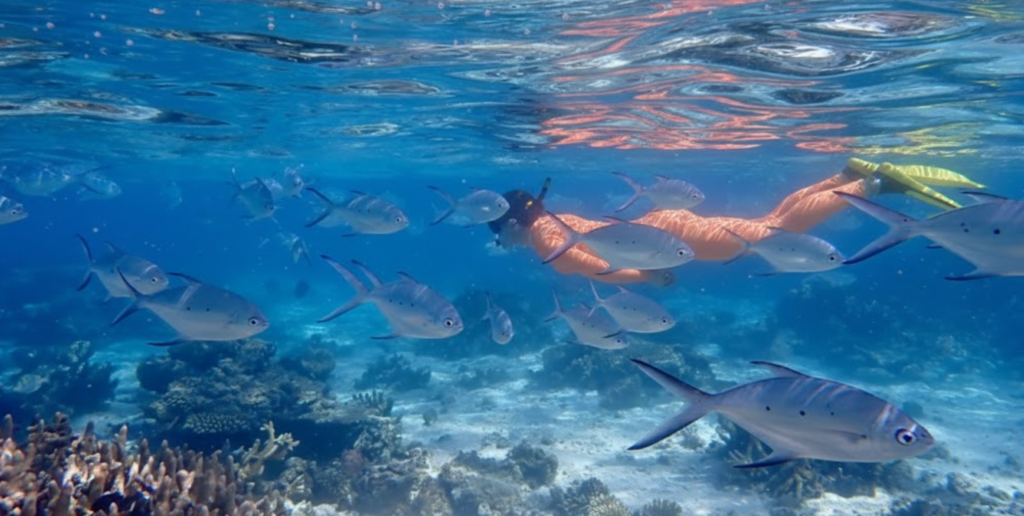
The reef changes with the seasons, each offering its own magic. From March to July, whale sharks and humpbacks dominate the waters, making it the most celebrated time to visit. August to October brings quieter days, with coral gardens thriving and fewer crowds. November to February is the season of warmth, when manta rays, dolphins, and turtles are most active, and the water invites long, languid swims.
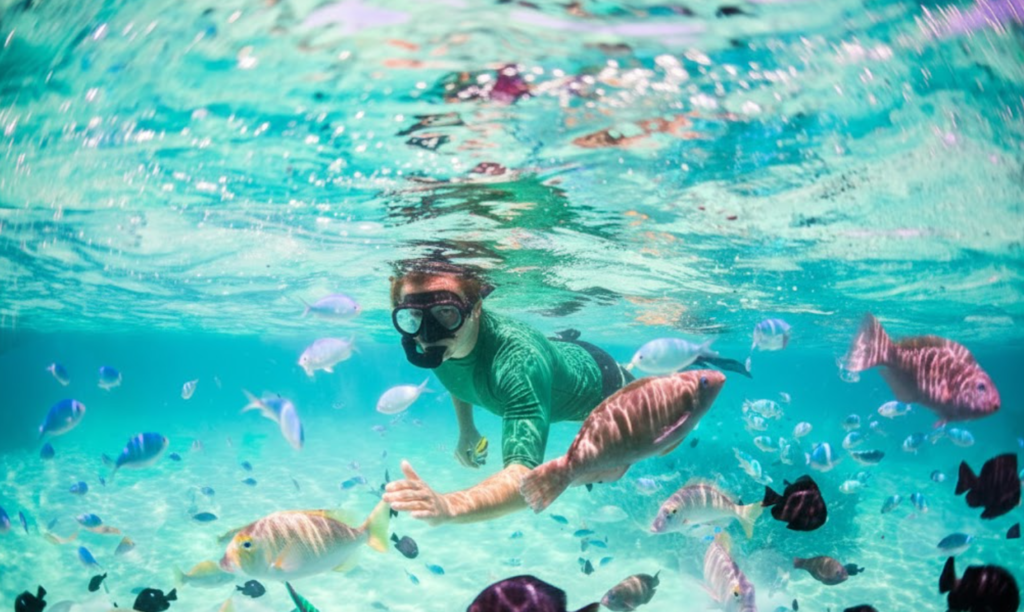
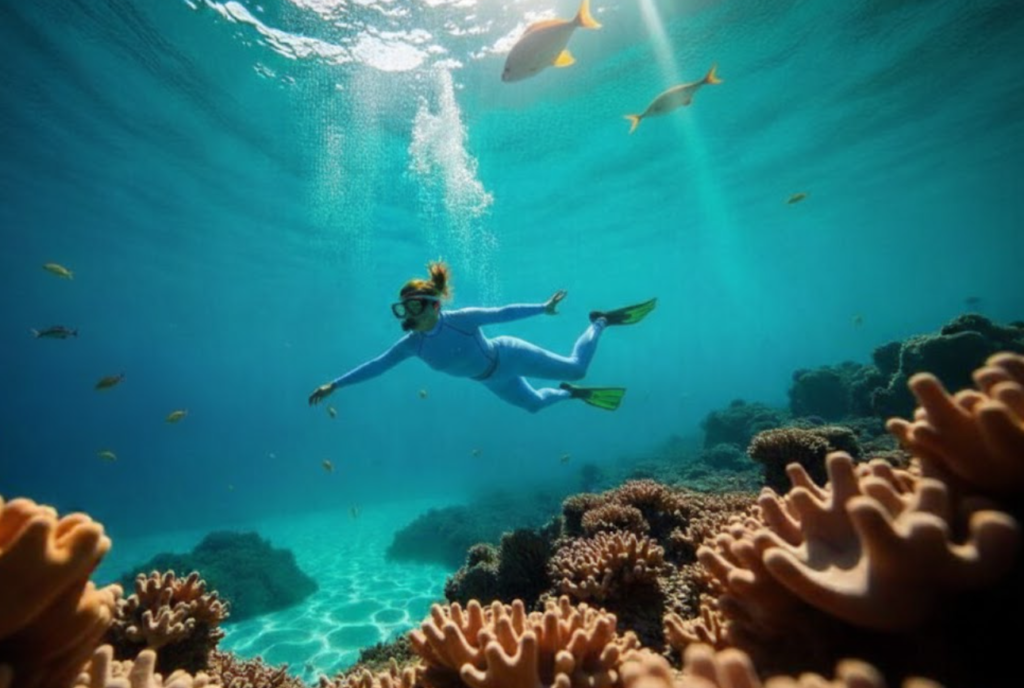
Snorkelling is the soul of Ningaloo, with sites like Turquoise Bay and Bill’s Bay offering easy access to coral gardens just metres from shore. Oyster Stacks, however, is a reminder of how delicate this ecosystem is — the coral lies close to the surface, and snorkelling is only suitable at high tide. Arriving at sunrise, when the water is calm and the light soft, reveals a world of colour just beneath the waves. Osprey Bay is another treasure, where turtles glide gracefully through the shallows, a sight that feels timeless and unforgettable.
Between October and January, turtles nest on the beaches of the Ningaloo Marine Park, and from January to April, hatchlings emerge, racing towards the sea under the cover of moonlight. The Jurabi Turtle Centre, just 14 kilometres from Yardie Homestead, offers eco‑education tours from December to March, giving visitors the chance to learn about these threatened species and witness their fragile journey. Standing on the sand as hatchlings scatter towards the waves is a moment that stays with you, a reminder of both the vulnerability and resilience of life on the reef.
Life here is delicate, and conservation is essential. Sunscreens must be reef‑safe, corals must never be touched, and wildlife must be respected from a distance. Ningaloo remains pristine compared to other reefs, but its growing popularity means every visitor carries the responsibility of protecting it.
Travelling from Perth, the journey can be broken up with stays in coastal towns, each offering its own slice of Western Australia’s beauty. By the time you arrive, the reef feels like a reward — a living tapestry of colour, movement, and wonder. Ningaloo is not just a destination; it is an immersion into one of the planet’s most extraordinary ecosystems, a reminder of how vibrant and fragile our oceans truly are.