The Pancake That Refuses to Be Ordinary
Pannenkoeken are not simply pancakes. They are a statement, a cultural artifact, a dish that insists on being larger than life. Ten inches across, crisp at the edges, soft at the center, they occupy a space between the stacked fluff of American breakfasts and the delicate folds of French crêpes.
They are neither one nor the other, but something uniquely Dutch — expansive, generous, and endlessly adaptable. Sweet versions lean toward apples or raisins, sometimes paired with Gouda, dusted with powdered sugar, and finished with stroop, that dark, sticky syrup richer than molasses, stranger than corn syrup, unforgettable in its depth.
Savory renditions are equally bold: ham and Gouda fried until the edges curl, then lacquered with stroop, a sweet‑salty alchemy that feels almost illicit.
Family Origins: A Tradition Carried Across Oceans
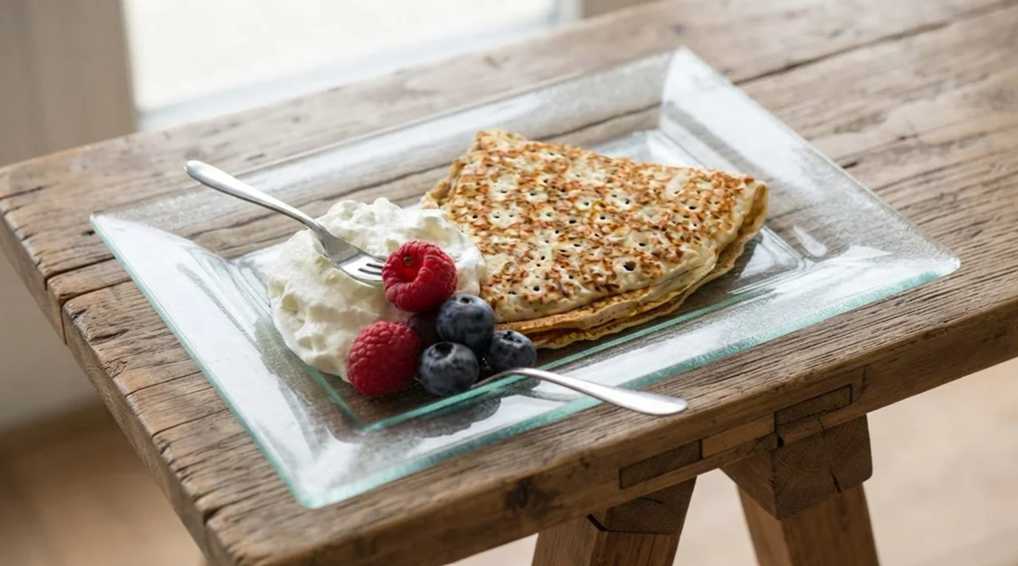
For some, pannenkoeken are not just food but inheritance. The story began in the 1980s, when a family lived in the Netherlands. Recipes passed from neighbors became heirlooms, carried back across the Atlantic, folded into morning tradition. A grandfather was the keeper of the tradition — waking early, butter sizzling, batter poured into the largest pan he could find.
The flip was always the drama: a moment of suspense, a gasp, then triumph nine times out of ten. The smell of cheese melting into the pancake became the soundtrack of childhood. These were mornings of anticipation, cousins gathered around the kitchen table, the air thick with butter and nostalgia.
The Anatomy of a Dutch Pancake
The making is deceptively simple: flour, eggs, milk, sugar, salt, a whisper of baking soda, measured in metric as tradition demands. Butter is non‑negotiable. The pan must be vast, the batter poured just thick enough to hold its shape. Then comes the flip — the leviathan turned with a flick of the wrist, a feat that separates amateurs from masters.
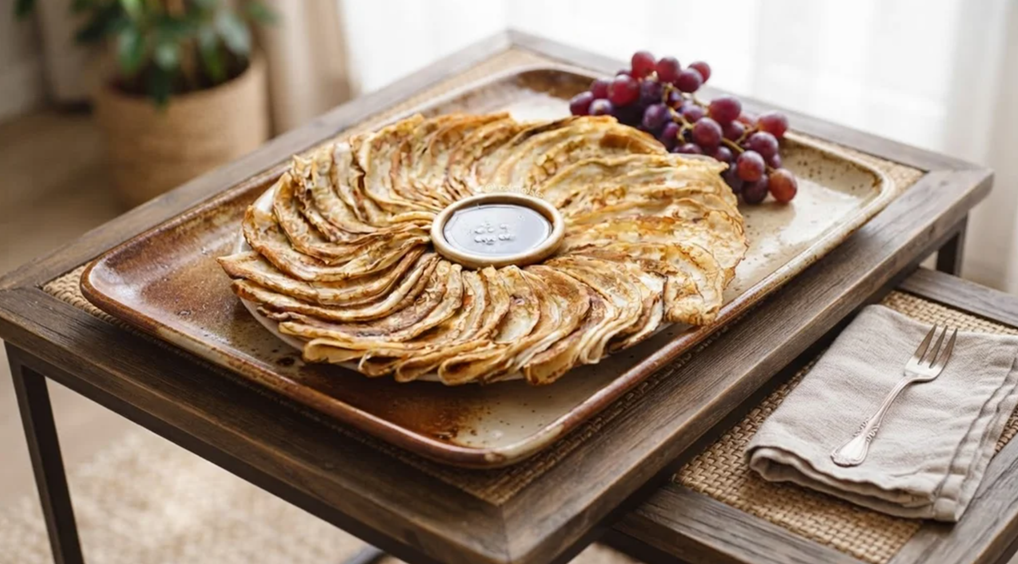
Gouda is the finishing note, creamy and faintly funky, the cheese that defines Dutchness itself. Once plated — ideally on Delftware, though any oversized plate will do — the pancake is crowned with stroop. Original stroop is dark and elemental, apple stroop brighter, fruit‑laced, equally decadent. Either way, the syrup is the punctuation mark, the flourish that makes the dish whole.
Stroop: The Soul of the Pancake
Stroop is not just syrup. It is the soul of the pancake, the element that transforms flour and eggs into something transcendent. Original stroop is sticky, sweet, and dense, a flavor that lingers. Apple stroop, adds brightness, a fruity counterpoint to the richness of cheese. Together, they create balance — sweet against savory, indulgence against restraint.
The Tradition of Eating
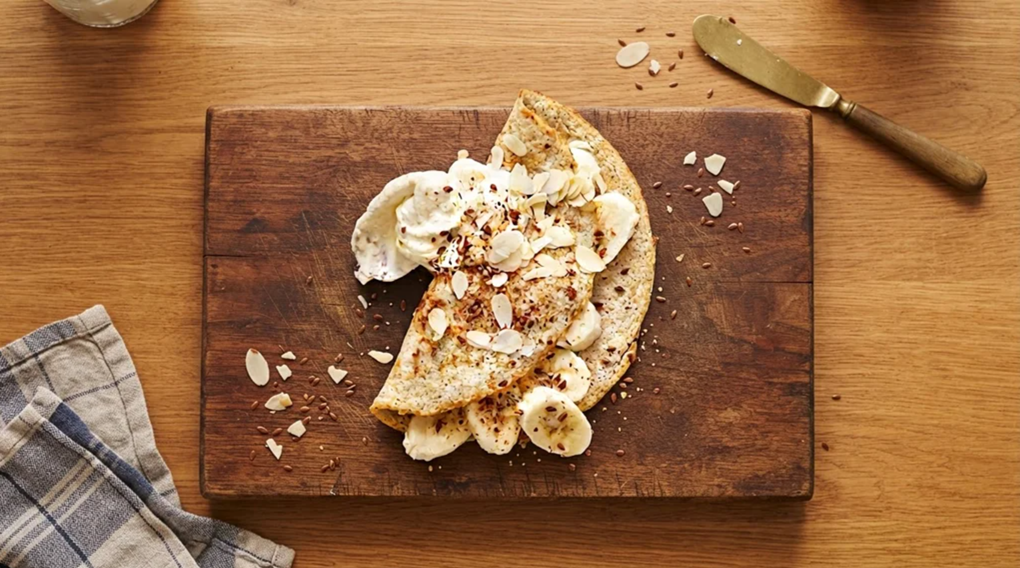
Eating pannenkoeken is tradition. They are often rolled, eaten by hand, shared across the table. In the Netherlands, they are dinner as often as breakfast, a meal that resists categorization. Sweet or savory, or both at once, they invite creativity. Cheese, apples and raisins, spinach and goat cheese — the possibilities are endless.
Pannenkoeken are more than food; they are cultural identity. They represent Dutch generosity, adaptability, and tradition. They are communal, shared, eaten together. They are versatile, sweet or savory, breakfast or dinner. They are history, stretching back centuries, yet modern, reinvented in Amsterdam cafés.
Every country has its pancake, its own interpretation of flour and eggs. America stacks them high, France folds them thin, Germany shreds them, Austria sweetens them, the Dutch spread them wide. Each is a reflection of culture, of appetite, of tradition. Together, they form a global family, each unique, each essential.
Why Pannenkoeken Endure
Pannenkoeken endure because they are adaptable, communal, nostalgic. They are simple to make, yet endlessly variable. They are tied to memory, to tradition, to culture. They are indulgent yet restrained, sweet yet savory, familiar yet surprising. They are the best pancake in the world, not because they are perfect, but because they are ours.