
For travelers arriving at Toronto Pearson International Airport, the cheapest way to reach the city centre is by using the Toronto Transit Commission (TTC) bus and subway system. This option combines the 900 Airport Express bus with Line 2 of the subway, delivering passengers into downtown Toronto for a single fare of C$3.30.
While the journey takes longer than the Union Pearson Express or taxis, it remains the most budget‑friendly choice, particularly for those carrying light luggage and willing to navigate transfers.
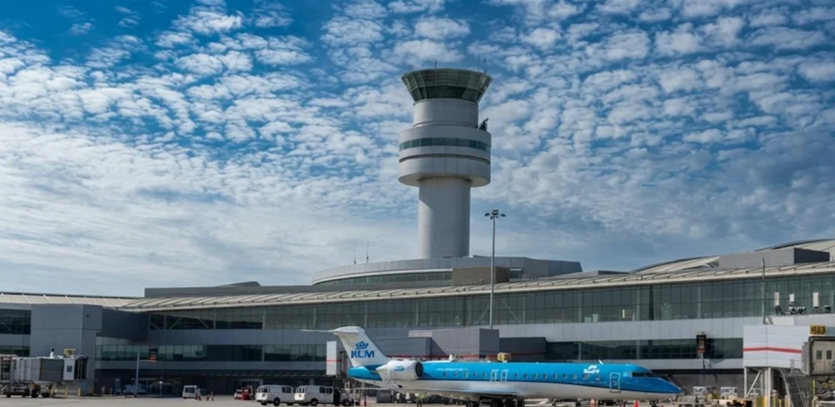
The Route from Pearson
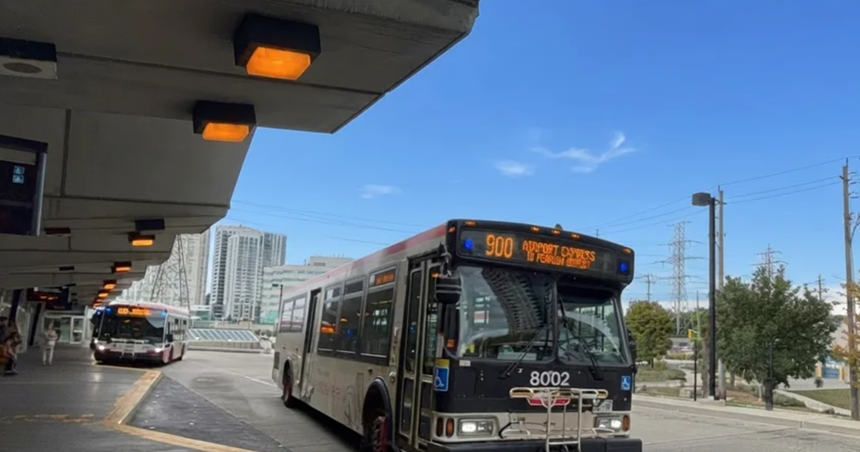
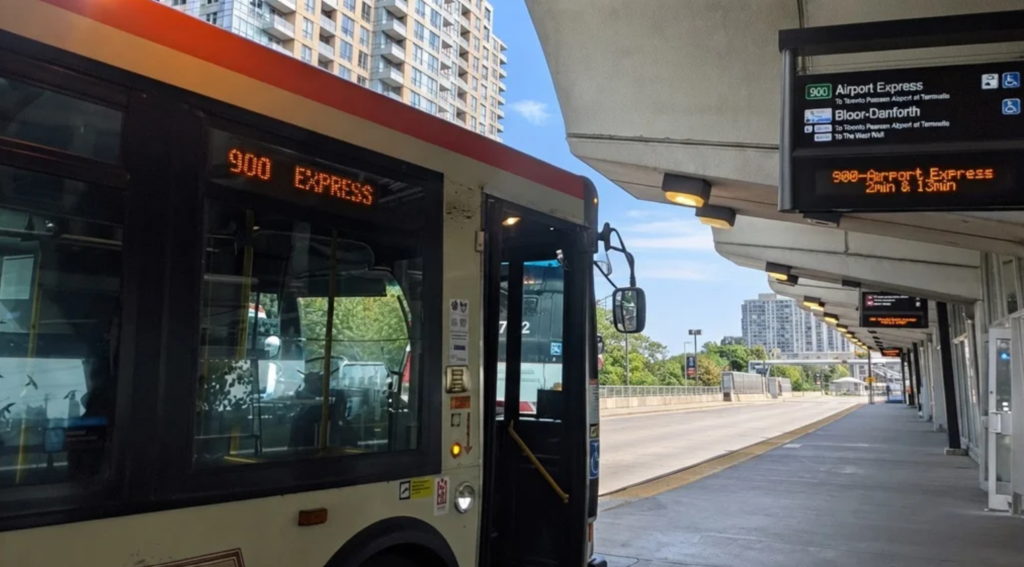
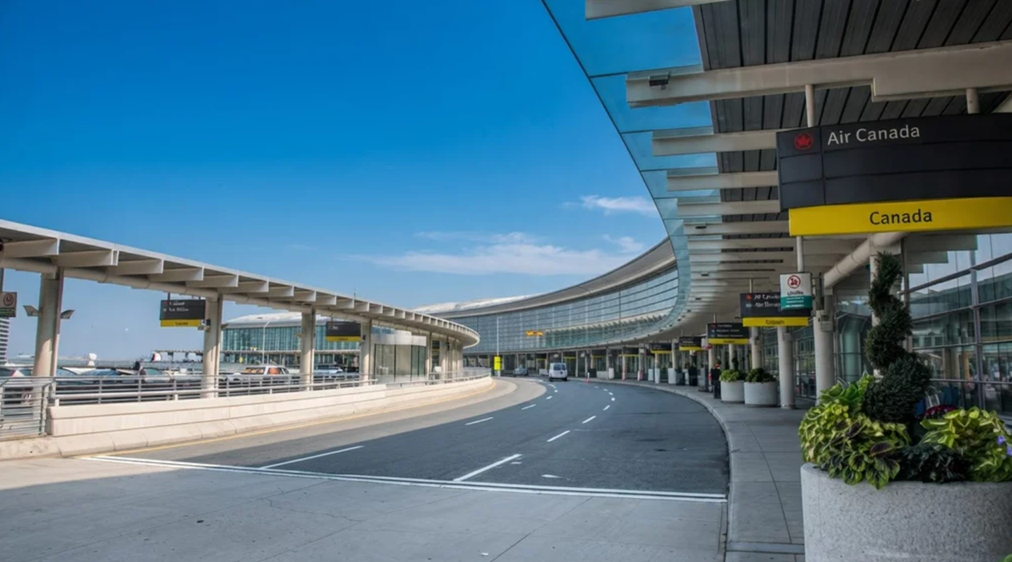
The journey begins at Pearson Airport, where passengers board the TTC 900 Airport Express bus. This service runs frequently, connecting the airport directly to Kipling Station, the western terminus of Line 2 on Toronto’s subway system. From Kipling, travelers transfer to the subway and ride eastward into downtown.
The route is straightforward, but it requires familiarity with Toronto’s transit network and a willingness to manage luggage through bus and subway transfers.
Cost and Fare System
The greatest advantage of this option is cost. A single TTC fare of C$3.30 covers both the bus and subway, including transfers. Payment can be made using a PRESTO card, cash, or tokens, though PRESTO is the most convenient. For budget travelers, this fare represents significant savings compared to the C$12.35 UP Express train or the C$50–65 taxi fare.
Families and groups benefit even more, as each passenger pays only the single fare, making the total cost far lower than other options.
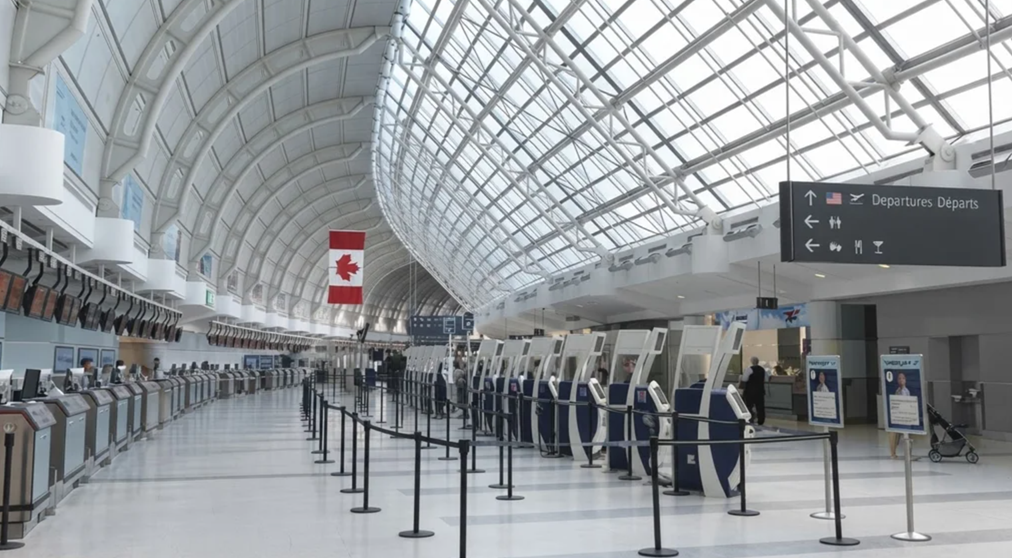
Travel Time and Reliability
The journey takes between sixty and seventy‑five minutes, depending on traffic conditions and subway frequency. The bus portion is subject to road congestion, particularly during peak hours, while the subway portion is generally reliable. Compared to the UP Express, which guarantees a twenty‑five‑minute trip, the TTC option is slower and less predictable. However, for travelers prioritizing savings over speed, the extra time is acceptable.
The 900 Airport Express Bus
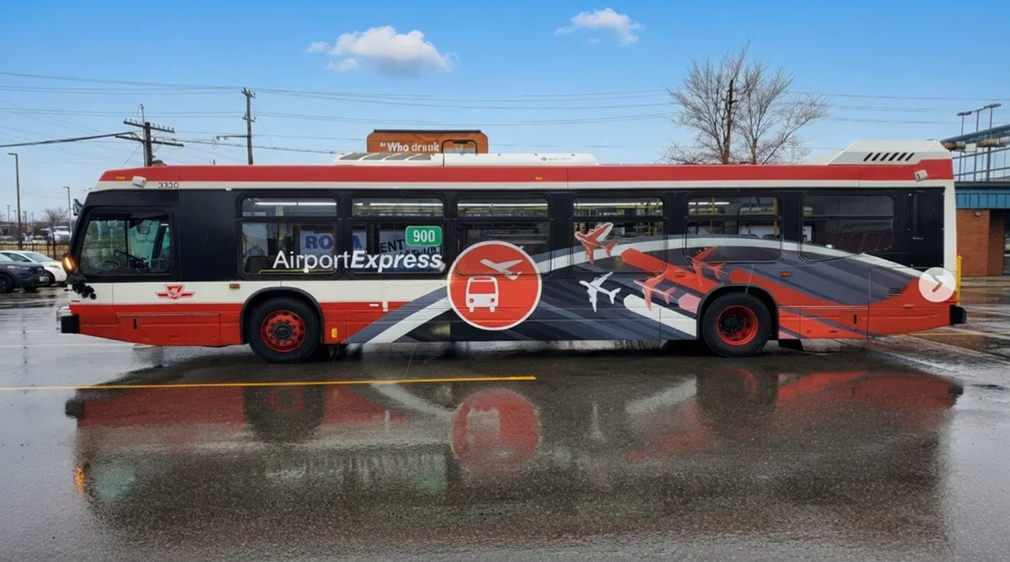
The 900 Airport Express bus is a dedicated service linking Pearson Airport to Kipling Station. Buses are modern, accessible, and equipped with luggage racks. They run frequently, ensuring that passengers rarely wait long. The ride from the airport to Kipling takes approximately twenty to thirty minutes, depending on traffic.
For many travelers, this bus is their first introduction to Toronto’s public transit system, offering a glimpse of suburban landscapes before reaching the subway.
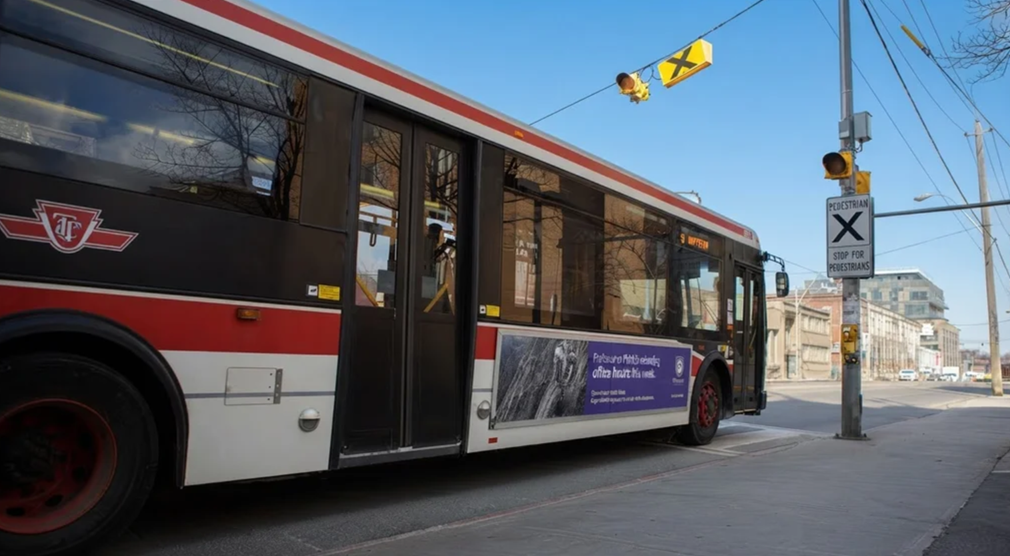
Kipling Station Transfer
At Kipling Station, passengers transfer from the bus to Line 2 of the subway. The station is well‑signed, and the transfer process is straightforward. PRESTO users simply tap again, while cash or token users must retain proof of payment. Kipling serves as the western gateway to the subway system, and from here, trains run eastward through Etobicoke, Bloor West Village, and into downtown Toronto.
Line 2 Subway Journey
The subway ride from Kipling to downtown takes approximately thirty to forty‑five minutes. Line 2 runs east‑west, connecting to Line 1 at St. George and Bloor‑Yonge stations. Passengers heading to the Financial District or Union Station must transfer to Line 1.
For those bound for other downtown destinations, Line 2 provides direct access to neighborhoods such as High Park, The Annex, and Yonge Street. The subway is frequent, with trains arriving every few minutes during peak hours.
Suitability for Travelers
This option is best suited for budget travelers, students, and those carrying light luggage. Navigating buses and subways with heavy bags can be cumbersome, particularly during rush hour when trains are crowded. Tourists familiar with urban transit systems often find the TTC option manageable, while those seeking simplicity may prefer taxis or the UP Express.
Advantages of the TTC Option
The primary advantage is cost. At C$3.30, the TTC bus and subway are significantly cheaper than all other options. The system is integrated, allowing passengers to transfer seamlessly between bus and subway. For those staying outside downtown, the TTC provides direct access to neighborhoods along Line 2. The service operates from early morning until late at night, covering most flight schedules.
Limitations and Challenges
The main limitation is travel time. At sixty to seventy‑five minutes, the journey is considerably longer than the UP Express or taxis. The bus portion is vulnerable to traffic delays, and the subway requires transfers for certain destinations. Luggage management can be difficult, especially during crowded periods.
For passengers arriving late at night, service frequency may be reduced, though the TTC generally maintains reliable coverage.
Practical Tips for Using the TTC
Travelers should use a PRESTO card for convenience and savings. PRESTO allows seamless transfers and eliminates the need for cash or tokens. Planning around peak hours can reduce crowding and delays. Passengers should be prepared to carry luggage through stations and onto trains.
For those unfamiliar with Toronto, consulting maps or mobile apps can simplify navigation.
Comparison with Other Options
Compared to the UP Express, the TTC option is slower but far cheaper. Compared to taxis and ride‑shares, it sacrifices convenience for affordability. Private transfers offer comfort but at a high cost. The TTC bus and subway remain the most economical choice, particularly for solo travelers and those comfortable with public transit.
The Experience of Arrival
For many travelers, using the TTC provides a more authentic introduction to Toronto. The journey passes through suburban neighborhoods, offering a glimpse of the city’s diversity before reaching downtown. The subway ride immerses passengers in the daily rhythm of Toronto residents, contrasting with the more isolated experience of taxis or private transfers.
Accessibility and Inclusivity
The TTC system is designed to be accessible, with buses and stations equipped for passengers with mobility needs. Elevators, ramps, and priority seating are available, though some older subway stations may have limited accessibility. The 900 Airport Express bus includes luggage racks and wide aisles, making it suitable for most travelers.
Environmental Impact
Using public transit reduces reliance on cars and taxis, lowering emissions and congestion. The TTC option aligns with Toronto’s sustainability goals, encouraging travelers to choose environmentally friendly transport. For eco‑conscious passengers, the bus and subway represent a responsible choice.
Conclusion
The TTC bus and subway option is the cheapest way to travel from Pearson Airport to downtown Toronto. At C$3.30, it offers unmatched affordability, though at the cost of longer travel times and the need to manage transfers. For budget travelers with light luggage, it remains the most practical choice.
While not as fast or convenient as other options, it provides a reliable, integrated, and environmentally friendly connection between the airport and the city centre.