
Among the choices for traveling from Pearson Airport into Toronto’s city centre, taxis and ride‑hailing services such as Uber and Lyft remain the most familiar. They offer door‑to‑door convenience, flexible pick‑up, and the ability to carry luggage without restriction.
Yet they also come with costs, both financial and temporal, that vary depending on traffic and demand.
The Taxi Experience
Taxis at Pearson Airport operate under regulated zone fares, ensuring that passengers pay a flat rate to downtown Toronto. The typical cost ranges between C$50 and C$65, depending on the destination within the city centre. This predictability is reassuring, especially for travelers unfamiliar with Toronto’s geography.
Payment is straightforward, with both cash and card widely accepted. Travel time varies considerably. In light traffic, the journey can take as little as twenty‑five minutes. During rush hour, however, congestion along Highway 427 and the Gardiner Expressway can extend the trip to forty‑five minutes or more.
For passengers arriving late at night or early in the morning, taxis are often the most reliable option, as they operate around the clock.
Taxi Pick‑Up Zones
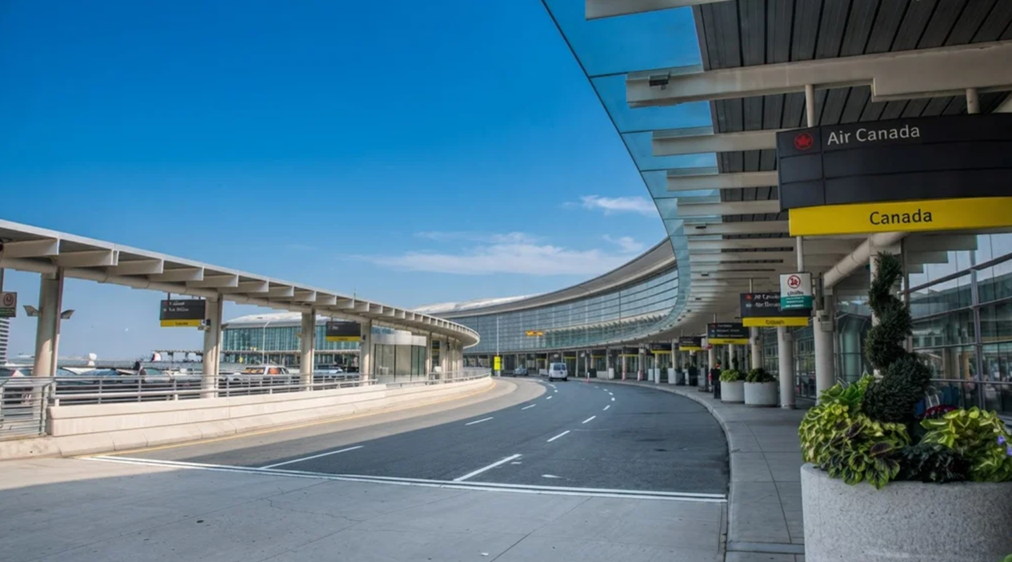
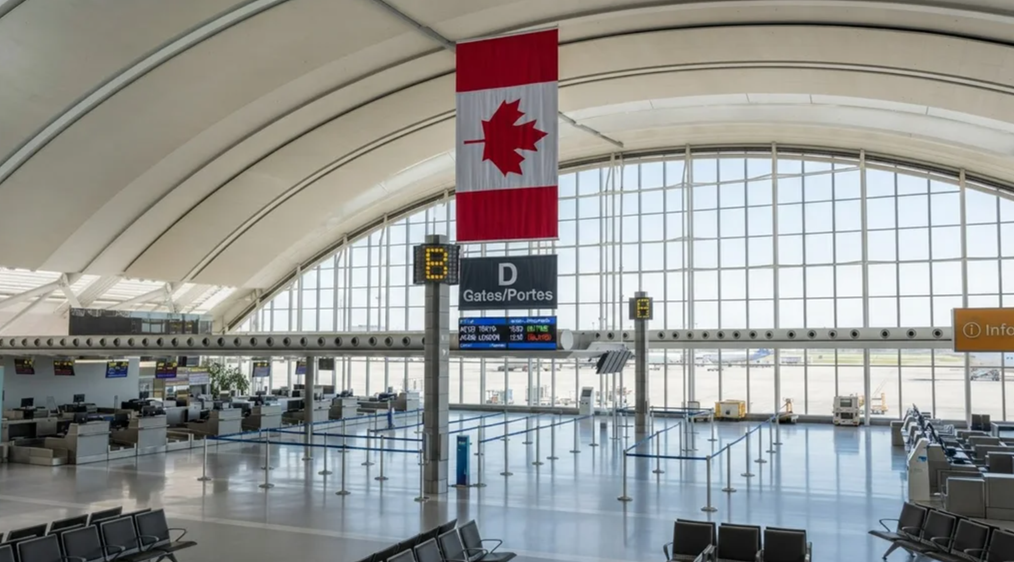
Pearson Airport has designated taxi ranks to ensure orderly service. At Terminal 1, taxis wait outside Door D on the arrivals level. At Terminal 3, passengers can find them outside Doors D through F. These official ranks are staffed by licensed drivers, and airport staff are present to assist travelers.
Using these ranks is important, as unlicensed drivers occasionally attempt to solicit fares; sticking to the official zones guarantees safety and regulated pricing.
The Atmosphere of Taxi Travel
For many travelers, taxis represent familiarity. The experience is private, with the passenger able to relax after a long flight without sharing space with strangers. Luggage is stowed easily in the trunk, and the driver handles navigation. The ride itself offers a first glimpse of Toronto, from the airport’s periphery to the skyline that gradually rises ahead.
Yet the atmosphere is shaped by traffic: smooth in off‑peak hours, tense when congestion builds.
Uber and Lyft at Pearson
Ride‑hailing services such as Uber and Lyft provide an alternative to traditional taxis. Their pricing is dynamic, typically ranging between C$45 and C$65 for a trip downtown. At times, they can be 10–20 percent cheaper than taxis, though surge pricing during peak demand may erase this advantage.
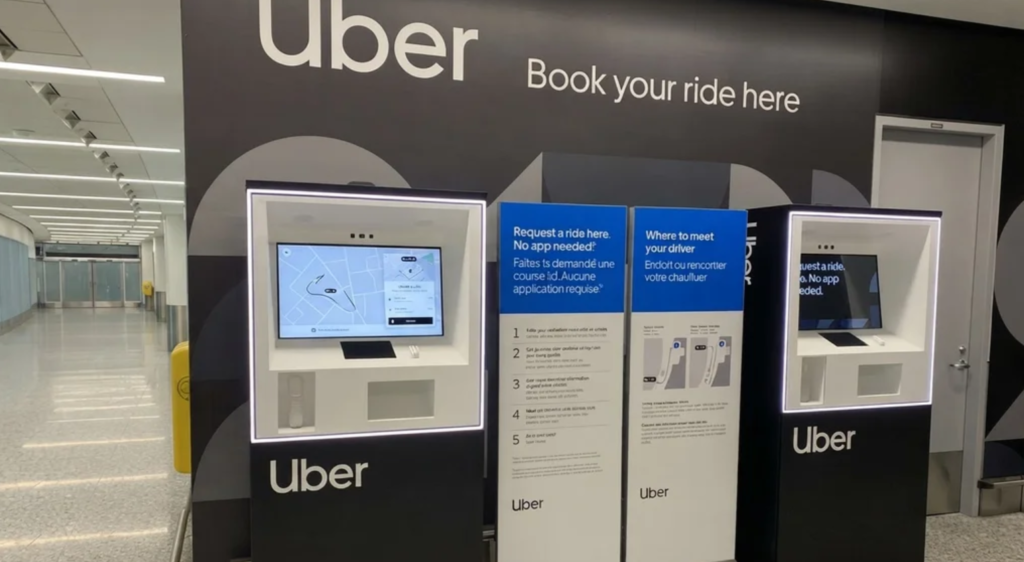
Travel time mirrors that of taxis, averaging twenty‑five to forty‑five minutes depending on traffic. The difference lies in the booking process. Passengers use mobile apps to request rides, track driver arrival, and pay electronically. This digital convenience appeals to many travelers, particularly those accustomed to ride‑hailing in other cities.
Ride‑Share Pick‑Up Zones
Pearson Airport designates specific Ground Transportation Zones for ride‑share pick‑ups. These zones are clearly marked and located outside each terminal. After booking through the app, passengers receive instructions on where to meet their driver.
The process is efficient, though it requires familiarity with the app and a willingness to navigate the airport’s signage.
Comparing Taxi and Ride‑Share
The choice between taxi and ride‑share often comes down to preference. Taxis offer regulated fares and immediate availability at official ranks. Ride‑shares provide app‑based convenience and, at times, lower prices. Both share the same vulnerability to traffic delays, and both deliver passengers directly to their destination.
For travelers carrying heavy luggage or arriving late at night, taxis may feel more straightforward. For those comfortable with mobile apps and seeking potential savings, ride‑shares are attractive.
Cost Considerations
Cost is a significant factor in choosing between taxi and ride‑share. Taxis maintain fixed zone fares, which means passengers know the price before entering the vehicle. Ride‑shares, by contrast, fluctuate based on demand. During off‑peak hours, Uber or Lyft may be cheaper than taxis.
During peak times, surge pricing can make them more expensive. For budget‑conscious travelers, checking both options before committing is advisable.
Travel Time Realities
Both taxis and ride‑shares are subject to Toronto’s traffic patterns. The journey from Pearson to downtown typically takes twenty‑five minutes in light traffic. Rush hour can extend this to forty‑five minutes or more. Construction projects, accidents, and weather conditions also influence travel time.
Unlike the UP Express train, which maintains a consistent schedule, road transport carries inherent unpredictability.
Payment and Convenience
Taxis accept both cash and card, making them accessible to all passengers. Ride‑shares require electronic payment through the app, which may be less convenient for travelers without mobile data or international credit cards. However, ride‑shares eliminate the need to handle cash or calculate tips, streamlining the process for those comfortable with digital transactions.
Luggage and Group Travel
Both taxis and ride‑shares accommodate luggage, though taxis often have larger trunks. For groups traveling together, ride‑shares can be cost‑effective if split among passengers. Taxis, with their regulated fares, provide predictability for groups who prefer not to deal with surge pricing.
Families with children may appreciate the straightforward nature of taxis, while younger travelers may lean toward ride‑shares for their app‑based convenience.
Safety and Regulation
Taxis at Pearson are licensed and regulated, ensuring driver accountability and vehicle standards. Ride‑shares operate under provincial regulations but rely on app‑based ratings and reviews for quality control. Both are generally safe, but passengers should remain cautious of unlicensed drivers soliciting fares outside official zones.
Using designated pick‑up areas is the best way to ensure safety.
Late‑Night and Early‑Morning Travel
For flights arriving after 1:00 a.m., when the UP Express train is no longer operating, taxis and ride‑shares become the primary options. Taxis are always available at the ranks, while ride‑shares depend on driver availability. In practice, both are reliable, but taxis may offer greater certainty during very late hours.
The First Impression of Toronto
For many visitors, the taxi or ride‑share ride from Pearson to downtown is their first impression of Toronto. The journey passes through suburban landscapes before entering the city’s core, where the skyline rises prominently. This transition offers a visual narrative of Toronto’s geography, from airport periphery to urban centre.
The experience is shaped by traffic, but it remains a defining moment of arrival.

Practical Advice for Travelers
Travelers should plan their choice based on arrival time, budget, and comfort with mobile apps. Checking both taxi and ride‑share options before committing can reveal cost differences. Using official pick‑up zones ensures safety and regulated pricing. For those arriving late at night or carrying heavy luggage, taxis may be the simplest option.
For those seeking potential savings and digital convenience, ride‑shares are appealing.
Conclusion
Taxis and ride‑shares remain essential components of Toronto’s airport transport system. They provide flexibility, door‑to‑door service, and reliability during hours when other options are limited. While they share vulnerabilities to traffic delays, they also offer comfort and convenience that many travelers value.
Choosing between them depends on personal preference, but both serve as effective links between Pearson Airport and Toronto’s city centre.