
The Island That Feels Like a Novel
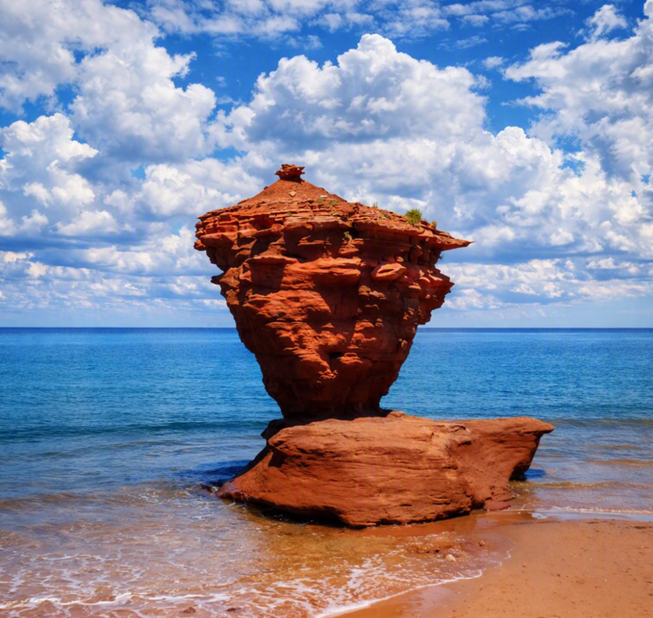
Prince Edward Island is Canada’s smallest province, but it feels vast in story. Here, red sandstone cliffs meet rolling dunes, white beaches stretch into horizon, and green fields ripple like fabric in the wind. It is a place where geology, literature, and culture converge, where Confederation was born, and where fishing villages still vibes with maritime rhythm. Visit PEI and step into a narrative: one part natural wonder, one part cultural heritage, one part coastal charm.
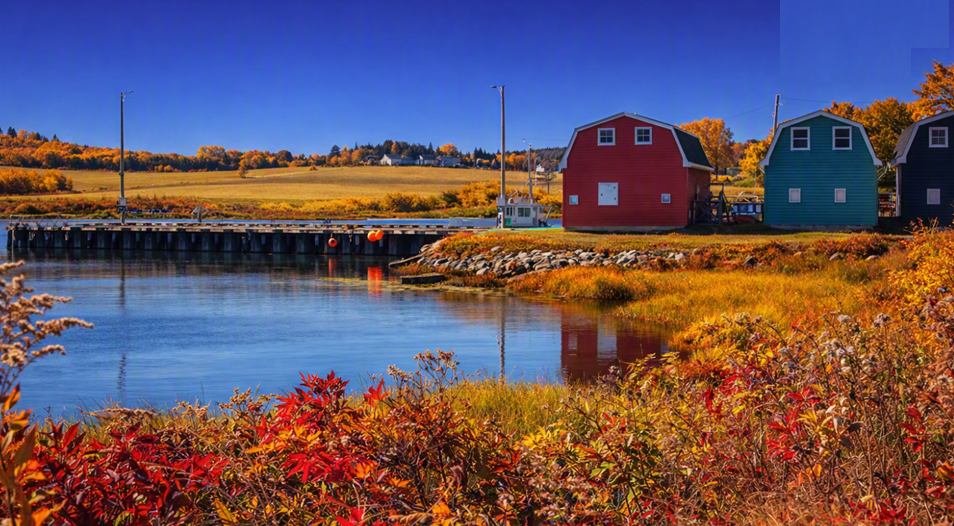
Crossing Into the Island — Ceremony of Arrival
Begin with the Millbrook Cultural and Heritage Centre in Nova Scotia, where the Mi’kmaq people share traditions and history. It is a reminder that the island’s story begins long before Confederation, rooted in Indigenous heritage. Then cross the Confederation Bridge — the world’s longest continuous multi‑span bridge.
Thirteen kilometers of engineering stretch across the Northumberland Strait, connecting mainland Canada to the island. The crossing feels ceremonial: water below, sky above, anticipation ahead.
Charlottetown — Birthplace of Confederation
Charlottetown is compact, walkable, and steeped in history. At the Confederation Centre of the Arts, local performers bring maritime culture to life. At Province House National Historic Site, guided tours every half hour immerse visitors in the debates that shaped Canada. A self‑guided walking tour covers 2.5 km of heritage sites.
Government House with its stately grounds. Charlottetown is not just history — it is atmosphere. Cobblestone streets and maritime breezes make evenings vibrant.
Harbour Hopper Adventure — Land and Sea
For a playful perspective, climb aboard the Harbour Hopper Tour — a retrofitted military vehicle that roams streets before splashing into the harbour. Landmarks pass by: City Hall, Beaconsfield House, Victoria Park. Then the amphibious plunge: Charlottetown’s waterfront, yacht club, and breezy harbour views. It is history, architecture, and maritime charm rolled into one unforgettable ride.
Anne of Green Gables — Cavendish Country
No visit is complete without Anne of Green Gables Heritage Place in Cavendish. Forty minutes from Charlottetown, this site draws over 350,000 visitors annually. Spend 3–4 hours exploring Cavendish Beach and the Green Gables Shore Drive. Red sand beaches stretch for miles, offering photo opportunities and a glimpse of the landscapes.
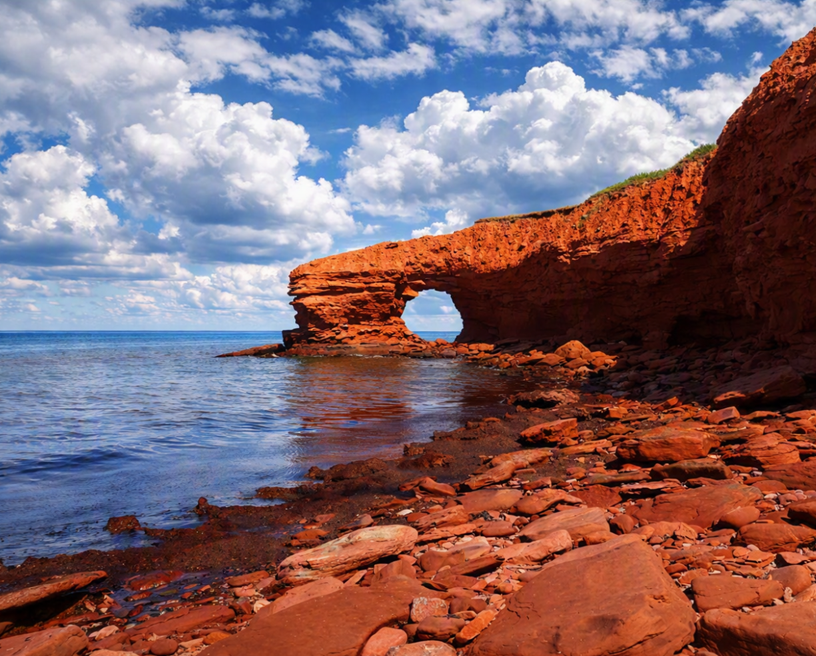
Prince Edward Island National Park — North Shore Majesty
Day two belongs to the coast. The Prince Edward Island National Park protects 59 km of shoreline: red cliffs, white beaches, dunes, and salt marshes. Entry fees are modest ($8.50 CAD per adult daily in 2025), making it accessible for all.
Cavendish Beach: Excellent for swimming and sandcastles.
Brackley Beach: Calmer waters, family‑friendly.
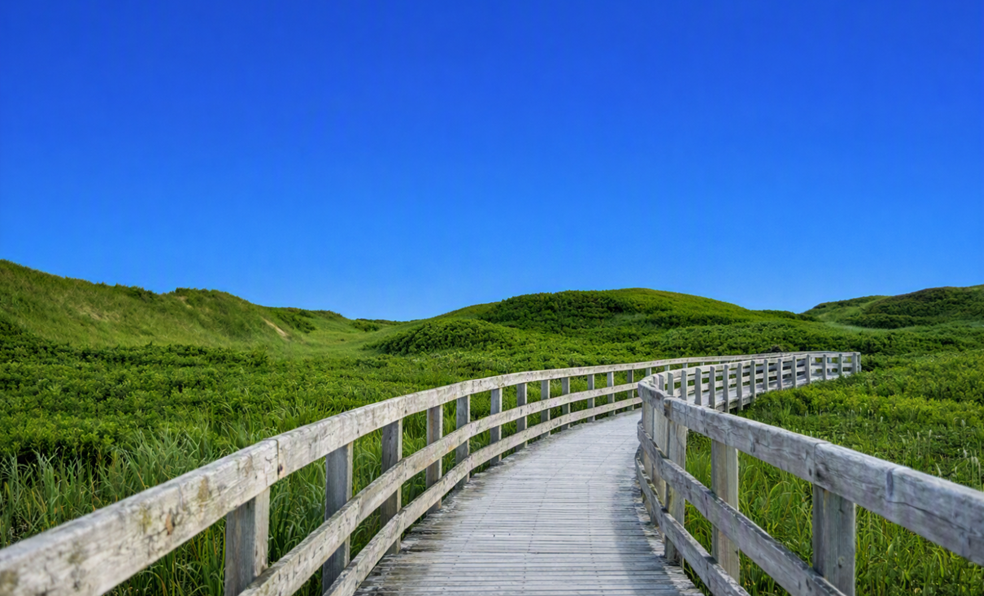
Greenwich Dunes Trail: A rare floating boardwalk through fragile dune ecosystems.
Start early at the visitor centre, gather maps, and plan 4–5 hours for beaches, trails, and wildlife observation.
Greenwich Dunes Trail — Walking on Sand’s Edge
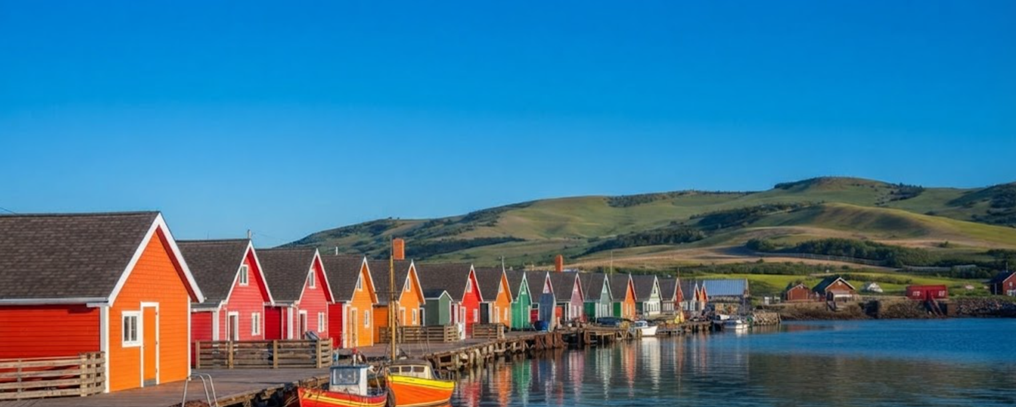
The Greenwich Dunes Trail is a 4.8 km round‑trip hike through parabolic dunes. The boardwalk floats above fragile ecosystems, leading to sweeping views of sand and sea. It is one of the island’s most spectacular walks, blending ecology with atmosphere. Conclude the day in North Rustico, a fishing village where seafood is fresh, harbours are picturesque, and maritime life feels authentic.
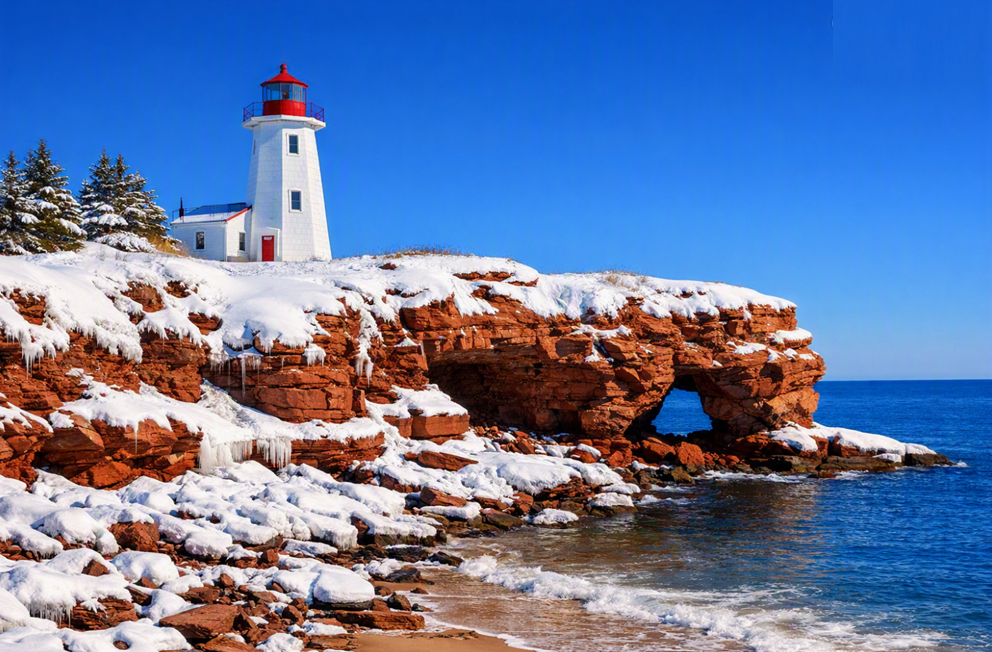
Eastern Exploration — Lighthouses and Railways
Day three turns east. Begin at East Point Lighthouse, the island’s easternmost tip. Sunrise here is spectacular — light spilling across ocean and farmland. Continue to the Elmira Railway Museum, housed in the former terminus of the PEI Railway. Interactive exhibits and restored railcars tell the story of transportation that once connected the island. Nearby, Red Point Provincial Park offers coastal scenery and quiet beaches.
Artisan Communities — Red Sands Shore Drive
Spend the afternoon along the Red Sands Shore Drive. Pottery studios, craft shops, and galleries showcase island‑made products. It is cultural immersion, souvenir shopping, and hospitality rolled into one. Supporting local artists here feels like participating in the island’s living culture.
Transportation and Access
Prince Edward Island is compact — 280 km long, 60 km wide. Driving tip to tip takes under four hours. Rental cars are practical, with rates from $45–75 CAD daily in 2025. Access routes: Confederation Bridge: $50.25 CAD toll when leaving the island.
Northumberland Ferries: 75‑minute scenic crossing to Nova Scotia.
Seasonal Rhythm
Summer (June–September): Peak season, warmest weather (20–25°C), longest days, full attraction availability.
Spring (May): Lupine blooms, migrating wildlife, fewer crowds.
Autumn (October): Foliage, harvest celebrations, lower costs.
Winter: Limited activities, but authentic culture and reduced expenses.
Costs and Practicalities
PEI is moderately priced compared to other Canadian destinations. Daily budgets range $100–150 CAD for mid‑range travel. Summer is most expensive; shoulder seasons offer savings. Public transport is limited; rental cars are recommended. The Confederation Trail offers 435 km of walking and cycling paths, but exploring beaches and rural attractions requires driving.
Narrative Flow — Three Days, Three Themes
Prince Edward Island unfolds in three acts:
Charlottetown and Cavendish — history and literature. Confederation debates, red sand beaches.
North Shore — nature and coast. National park, dunes, fishing villages.
Eastern PEI — lighthouses and artisans. Sunrise, railway heritage, local crafts.
Together, they form a narrative arc: heritage, landscape, culture.
The Island That Endures
Prince Edward Island is a place where red cliffs meet green fields, where literature becomes landscape, and where culture feels both historic and alive. It is small, yes, but its story is vast. To walk Cavendish Beach and to cross Confederation Bridge to feel the connection.
To stand at East Point Lighthouse at sunrise is to witness timeless beauty. PEI is not just a destination — it is a narrative woven of geology, history, and hospitality. A three‑day journey here is not enough to know it fully, but it is enough to feel its vibes: red cliffs, white beaches, green fields, and the enduring charm of Canada’s island province.