
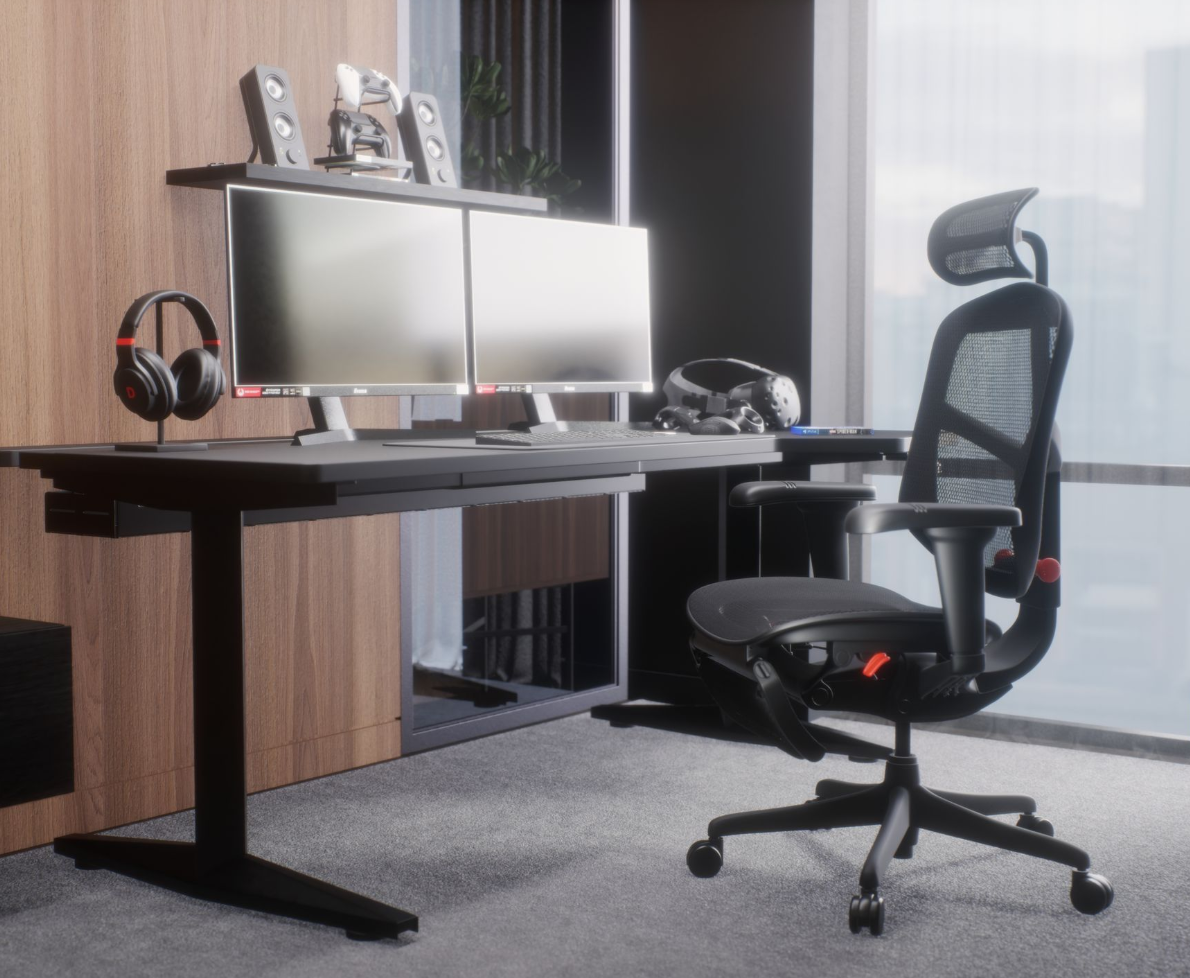
Where Movement Meets Support
In today’s world, whether working from a home office, a coworking hub, or even a favorite café corner, one constant remains: sitting. Yet sitting is never truly still. Beneath the surface, bones, muscles, tendons, joints, and nerves are in quiet motion, adjusting and balancing with every breath. While sitting is natural, holding one rigid position for hours is not. Leaning forward, slouching, or locking into static postures places immense strain on the body—particularly the lumbar spine, where discomfort often begins.
This is why the ergonomic chair matters. Not all seats are equal, and the difference lies in ergonomics. More than a buzzword, ergonomics is the study of how people interact with their environment, and an ergonomic chair is designed with one purpose: to remove discomfort and promote well-being. In a time when sedentary work takes its toll, the ergonomic chair becomes more than furniture—it is a proactive measure, a commitment to health, and a foundation for productivity.
The DNA of an Ergonomic Chair
1. Natural Balanced Movement
An ergonomic chair encourages fluidity rather than rigidity. Traditional chairs often force the body into fixed positions, leading to stiffness and fatigue. By contrast, ergonomic designs strike a balance between support and flexibility. Features such as the Butterfly Back adapt to spinal curves, while flexible seats and backs move harmoniously with the user. Many modern designs also embrace sustainability, using eco-conscious materials that reflect both care for the body and care for the environment.
2. Total Spinal Support
The spine’s natural curve is central to healthy posture. Ergonomic chairs are shaped to follow this line, preventing slouching and reducing strain on the lower back. Advanced support systems—such as pixelated grids that respond dynamically to movement—distribute pressure evenly, encourage alignment, and minimize discomfort. The result is a chair that supports not just sitting, but healthy, active posture throughout the day.
3. Dynamic Fit
Bodies differ, and so should chairs. Ergonomic seating adapts to twists, turns, and shifts, offering breathable mesh backs and customizable adjustments that cater to individual needs. Whether tall or petite, every user finds comfort through tailored lumbar support and adjustable features, ensuring the chair fits the person rather than forcing the person to fit the chair.
4. Flexibility Across Settings
Work today is dynamic—group discussions, solo focus, creative brainstorming. Ergonomic chairs are designed to move seamlessly between these settings. With adaptive flex backs and intuitive adjustments, they support short bursts of sitting as well as long hours of deep concentration. They empower users to remain comfortable, engaged, and productive, no matter the posture or purpose.
✨ An ergonomic chair is more than a seat—it is a partner in well-being, a quiet guardian against the strain of modern work. By embracing movement, supporting the spine, adapting to the body, and flexing across environments, it transforms sitting from a passive act into an active balance of comfort and productivity.

Reviews
There are no reviews yet.