
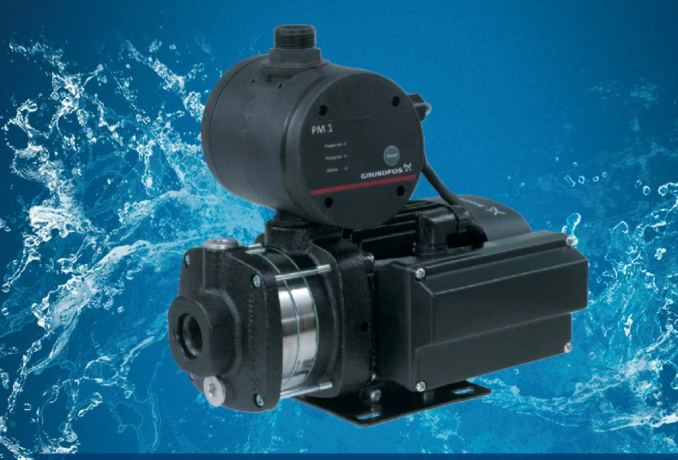
Turning Weak Streams into Steady Comfort
Low and unstable water pressure can turn everyday rituals into frustrations—showers that trickle instead of refresh, washing machines that take forever to fill, sprinklers that sputter in summer heat. The solution lies in a simple yet powerful upgrade: the home water booster pump. With the right choice, you can transform your household water supply into a reliable, consistent flow that elevates daily living.
Understanding the Basics
What Is a Home Water Booster Pump?
A booster pump is designed to increase water pressure throughout your home. It ensures that faucets, showers, and appliances receive water with steady force, even in areas where supply is naturally weak.
- Pump Flow (Q): The volume of water moved, measured in liters or gallons per minute. Flow depends on household demand—the number of fixtures, people, and appliances.
- Pump Head (H): The maximum height water can be lifted against gravity, expressed in meters, Bar, feet, or PSI. The higher the pump head, the stronger the pressure.
How It Works
Think of an impeller like a fan blade: it accelerates water as it spins, pushing it forward with greater force. The pump draws water from the supply line, energizes it, and delivers it at higher pressure, ensuring even the farthest tap or highest floor receives a strong, steady stream.
Step-by-Step Guide to Choosing the Right Pump
1. Assess Your Pressure Issues
Weak showers, slow-filling tubs, or sprinklers that underperform are clear signs. Confirm with a pressure gauge—ideal home pressure sits between 40–60 PSI (2.76–4.14 Bar).
2. Determine Household Water Demand
List all water-using fixtures and appliances. A family of four with multiple bathrooms and laundry needs far more flow than a single occupant. Match pump capacity to your lifestyle.
3. Calculate Required Pump Pressure
- Base Pressure: Aim for 40–60 PSI, or up to 5.5 Bar for larger homes.
- Friction Losses: Longer or narrower pipes reduce pressure.
- Elevation Losses: Every 10 feet of vertical rise costs ~0.3 Bar.
- Fixture Requirements: Account for the most demanding appliance.
- Safety Margin: Add 0.3–0.7 Bar for future-proofing.
Formula: Required Pump Pressure = Desired Pressure + Friction + Elevation + Fixture Needs – Current Pressure + Safety Margin
4. Installation Considerations
- Location: Place near the main water line with space for ventilation and maintenance.
- Plumbing Integration: Ensure compatibility; add tanks or check valves if needed.
- Electrical Supply: Confirm safe wiring and compliance with codes—professional installation is recommended.
5. Maintenance & Longevity
- Routine Care: Check pressure, clean filters, inspect for leaks.
- Troubleshooting: Seal air leaks, adjust cycling settings.
- Durability: A well-maintained pump lasts years. Choose models with strong warranties and reliable support.
✨ A home water booster pump is not just a fix—it is an upgrade to comfort. By carefully sizing and selecting the right pump, you ensure strong showers, efficient appliances, and peace of mind. With proper installation and maintenance, it becomes a long-term ally against the frustrations of low water pressure.

Reviews
There are no reviews yet.