
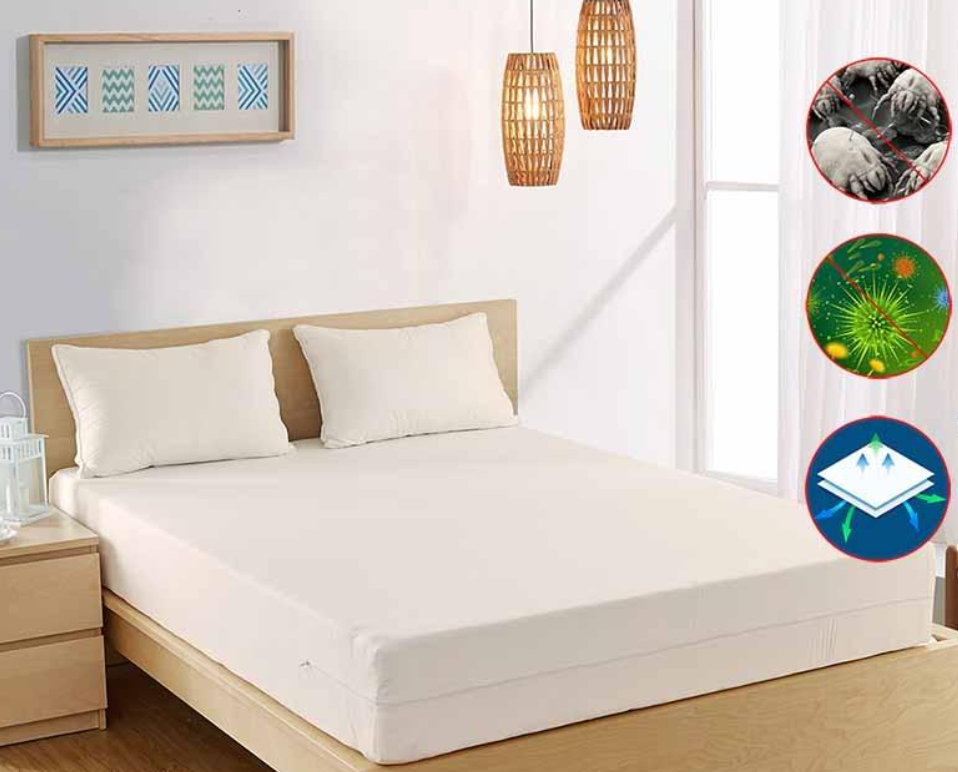
A Guide to Restful Sleep for Sensitive Sleepers
Allergies are not just inconvenient—they are disruptive, uncomfortable, and often invisible intruders that turn bedtime into a battleground. Coughing, sneezing, itching, watery eyes—these are the symptoms that steal rest and replace it with frustration, fog, and fatigue. For those who suffer, the bedroom can become a minefield of allergens, and the mattress—meant to cradle and comfort—can instead become a source of irritation.
But sleep should be sanctuary. This guide is here to help you reclaim it.
Are You Allergic to Your Mattress?
Allergies arise when the body perceives a threat and responds with defense—histamines flood the system, triggering reactions meant to expel the invader. For some, the culprit may be hidden in the very place they seek rest: the mattress. Materials, fibres, and chemical treatments can all provoke sensitivity. If you experience itching, sneezing, or discomfort in bed, an allergy test may reveal that your mattress is part of the problem.
Common Bedroom Allergens
The air we breathe and the surfaces we touch can harbor irritants. Among the most common:
- Dust mites
- Grass and tree pollen (hay fever)
- Animal dander (tiny flakes of skin or fur)
- Natural latex (distinct from synthetic latex)
- Mould spores
These allergens can linger in bedding, upholstery, and the air itself, making the bedroom a place of unrest.
What Is a Hypoallergenic Mattress?
A hypoallergenic mattress is crafted from materials less likely to provoke allergic reactions. It resists the accumulation of allergens and avoids the use of animal-based fibres or reactive compounds. Wool and horsehair, for example, may contain lanolin or albumin—natural proteins that can trigger rashes or respiratory symptoms. Latex, too, can be problematic for some.
Instead, look to synthetic fibres like polyester, which are naturally antimicrobial and less likely to harbor allergens. Cotton, depending on its processing, can also be a gentle choice. Memory foam may be suitable, though its heat-retentive nature can cause night sweats in sensitive sleepers.
Hypoallergenic Materials to Consider
- Polyester: Durable, antimicrobial, and widely used in allergy-friendly bedding
- White fibre (synthetic): Clean, stable, and non-reactive
- Memory foam: Supportive, though best paired with breathable covers
- Cotton: Soft and breathable, especially when processed without harsh chemicals
Choosing the Right Mattress
Begin with medical advice—understanding your specific triggers is essential. From there, explore mattress models that disclose their materials openly. Transparency matters. Look for synthetic comfort layers, avoid animal-based fillings, and prioritize breathability and support.
Maintaining a Clean Sleep Environment
Even the best mattress needs care. Hygiene is key to reducing allergens:
- Wash sheets weekly at 60°C to eliminate dust mites
- Pull back covers each morning to air out moisture
- Ventilate your bedroom daily, or leave the door open for airflow
- Rotate and flip your mattress monthly (if double-sided)
- Vacuum and wet dust regularly to remove settled particles
✨ Sleep should be restorative, not reactive. With the right materials, mindful maintenance, and a little guidance, your hypoallergenic mattress can become a haven—not a hazard. Choose wisely, care consistently, and let your bedroom become the quiet, clean retreat your body deserves.

Reviews
There are no reviews yet.