
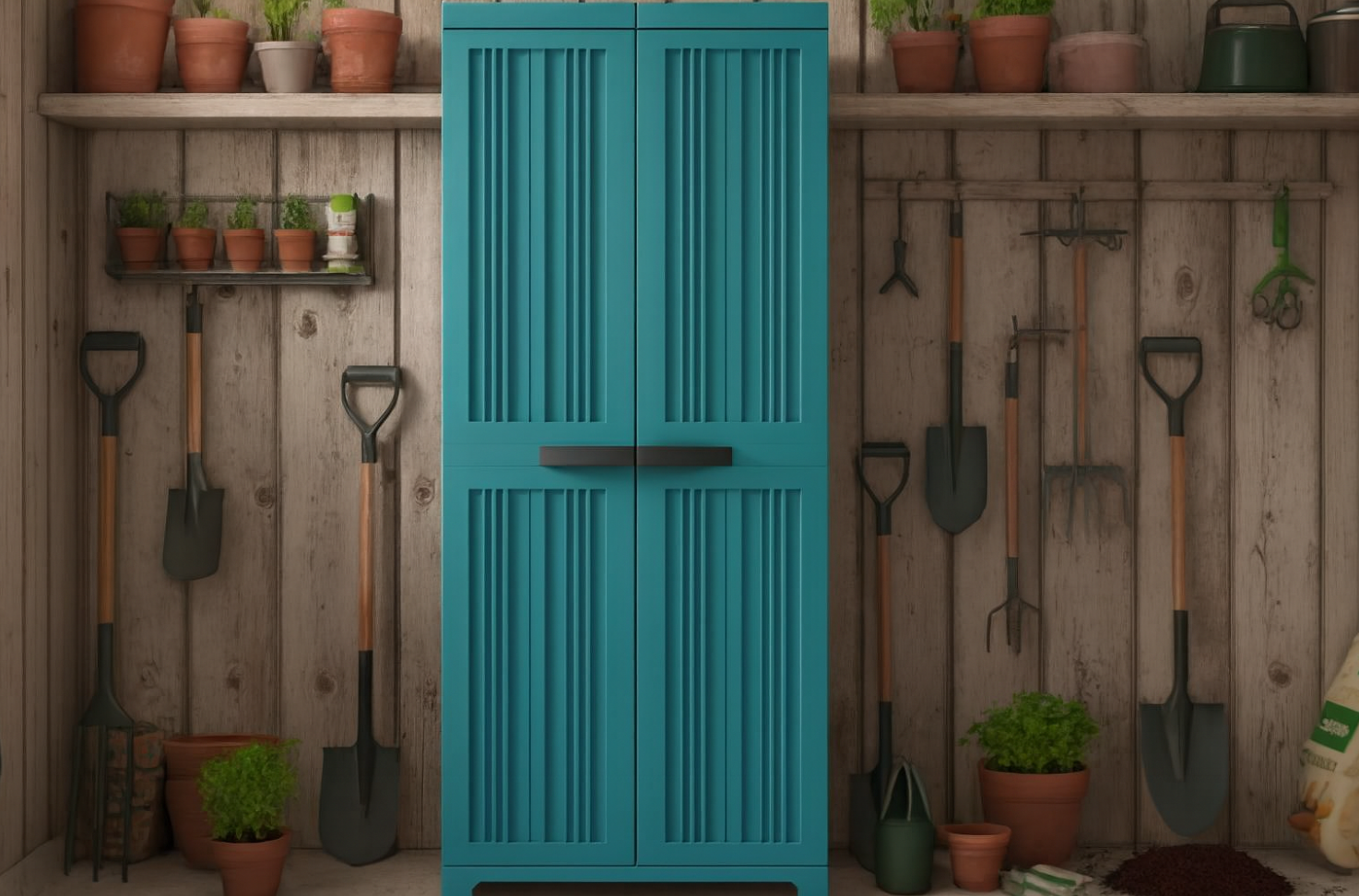
Choosing outdoor cabinets is not simply about storage—it is about resilience, beauty, and harmony with the elements. These cabinets live outside, exposed to sun and rain, to frost and humidity, to the slow wear of time. They must be strong, waterproof, and UV-resistant, yet they must also belong to the landscape, complementing the exterior of your home and the rhythm of your garden. The material you choose will decide not only how long they last but how they feel, how they look, and how they serve you.
What to Consider Before Choosing
Ask yourself:
- Durability: Will this material withstand the cycle of seasons—sun, rain, ice, and humidity?
- Maintenance: Do you want cabinets that wipe clean easily, or are you willing to reseal and refinish?
- Style: Do you prefer the sleek shine of steel, the warmth of wood, or the natural solidity of stone?
- Installation: How complex is the process, and how much time or professional help will it require?
- Heat & UV Resistance: Will it stay cool under the summer sun, or absorb heat until it burns to the touch?
- Budget: Are you seeking long-term investment or a more affordable, practical solution?
- Sustainability: Does the material align with eco-conscious values, offering recyclability or renewable origins?
Six Materials for Outdoor Kitchen Cabinets
1. Stainless Steel
Timeless, sleek, and enduring, stainless steel resists rust, UV rays, and discoloration. It is easy to clean and long-lasting, though it heats quickly under the sun and comes at a higher cost. For those who love its modern aesthetic, it is a worthy investment, provided you plan for shade or cooling in summer.
2. Wood
Wood is beauty incarnate—warm, natural, and timeless. Yet it demands care: sealing against water, protecting against snow and ice, guarding against fading sunlight. For those who entertain outdoors and value aesthetics above convenience, wood rewards with unmatched charm, blending seamlessly into landscaping.
3. Aluminum
Lightweight yet resilient, aluminum resists rust and offers a modern look at a lower cost than steel. It is easy to clean but less strong, prone to scratches and dents, and it too absorbs heat in summer. For budget-conscious homeowners, aluminum is a sleek compromise, balancing style and practicality.
4. Masonry
Brick, stone, or concrete—masonry is permanence itself. Heavy, fire-resistant, and immovable, it requires professional installation and higher expense. Once built, it becomes part of the landscape, holding heat in warm climates and offering durability that lasts decades. Masonry is not flexible, but it is eternal.
5. HDPE
High-density polyethylene is the eco-friendly choice, made from recycled materials and recyclable again. Resistant to water and UV rays, easy to clean, and available in many colors, HDPE requires little maintenance. Its weakness lies in heat tolerance, but for most climates it offers durability with sustainability.
6. PVC
Polyvinyl chloride is strong, affordable, and resistant to water and insects. It is easy to clean and practical for tight budgets, though it lacks heat resistance and cannot be recycled. PVC is durable in the short term but not eternal, a solution for those who value affordability over longevity.
Outdoor cabinets are more than functional—they are part of the architecture of your life outdoors. Stainless steel shines with modernity, wood whispers of tradition, aluminum balances cost and style, masonry anchors permanence, HDPE offers sustainability, and PVC delivers affordability. The choice is yours, guided by climate, lifestyle, and values. Choose wisely, and your cabinets will not only endure the elements but elevate the beauty of your home.
Reviews
There are no reviews yet.