
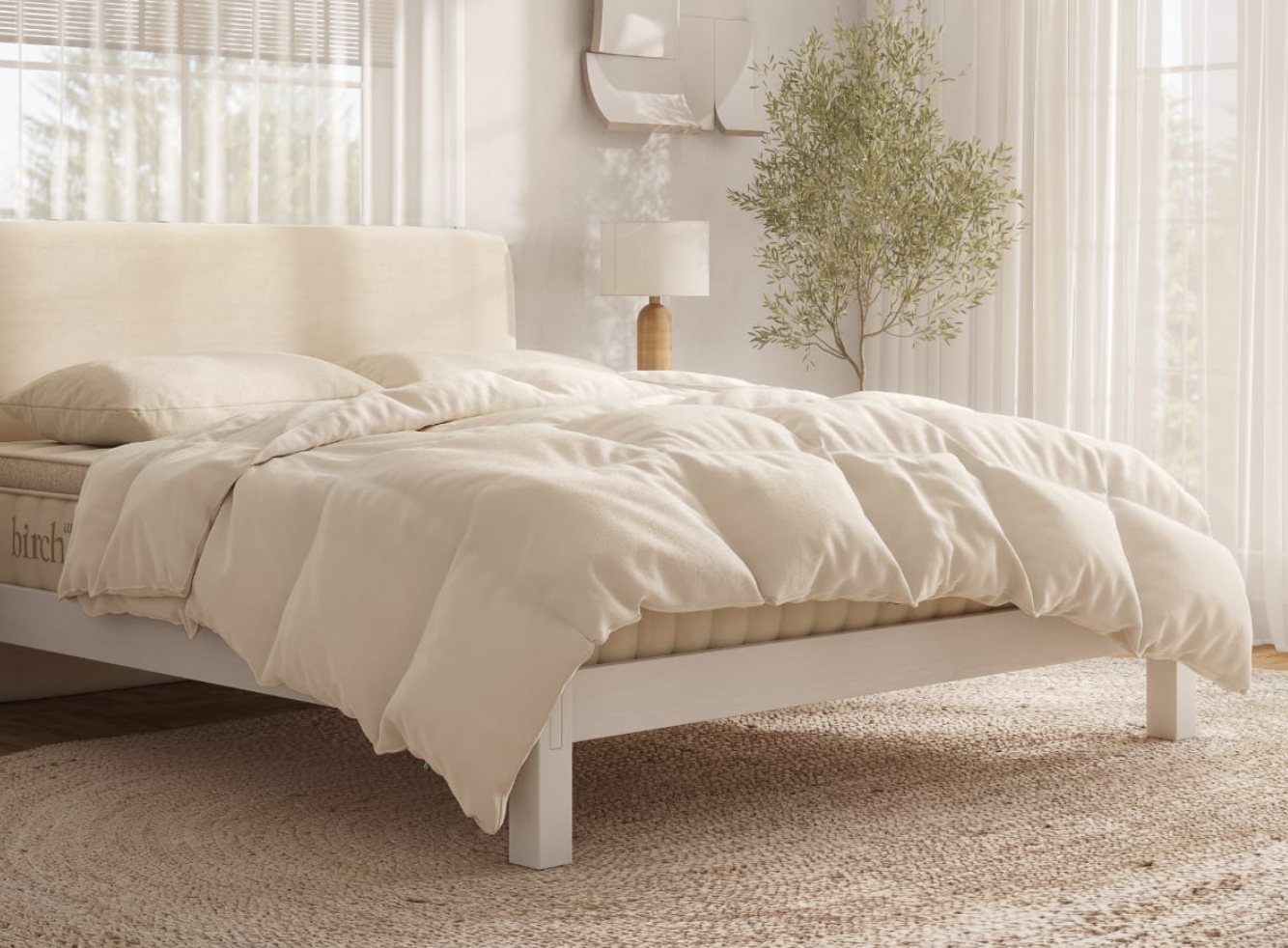
Have you ever stood at the edge of your bed, wondering what exactly a duvet insert is, that mysterious layer of bedding that seems to hover between comforter and quilt, never quite one or the other, yet somehow essential to the art of sleep? A duvet insert is the hidden heart of your bedding, the soft, insulated layer that slips inside a cover, waiting to be dressed, waiting to transform into the plush top layer that defines the look and feel of your bed.
The word duvet—whispered as doo-vay—comes from the French for down, the traditional filling once plucked from geese and ducks, though today the world has expanded into endless alternatives, from airy microfibre to plant-based lyocell, each offering its own promise of warmth, breathability, and ease.
Across the globe, the duvet insert wears different names, each carrying its own cultural rhythm: in the UK it is the continental quilt, in Australia the doona, in France the couette, in the Netherlands the dekbed, and in Germany the daunendecke if filled with down, or the simpler bettdecke when made from synthetic fibres.
The Basics: How to Use
Choosing a duvet insert is less about rules and more about harmony—matching size to cover, weight to climate, texture to touch. The right insert should nestle inside its cover without bunching, without sagging, without leaving empty corners that betray the illusion of fullness. Too large, and it bulges awkwardly; too small, and it drifts like a ghost inside fabric meant to hold it close.
And yes, you can use a duvet insert alone, stripped of its cover, bare in its whiteness, like a comforter. It is a minimalist’s dream, stark and simple, but beware: without a protective shell, it must be washed more often, and the bedroom may feel unfinished, as though the bed is waiting for its final flourish.
Compared to Other Bedding
- Duvet insert vs. duvet cover: one is the warmth, the other the wardrobe.
- Blanket vs. duvet: a blanket is a single layer, light and stackable, while a duvet is a quilted cocoon, a one-piece solution for sleep.
- Quilt vs. duvet vs. bedcover: the quilt is stitched art, decorative and layered; the duvet is plush insulation, practical yet indulgent; the bedcover is a draping veil, oversized and stylish, protecting everything beneath.
Finding the Right One
The perfect duvet insert is chosen not just with the hands but with the heart.
- Fill: Down whispers of tradition, but synthetic fills speak of modernity—hypoallergenic, ethical, easy to wash, kinder to animals, kinder to sleepers.
- Weight: Medium weight is the golden balance, warm in winter, cool in summer, adaptable to the restless rhythm of seasons.
- Feel: Some crave the cloud, airy and plush; others prefer the compact smoothness of a quilted insert.
- Luxury: Seek high GSM for density, high thread count for softness, and you will find yourself wrapped in indulgence night after night.
Washing & Care
The duvet insert, though bulky, can be tamed with patience. Always read the care label—it is the secret script that tells you whether to trust your washing machine or surrender to the dry cleaner.
- Pre-treat stains gently, as though coaxing them away.
- Wash on a gentle cycle, cool or warm, never harsh.
- Dry slowly, air if possible, or tumble low with care. Down alternatives forgive heat more easily, while true down demands tenderness, lest it clump and lose its loft.
Tips & Tricks
The duvet insert has a reputation for rebellion—slipping, bunching, twisting inside its cover—but there are ways to tame it. Corner ties, duvet clips, even a top sheet can help anchor it in place.
And then there is the burrito hack, a ritual that turns frustration into ease. Lay the cover inside out, place the insert on top, roll them together like a giant burrito, then unfurl with a flourish—the insert slides perfectly into place, no wrestling, no sighs of defeat, only the quiet satisfaction of bedding made beautiful in minutes.



Reviews
There are no reviews yet.