
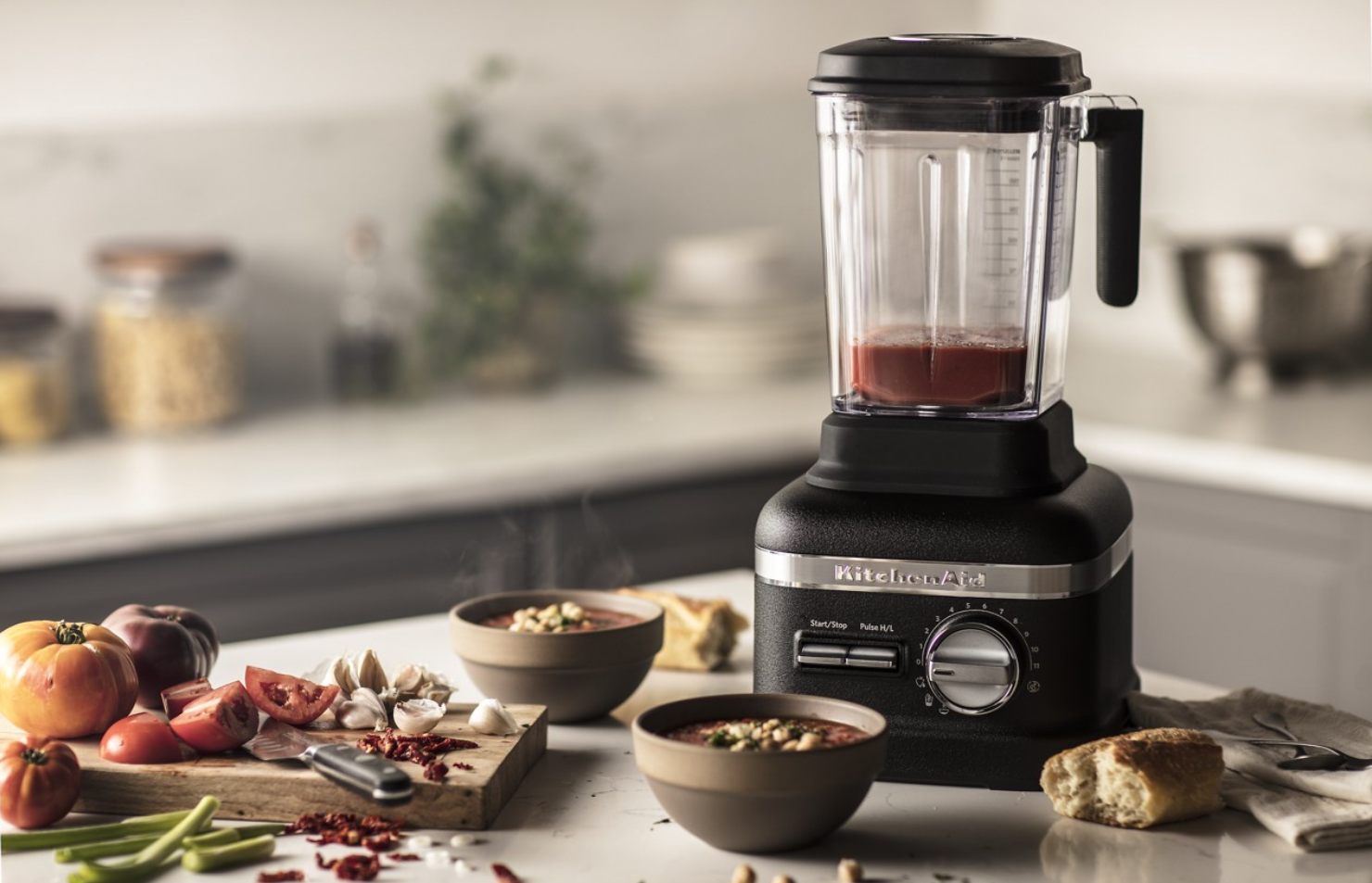
Blenders are no longer just background tools in the kitchen; they have become companions in creativity, shaping soups, smoothies, sauces, and even dough with ease. Each type carries its own personality, its own rhythm, and its own promise. Understanding these differences is the first step toward choosing the one that will truly fit your kitchen and your style of cooking.
🥣 Jar Blenders
The classic and most familiar choice. A jar sits atop the base, ingredients tucked inside, ready to be transformed. These blenders are versatile, perfect for cream soups, smoothies, and everyday blends. Some even come with ice-crushing power, turning frozen cubes into silky drinks.
🍴 Professional Multi-Functional Machines
More than blenders, these are culinary multitaskers. Often called food processors, they arrive with attachments that grate, slice, whip, knead, and even extract juice. They are an investment, yes, but one that replaces a shelf of tools with a single machine. For those who cook often and experiment widely, they are a gateway to endless possibilities.
🥄 Immersion Blenders
Sleek and simple, shaped like a blade at the end of a handle. They slip directly into pots and bowls, making cream soups smooth and purées effortless. Many come with attachments for chopping, whipping, or grating, turning them into versatile companions. Some even run on batteries, offering mobility and freedom beyond the countertop.
☕ Compact Personal Blenders
Small, portable, and designed for single servings. They are perfect for coffee foam, quick smoothies, or a portion of meringue. Often battery-operated, they have become a favorite for those who want convenience without compromise.
What to Look for in a Blender
Choosing the right blender is about more than power; it’s about matching the tool to your lifestyle.
📏 Size
Industrial blenders belong in restaurants and cafés, while smaller models suit everyday home use. For family meals or quick purées, compact household versions are practical and affordable.
🔪 Blade Quality
Blades are the heart of the blender. They must be sharp, strong, and resistant to corrosion. High-quality blades handle ice without bending, ensuring longevity and performance. Some brands have even demonstrated their strength by crushing smartphones — a dramatic reminder of durability.
⚡ Rotation Speed & Power
Power defines speed, and speed defines texture.
- 300–600 watts: Ideal for soft fruits, smoothies, and purées.
- 800–1500 watts: Necessary for nuts, ice, and fibrous foods. The most powerful models offer multiple speed settings, giving control over consistency and taste.
🌟 Additional Features
- Ice Crushing – A sign of strong blades and reliable build.
- Heating Ability – Blend and warm ingredients in one step.
- Automatic Programs – Preset modes simplify recipes and ensure perfect results.
🧰 Special Attachments
Attachments expand a blender’s reach:
- Choppers for hard foods like nuts or potatoes.
- Whisks for cream, meringue, or cake batter.
- Dough kneading tools for baking enthusiasts.
- Travel cups for blending and sipping on the go.
- Graters for salads and soups.
🫙 Jar Material
The jar matters as much as the blades:
- Plastic – Common, lightweight, but prone to scratches.
- Glass – Hygienic, odor-resistant, easy to clean, though fragile.
- Stainless Steel – Durable, safe, and professional, often dishwasher-friendly.
Capacity ranges from 14 ounces in personal blenders to 64 ounces in professional models, so choose based on how much you plan to prepare.
A blender is more than a machine; it is a partner in the kitchen, shaping flavors and textures with every spin. Whether it’s the classic jar for soups, the immersion wand for quick purées, or the professional powerhouse that does it all, the right choice depends on your rhythm, your recipes, and your imagination.

Reviews
There are no reviews yet.