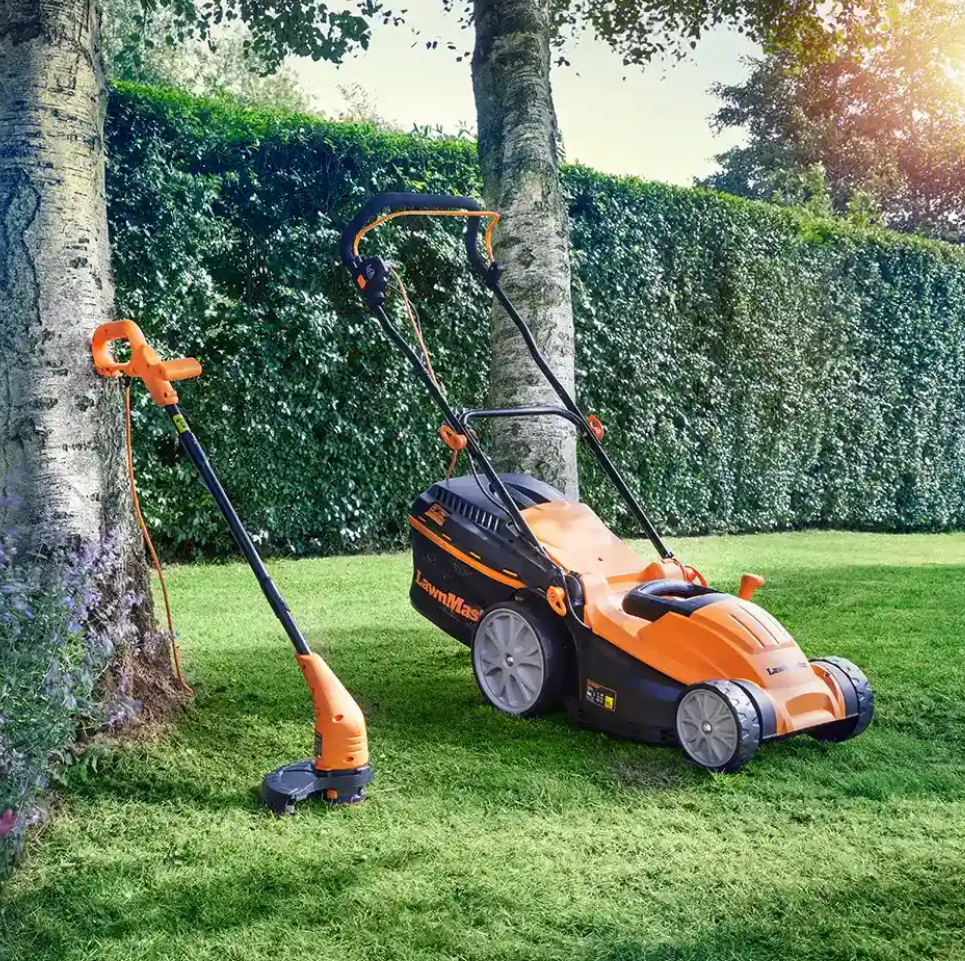
A well-kept lawn is more than a patch of green—it is the canvas of your home, the quiet welcome at your doorstep, the place where seasons unfold in blades and blooms. Choosing the right lawn mower is not just about cutting grass—it’s about shaping space, preserving rhythm, and making care feel effortless.
In 2026, the choices are vast. From compact push mowers to powerful zero-turn riders, each machine carries its own personality, its own promise. This guide walks you through the landscape of options, helping you find the mower that fits not just your yard—but your life.
Your Yard’s Blueprint: Size, Shape, and Terrain
Every lawn tells a story. Its size, its slopes, its corners—all shape the kind of mower it needs.
- Small Lawns (under 1/4 acre): Choose nimble push mowers—manual or electric—that glide through tight spaces and store away with ease.
- Medium Lawns (1/4 to 1/2 acre): Self-propelled or battery-powered mowers reduce effort, especially on uneven ground.
- Large Lawns (1/2 acre or more): Wide-deck riding mowers or zero-turn machines cover ground quickly, turning long tasks into short rituals.
Deck width defines your pace. Adjustable cutting heights let you respond to seasons and grass types, keeping your lawn resilient and lush.
Types of Lawn Mowers
Push Mowers (Manual & Walk-Behind)
Simple, classic, and light. Push mowers are ideal for small yards and quiet corners. With deck widths from 14” to 21”, they offer precision and control.
Pros: Lightweight, low maintenance, quiet, eco-friendly. Cons: Requires physical effort, limited power for thick grass. Best For: Urban gardens, tight layouts, eco-conscious users, or those who enjoy the movement.
Self-Propelled Mowers
Let the mower do the walking. These models power their own wheels, easing the strain on sloped or uneven terrain.
Pros: Reduces fatigue, handles varied ground, efficient for mid-sized lawns. Cons: Heavier, higher upfront cost. Best For: Homeowners seeking comfort and control on medium-sized properties.
Riding Mowers (Lawn Tractors & Zero-Turn)
For expansive lawns, riding mowers are the throne from which you rule your landscape.
- Lawn Tractors: Steer like a car, pull attachments, perfect for open spaces.
- Zero-Turn Mowers: Turn in place, dance around trees and flower beds, cut with speed and precision.
Pros: Fast, powerful, comfortable, ideal for dense grass. Cons: Expensive, bulky, more complex maintenance. Best For: Large suburban lawns, obstacle-rich terrain, or those who value speed and ease.
Electric Mowers (Corded & Battery-Powered)
Quiet, clean, and modern. Electric mowers are the choice for sustainability and simplicity.
- Corded Models: Unlimited runtime, consistent power.
- Pros: Lightweight, affordable, zero emissions.
- Cons: Limited by cord length, not ideal for complex layouts.
- Best For: Small, accessible lawns near outlets.
- Battery-Powered Models: Cordless freedom, impressive power.
- Pros: Quiet, push-button start, minimal maintenance.
- Cons: Limited runtime, battery replacement cost.
- Best For: Medium lawns, eco-conscious users, quiet neighborhoods.
Powering Your Performance: Gas vs. Electric
Gas-Powered Engines
Raw power for tough terrain. Gas lawn mowers thrive in thick, wet, or tall grass, offering torque and endurance.
Typical Power: 4.5 to 8.75 lb-ft of torque. Best For: Large properties, dense grass, unlimited runtime. Considerations: Noisy, requires maintenance, emits fumes.
Electric & Battery Engines
Technology meets tranquility. Electric mowers deliver clean cuts with quiet confidence.
Typical Power: Corded (12–15 amps), Battery (40V–80V+). Best For: Small to medium lawns, users who value ease and sustainability. Considerations: Runtime limits, cord management, battery cost.

Reviews
There are no reviews yet.