
Quiche Lorraine begins in the eastern French region of Lorraine, a place where rustic cooking traditions shaped one of the most iconic savory pies in the world. The dish was born from simple ingredients: eggs, cream, and pastry. Over time, cooks added smoky cured meats and nutty cheeses, transforming a humble custard into a dish of depth and character.
The name itself ties the recipe to its birthplace, a reminder that food often carries the geography and culture of its origin within its flavor.
The Crust as Foundation
The crust is more than a vessel; it is the defining element. Buttery layers, rolled thin and baked until golden, provide the crisp contrast to the soft custard inside. Some bakers use traditional butter, others experiment with coconut oil or olive oil, but the principle remains the same: a flaky shell that shatters delicately under the fork.
Without this crust, quiche would lose its elegance, becoming merely eggs baked in a dish. The crust elevates it, giving the custard a stage.
Custard and Balance
At the heart of Quiche Lorraine lies the custard — eggs whisked with cream until smooth, poured into the crust, and baked until set. It is light yet rich, delicate yet firm enough to slice cleanly. The custard is a canvas, absorbing the smoky notes of beef, the nutty melt of Gruyère, the sweetness of onions or shallots.
Its balance is crucial: too much cream and it collapses, too many eggs and it becomes rubbery. The magic lies in harmony.
The Role of Beef
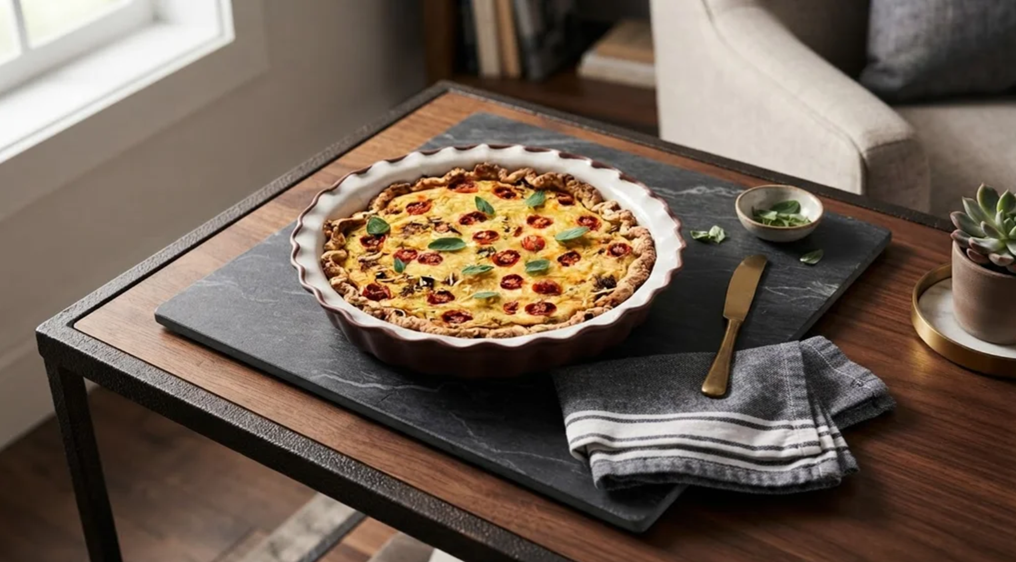
Over time, variations introduced beef, lending a smoky depth and hearty texture. This addition is sometimes credited to cooks in Lorraine who sought to enrich the custard with more robust flavors. The meat provides savoriness that anchors the dish, ensuring each bite carries substance alongside the custard’s silk.
Cheese as Character
Gruyère is the cheese most often associated with Quiche Lorraine. Its nutty, slightly sweet flavor melts into the custard, creating pockets of richness. Some cooks substitute Emmental or Comté, while modern versions experiment with cheddar or mozzarella. Cheese is not merely garnish; it is integral, shaping the flavor profile and giving the quiche its luxurious edge.
Variations with Vegetables
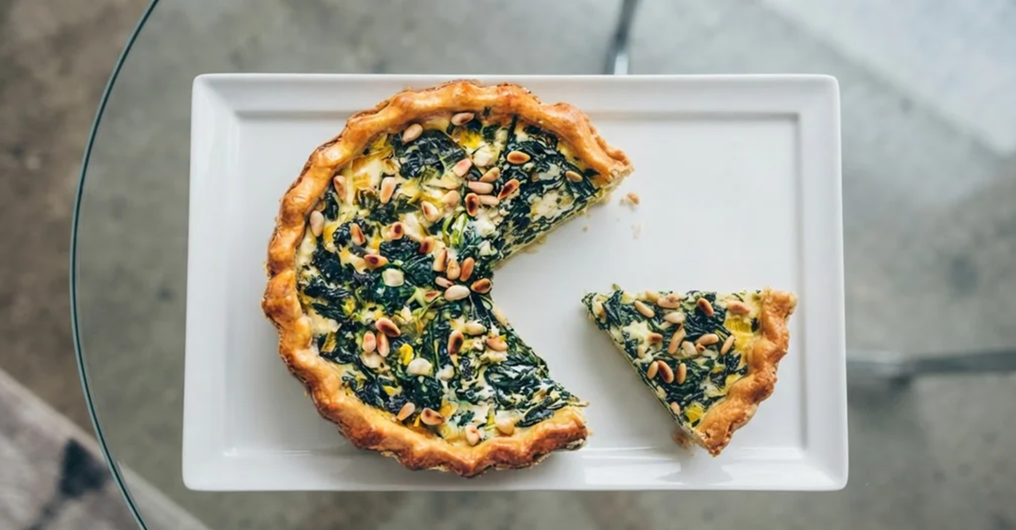
Spinach, mushrooms, tomatoes, and dill — these additions shift the character of the quiche without betraying its essence. Spinach adds color and freshness, mushrooms bring earthiness, tomatoes brighten with acidity, dill whispers of the garden.
Each variation reflects the cook’s creativity, proving that quiche is endlessly adaptable. It is a dish that welcomes improvisation, turning pantry staples into elegance.
Cold or Warm
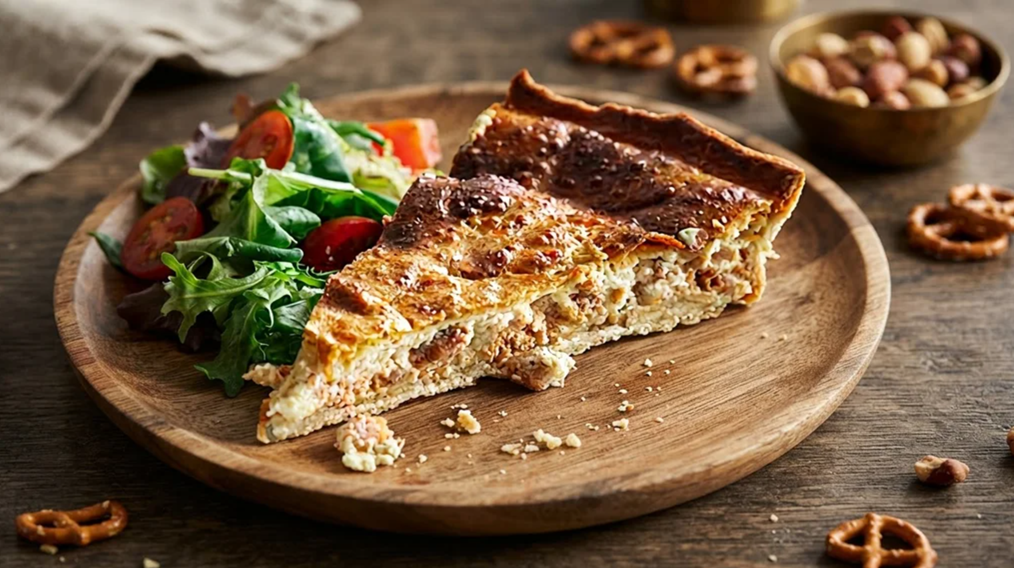
Quiche Lorraine is remarkable for its flexibility in serving. Fresh from the oven, it is warm, fragrant, and comforting. Cooled to room temperature, it becomes firm, easy to slice, and ideal for lunch. Even cold from the refrigerator, it retains its dignity, flavors deepened overnight. This adaptability makes it perfect for brunch spreads, picnics, or holiday tables.
American Embrace
For American bakers, quiche was a natural leap from sweet pies to savory ones. The form was familiar — a crust filled with custard — but the flavors were new. Quiche became a fashionable dish in the mid‑20th century, appearing at brunches and dinner parties.
Spinach quiche rose in popularity, but Quiche Lorraine remained the classic, the version most closely tied to French tradition.
Nostalgia and Memory
Food often carries memory, and Quiche Lorraine is no exception. Mini quiches eaten warm from the oven, carried through cobbled streets, savored between classes — these moments linger long after the details of a day fade. A slice paired with salad or fruit plate becomes more than a meal; it becomes a tradition, a reminder of comfort and continuity.
Vegan Reinterpretations
Modern cooks have reimagined Quiche Lorraine in plant‑based form. Coconut oil pulsed into flour creates a flaky crust. Chickpea flour whisked with water and spices becomes a protein‑rich custard. Smoked tofu replaces beef, nutritional yeast and turmeric mimic the golden, savory character of cheese.
These versions prove that the spirit of quiche — buttery crust, rich filling, communal sharing — can thrive even without eggs or dairy.
Pantry and Practicality
Quiche Lorraine is impressive at the table yet built from simple staples. Flour, eggs, cream, cheese, vegetables — ingredients often already on hand. It is a way to use up spinach before it wilts, a leek before it softens, a wedge of cheese before it hardens. This practicality makes it budget‑friendly and accessible, a dish that feels luxurious without extravagance.
Quiche is as good reheated as it is fresh. It slices cleanly, holds together in lunchboxes, and tastes even better the next day. This reliability makes it ideal for batch cooking, for preparing ahead of holidays or gatherings. It is a dish that rewards planning, offering comfort without requiring last‑minute effort.
Rustic and Refined
Quiche Lorraine embodies the paradox of French cooking: rustic ingredients transformed into refined presentation. It is eggs and cream, beef and cheese, baked in a crust — simple components elevated into elegance. It looks impressive on the table yet feels approachable, a dish that bridges everyday cooking and celebratory dining.
Quiche Lorraine endures because it satisfies both hunger and memory. It is practical yet poetic, adaptable yet iconic. Its custard sets firm yet tastes light, its crust crumbles yet holds, its flavors shift yet remain recognizable. Whether baked in its traditional form or reinvented with plant‑based flourishes, it is always more than the sum of its parts.