
Guides to Australia’s Premier Multi-Day Hikes
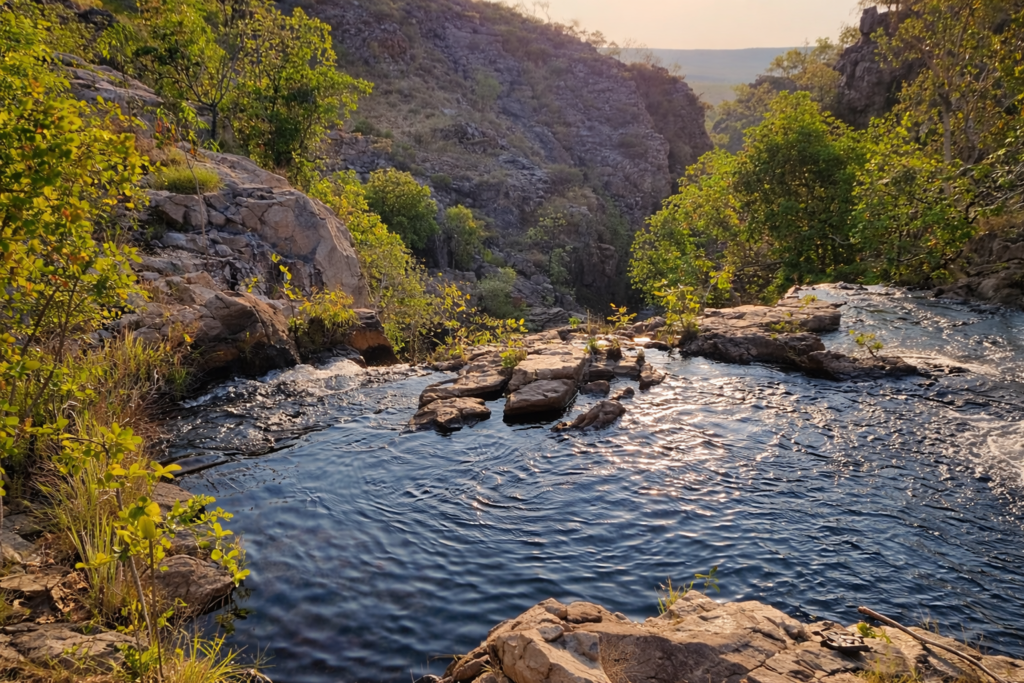
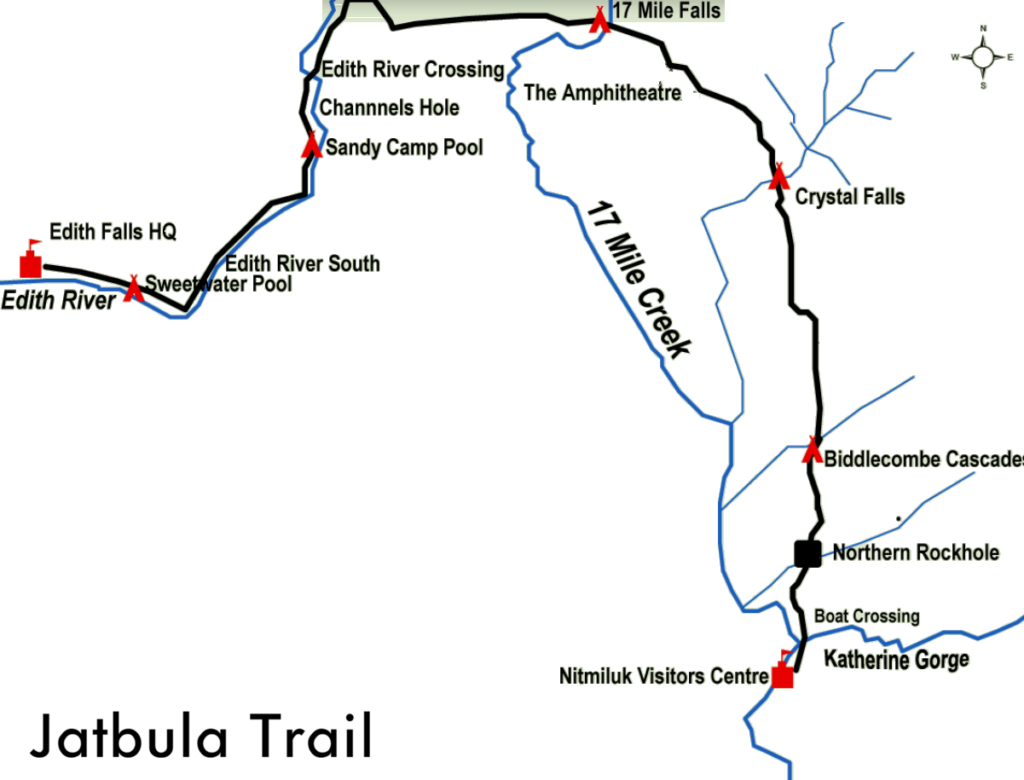
The Jatbula Trail is widely regarded as one of the most iconic multi-day hikes in Australia. Stretching sixty-two kilometres across Nitmiluk National Park in the Northern Territory’s Top End, it links Katherine Gorge with Edith Falls, also known as Leliyn. The trail follows the western edge of the Arnhem Land Escarpment, a landscape defined by sandstone cliffs, cascading waterfalls, and pockets of monsoon rainforest. Unlike many other hikes, the Jatbula is strictly one-way, beginning at Nitmiluk Gorge and ending at Edith Falls, and it must be completed in its entirety. There are five designated campgrounds along the route, each positioned beside natural swimming holes, and each limited to fifteen people per night. This restriction ensures low environmental impact and preserves the sense of seclusion that makes the Jatbula so distinctive.
The trail is named after Peter Jatbula, a Jawoyn man who played a central role in securing land rights for his people. The route itself traces paths once walked by the Jawoyn, and rock art sites along the way testify to the cultural significance of the landscape. Respect for this heritage is fundamental, and hikers are reminded that they are guests on traditional land.
Permits and Fees
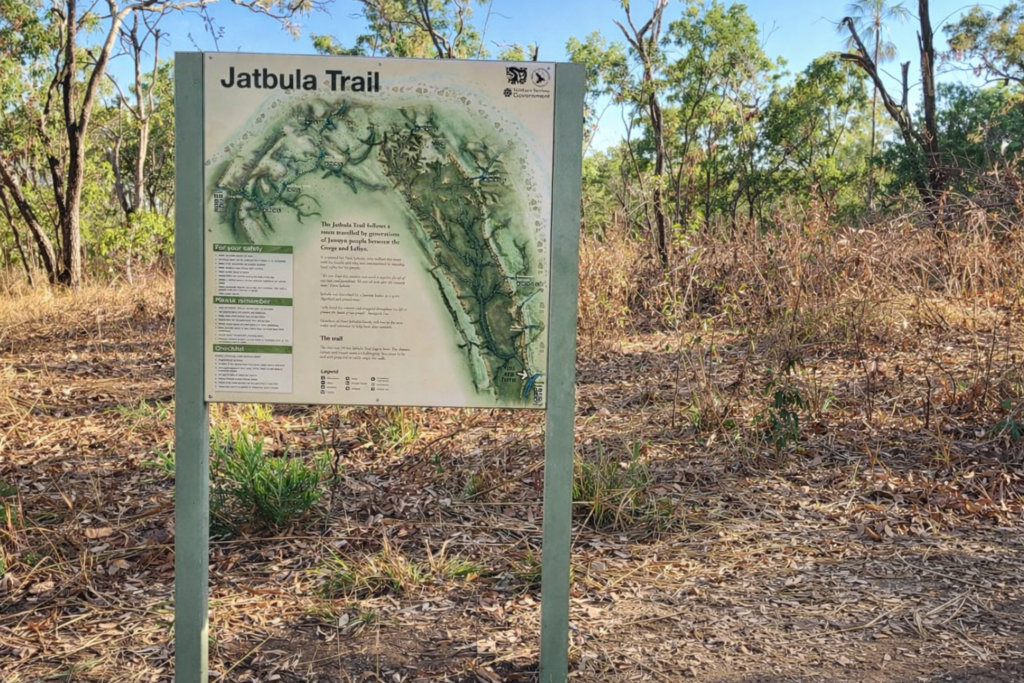
Access to the Jatbula Trail requires a permit, and demand has always exceeded supply. Permits are released annually, usually in November for the following year, and they often sell out within hours. For many years, the only cost was a camping fee of four dollars per person per night. Since March 2022, however, a multi-day walking fee has been introduced, adding to the overall cost.
In addition to the permit, hikers must pay for the ferry crossing at the start of the trail. Nitmiluk Tours operates the service, which costs around fifteen dollars per person. The ferry departs twice daily, at seven and nine in the morning, and takes hikers across Katherine Gorge to the trailhead. At the end of the hike, transport back to Katherine can be arranged through operators such as Gecko Canoeing, who provide daily pickups from Edith Falls at three in the afternoon for approximately seventy-five dollars per person.
Trail Grading and Climate
The Jatbula Trail is graded moderate. The terrain is relatively kind compared to the Larapinta Trail in Central Australia, which is known for its rugged ascents and descents. The challenge of the Jatbula lies not in the track itself but in the climate. Even in the dry season, daytime temperatures exceed thirty degrees, dropping only into the twenties or high teens at night. Heat exhaustion, dehydration, and heat stroke are real risks, and preparation is essential.
The official walking season runs from 1 June to 30 September, which is the coolest and driest time of year in the Northern Territory. Rangers strongly recommend walking between June and August, when conditions are most manageable. Outside these months, the trail is closed due to monsoonal rains and dangerous heat. Special permission is required to walk between October and May, but even experienced hikers are advised against attempting it.
Facilities and Safety
Facilities along the trail are minimal. Each campground has a long-drop toilet, but there are no shelters, food drops, or other infrastructure. Hikers must carry all equipment and provisions for the entire trek. Water is available from natural sources at each campground, but filtration is necessary.
Navigation is straightforward, with a single track marked by reflective blue arrows. Emergency call devices are located at each campsite, connecting directly to park rangers, but mobile reception is unreliable. Some hikers report occasional Telstra coverage, but Optus does not work in the park. Carrying a personal location beacon or GPS device is strongly recommended.
Wildlife encounters are possible, including buffalo, though they rarely pose a threat. The greater danger is the heat. Carrying sufficient water, wearing appropriate clothing, and pacing yourself are essential.
Safety briefings are compulsory and held at the Nitmiluk Visitor Centre at eight in the morning and three in the afternoon. Attendance is required before starting the hike, and the sessions cover trail conditions, risks, and emergency procedures.
Highlights of the Trail
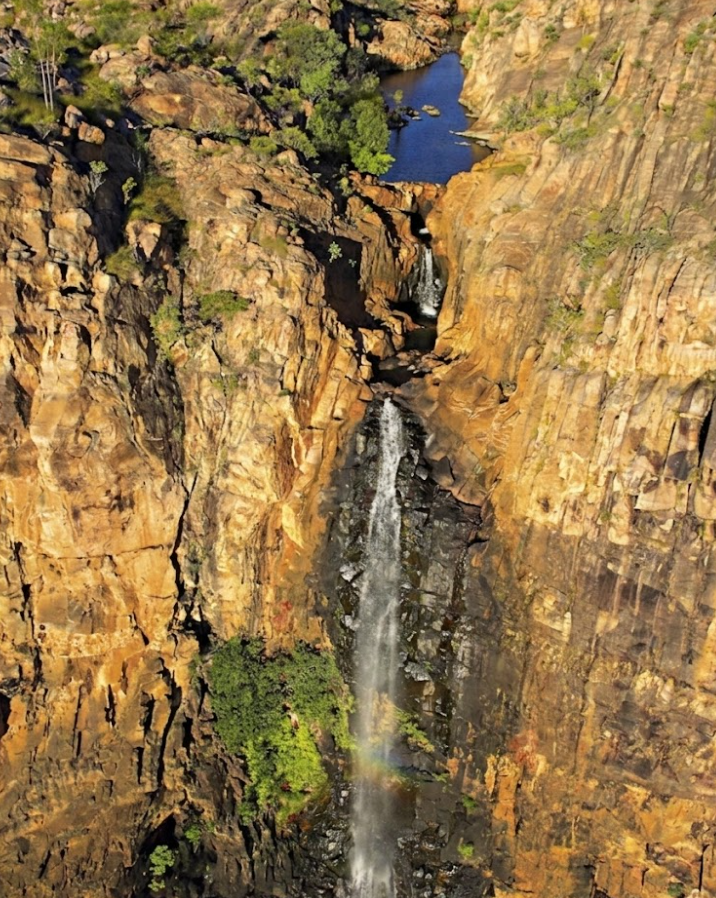
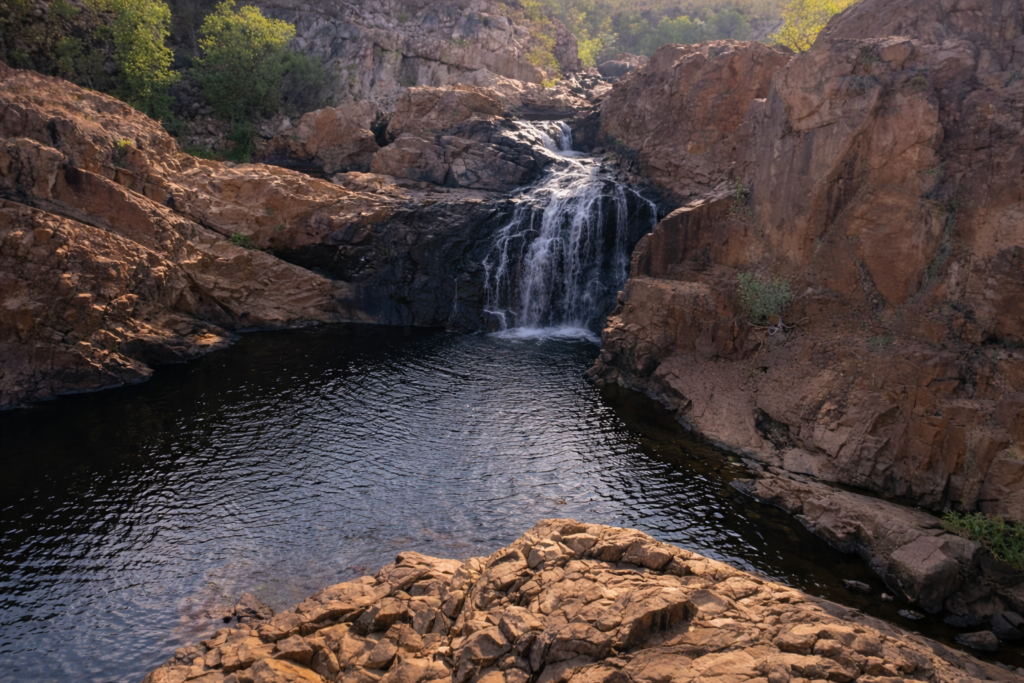
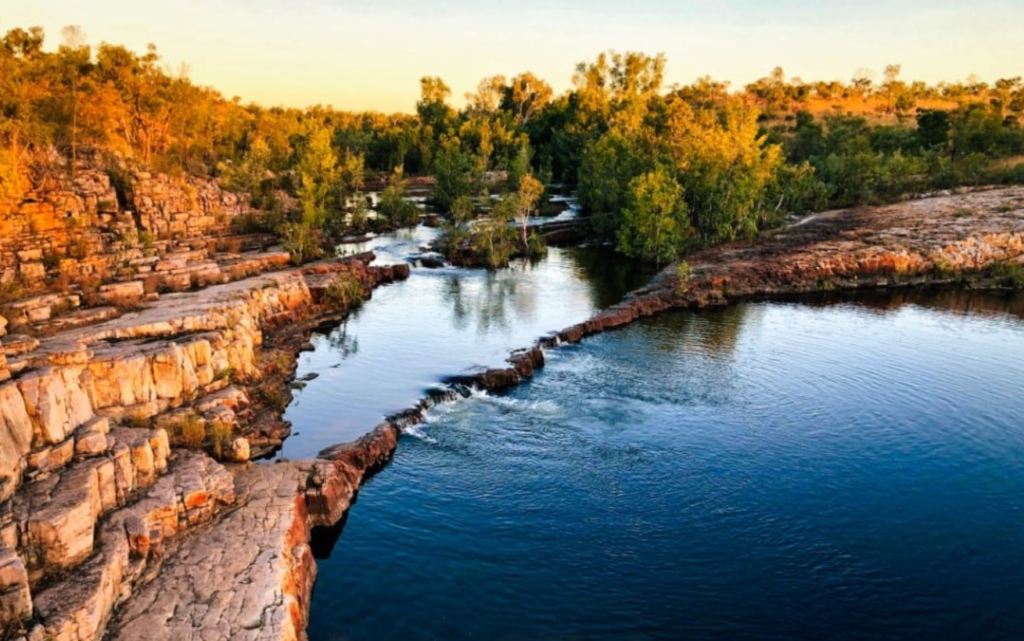
The defining feature of the Jatbula Trail is the opportunity to swim at the end of each day. Every campground is situated beside a waterhole, cascade, or river, offering relief from the heat and a rare luxury on a multi-day hike.
- Biddlecombe Cascades: The first campground, reached after 8.5 kilometres, is located beside a series of cascades. Northern Rockhole provides a scenic stop along the way.
- Crystal Falls: The second campground sits beside a shaded river, reached after 11 kilometres. The trail passes through rock formations and grasslands.
- 17 Mile Falls: The third campground is reached after 10.5 kilometres. The highlight is Jawoyn rock art and views of the escarpment.
- Sandy Camp: The fourth campground lies beside a billabong, reached after 17.5 kilometres. The trail is mostly flat, crossing open grassland and bush.
- Sweetwater Pool: The optional fifth campground is reached after 15.5 kilometres. It offers a popular swimming spot before the final descent into Edith Falls.
Itinerary Options
The trail can be completed in five or six days. The six-day option simply divides the final stage into two shorter sections, but both itineraries cover the same distance.
- Day One: Nitmiluk Gorge to Biddlecombe Cascades, 8.5 kilometres, three hours.
- Day Two: Biddlecombe Cascades to Crystal Falls, 11 kilometres, three to four hours.
- Day Three: Crystal Falls to 17 Mile Falls, 10.5 kilometres, three to four hours.
- Day Four: 17 Mile Falls to Sandy Camp, 17.5 kilometres, four to six hours.
- Day Five: Sandy Camp to Edith Falls, 15.5 kilometres, four to five hours.
- Day Six (optional): Sandy Camp to Sweetwater Pool, then Sweetwater Pool to Edith Falls.
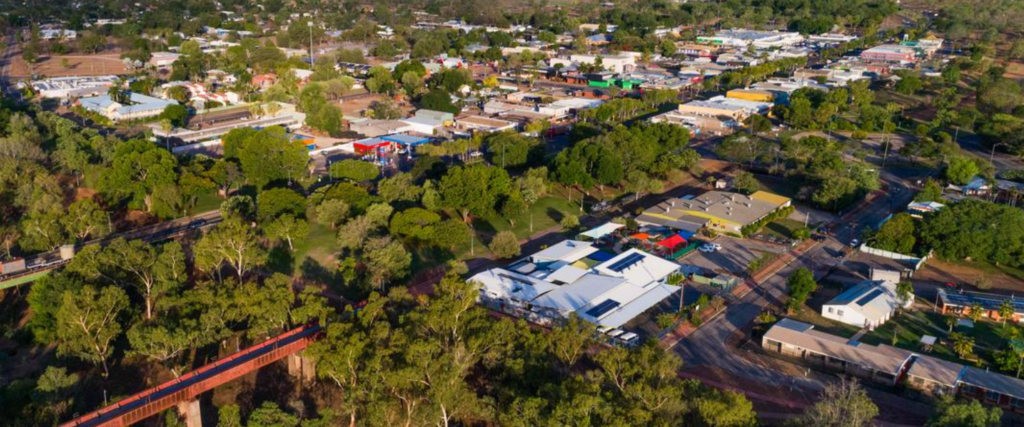
Katherine as a Base
Katherine is the nearest town and serves as the base for most hikers. It has supermarkets, camping stores, and accommodation ranging from motels to caravan parks. Pine Tree Motel offers comfortable rooms with a pool, while Discovery Parks provides cabins and powered sites.
Packing Essentials
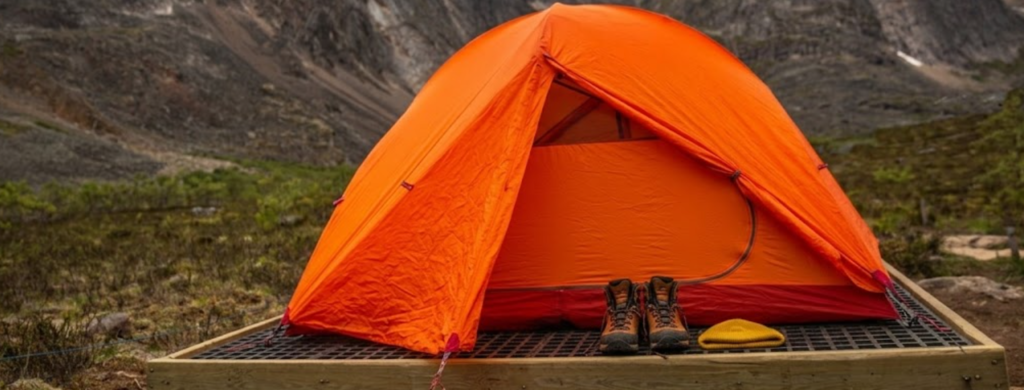
Because the trail has no resupply points, all food and gear must be carried. Lightweight equipment is recommended. Typical items include a tent, sleeping bag liner, inflatable mattress, pillow, headtorch, hydration reservoir, and water filtration devices such as a Sawyer Squeeze or Lifestraw bottle. A sixty-five litre backpack is generally sufficient.
Food must be planned carefully, with enough calories to sustain five or six days of walking in hot conditions. Dehydrated meals are popular, as they are lightweight and easy to prepare. Snacks such as nuts, dried fruit, and energy bars are useful for quick breaks.
The Jatbula Trail is one of the Northern Territory’s premier hikes, combining cultural significance, natural beauty, and logistical simplicity. With its five designated campgrounds, reliable water sources, and clear track, it is accessible to moderately experienced hikers. Yet the climate ensures that determination and preparation are tested daily. For those who secure a permit, the reward is a journey through a landscape that remains untouched, with the rare privilege of ending each day in the cool waters of a natural pool.