
Nova Scotia is a province where the sea writes the menu. The Atlantic presses against its shores with a rhythm that has shaped not only the land but the people, their livelihoods, and their foodways. Among the many treasures pulled from these cold waters — scallops from Digby, haddock fried into golden fish and chips, salmon smoked and candied into sweetness — one dish rises above the rest as the emblem of coastal summer: the lobster roll.
This is not simply a sandwich. It is a story, a tradition, and a taste of the sea itself. To bite into a lobster roll in Nova Scotia is to taste the province’s history, its fishermen’s resilience, and the salt air that lingers long after the last wave has broken.
The Foundation: Humble but Essential
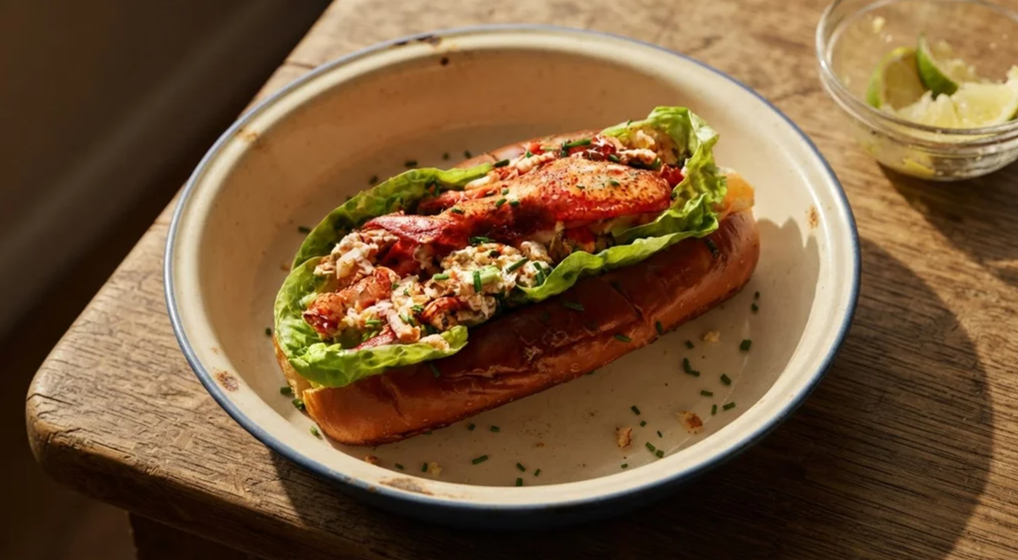
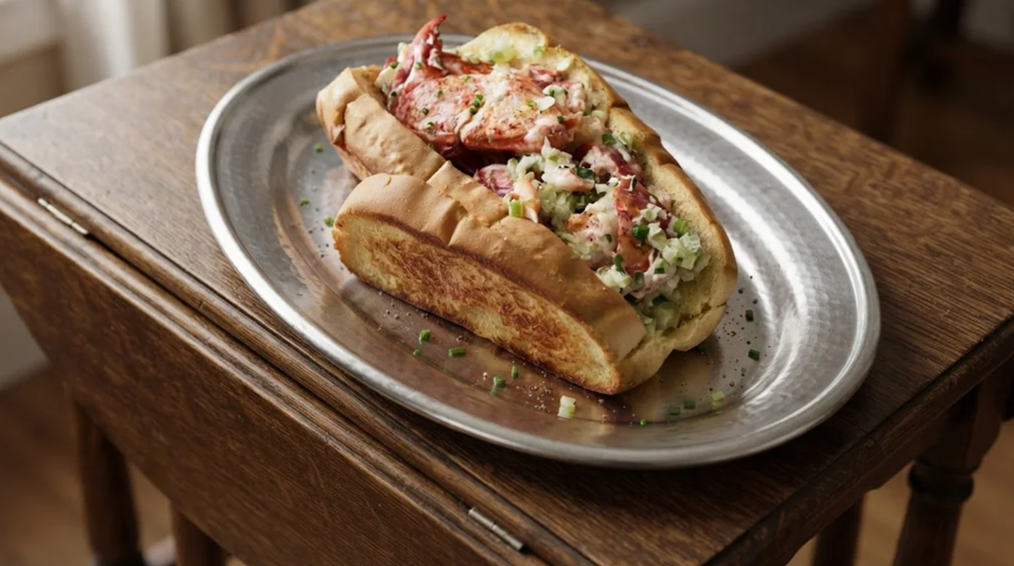
Every lobster roll begins with a bun. Not just any bun, but the split‑top hot dog bun, a vessel so modest it seems almost laughable beside the luxury of lobster. Yet this is the genius of the dish: the bun is the quiet partner, the stage upon which the lobster performs. The bun must be buttered — inside and out — and toasted until golden brown.
The crisp edges provide contrast to the soft meat, while the butter adds richness that echoes the lobster’s natural sweetness. Some line the bun with romaine or spinach, a green shield against sogginess, but the true artistry lies in restraint. The bun is not meant to compete; it is meant to frame.
The Filling: Sweetness of the Sea
The lobster itself is the star. Knuckle meat, claw meat, tail — each piece carries the flavor of the Atlantic, delicate yet profound. The meat is cooked, chilled, and tossed lightly with mayonnaise, finely diced celery, lemon juice, salt, and pepper.
The mixture is simple, designed not to mask but to reveal. Pile the lobster high, let the claws drape over the top like jewels, and you have a roll that feels both rustic and regal. It is a dish that whispers of summer picnics and seaside shacks, yet carries the elegance of fine dining.
The Debate: Butter or Mayo
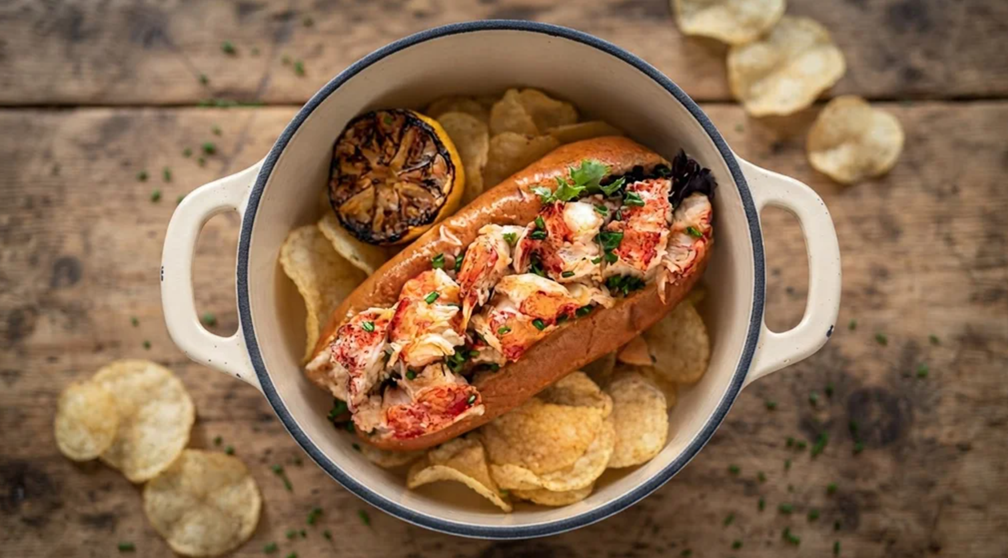
Here lies the great divide. Is the true lobster roll warm lobster bathed in butter, or cold lobster salad kissed with mayo?The buttered version is often called the “OG,” the original roll born from fishermen boiling lobsters in crowded pounds and selling rolls to tourists who wanted a polite way to eat without cracking shells.
Warm, drenched in garlic lemon butter, served on a steaming bun — this is indulgence in its purest form. The mayo‑based salad, however, has spread like wildfire, beloved in restaurants across the Maritimes. Cold, creamy, refreshing — it is the version most often seen today. Yet ask the locals, and many will tell you: the warm roll, dripping with butter, is the one that truly sings.
The Scene: A Maritime Summer
Picture it: a picnic table by the water, gulls wheeling overhead, the smell of salt and seaweed in the air. A lobster roll sits before you, paired with potato chips or fries, condensation sliding down the side of a cold drink. This is the taste of coastal Canadian summer. Bright, briny, indulgent in its simplicity.
It is comfort food, yes, but it is also a celebration — of the sea, of the season, of the joy of eating with your hands and licking butter from your fingers.
The Legacy: Saltwater Foodways
The lobster roll’s history is as fascinating as its flavor. In the early days, fishermen kept their catch in “lobster pounds,” natural coves penned off like ranches. When the pens grew full, they boiled a few lobsters, put the meat on rolls, and sold them to tourists. For Edwardian visitors, the roll was a polite way to eat lobster without the mess of cracking shells.
It was roadside food, cheap and cheerful, yet it carried the allure of the sea. Over time, the roll transformed, becoming both humble and iconic, a delicacy that costs half at home compared to hipster seafood joints, yet tastes twice as rich when eaten with the Atlantic breeze at your back.
The Recipe: Back to Basics
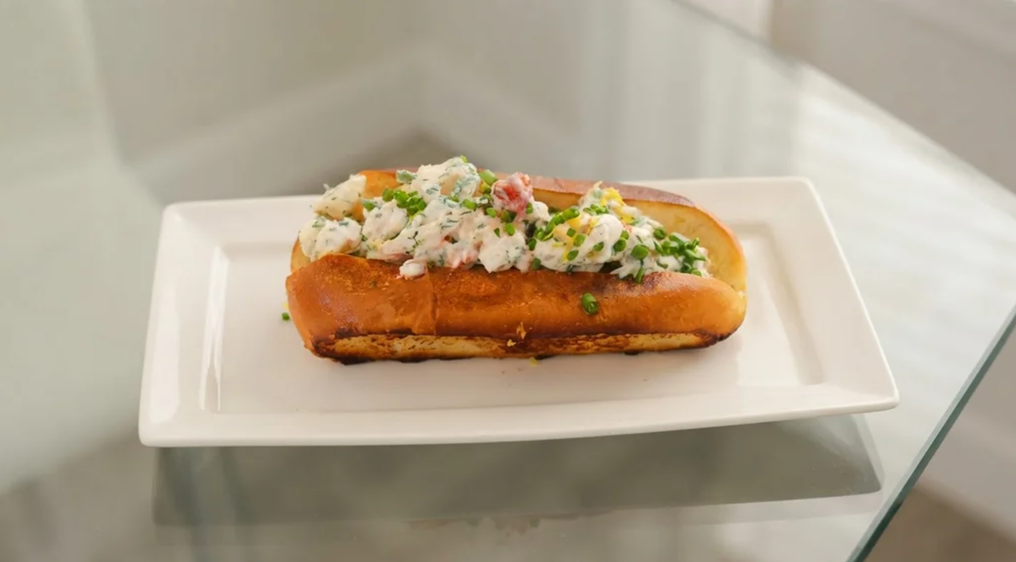
To make your own lobster roll at home, follow the wisdom of the coast: keep it simple.
Fresh lobster meat — 2 cooked lobsters, refrigerated, cold meat ideal
Hot dog buns — split‑top style, buttered generously
Butter — 2 tablespoons, brushed inside and out
Celery — 1 stalk, finely diced
Mayonnaise — 1–2 tablespoons, high‑quality
Greens — spinach or romaine, to line the bun
Lemon — half, squeezed for brightness
Salt and pepper — a pinch, to tasteToast the bun until golden, line with greens, mound the lobster mixture high, and drape claws over the top.
Serve with chips or fries, and you have a dish that captures the essence of Nova Scotia.
The Flavor Philosophy: Less Is More
The secret of the lobster roll is restraint. The less you add, the more the lobster shines. A complicated marinade, a heavy dressing — these only drown the sweetness of the crustacean. The best rolls are those that taste of the sea, bright and clean, with butter or mayo as supporting notes. This philosophy extends beyond the roll itself.
Nova Scotia’s culinary scene thrives on simplicity: scallops seared with butter, haddock fried crisp, salmon smoked until sweet. Each dish is a celebration of the ingredient, not the embellishment.
The Cultural Symbol
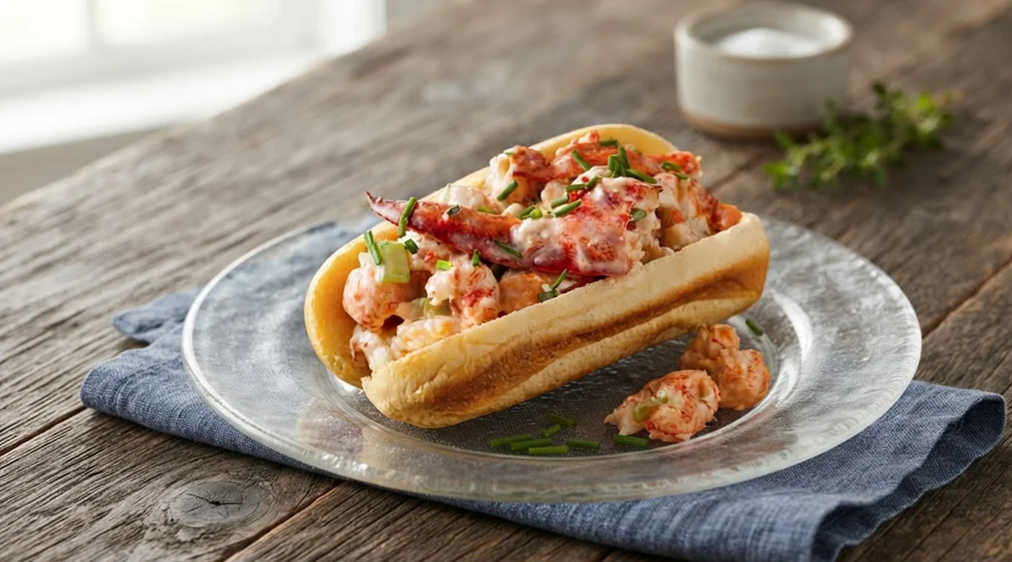
The lobster roll is more than food; it is a cultural symbol. It represents the province’s identity, its connection to the sea, its history of fishing and tourism. It is a dish that locals cherish and visitors seek, a bridge between tradition and modernity. To eat a lobster roll in Nova Scotia is to participate in a ritual, to join a lineage of diners stretching back to Edwardian tourists and practical fishermen.
It is to taste not only lobster but the province itself.
The Experience: Eating by the Sea
There is something transformative about eating a lobster roll by the water. The sound of waves, the cry of gulls, the smell of salt — these are not mere background but part of the flavor. The roll tastes different inland, away from the sea. It loses something, a brightness, a resonance.
In Nova Scotia, the roll is not just food but experience. It is eaten outdoors, with the breeze in your hair, the sun on your face, the sea within sight. It is a dish that demands context, that insists on being part of the landscape.
The Modern Roll
Today, the lobster roll appears in many forms. Some chefs add avocado, bacon, or exotic spices. Some serve it on brioche or baguette. Yet the true roll remains simple: lobster, butter or mayo, bun.The modern variations are creative, yes, but they risk losing the essence. The lobster roll is not meant to be complicated. It is meant to be pure, to let the lobster speak.
The Economics of Lobster
Lobster was once considered poor man’s food, cheap and plentiful. Fishermen boiled it in bulk, tourists ate it roadside. Today, lobster is a luxury, yet the roll remains accessible. At home, it costs half of what you pay at trendy seafood joints, yet tastes twice as rich.
This accessibility is part of its charm. The roll is both indulgent and humble, both luxury and comfort. It is a dish that democratizes lobster, making it available to all.
The Taste of Nova Scotia
Ultimately, the lobster roll is the taste of Nova Scotia. It is the province’s culinary crown, its coastal anthem, its edible story. To eat one is to taste the sea, the history, the culture.It is proof that sometimes the simplest things — butter, bread, and the sea’s sweetest meat — leave the deepest impression.