
Introduction
There are places that feel like whispers, places that arrive in your memory before you ever set foot on them. The Magdalen Islands — Les Îles de la Madeleine — are such a place. Strung across the Gulf of St. Lawrence like a necklace of green and red gems, they are fragile and fierce all at once.
Known to the Mi’kmaw Nation as Menagoesenog, “islands swept by the surf,” they are a world apart, yet close enough to touch. Here, the sea is not backdrop but heartbeat, and every arrival feels like a homecoming.
Arrival by Sea
Your island story begins aboard The Madeleine, the ferry that carries you from Prince Edward Island across five hours of salt air and anticipation. It is more than transport — it is initiation. By the time you dock, you are already half-islander, ready to be claimed by Cap-aux-Meules.
The ferry is more than a vessel; it is a lifeline. Islanders measure seasons by its rhythm, and visitors quickly learn that delays, storms, and celebrations all pivot around its schedule. To stand on deck as the Gulf opens wide is to feel the islands calling you home.
Cap-aux-Meules Adventures
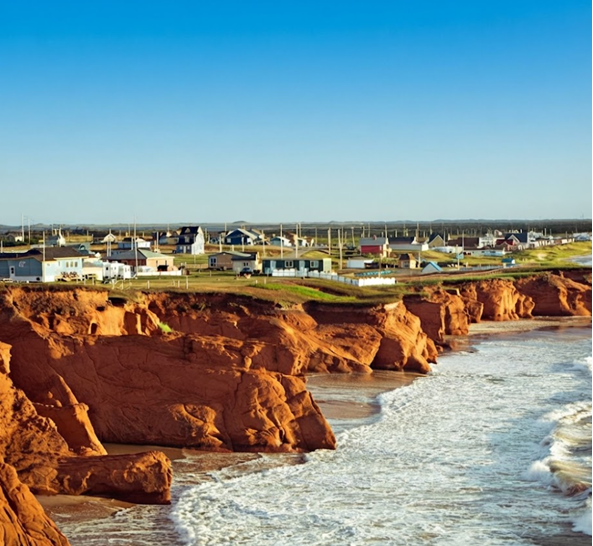
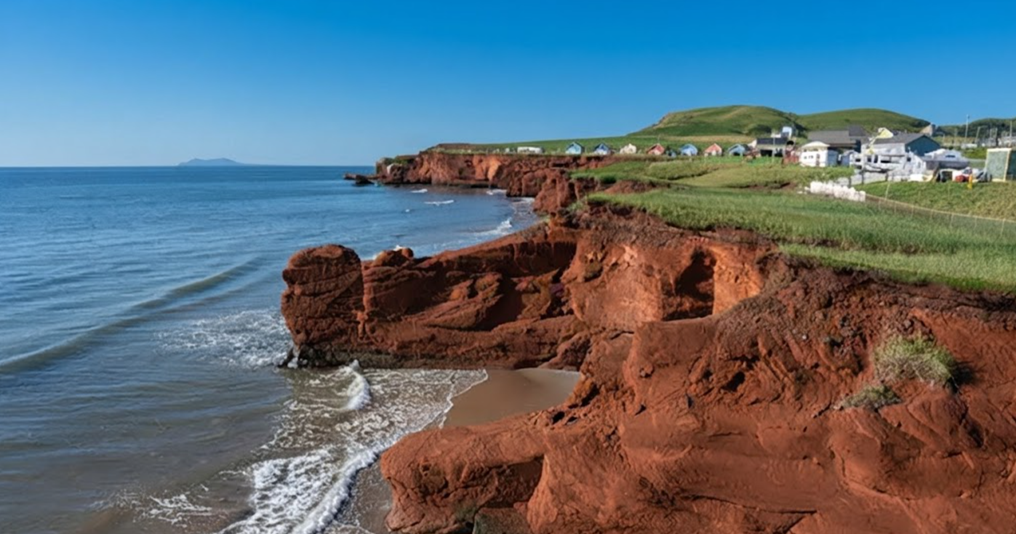
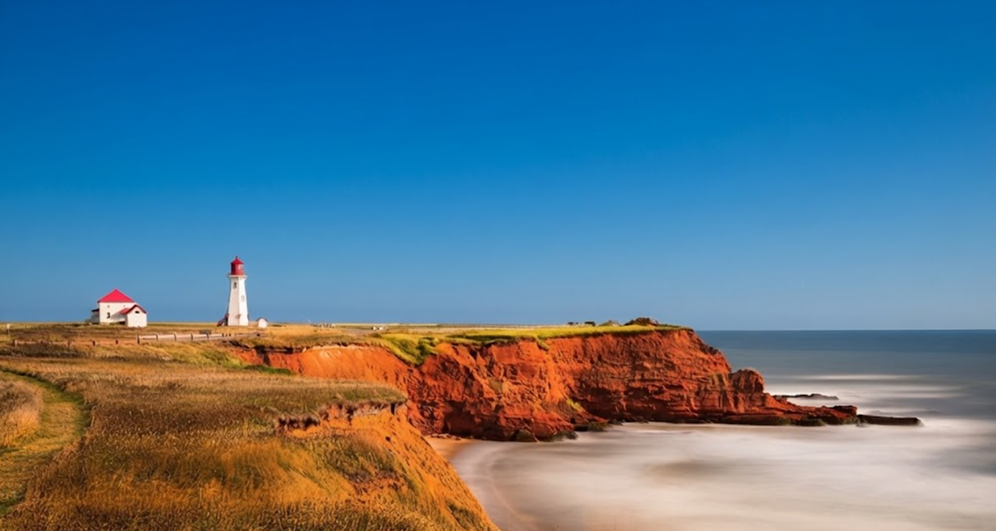
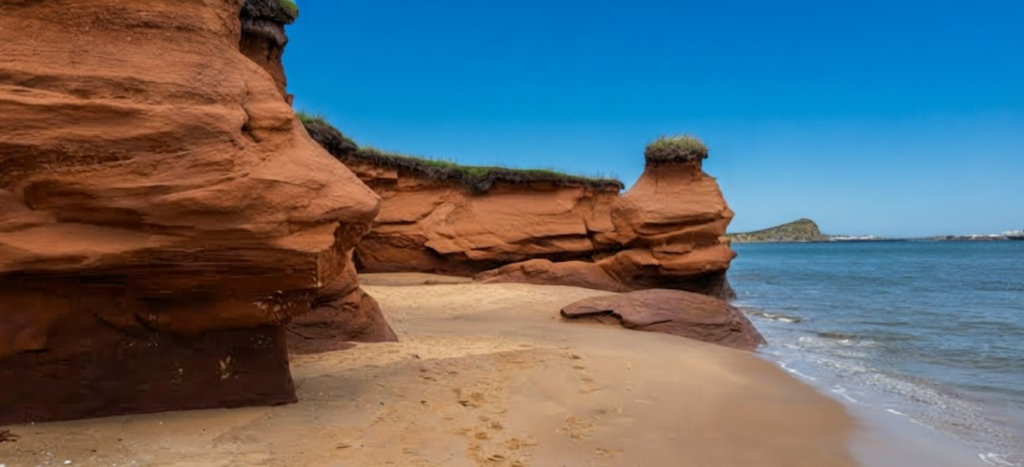
Cap-aux-Meules is the central hub, bustling yet never hurried. Rent a kayak and paddle beneath cliffs the colour of rusted fire, or slip into lagoons where the water mirrors the sky so perfectly you lose track of which way is up. Trails wind toward white-sand beaches, pastel houses lean into the wind, and every wrong turn feels like discovery.
Here, daily life vibes with quiet resilience. Fish shops line the streets and artisans display their craft. It is the island that teaches you rhythm: not the rush of schedules, but the ebb and flow of tides.
Havre-Aubert & Maritime History
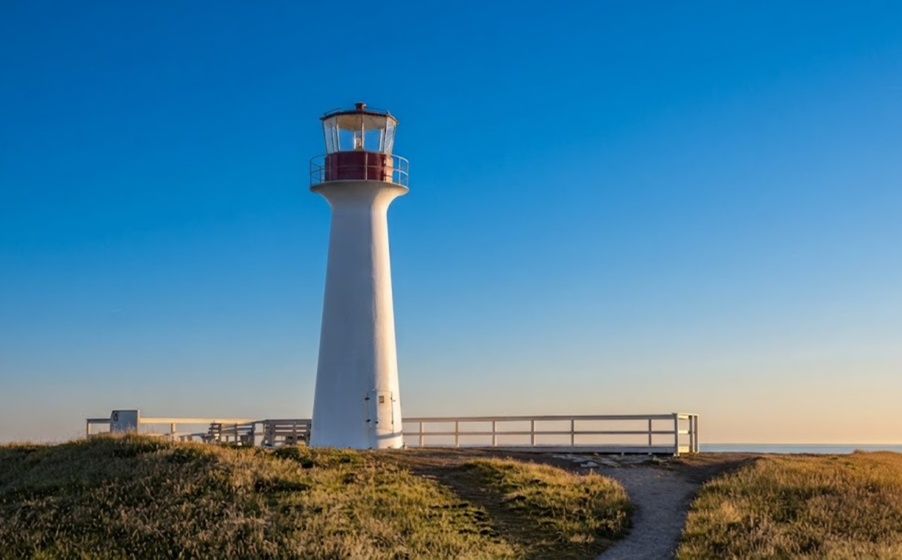
Drive south to Havre-Aubert, where the L’Anse-à-la-Cabane lighthouse stands sentinel over a cove that feels eternal. Its white tower rises against the horizon, a reminder of how fragile navigation once was. Nearby, the Musée de la Mer tells stories of more than 500 shipwrecks that haunt these waters.
Exhibits whisper of storms, survival, and the resilience of islanders who built their lives around the sea’s unpredictability. Step into La Grave, a historical village where cafés, craft shops, and boardwalks preserve the rhythm of traditional maritime life. The name comes from grève — pebble and sand — and the village feels like a living museum, where every building carries the weight of memory.
Lobster Season Traditions
In Grande-Entrée, Québec’s lobster capital, the wharf comes alive in early May. Bundled residents gather in the dark hours before dawn, offering galettes to fishers as they set out to sea. Watching the boats disappear into the horizon is an emotionally charged tradition — a communal heartbeat that binds generations.
The lobster season is more than economy; it is identity. Families gather to celebrate and children wave as boats vanish into the mist. Later, stroll the docks as boats return, their catches unloaded in a spectacle of resilience and abundance. To taste lobster fresh from the traps is to taste the islands themselves — salt, wind, and tradition in every bite.
Entry Island Solitude
For those who crave silence, take the ferry to Entry Island, uninhabited and hushed. Here, dunes roll like sleeping giants and the only company is the cry of seabirds. Spread out your picnic — bread, cheese, smoked fish from yesterday’s market — and let the stillness remind you how rare true solitude is.
Entry Island is a place of pause. No shops, no crowds, only the rhythm of waves and the sweep of sky. It is the island that teaches you how to listen.
Birdwatching & Wildlife
The islands are a sanctuary for birds. Rocher aux Oiseaux and Brion Island host puffins, cormorants, and endangered piping plovers. Pointe-de-l’Est Refuge offers dunes alive with fragile species, while freshwater ponds shelter herons and kingfishers. Even a walk in the Magdalen forest, dominated by balsam fir and spruce, might reveal Boreal Owls or Winter Wrens.
Birdwatching here is not a hobby but a pilgrimage. Every dune, every pond, every cliff is alive with wings. To watch a puffin dive or a plover nest is to witness resilience written in feathers.
Winds & Waves
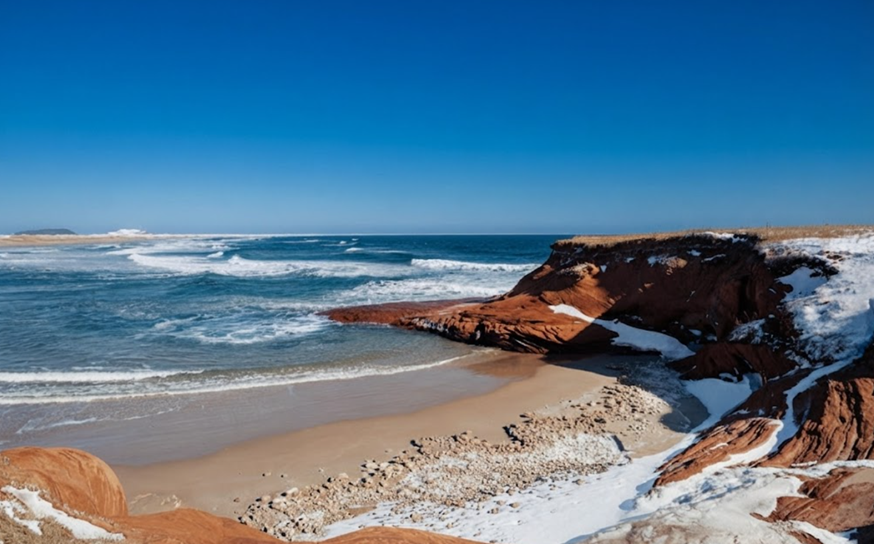
The islands are also playgrounds for wind. Kitesurfers and windsurfers rise like colourful birds above the dunes, chasing gusts that never fail to arrive. For calmer waters, CindyHook Sports Aventures offers kayaking, surfing, and even giant paddleboards for four — proof that adventure here is always shaped by the sea.
The wind is constant, shaping dunes, sculpting cliffs, and filling sails. To stand on a beach and feel it whip through your hair is to understand why islanders call it both friend and foe.
Beaches & Dunes
And then there are the beaches. Dune du Sud stretches endlessly, its sandy hillocks backed by red cliffs that glow at sunset. It is the kind of place you stumble upon by accident, a wrong turn that becomes the highlight of your journey. The dunes are alive, shifting with seasons, fragile yet enduring.
Walk them at dawn, when the light turns sand to gold, or at dusk, when shadows stretch long. They are landscapes that remind you of impermanence, beauty always in motion.
Meeting the Islanders
Beyond landscapes, the islands are defined by people. Fishers who rise before dawn and artisans who carve driftwood into sculpture. Visit studios and workshops, where conversations flow as easily as the tide. Here, hospitality is not performance but instinct. Islanders live by the sea, but they also live by community. To share a story, or a laugh is to be folded into their world.
Food of the Sea
Lobster leads the list of local delicacies, but scallops, mussels, crab, and mackerel follow close behind. Pair them with artisanal cheeses and herbal infusions.
Hiking the Sentiers Entre Vents et Marées
At the end of winter, when days lengthen and life blossoms again, lace up your boots and walk the Sentiers Entre Vents et Marées. These trails stretch across the islands, offering a way to explore at your own pace. Migratory birds return, dunes awaken, and every step feels like renewal.
The trails are not just paths; they are invitations. Walk a little or walk the length of the archipelago, and you will find yourself woven into its rhythm.
Grande-Entrée Evenings
End your days in Grande-Entrée, where fishing boats painted in jubilant colours dock in the harbour. The air is thick with salt and laughter and you realize the islands have given you something rare: communion with sea and land, with people who live by tides and winds, with a culture both Quebecois and Maritime, both ancient and immediate.
The Magdalen Islands are not easy to reach, but that is their gift. They are far and close at once, a European dream tucked into Canadian waters, a place where every wrong turn leads to a dune, a cliff, a beach that feels like discovery. They are not just islands; they are a way of being.