
A Journey Along Tasmania’s Wild Edge
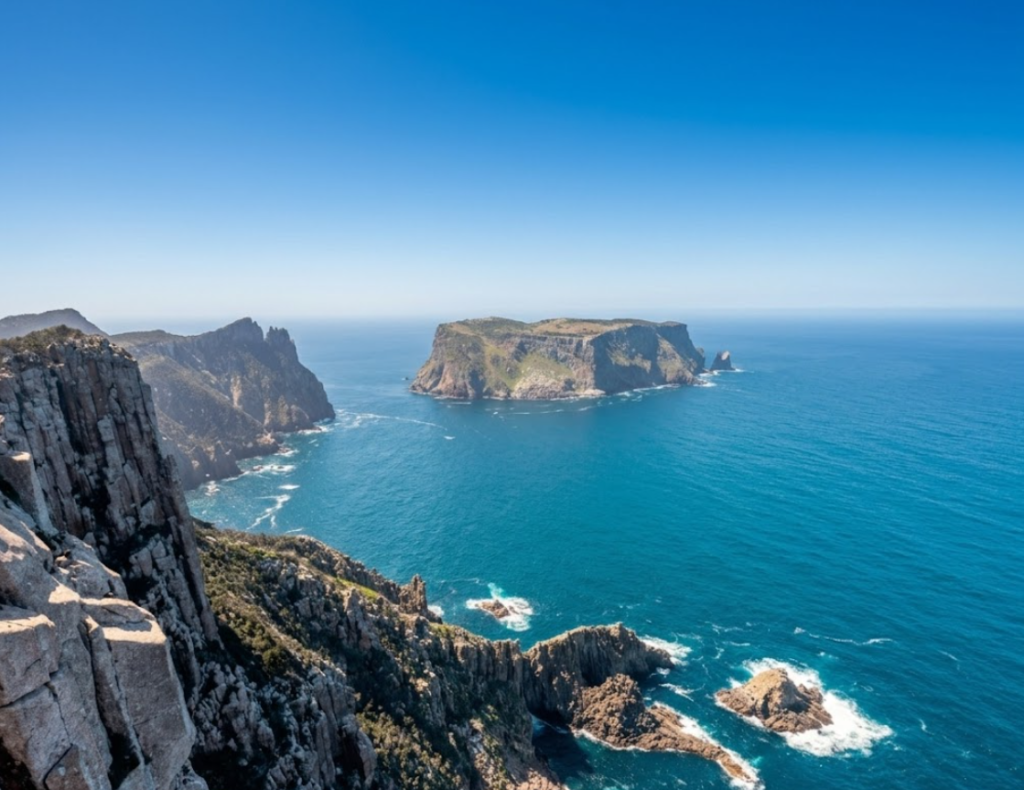
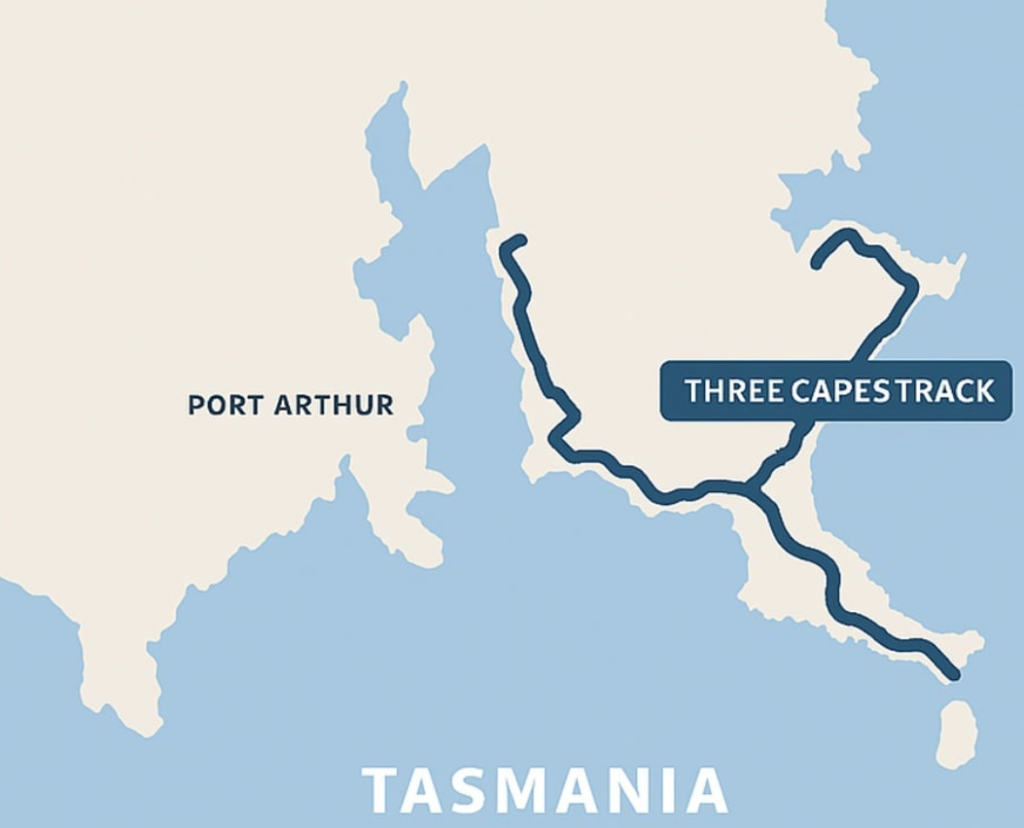
There are places where the land seems to lean into the sea, where cliffs rise so sheer and high they feel like walls between worlds. The Three Capes Track is one of those places. Stretching forty-eight kilometres across the Tasman Peninsula, this four-day walk is not simply a hike but a slow immersion into Tasmania’s southern wilderness, a rhythm of footsteps and sea spray, of timber huts and dolerite cliffs, of solitude and shared stories.
It begins at Port Arthur, a site heavy with history, where the ruins of a penal colony whisper of lives once bound to this remote edge of the world. From here, a boat carries you across waters that shimmer beneath towering cliffs, past hidden beaches and narrow coves. The cruise itself feels like a prologue, a gentle initiation into the drama that awaits. You step ashore at Denman’s Cove, sand cool beneath your boots, and from that moment the track begins to unfold.
A Trail Shaped by Care
The Three Capes Track opened in 2015, the result of a $25 million vision by Tasmania Parks and Wildlife. The investment was not just in timber and stone, but in experience. Paths were softened, huts were raised, and systems were designed to limit walkers to thirty-six each day. This exclusivity is not about luxury alone; it is about preserving silence, ensuring that each person who walks here feels the immensity of the cliffs without the chatter of crowds.
It is listed among the Great Walks of Australia, and rightly so. Yet it is more than a badge of prestige. It is a curated immersion, a balance of wilderness and comfort, a way of stepping into the raw edge of Tasmania without carrying the full weight of survival on your back.
What Your Ticket Buys
The cost—AUD$595—may seem steep at first glance, but what it buys is freedom. Freedom from tents and sleeping mats, from heavy stoves and endless gear. Instead, you carry only food, clothes, a sleeping bag, and your camera. The huts provide memory foam mattresses in modern dormitories, heated dining rooms, compost toilets, yoga mats for stretching, and clean water tanks tested for quality. Kitchens are stocked with stoves, kettles, pans, and detergent. Charging stations allow you to revive your phone or camera, though power banks are wise companions.
It is comfort without excess, wilderness softened by care. You walk lighter, and in walking lighter you notice more—the way the cliffs catch the light, the way the wind shifts, the way silence deepens at dusk.
The Huts: Timber Sanctuaries
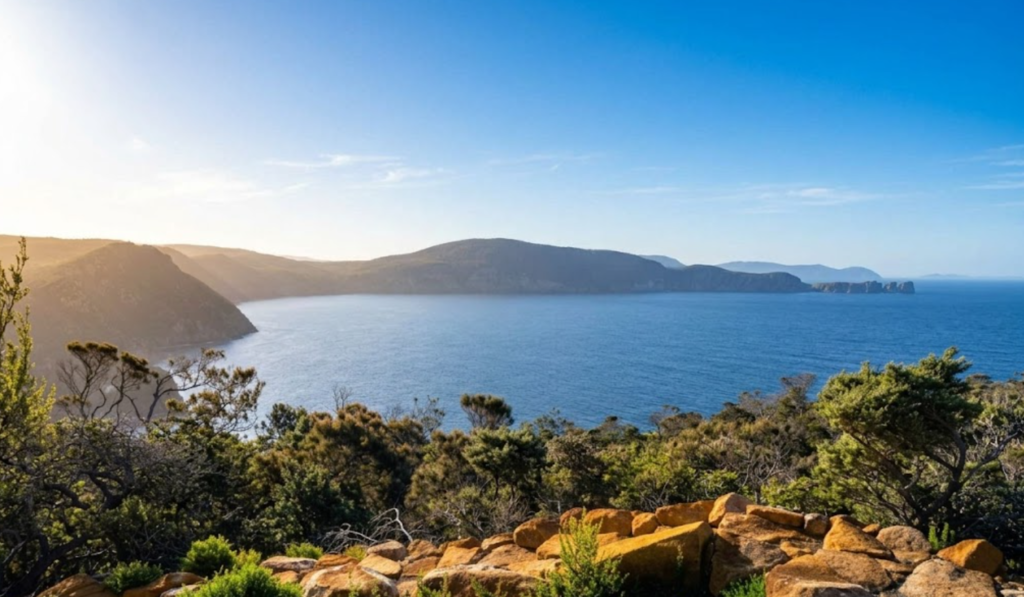
Surveyors Hut, Munro Hut, Retakunna Hut—three timber sanctuaries spaced along the track. Each night you move forward, each hut a new chapter. They are works of art in themselves, designed to blend into the landscape yet offer warmth and shelter.
Inside, kitchens hum with the clatter of pans, dining rooms glow with conversation, and rangers pin weather forecasts to the walls. Outside, decks open to views that remind you why you came. Munro Hut, with its vast seating area, feels almost communal, a place where stories are exchanged and friendships sparked. Retakunna, tucked deeper into the forest, feels quieter, a pause before the final push.
The rhythm is simple: walk, arrive, rest, share, sleep. And in that rhythm, the days take on a clarity that modern life rarely allows.
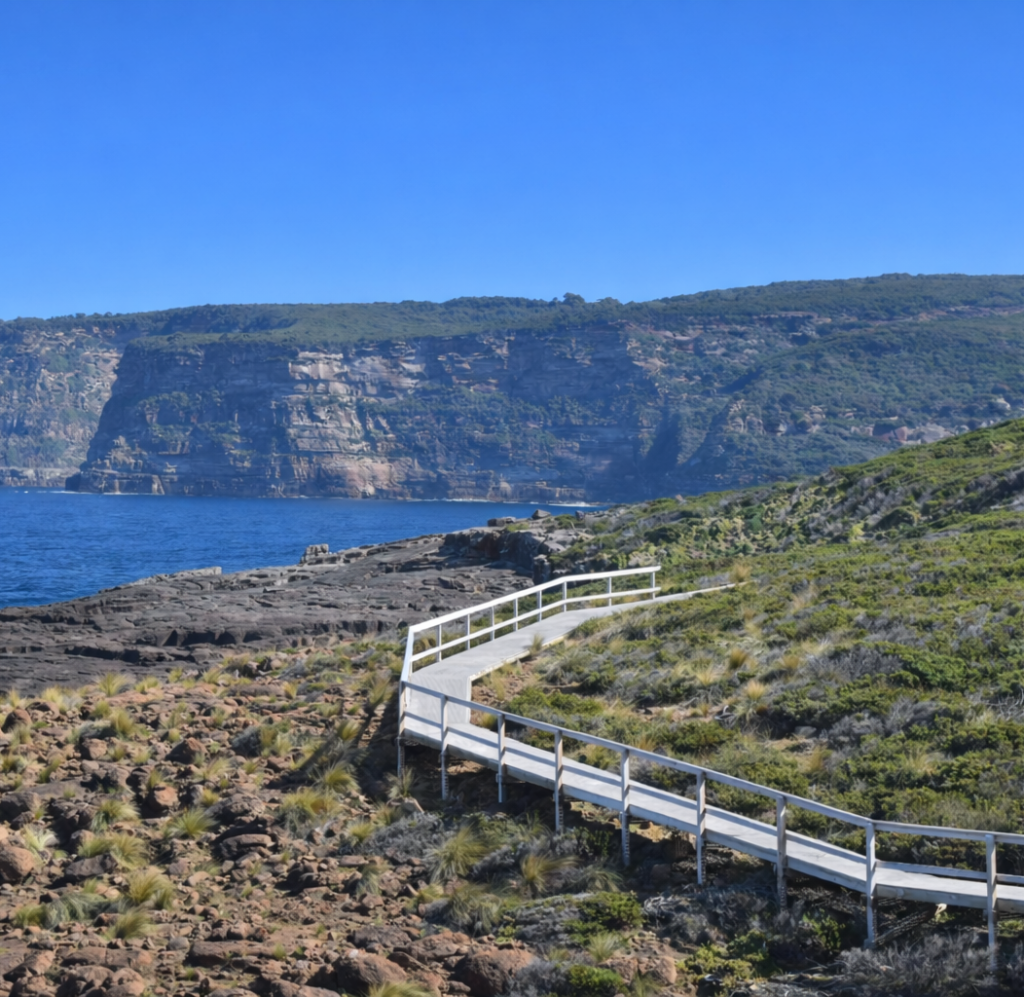
The Path Itself
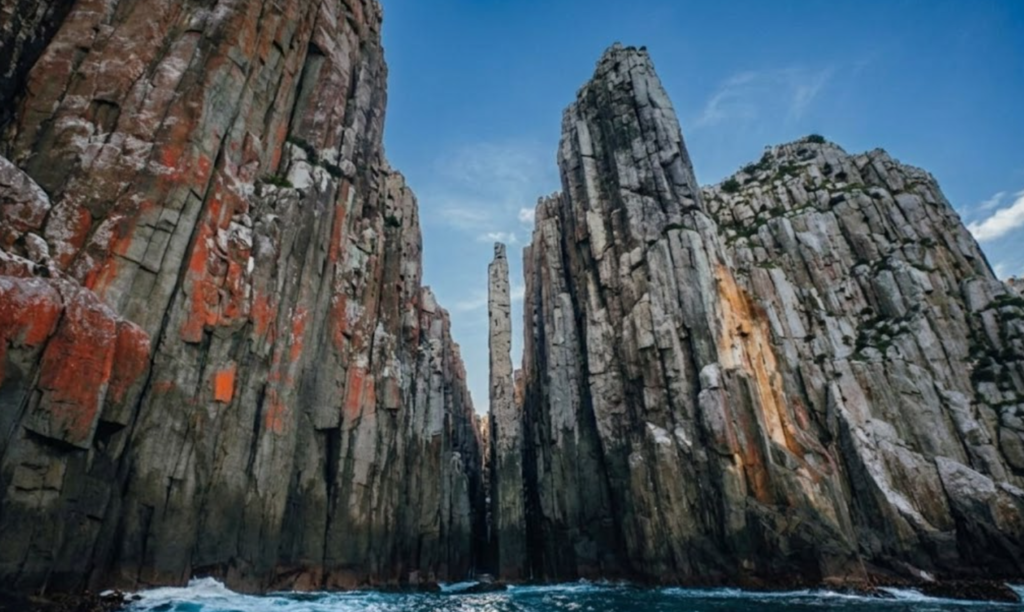
The track winds along the highest sea cliffs in the southern hemisphere. Cape Pillar rises like a fortress, its dolerite columns plunging into the sea. Cape Hauy juts out like a blade, sharp against the horizon. Cape Raoul, though not part of the official walk, looms nearby, its cliffs a reminder of the scale of this peninsula.
The path is graded easy to moderate. Four hours of walking each day, steady and sure, is enough. Fitness need not be extreme, but preparation helps. The distances remind you of your body’s limits, and the cliffs remind you of its smallness. Yet the track is forgiving. Steps are cut, gradients softened, and the huts offer rest. It is a perfect introduction for those new to multi-day hikes, and a refreshing change for seasoned walkers who want wilderness without burden.
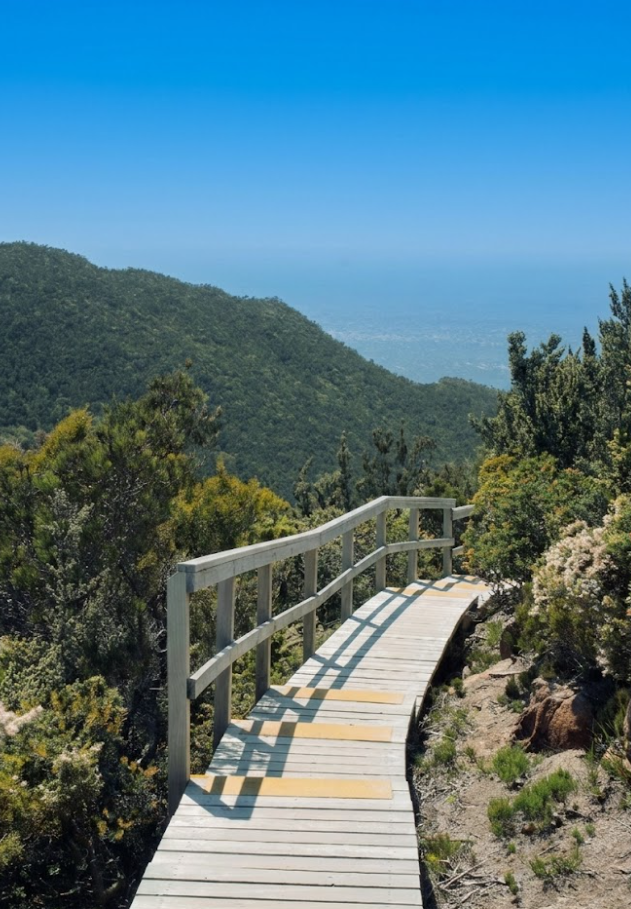
Weather and Preparation
Tasmania’s weather is mercurial. Even in summer, frost can bite, rain can sweep in without warning, and winds can howl across the cliffs. Rangers print forecasts each evening, but the real lesson is readiness. Waterproofs are essential, warm layers non-negotiable, and a rain cover for your pack can save your gear.
Beyond the first day, water is never a worry. Tanks at each hut provide fresh rainwater, tested regularly. Fill your bottles each morning and walk without concern. It is a small luxury, but one that makes the journey lighter.
The Extras: History and Return
Your ticket includes more than the walk. A two-year pass to the Port Arthur Historic Site invites you to linger before or after your hike, exploring ruins and gardens, listening to stories of convicts and colonists. A guided tour and boat cruise are part of the package, weaving history into wilderness.
At the end, a shuttle waits at Fortescue Bay, ready to carry you back to Port Arthur. Departure times are chosen when you book—2:30pm or 4pm—and the rhythm of the track ensures you arrive in time.
It is a neat circle: history to wilderness, wilderness back to history. The past and present braided together.
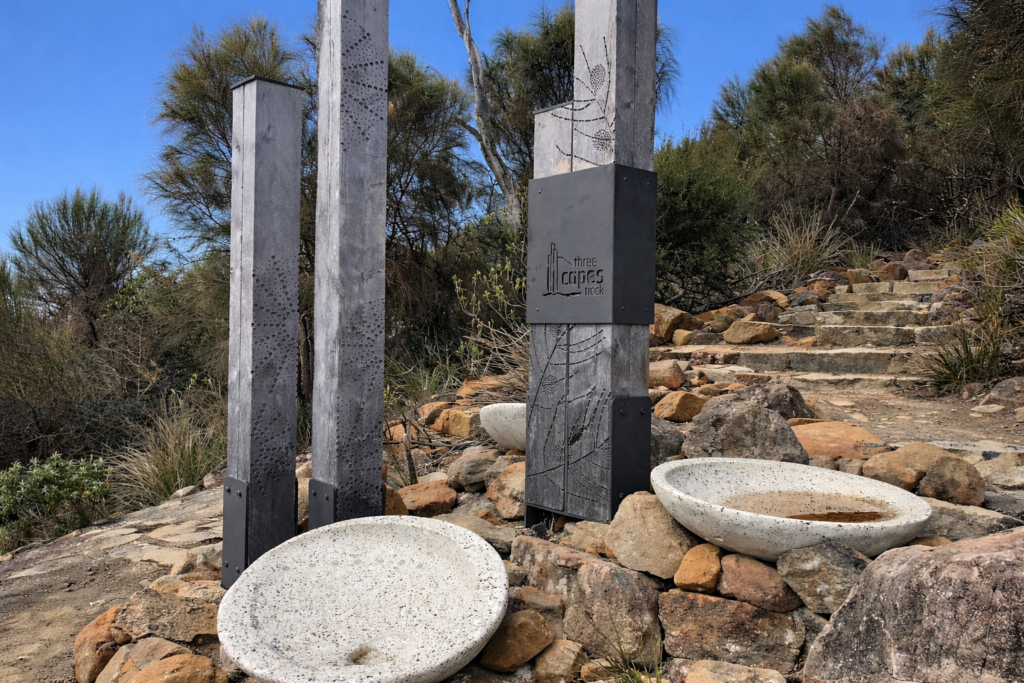
Getting There
From Hobart, the drive takes ninety minutes, following the Convict Trail. From Launceston, three and a half hours. Roads are sealed, suitable for any car. A car park at Port Arthur holds your vehicle safe while you walk.
For those without cars, buses and coaches run from Hobart. Pennicott Wilderness Journeys and Gray Line offer transfers, while Tassielink provides public transport at a lower cost. Taxis and rideshares are possible, though expensive. However you arrive, the journey begins at Port Arthur, and from there the boat carries you to Denman’s Cove.
The Rhythm of the Walk
Day One: The boat to Denman’s Cove, the first steps along the coast, the arrival at Surveyors Hut. Day Two: Cliffs rising higher, the path winding toward Munro Hut, conversations deepening. Day Three: Forests and ridges, the quiet of Retakunna Hut, anticipation of the final push. Day Four: Cape Hauy, the sea roaring below, the descent to Fortescue Bay, the shuttle waiting.
It is a rhythm of movement and pause, of effort and rest. Each day builds on the last, each hut a milestone, each cape a revelation.
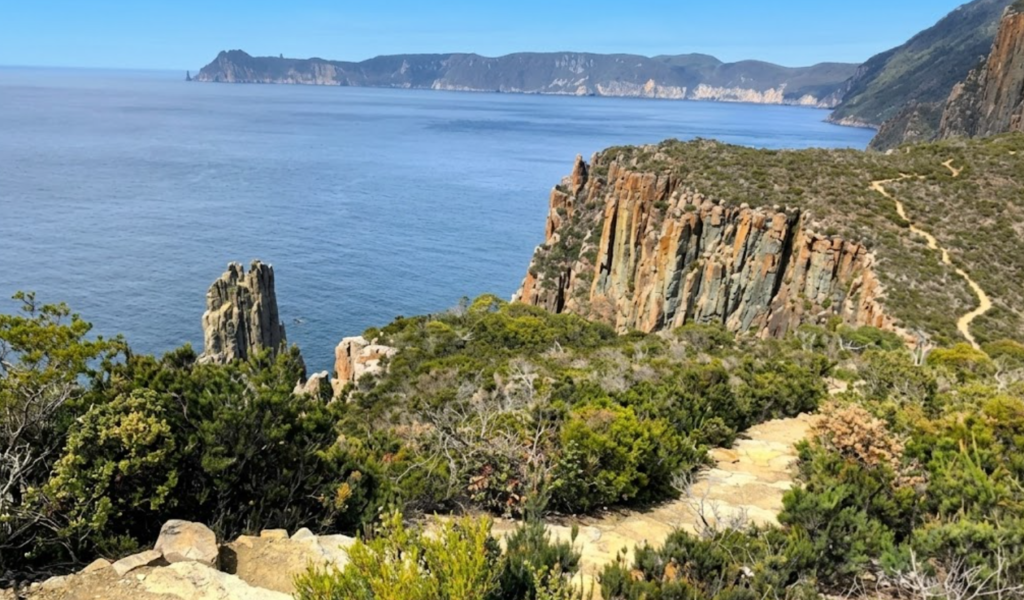
Reflections
The Three Capes Track is not the Overland Track, though both are beloved. The Overland is rawer, more demanding, a test of endurance. The Three Capes is curated, softened, designed for accessibility. Yet it is no less profound. The cliffs are immense, the sea relentless, the silence deep.
It is a walk for those who want wilderness without burden, for those who want to feel small without feeling lost, for those who want to step into Tasmania’s edge and carry away not exhaustion but clarity.
The disappointment lies only in the absence of Aboriginal history in the official storybook, a silence that feels heavy in a place so rich with past. Yet even here, the land speaks, and perhaps it is up to walkers to listen beyond the printed words.
The Three Capes Track is more than a trail. It is a crafted immersion into Tasmania’s wild edge, a balance of cliffs and comfort, of solitude and shared stories. It is a journey where the land leans into the sea, where footsteps trace the edge of the world, where huts glow warm at dusk and silence deepens at dawn.
It is Tasmania at its most dramatic, softened by care, waiting for those who want to step into its story.