
Faroe Islands > Things to do in Faroe Islands > Tinganes
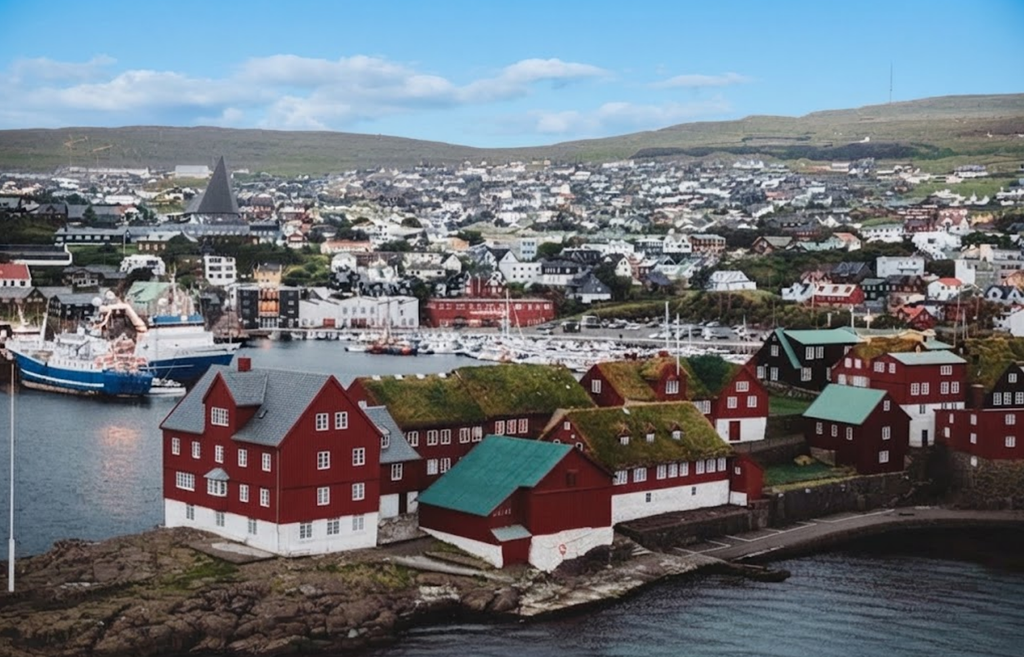
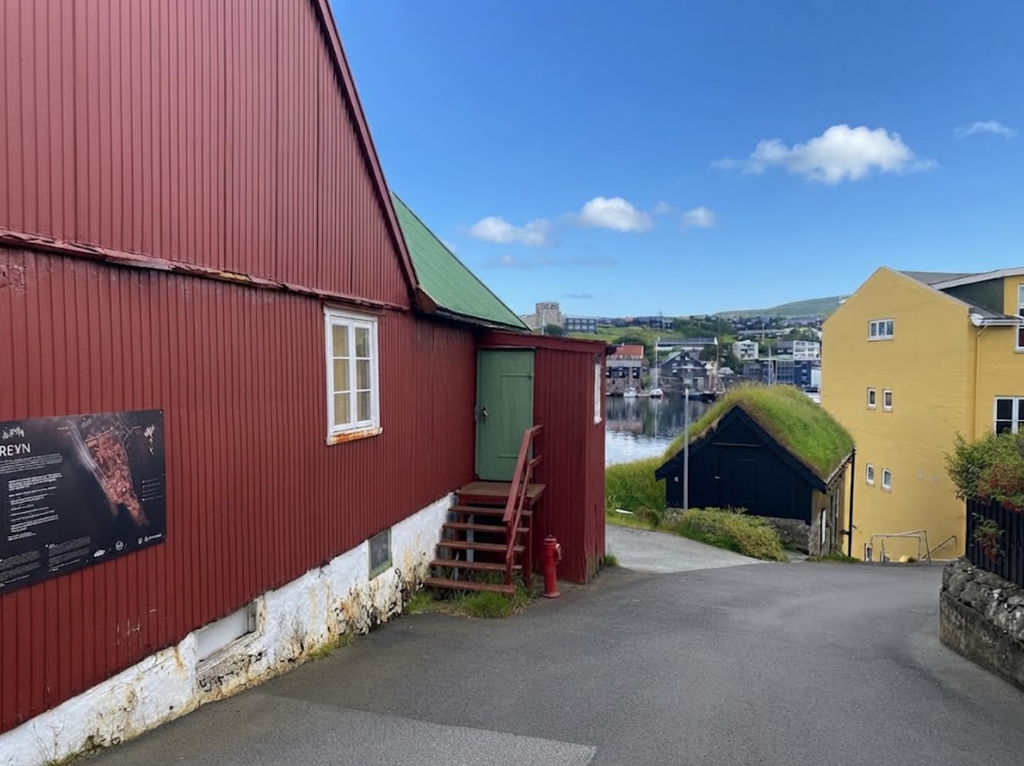
At the southern tip of Tórshavn, Tinganes stretches into the harbour like a quiet peninsula of stories. Its lanes are narrow, its houses pressed close, their turf roofs rippling in the wind. This is where the Faroese parliament first gathered in AD 825, a Viking assembly beneath the open sky. Today, the government still works from these red-painted buildings, their windows gazing out to sea as they have for centuries.
Walking here feels less like sightseeing and more like trespassing into memory. The peninsula is small, but every corner hums with presence: the weight of decisions made here, the rhythm of daily life still unfolding. Tinganes is not polished or picturesque in the way of other European capitals. It is raw, weathered, and alive — a place where history is not displayed but lived.
The Old Town Atmosphere
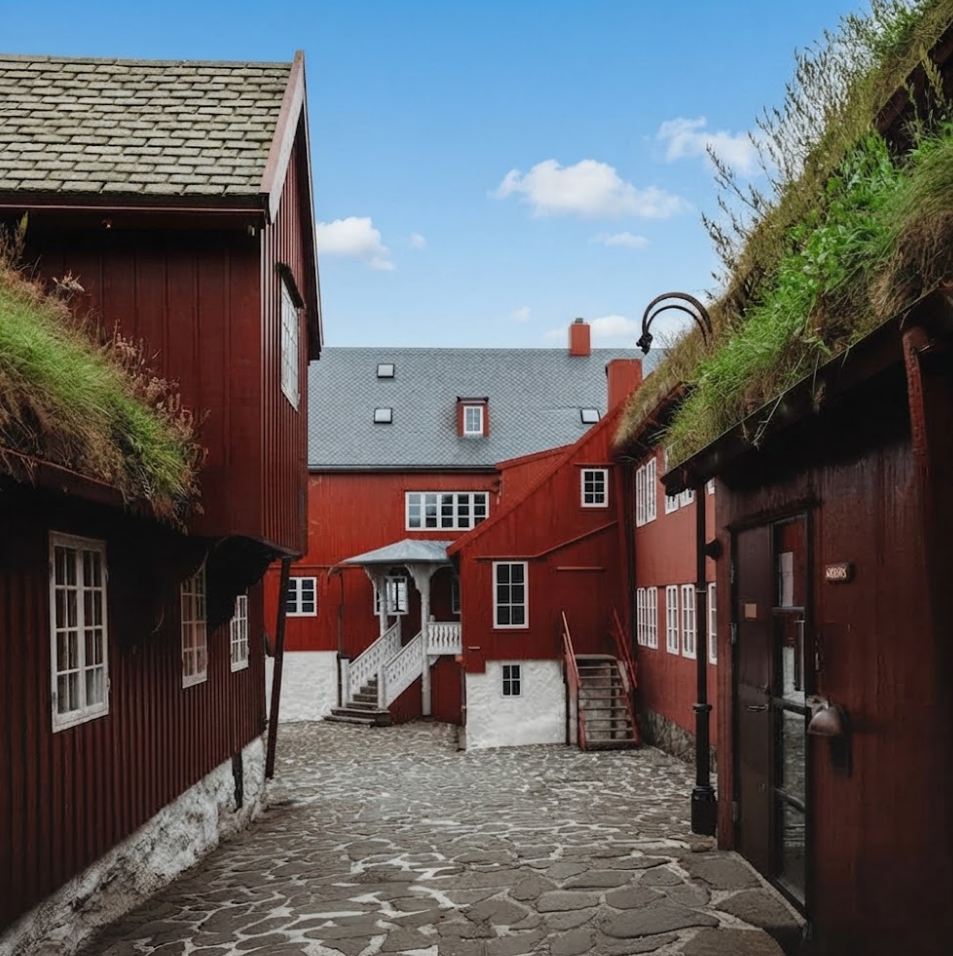
The Old Town of Tórshavn, known as Tinganes, is unlike any other European “old town.” Instead of grand squares or ornate façades, you find grass-roofed houses, black-timber walls, and stone buildings that lean into the wind. The lanes twist unpredictably, leading you past doorways still used by locals today.
Some of the houses are survivors of fire and time, rebuilt after 1673 yet still carrying the weight of their origins. Skansapakkhúsið, the seat of government, rises with quiet authority, while Munkastovan, with its thick stone walls of lime and crushed shells, recalls the monks who once lived within. Look closely and you may find small curiosities carved into rock — a sundial, a wind rose — reminders that even the smallest details hold meaning.
Tórshavn: Between Town and City
With a population of around 20,000, Tórshavn sits somewhere between a large town and a small city. It is peaceful and easy-going, with restaurants that surprise and a local music scene that thrives. Yet it is not a particularly picturesque capital, which explains why photography opportunities can feel limited.
Still, Tórshavn is the hub of the archipelago. From here, bridges and underwater tunnels link the islands, and ferries depart for places like Nólsoy. Any destination can be reached in no more than an hour and a half, making the capital a practical base for exploration.
Navigating Tinganes
Getting into Tinganes can be tricky. The lanes are narrow, and on my first attempt I found myself circling, unsure of where to park. Arriving on Saint Olaf’s Day, the Faroese national holiday, added another layer of challenge: no parking near my hotel, and my bags and camera gear had to be carried a kilometre from the ferry carpark.
Yet once the luggage was stored, the inconvenience faded. I was free to wander the peninsula, to explore the lovely little houses and public buildings, to feel the weight of history beneath my feet.
Nólsoy: The Island Across the Water
Just 4 km from the capital, Nólsoy lies across the water, a short 33-minute ferry ride away. I spent a few hours there and wished I had arranged to stay overnight. The island offers a popular hike, a local pub with great food and live music, and bird populations that are extraordinary.
European storm petrels nest here in numbers — 50,000 pairs — alongside 30,000 pairs of Atlantic puffins and 100 pairs of black guillemots. For birdwatchers and photographers, Nólsoy is a treasure. The storm petrel and puffin populations are significant, their presence a reminder of how the Faroes remain a sanctuary for wildlife.
The Wider Faroes
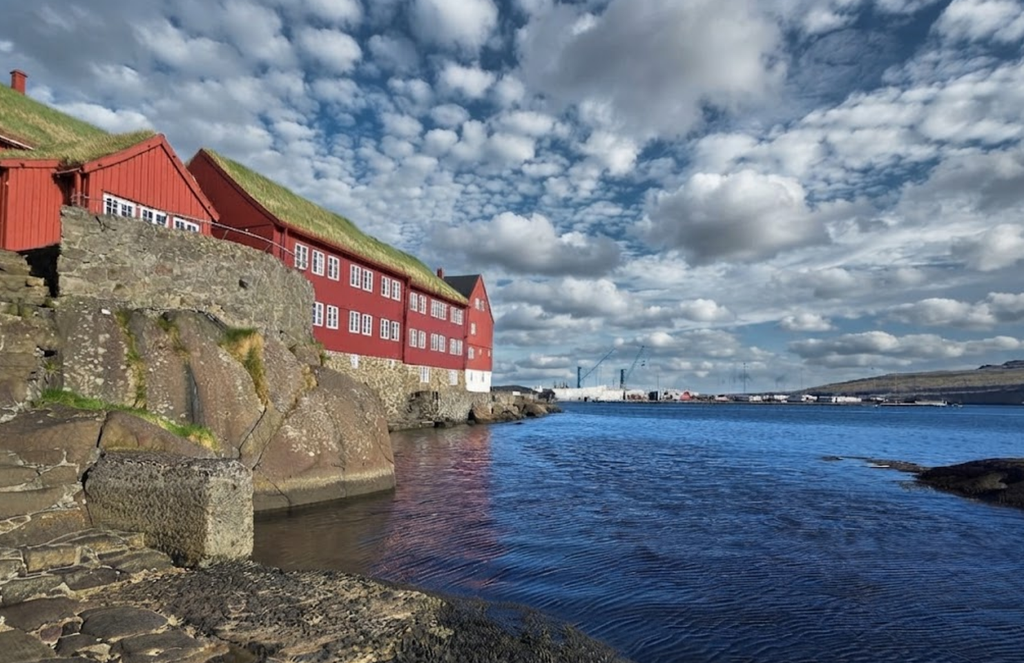
One of the remarkable things about travel in the Faroe Islands is the ease of movement. Bridges and tunnels link the islands, and from Tórshavn you can reach almost anywhere in an hour and a half. The capital itself is easy to enter and exit by car, though Tinganes requires patience and a willingness to navigate its quirks.
For those with only a few days, a hire car is essential. Pick it up at the airport, and you will have the freedom to explore. With Nólsoy so close, Tórshavn — particularly around Tinganes — makes a good option for one of those days.
Historic Landmarks
Beyond Tinganes, Tórshavn offers other landmarks worth visiting. The Tórshavn Cathedral, constructed in 1609, stands as a reminder of the city’s spiritual life. Skansin Fort, dating back to 1580, provides views out to Nólsoy and back towards Tinganes. Though little remains of the fort itself, the vantage point is worth the climb.
The harbour area of Vestaravág adds colour and flavour. Restaurants like Skeiva Pakkhus serve modern Faroese cuisine in a tapas-like format. Smoked salmon here is unforgettable, rich and delicate, a taste of the sea itself.
Exploring by Water
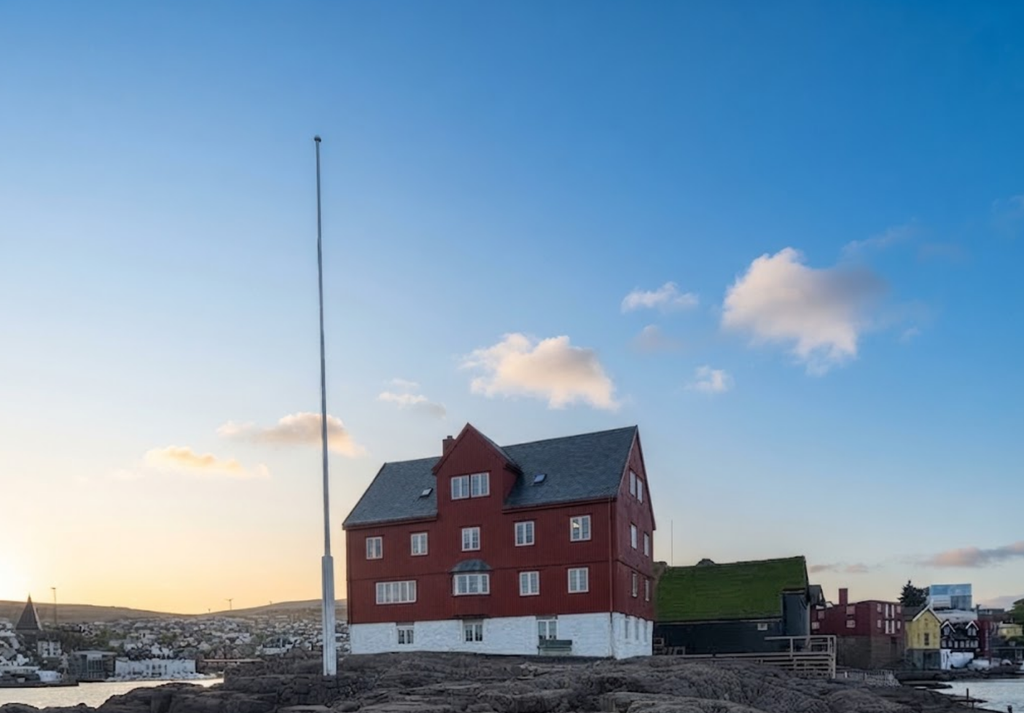
For a different perspective, take to the water. Traditional Faroese boats like Egholm depart from Bryggjubakka in Vestaravág harbour, offering tours that circle the capital. From the water, the red buildings of Tinganes glow against the sea, their turf roofs blending into the landscape.
This view reminds you that Tórshavn is both a modern capital and a historic settlement, a place where past and present coexist.
Tinganes as a Living Heritage
Tinganes is more than a historic district. It is a living heritage site, where government offices share space with centuries-old huts, where locals still walk the lanes, where history is not frozen but ongoing.
It is listed as a heritage site, recognised as an exceptional example of a Nordic port settlement. Yet its charm lies not in designation but in atmosphere: the way the houses lean into the wind, the way the lanes twist, the way the sea laps at the edges.
Reflections
Tórshavn may not be the most picturesque capital, but it is one of the most atmospheric. Tinganes, with its turf roofs and timber walls, its history and its presence, is a place that lingers. Nólsoy, with its birds and its pub, adds another layer to the experience. Together, they form a portrait of the Faroes: resilient, rooted, quietly extraordinary.