
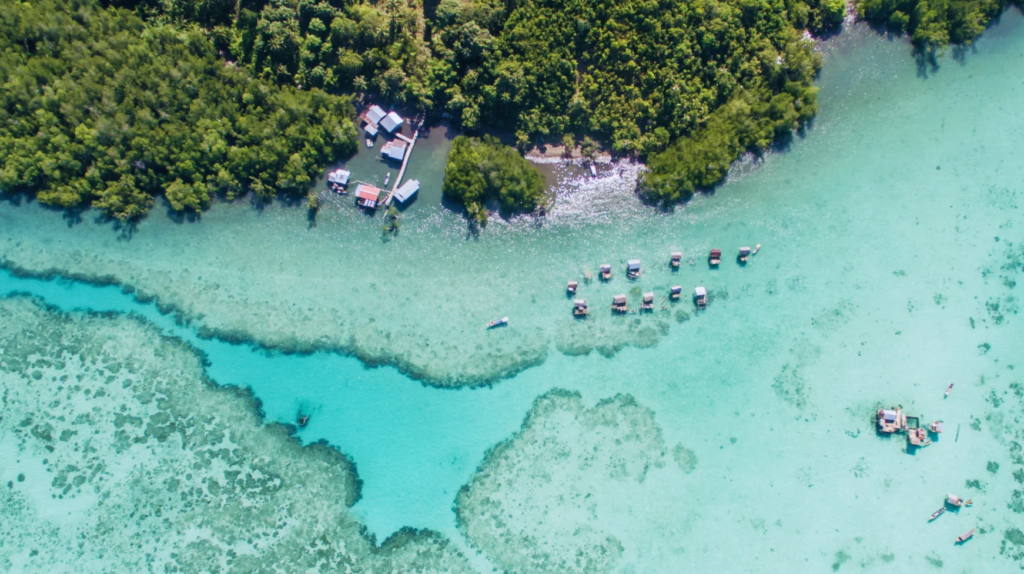
The strait of Semporna shimmered under the morning light as the boat dashed towards the first destination of the day — the much‑anticipated Bohey Dulang. The jetty was already alive with incoming boats, walkways crowded with travelers, and the trail itself filled with people winding their way to the peak. Once a quiet secret, Bohey Dulang has become a place of pilgrimage, its volcanic slopes drawing visitors eager for the sweeping views from above.
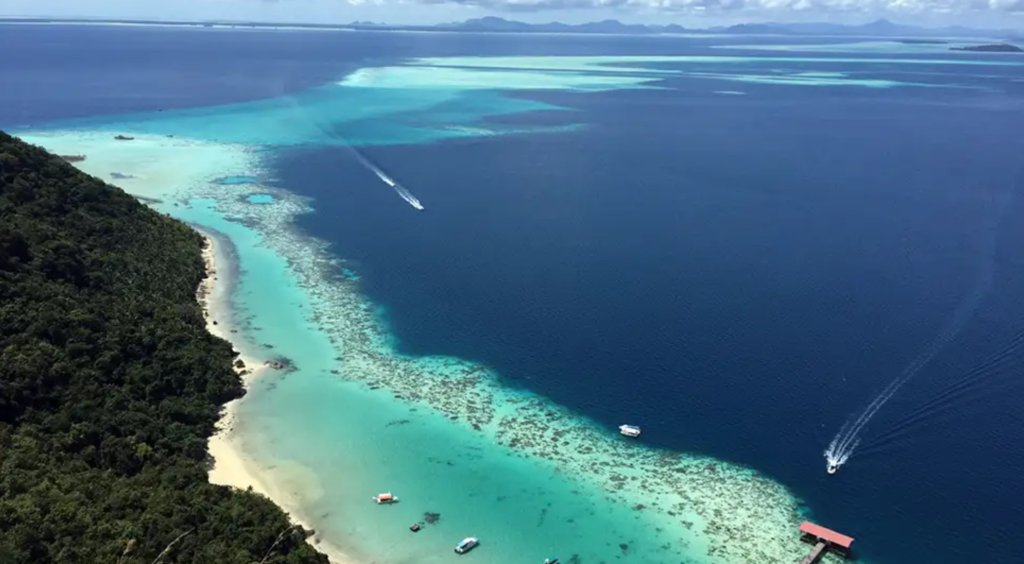
From Bohey Dulang, the journey continued to Mantabuan, where the water was so clear that reefs lay visible beneath the surface like scattered jewels. The island’s white sands and shallow lagoons make it a favorite for snorkeling and quiet relaxation, while the Bajau Laut communities who live here offer a glimpse into traditional sea‑based life.
Sibuan followed, a long stretch of beach unfurling from a tiny island into the shape of a tadpole. It is not dramatic in scale, yet its uniqueness lies in the pristine sands and azure waters that complete the scene — a place where simplicity becomes beauty.
Selakan, less visited, adds another layer of richness. Mangroves fringe its edges, and fishing villages remind travelers that the sea here is not only spectacle but sustenance. It is a quieter stop, yet one that deepens the sense of connection between people and the ocean.
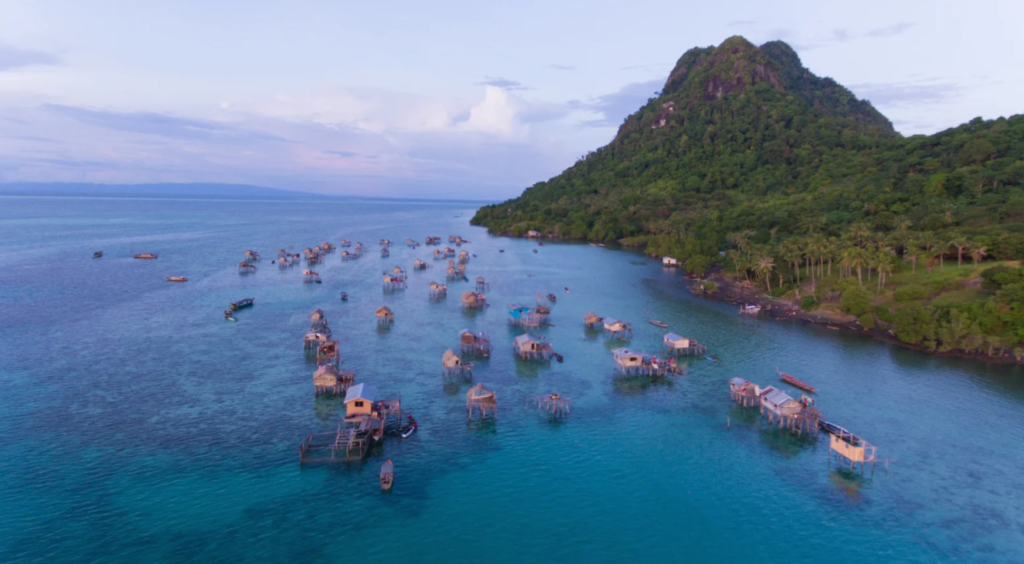
Gazetted in 2004, Tun Sakaran Marine Park is Sabah’s largest, spanning 350 square kilometers. Managed by Sabah Parks, it protects coral reefs, marine life, coastal ecosystems, and the island communities that have lived here for generations. What makes Tun Sakaran Marine Park extraordinary is its blend of conservation and culture. The Bajau Laut continue their traditional sea‑based lifestyle within the park, making it more than just a snorkeling or diving destination — it is a living tapestry of nature and heritage.
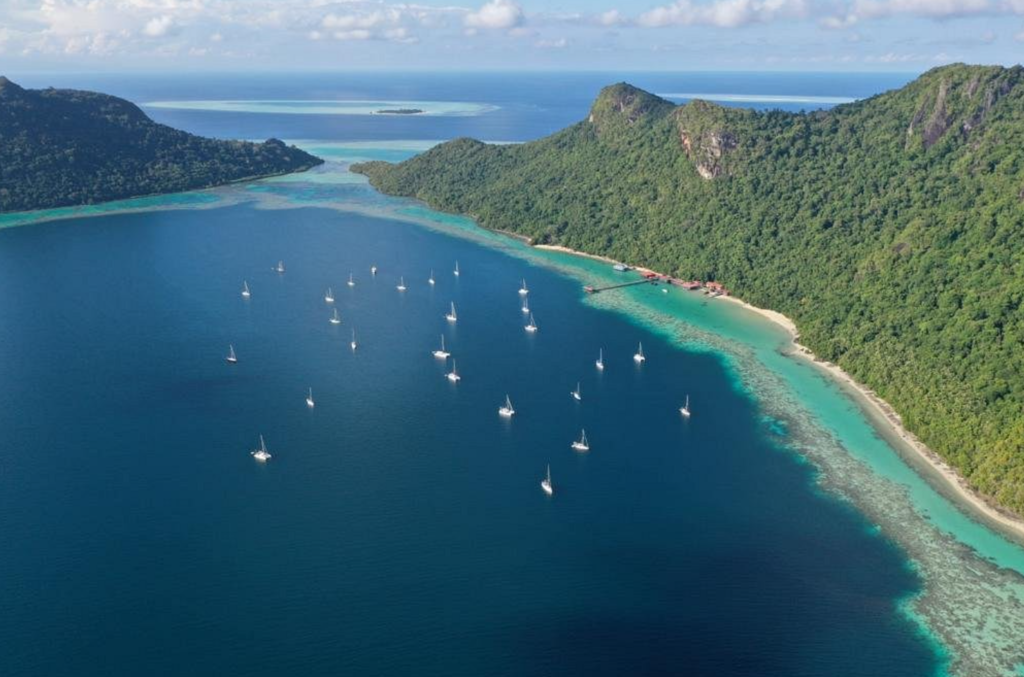
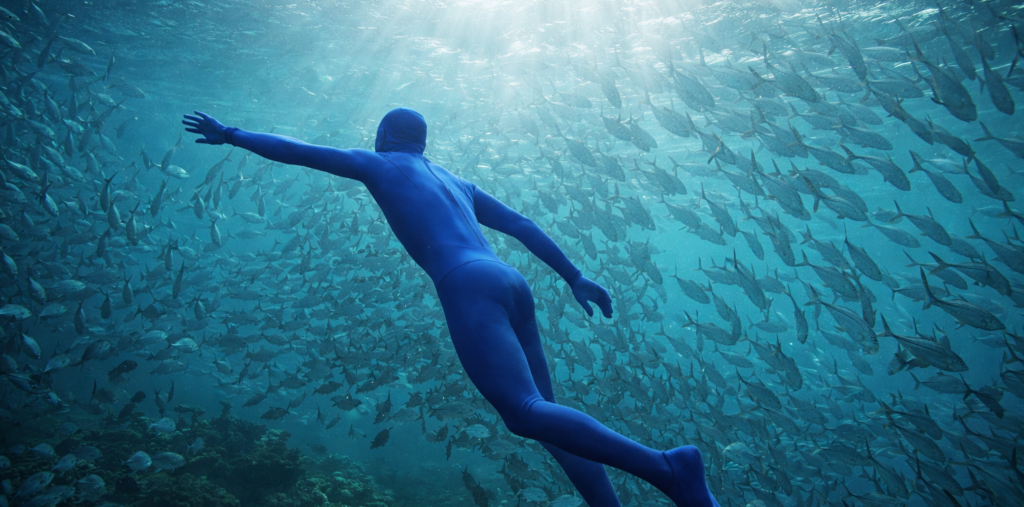
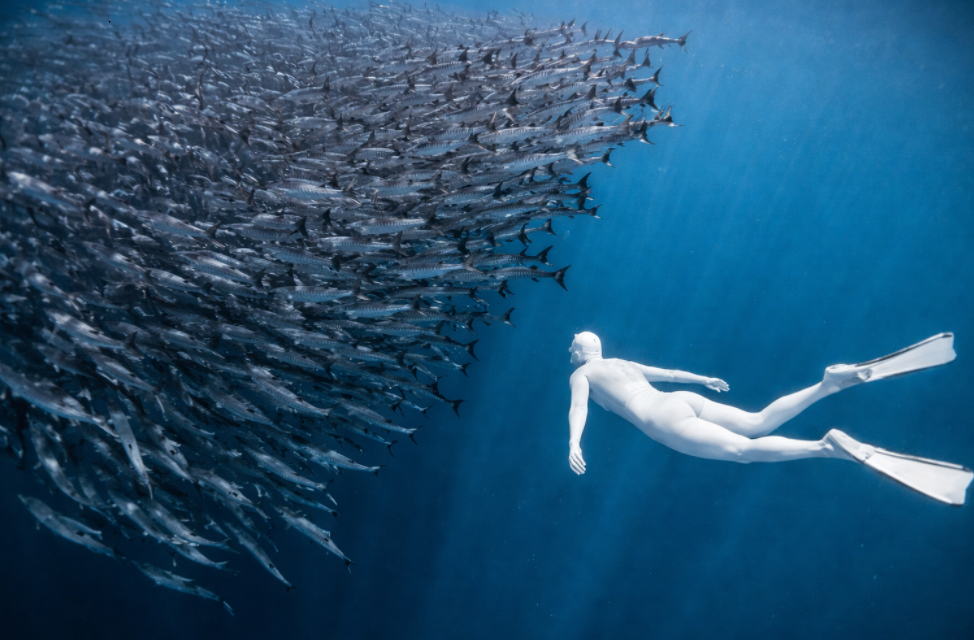
The marine life dazzles with diversity: reefs alive with hundreds of fish species, sea turtles gliding through the shallows, reef sharks patrolling deeper waters. Snorkelers find color just meters from shore, while divers descend into ecosystems that reveal the park’s conservation success.
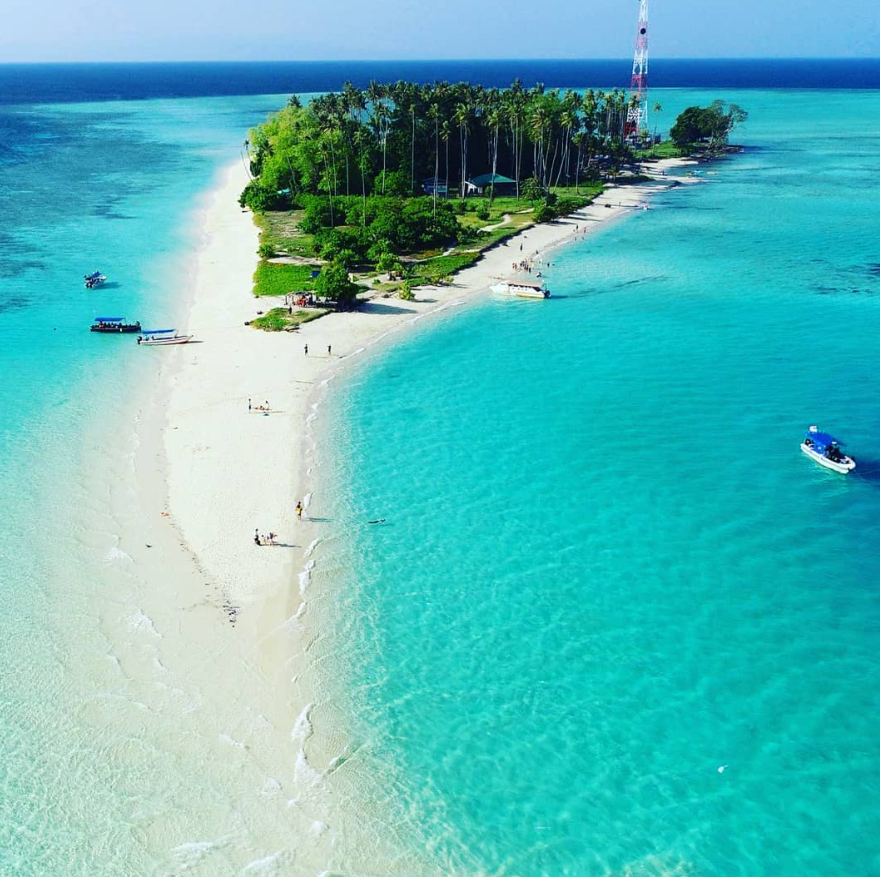
Island‑hopping tours are the most common way to experience Tun Sakaran Marine Park, typically lasting six to eight hours and covering two to three islands. Snorkeling remains the highlight, but scuba diving, hiking, photography, cultural encounters, and simple relaxation on remote beaches make the park suitable for every kind of traveler.
Diving certification is not required — the shallow reefs are accessible even to beginners, making Tun Sakaran Marine Park a destination where adventure and authenticity come together.