
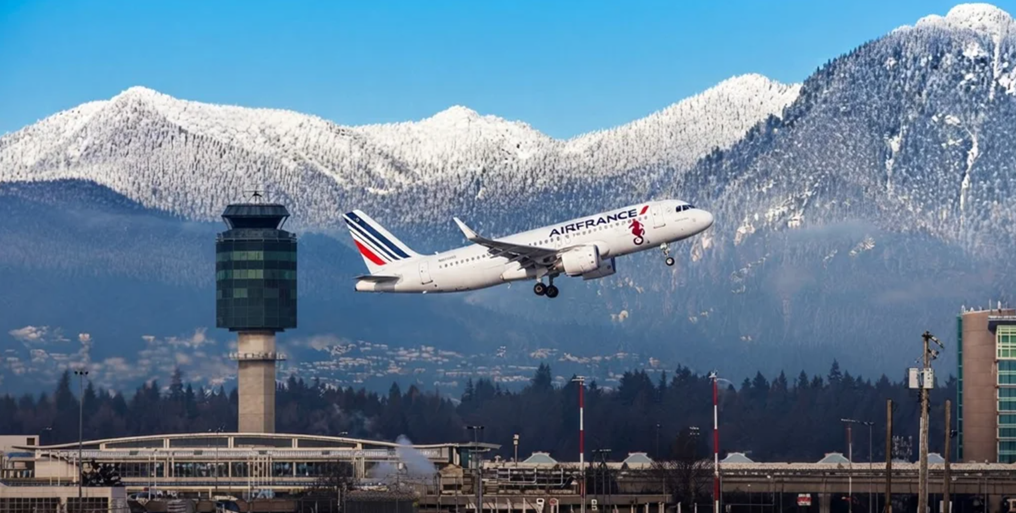
Arrival at Vancouver International Airport
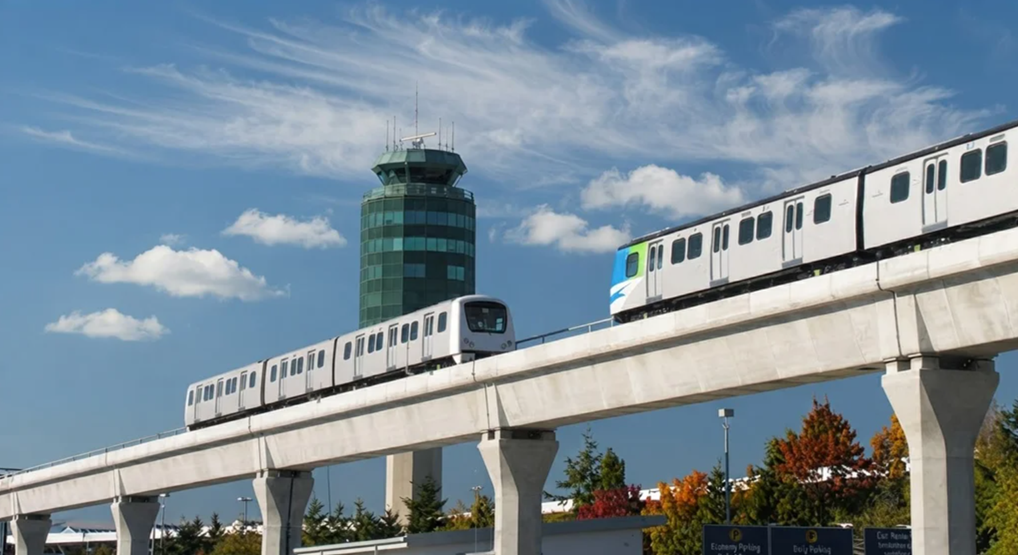
Vancouver International Airport (YVR) is designed to make the transition from flight to city straightforward. The Canada Line SkyTrain station is located inside the terminal, meaning passengers do not need to step outside or navigate complex transfers.
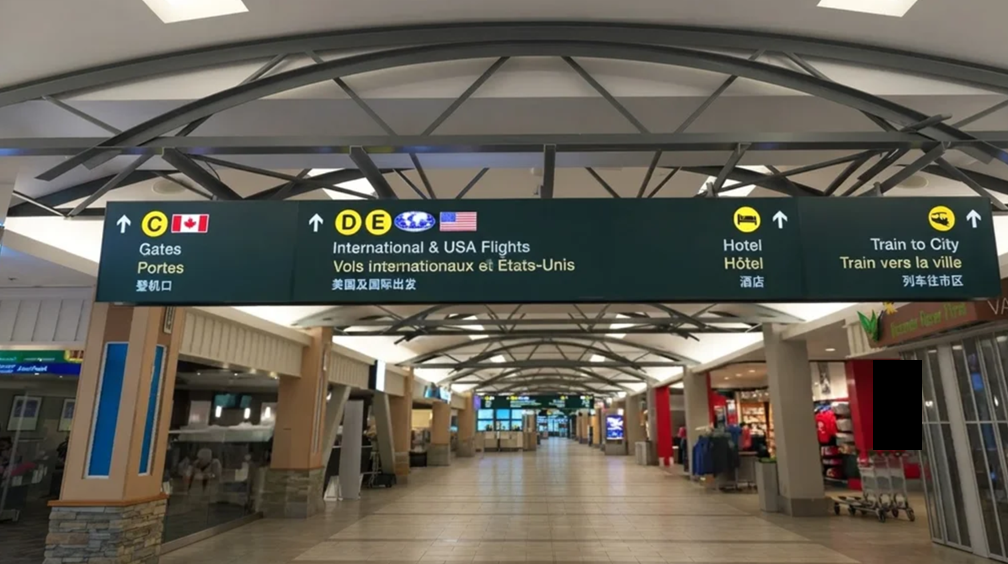
Clear signage directs travelers from baggage claim to the platform, and escalators or elevators provide easy access. This integration is particularly valuable for visitors arriving with luggage or during inclement weather, as it eliminates unnecessary obstacles.
Boarding and Fare System
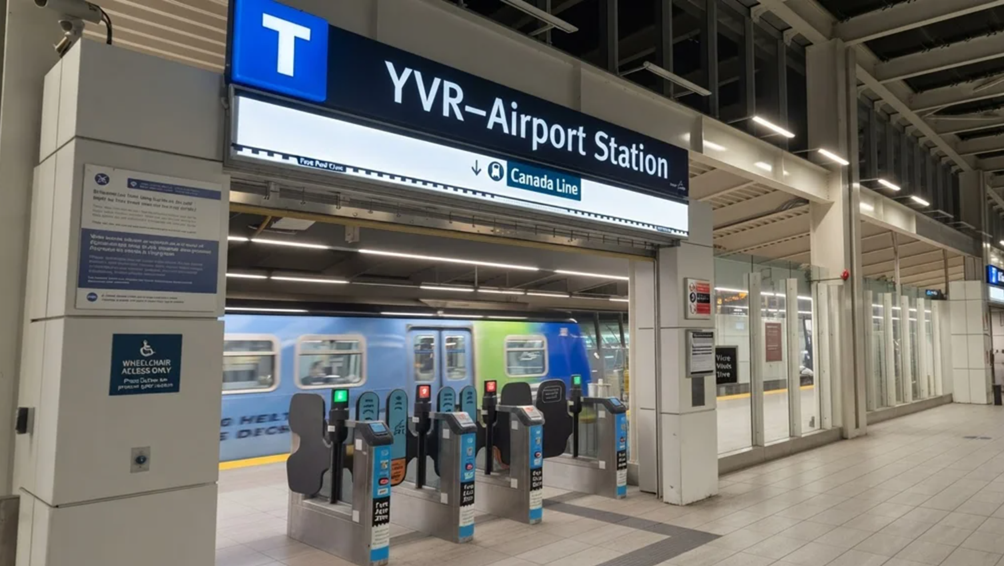
The boarding process is simple. Trains arrive every six to seven minutes, and doors open automatically. Payment is handled through fare gates that accept Compass Cards, credit cards, and mobile devices. The fare from the airport to downtown is CAD $9.00 during peak hours and CAD $7.75 off‑peak, which includes the YVR AddFare surcharge.
Compared to taxi or rideshare costs, this is a highly economical option. The system is designed to minimize confusion, ensuring that even first‑time visitors can purchase tickets and board quickly.
Duration and Route
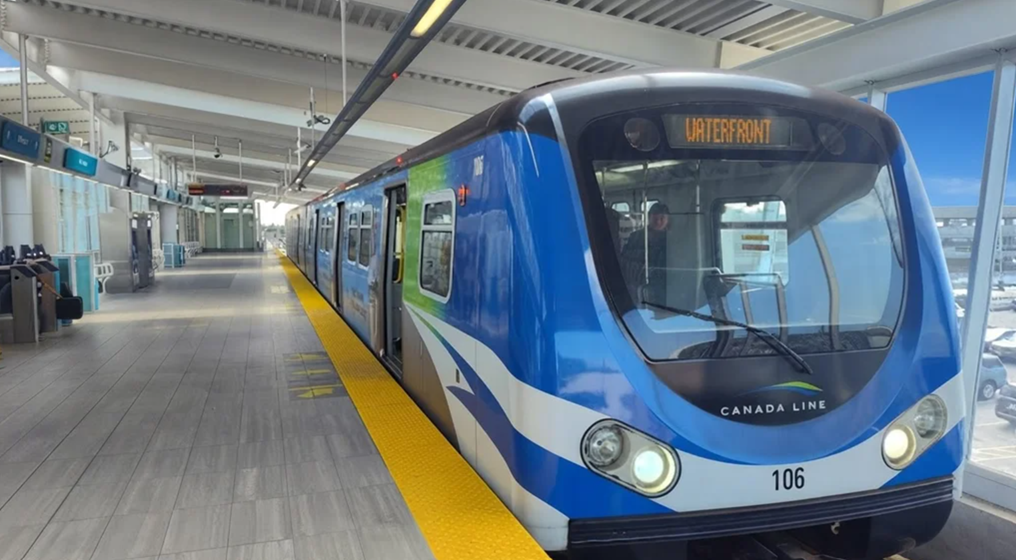
The journey from YVR to downtown Vancouver takes approximately twenty‑five minutes. The route begins in Richmond, crosses the Fraser River, and continues through residential and commercial districts before entering the downtown core. The transition from elevated track to underground tunnel signals the approach to the city centre.
Passengers can disembark at Vancouver City Centre Station, located near hotels and shopping areas, or at Waterfront Station, which connects to other transit services including buses, ferries, and commuter rail.
Suitability for Different Travelers
The Canada Line serves a wide range of passengers. Solo travelers benefit from the speed and affordability, while families appreciate the convenience of avoiding traffic. Business travelers find the service reliable and punctual, reducing the risk of delays. Budget‑conscious visitors save significantly compared to taxis or rideshares.
The train also provides orientation, allowing newcomers to observe neighborhoods along the route and gain a sense of Vancouver’s geography before reaching their destination.
Service Schedule
The Canada Line operates from early morning until after midnight. The first train departs around 4:48 AM, and the last leaves at 12:57 AM. During peak hours, trains run every six minutes, while off‑peak service maintains a seven‑minute frequency.
This schedule ensures that passengers rarely wait long, regardless of the time of day. For late‑night arrivals after the last train, alternatives such as taxis or rideshares are available.
Practical Considerations
Convenience is a defining feature of the Canada Line. The station’s location inside the airport terminal eliminates exposure to weather and reduces walking distance. Payment systems are designed for speed, reducing delays at fare gates.
Alternatives exist—taxis charge a flat rate of CAD $36–45 to downtown, rideshares range from CAD $30–50 depending on demand, and NightBus services operate when the SkyTrain is closed—but none match the combination of speed, affordability, and integration offered by the SkyTrain.
Comparison with Alternatives
While taxis and rideshares provide door‑to‑door service, they are subject to traffic conditions and higher costs. A taxi ride to downtown typically takes 25–45 minutes, depending on congestion, and costs nearly five times the SkyTrain fare. Rideshares offer similar travel times with variable pricing based on demand.
Buses are the least expensive option, but travel times exceed forty‑five minutes and often require transfers. For most travelers, the SkyTrain balances cost, speed, and reliability more effectively than other modes.
Integration with Vancouver’s Identity
The Canada Line reflects Vancouver’s emphasis on sustainable and efficient transport. It demonstrates the city’s commitment to accessibility, offering a direct link between international arrivals and the urban core. For visitors, the SkyTrain is not only a practical transfer but also an introduction to Vancouver’s infrastructure and values.
The system highlights the city’s focus on public transit as a central component of urban life.