
British Columbia > Vancouver > Victoria
Victoria is one of those places that feels both near and far. On the map, it sits just across the Strait of Georgia from Vancouver. In reality, the journey stretches into hours, weaving together roads, terminals, waterways, and skies. Yet this distance is part of the charm.
The trip itself becomes a story, a slow unfolding of landscapes and atmospheres that make arrival feel earned. Oceanfront charm, a slower rhythm, and the possibility of wildlife sightings transform Victoria into a rewarding escape.
The journey offers multiple paths: ferries gliding through the Salish Sea, seaplanes skimming the water, helicopters slicing the air, and commercial flights bridging airports. Each option carries its own character, its own pace, and its own way of framing British Columbia’s coastal beauty.
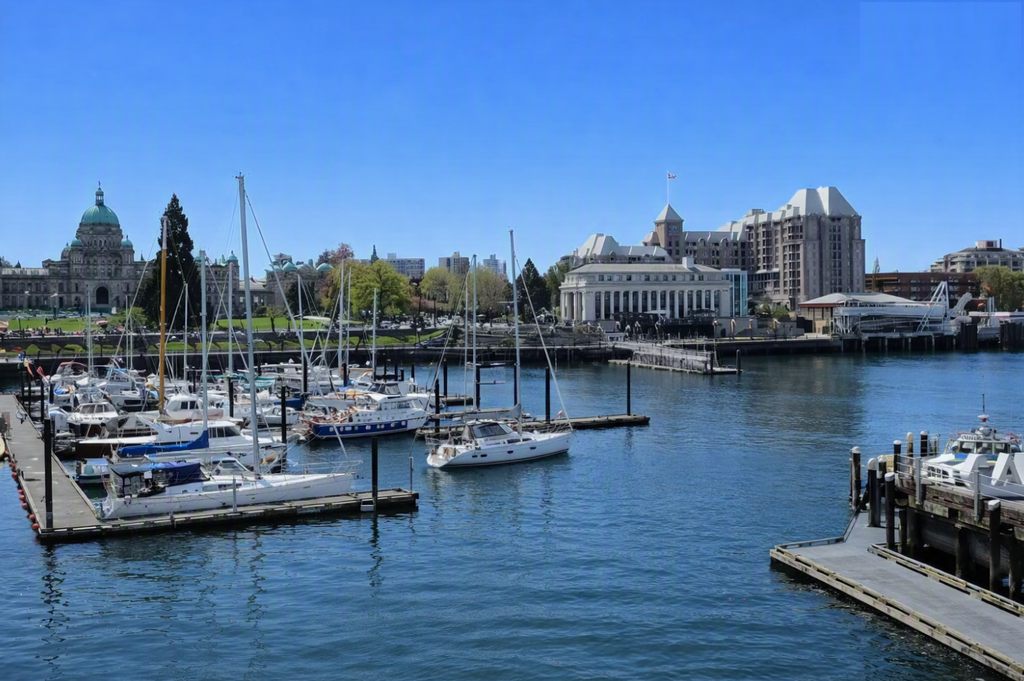
BC Ferries: The Iconic Crossing
BC Ferries remains the most familiar route. The service connects Tsawwassen Terminal in Delta with Swartz Bay on Vancouver Island.
Sailing time: about 1 hour 35 minutes
Driving time: 45 minutes from downtown Vancouver to Tsawwassen, then 35–40 minutes from Swartz Bay into Victoria
Practical Notes
Arrive 45–60 minutes early to avoid stress. Summer weekends and holidays bring heavy traffic. Reservations are strongly recommended for vehicles.
Cost Breakdown
Think of this as a mini cruise rather than a simple ferry. Prices vary:
Super Saver fares: start at $49 for one car and driver, available only on off‑peak sailings.
Standard fares: usually between $80 and $115 depending on timing, vehicle size, and reservation status.
Walk‑on passengers: about $20 each. A typical fare for one small car and two passengers lands around $125.
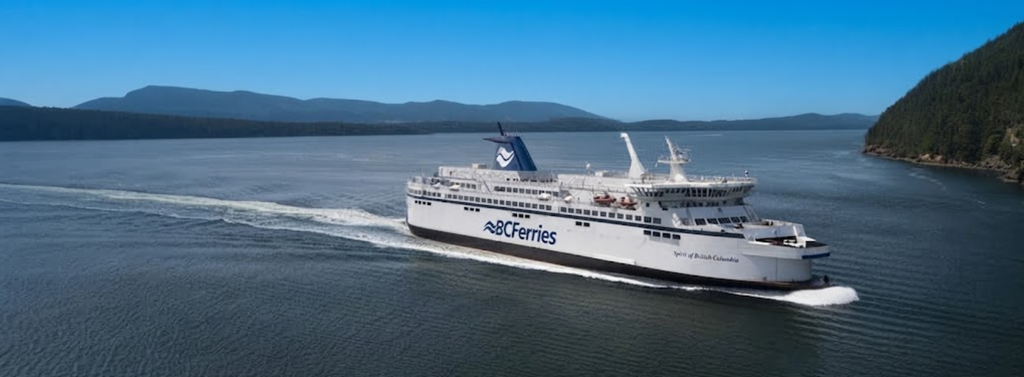
Onboard Atmosphere
The ferry feels like a floating town. Cars roll into the belly of the ship, passengers climb to upper decks, and the vessel transforms into a moving community. Inside are cafeterias, gift shops, kids’ zones, pet areas, and vending machines. Wi‑Fi is advertised but often unreliable.
The real highlight lies outside. The Salish Sea stretches wide, dotted with the Gulf Islands. Rocky shorelines, sandstone cliffs, and dense coastal forests frame the passage. The Georgina Point Lighthouse, dating back to the late 1800s, flashes its history from the edge of Mayne Island.
Wildlife sightings are possible — whales, sea lions, orcas — though not guaranteed. Even without them, the scenery alone makes the crossing memorable.
Seaplanes: Speed and Spectacle
For those who value time and spectacle, seaplanes deliver both. Harbour Air, Kenmore Air, and Sea Air operate multiple daily flights.
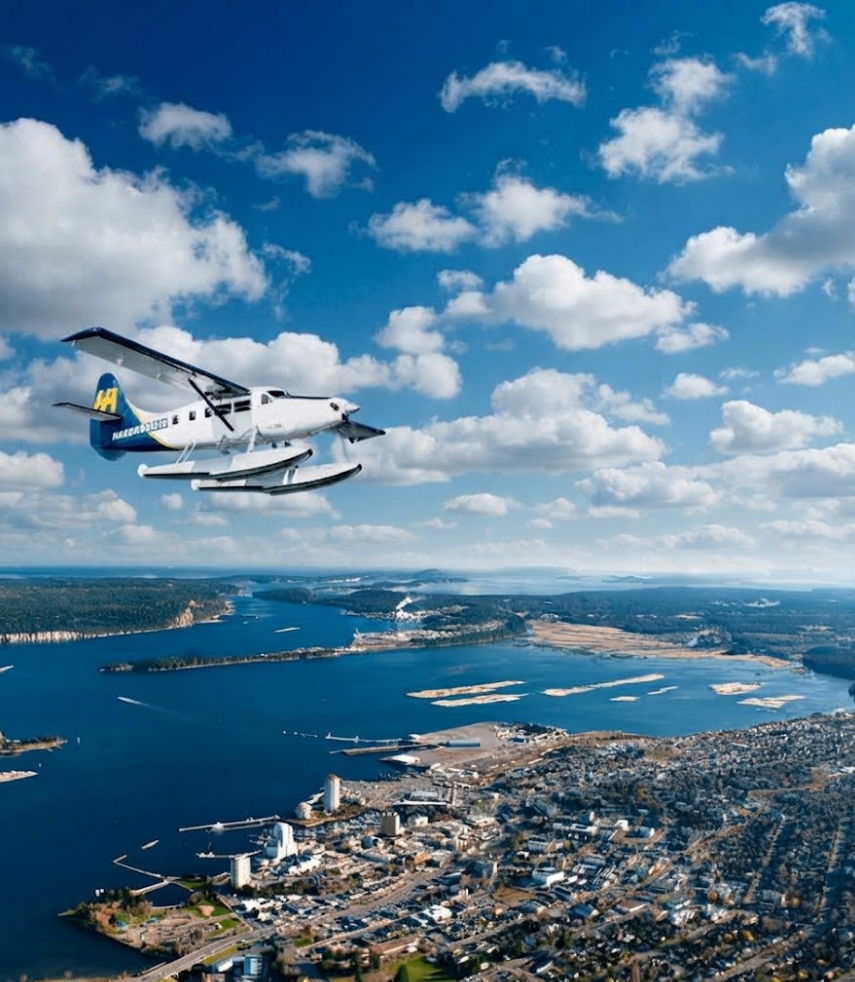
Flight time: 30–35 minutes
Departure: Vancouver Harbour Flight Centre
Arrival: Victoria Inner Harbour
Why Choose a Seaplane
Downtown‑to‑downtown convenience eliminates long transfers. Aerial views of the Gulf Islands feel cinematic, with ribbons of forest and water unfolding beneath the wings. The experience itself becomes part of the trip, not just a means of transport.
The seaplane option is often chosen by business travelers, but leisure passengers find equal delight in the drama of takeoff and landing. The aircraft skims the water, rises into the sky, and descends gracefully into Victoria’s Inner Harbour, framed by historic buildings and bobbing boats.
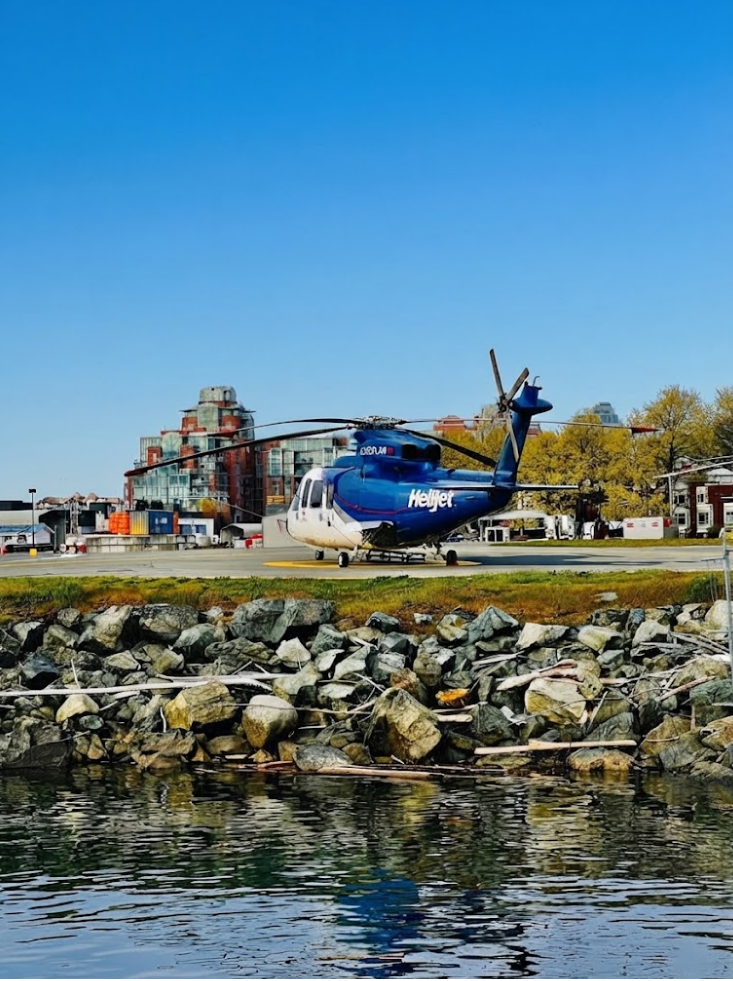
Helicopter: Sleek and Reliable
HeliJet offers a premium option.
Flight time: about 35 minutes
Terminals: Vancouver Waterfront Road and Victoria Dallas Road
Highlights
Reliable even in lower visibility conditions.Comfortable seating and a business‑class feel.A sense of exclusivity, with fewer passengers and a quieter cabin.Helicopter travel emphasizes efficiency and style. The cabin hums with quiet power, the coastline unfolds below, and arrival feels swift yet elevated.
Commercial Flights: Airport Routine
Air Canada, WestJet, and Flair connect Vancouver International Airport (YVR) with Victoria International Airport (YYJ).
Flight time: 30 minutes
Total journey: 2–3 hours once security, boarding, and transfers are included.
YYJ to downtown Victoria: 25–30 minutes by car
This option suits those already near YVR or connecting from other flights, but it lacks the charm of ferries or seaplanes.
The Ferry Experience in Detail
The ferry crossing is more than transport; it’s a ritual. Boarding feels theatrical — vehicles lined up, engines vibing, then rolling into the cavernous interior of the ship. Passengers ascend to lounges and decks, claiming window seats or wandering outside.
Inside, the atmosphere is practical: gift shops stocked with tourist merchandise, and zones designed for children and pets. Locals treat the journey as routine, reading newspapers or scrolling phones. Visitors, however, often roam the decks, captivated by the scenery.
Scenery Along the Way
The Salish Sea offers a shifting panorama. Wide stretches of water give way to narrow channels between islands. Forests rise steeply from sandstone cliffs, their green dense and untamed. Lighthouses punctuate the shoreline, reminders of maritime history.
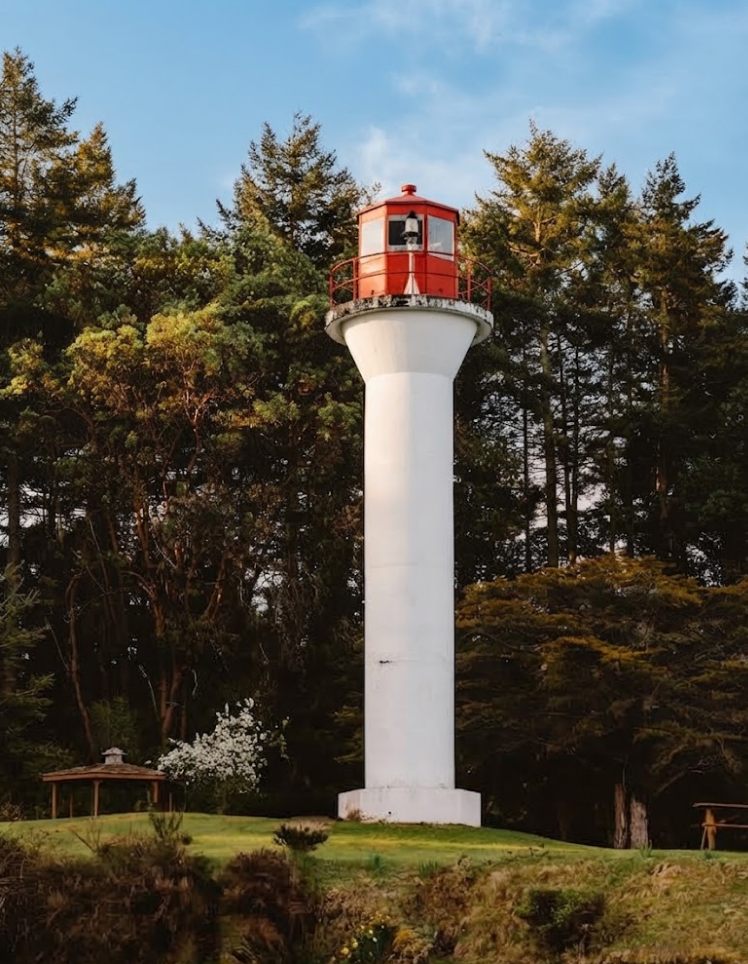
The Georgina Point Lighthouse, with its red‑and‑white tower, stands as a sentinel from the late 19th century. The water itself often appears glassy, reflecting clouds and sky. Wildlife sightings are possible, though not guaranteed. Even without whales or sea lions, the landscape feels alive.
The Seawest Lounge
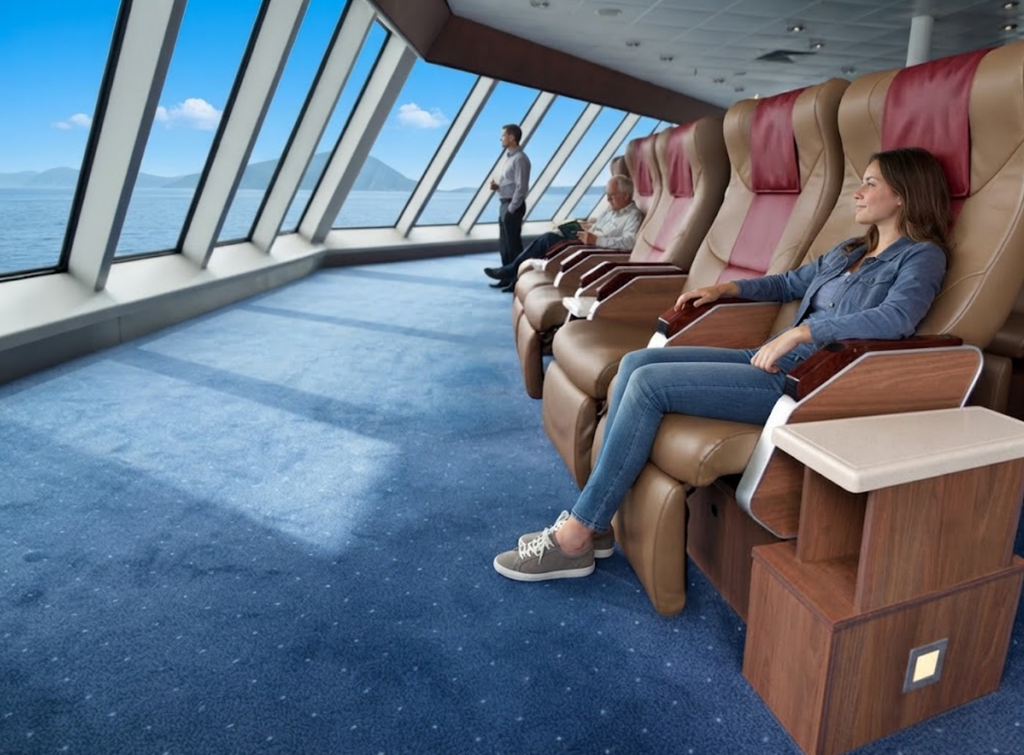
For those seeking quiet, the Seawest Lounge provides refuge. Access costs $14, offering unlimited coffee, tea, juice, pastries, and reading material. More importantly, it enforces calm. Children are gently hushed, conversations kept low. The lounge suits travelers who value peace, especially on crowded sailings.
Power outlets are limited, but the atmosphere compensates. On stormy days, the lounge becomes a sanctuary. On sunny days, the decks remain irresistible, with wind, salt air, and endless views.
Day Trips vs Overnight Stays
Technically, a Vancouver‑to‑Victoria day trip is possible. In practice, most of the day is consumed by transit. The ferry alone requires 3.5 to 5 hours one way once driving and waiting times are included.For a richer experience, at least one overnight stay is recommended. Two nights allow time to explore Victoria’s spas, gardens, and waterfront without rushing.
Cost Perspective
Compared to short urban ferries elsewhere in Canada, the Vancouver‑Victoria crossing feels substantial. The vessel carries over 350 cars, multiple decks of passengers, and amenities akin to a cruise ship. Prices reflect this scale. Super Saver fares suit flexible travelers willing to sail at odd hours.
Standard fares suit those with fixed schedules. Walk‑on passengers pay less, but vehicle reservations remain the safest choice during peak season.
Cultural and Emotional Layers
The crossing carries cultural resonance. For locals, it is routine — a commute, a necessity, a bridge between communities. For visitors, it is spectacle — a chance to witness landscapes that feel cinematic. The ferry embodies both: ordinary and extraordinary, practical and poetic. The journey also highlights contrasts.
Vancouver’s urban energy gives way to Victoria’s slower rhythm. The ferry becomes the hinge between these worlds, a liminal space where transition is felt.
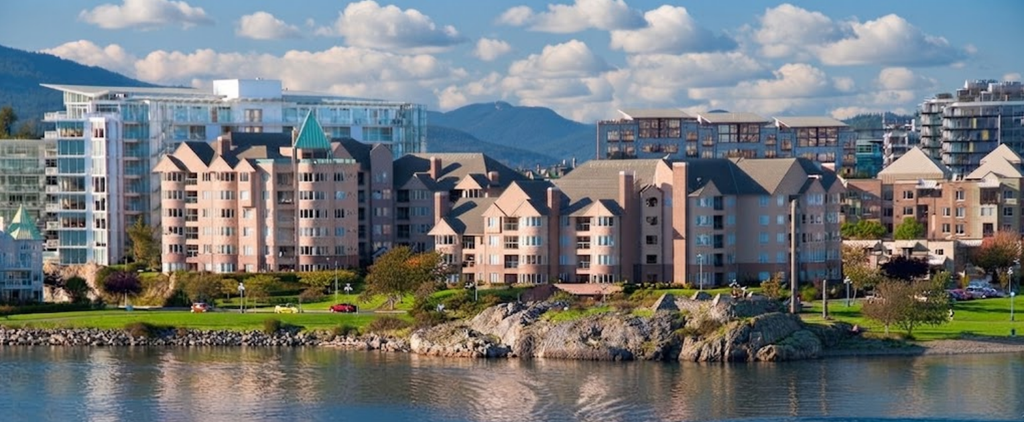
Victoria rewards the effort it takes to reach. Oceanfront charm, relaxed pace, and glimpses of wildlife make it feel like a true getaway. The journey itself — whether by ferry, seaplane, helicopter, or flight — becomes part of the memory.For those who choose the ferry, the crossing through the Salish Sea offers one of Canada’s most scenic passages.
The Seawest Lounge adds comfort, the decks add drama, and the islands add beauty. The trip is not just about getting from A to B; it’s about savoring the in‑between.