
Vancouver > Things to do in Vancouver > Vancouver Whale Watching
Whale watching in Vancouver is not simply an excursion; it is a passage into the living heart of the Pacific Northwest. The city’s coastal geography, framed by the Fraser River and the Gulf Islands, makes it one of the most accessible gateways to the marine world.
From April to October, the waters teem with life—humpbacks, orcas, gray whales, and minke whales—while seals, sea lions, dolphins, and bald eagles complete the spectacle.This narrative explores the experience in depth, weaving together the boats, the wildlife, the guides, and the rhythm of the sea.
Steveston: The Gateway Village
The fishing village of Steveston lies just forty minutes from downtown Vancouver. Its harbor is a blend of working docks and tourist charm, with seafood restaurants and heritage buildings lining the waterfront. From here, vessels slip past the manmade rocky spit that shelters the Fraser River mouth.
Sea lions bask on the rocks, gulls wheel overhead, and the anticipation builds as the open ocean beckons.Granville Island is another departure point, closer to downtown, but Steveston offers a more atmospheric beginning. The sight of fishing boats, nets drying in the sun, and the smell of salt and diesel set the tone for adventure.
The Boats: Choosing Your Vessel
Zodiac Adventures
The zodiac is the raw, thrilling option. Twelve passengers, a waterproof suit, and the spray of the Pacific—it is intimate and visceral. These boats can edge closer to whales, their small size allowing nimble maneuvers. Yet they are not for everyone: pregnant travelers, young children, or those with back pain may prefer a steadier ride.
Semi-Covered Comfort
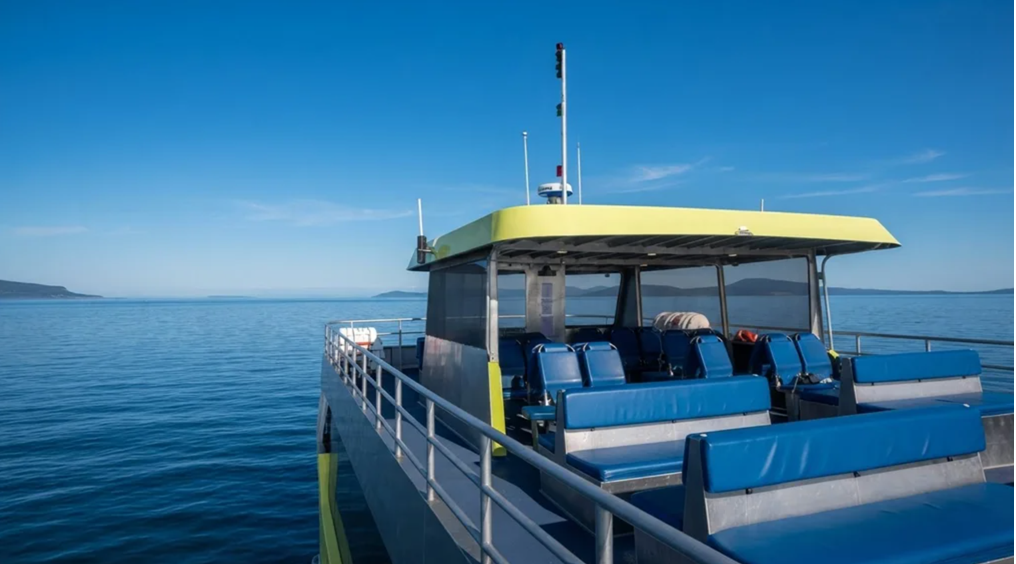
Semi‑covered vessels accommodate larger groups, from 22 to 95 passengers. Inside, seats line the cabin with windows that slide open, while outdoor decks provide vantage points for photography. The ride is smoother, the atmosphere more communal, and the comfort greater. For many, this balance of shelter and exposure is ideal.
The Season of Whales
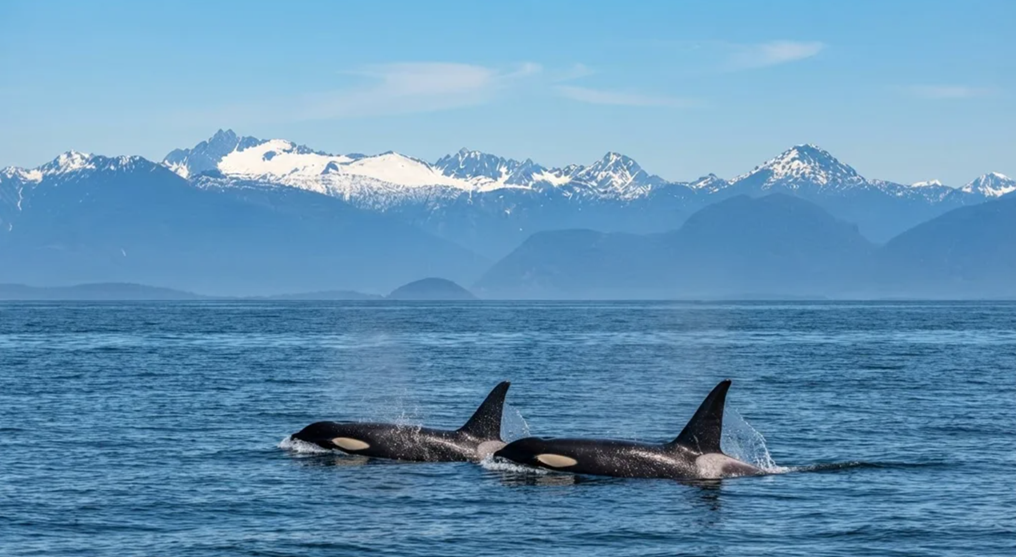
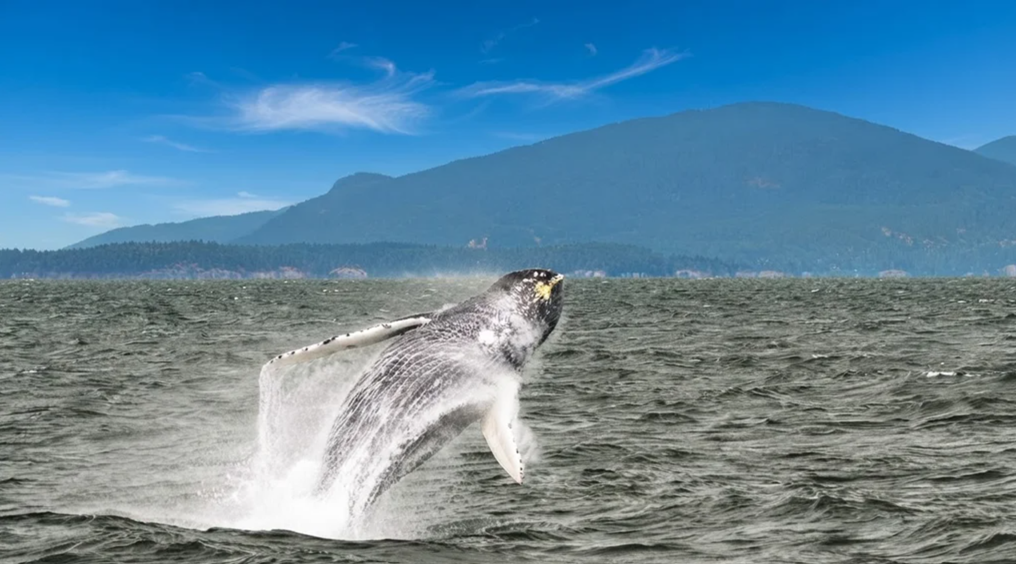
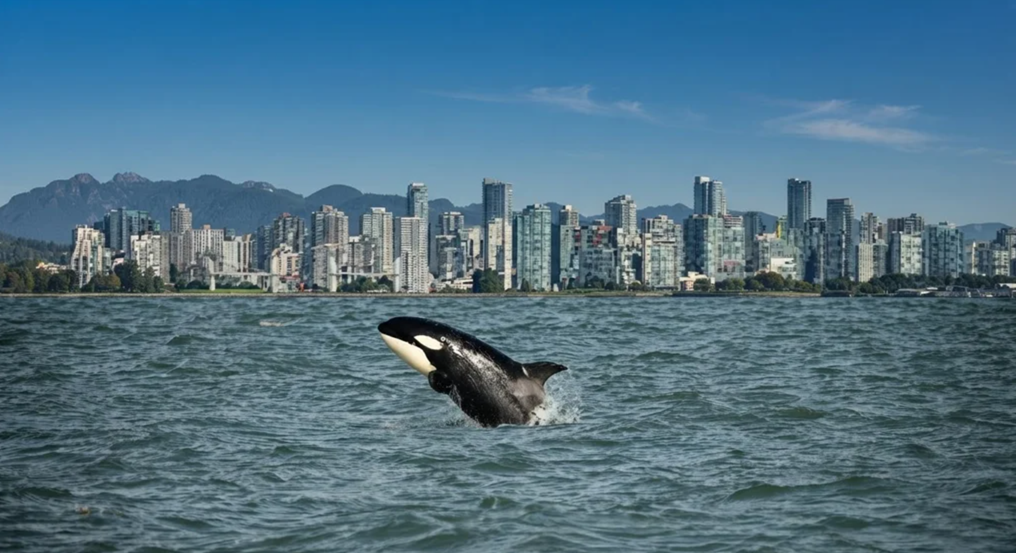
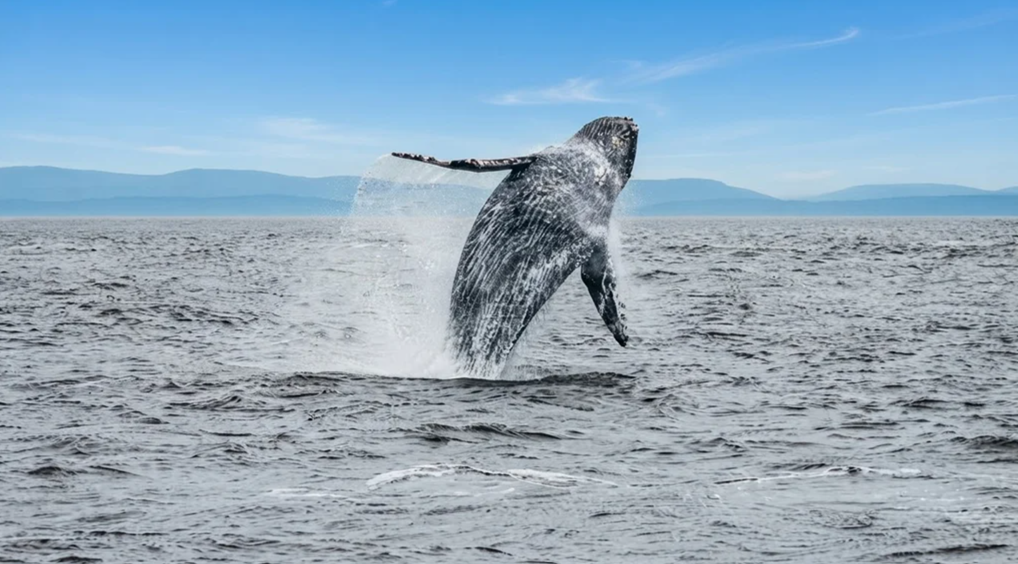
From April to October, the Pacific waters around Vancouver are alive with migratory giants. Resident orcas remain year‑round, feeding on salmon, but the humpbacks return in force, their breaches and tail slaps thrilling audiences. Transient orcas, hunting seals and porpoises, add unpredictability to the mix.
Outside this window, sightings are rarer, as many whales migrate south to Mexico and Hawaii. Tour companies align their schedules with these rhythms, ensuring the highest chance of success.
The Wildlife Beyond Whales
Whales may be the headline act, but the supporting cast is equally compelling. Harbor seals bob in the swells, their eyes wide and curious. California sea lions sprawl across rocks, loud and unapologetic. Bald eagles wheel overhead, their cries piercing the air.
Dolphins and porpoises sometimes race alongside boats, playful companions to the voyage. Birdlife is abundant: herons stalk the shallows, cormorants dive for fish, and gulls trail the wake. The ecosystem is a tapestry, each thread vital to the whole.
The Guides: Voices of the Sea
Naturalists are more than guides; they are interpreters of the ocean. They explain the difference between resident and transient orcas, share stories of humpback migration, and pepper the journey with anecdotes about marine biology. Their enthusiasm is infectious, their knowledge deep.
They hand out ginger candies for seasickness, offer earplugs against engine roar, and remind passengers to brace their stance when the boat hits twenty knots.
The Cost of Adventure
Expect to pay between $150 and $200 CAD per person. Zodiacs are often slightly more expensive, reflecting their high‑energy appeal. Semi‑covered boats are marginally cheaper, but the difference is small. Locals may find discounts—BC resident specials sometimes shave 10% off the price.
Tipping guides is customary, especially when they transform the day into something unforgettable.
The Companies
Prince of Whales: Operating from Granville Island, offering semi‑covered boats.
Seabreeze Adventures: Based in Steveston, with smaller group sizes and optional transfers from Vancouver.
Wild Whales Vancouver: Granville Island departures, with three vessel types including zodiacs.
Vancouver Whale Watch: Steveston departures, offering both semi‑covered and zodiac options.
Each company has its own fleet, but all share the same spotting networks, ensuring high success rates.
The Experience: A Day at Sea
The boat leaves the harbor, engines rising to twenty knots. The shoreline recedes, the horizon widens. Passengers brace against the waves, cameras ready. The silence before a spout is electric; the collective gasp when a tail flukes skyward is unforgettable.
It is not just about whales. It is about the gulls trailing the wake, the smell of salt and diesel, the camaraderie of strangers leaning over rails together. It is about immersion, a reminder that the ocean is alive, vast, and unpredictable.
Practical Tips
Wear layers; it is always cooler on the water. Bring a plastic bag for electronics on zodiac tours. Plant your feet firmly apart when standing. Sit near the back on semi‑covered boats for quicker access to outdoor decks. Take seasickness medication if prone; ginger candies help. Rotate photo spots; share the space.
Conclusion
Vancouver whale watching is more than a tourist activity—it is a communion with the Pacific. The boats, the guides, the wildlife, and the sea itself combine to create an experience that lingers long after the trip ends. Whether you choose the thrill of a zodiac or the comfort of a semi‑covered vessel, the journey is unforgettable.