Faroe Islands > Things to do in Faroe Islands > Vestmanna
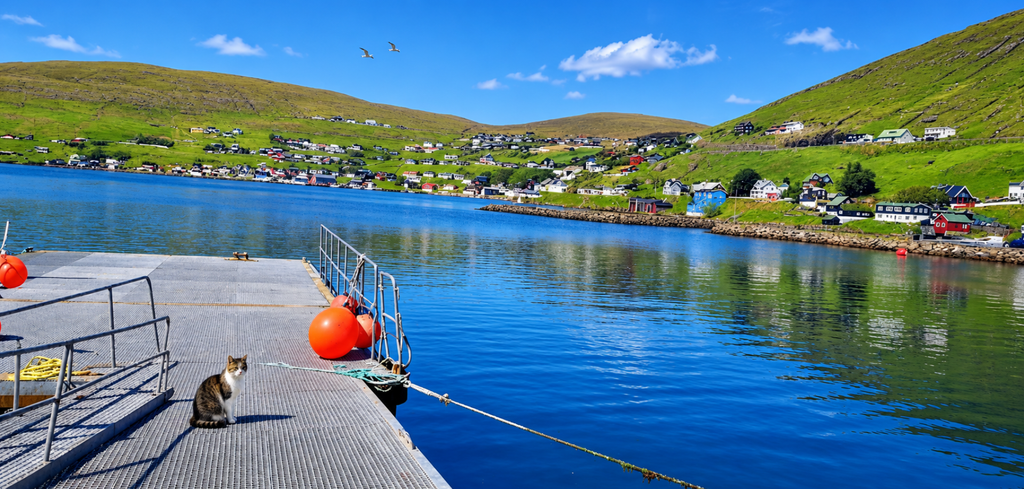
On the northern shore of Streymoy Island, the village of Vestmanna lies tucked into one of the most sheltered bays in the Faroe Islands. Protected by Vágar Island, its harbour has long been a safe haven against the Atlantic’s moods. Today, Vestmanna is both a living community and a gateway to some of the archipelago’s most dramatic landscapes.
Location and Access
Vestmanna is centrally positioned, with road connections linking Streymoy to most other islands. From Vágar Airport, the drive takes about thirty minutes, and the same distance separates Vestmanna from Tórshavn. This accessibility makes the village a natural base for travellers exploring the Faroes.
Viking Roots and Name
The name “Vestmanna” originates from westmen — Norse voyagers who sailed toward Britain and Ireland. Archaeological finds near the church reveal farmyards dating back to the 11th century, while hillside settlements reflect a time when villagers moved inland to escape pirate raids. In May 1615, two pirate ships were captured here, their crews punished, underscoring how piracy shaped local life.
Farming Traditions
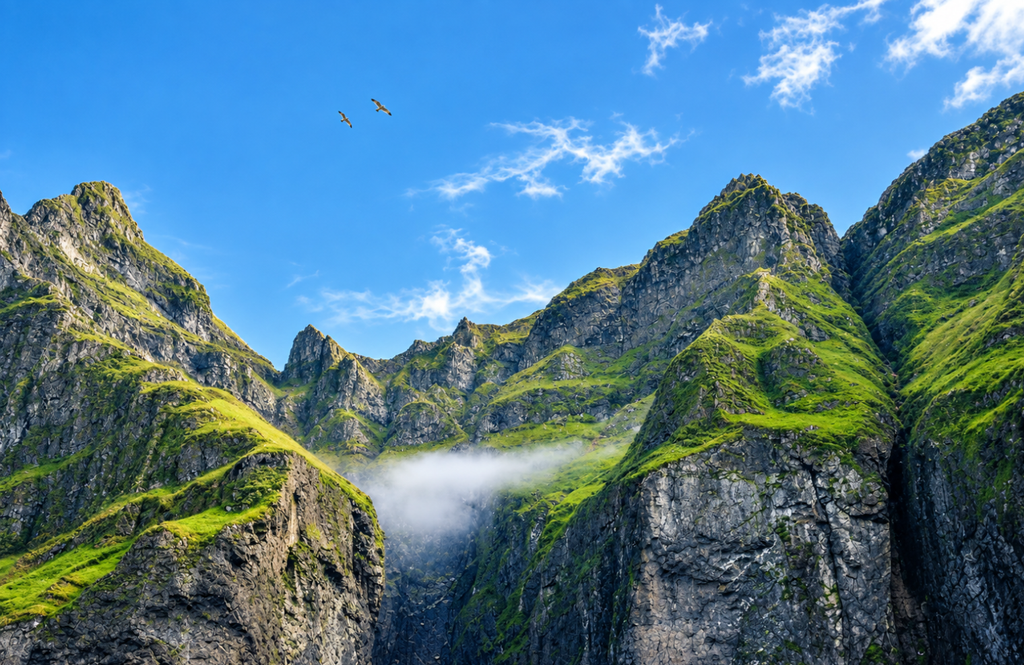
Vestmanna began as a farming village. Sheep, cattle, and seabirds sustained the community, while outfields stretched toward Saksun. Turf‑roof cottages served as seasonal shelters during hunts and sheep drives. Legends recall Irish monks, the Papar, who once lived in solitude along cliffs now called Paparøkur.
Growth and Industry
By the 18th century, Vestmanna had 125 residents. The abolition of the trade monopoly in 1856 spurred rapid growth: shops opened, trawlers launched, and electricity from water power transformed the village. Today, Vestmanna counts around 1,250 inhabitants, with fishing, education, and tourism as key pillars.
Sports and Community
Vestmanna has been a sports village since 1927, when Faroese boat races began here. The traditional wooden fishing boat design is still preserved. Handball dominates, with the local club VÍF among the most successful in the Faroes. Old customs endure too — men still gather in mountain cottages during sheep drives, keeping alive communal traditions.
Kayaking and Fishing
The calm bay makes Vestmanna ideal for kayaking. Guided tours lead paddlers through crystalline waters, past sea‑stacks and narrow straits, with seals and seabirds as companions. Fishing trips with Blástein offer another maritime adventure, connecting travellers to the sea between Streymoy and Vágar.
The Bird Cliffs of Vestmannabjørgini
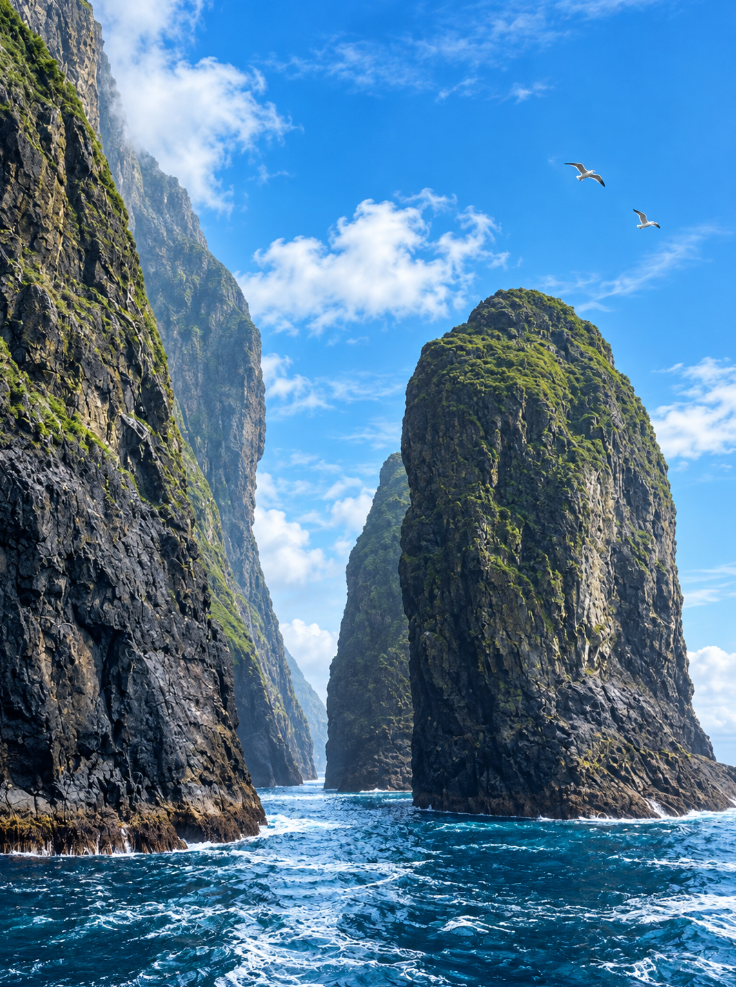
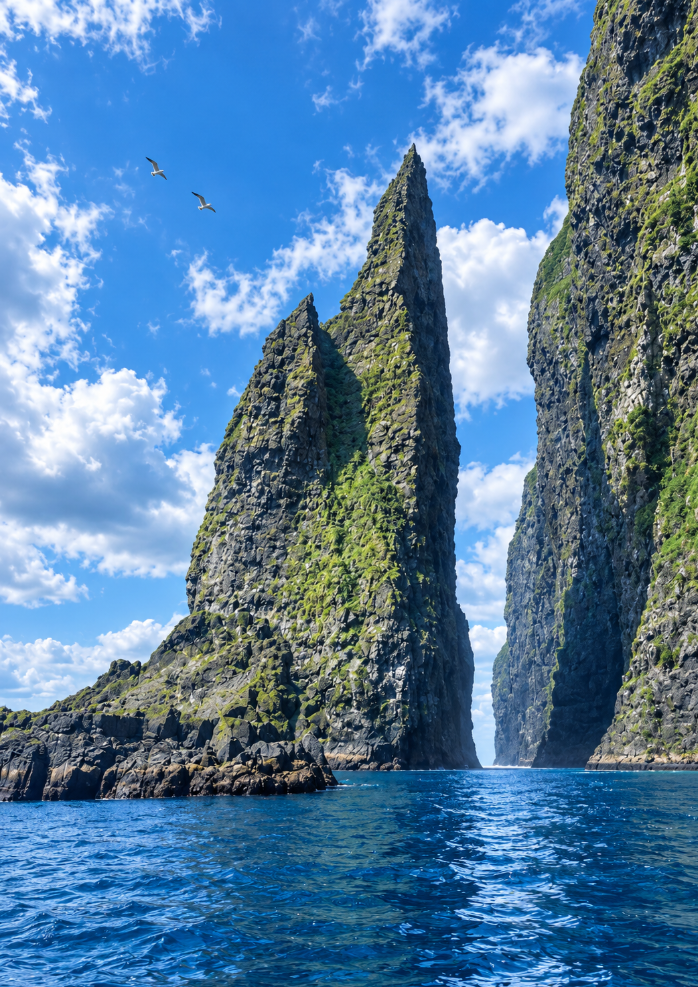
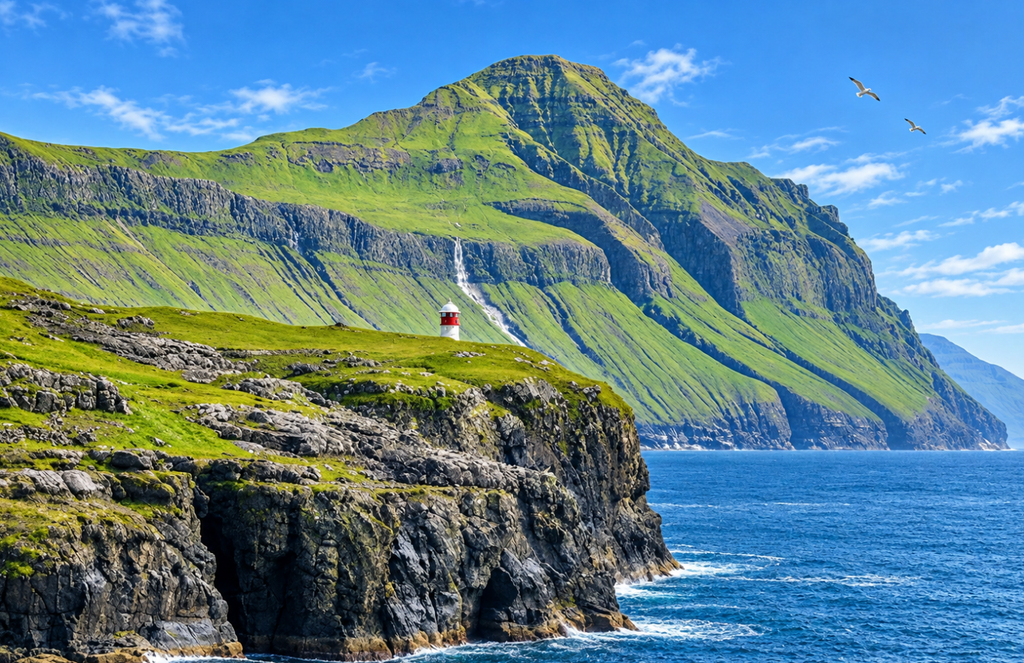
The jewel of Vestmanna lies just offshore: the Vestmanna Bird Cliffs. Rising hundreds of metres, these basalt walls host puffins, guillemots, and kittiwakes. Boat tours weave through caves and grottos, bringing travellers face‑to‑face with nesting seabirds and grazing sheep perched impossibly high above. Puffins dart into the sea, surfacing with beaks full of fish, while seals peer curiously from the waves.
The cliffs are more than scenery — they are living heritage. Once vital for food and farming, they now draw visitors from around the world. The experience is both natural spectacle and cultural story, narrated by guides who share tales of past generations scaling these heights for survival.
A Guided Day Tour
Tours depart daily from the Vestmanna Tourist Centre, with pickup at 09:00 in Tórshavn. The two‑hour journey sails beneath towering cliffs, through basalt corridors carved by the ocean, and into shadowed caves echoing with seabird calls. It is a chance to photograph, to listen, and to feel the raw grandeur of one of Europe’s most remarkable coastal landscapes.
Vestmanna Today
Modern Vestmanna balances tradition and progress. Fishing remains central, but tourism now thrives alongside education and small industries. The village’s identity is shaped by its harbour, its cliffs, and its people — resilient, communal, and deeply tied to the land and sea.