
Introduction
Just seven kilometres from Brisbane’s CBD, Whites Hill Reserve feels like a hidden wilderness folded into the city’s edge. Step beyond the suburban streets of Camp Hill and suddenly you are surrounded by more than 170 hectares of eucalypt forest, dry rainforest, and open fields where the air smells of gum leaves and the chatter of birds replaces traffic noise.
Families gather at the enormous playground, athletes stretch across the sporting fields, and walkers trace winding tracks toward lookouts that frame the skyline in unexpected ways. It is a place of contrasts — koalas tucked into the branches, children racing across flying foxes, and quiet trails leading to Sankey’s Scrub where rare plants thrive.
Whether you come to picnic under the shade, wander the bush paths, or pause at the summit to take in the view, Whites Hill Reserve offers a day outdoors that feels both restorative and alive.
History and Setting
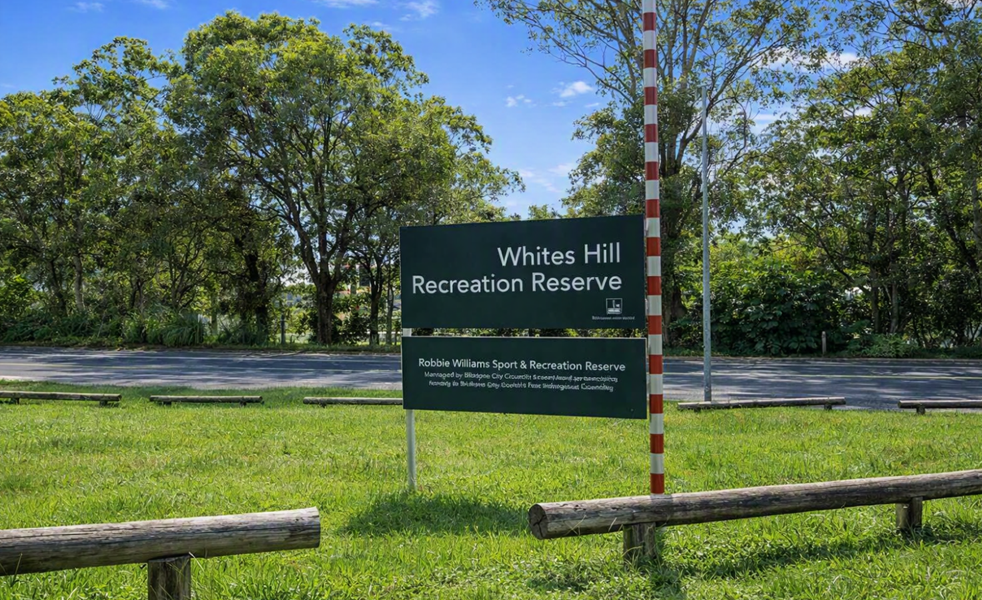
The reserve takes its name from Robert White, whose residence once stood atop the hill and later became a popular teahouse in the early 1900s. Today, the site is bordered by Coorparoo, Camp Hill, Carina Heights and Holland Park, contained within Brisbane City Council’s Holland Park Ward.
Its landscape is a remnant of bushland — open eucalypt forest stitched with pockets of rainforest along Salvin Creek. Sankey’s Scrub, a rare patch of dry rainforest, shelters plants like Shirley’s tuckeroo, Queensland nut, and white beech.
Wildlife Haven
Whites Hill is more than recreation; it is refuge. Sixty‑two percent of Brisbane’s mammals, a third of its amphibians, and more than a quarter of its birds live here. Koalas are the reserve’s most iconic residents, often spotted curled into eucalyptus branches.
Powerful owls glide silently through the canopy, sacred kingfishers flash blue and orange, and short‑beaked echidnas shuffle through leaf litter. Even turtles — the Brisbane short‑necked variety — find sanctuary in its creeks.Walking through Sankey’s Scrub, you sense the fragility of these habitats. Every rustle hints at life hidden in the undergrowth, every call reminds you of the reserve’s ecological significance.
Bushwalking Trails
There are thirteen interconnected walking tracks here, ranging from easy to moderate. The Sankey’s Mountain Summit Track is wheelchair accessible with assistance, while shorter sealed paths are pram‑friendly. The Boundary Road Bikeway skirts the eastern edge for 1.3 kilometres, while Sankey’s Trail stretches 1,675 metres down steep slopes to Salvin Creek.
The summit path, a 700‑metre sealed climb, is perfect for younger children. Walking these trails is more than exercise. It is a way to bond, to slow down, to notice. For children, each step is discovery — the crunch of gravel, the sudden hush of forest, the thrill of spotting a koala. For adults, it is a reminder of how close wilderness can be to daily life.
Playground and Family Fun
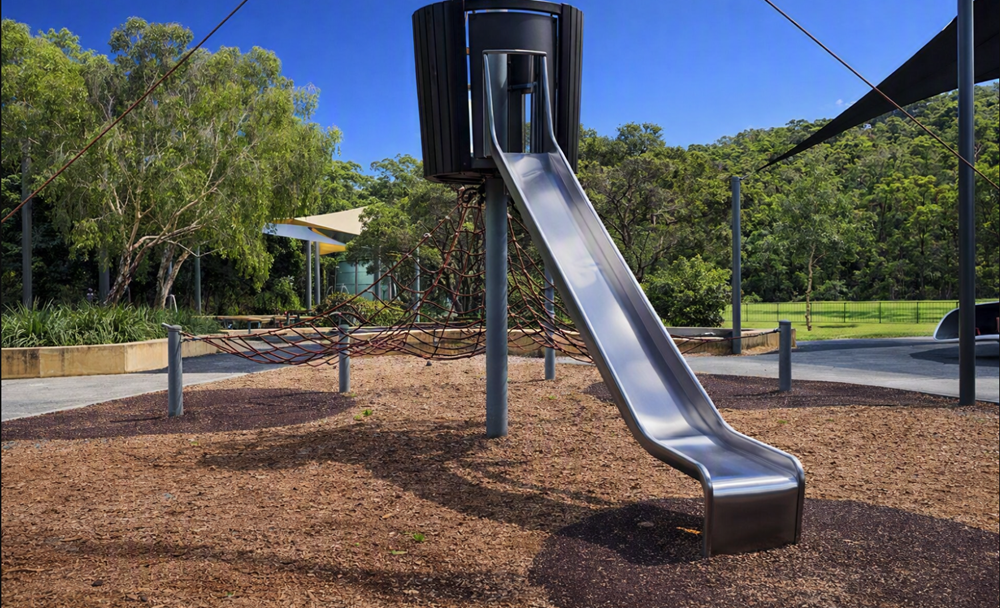
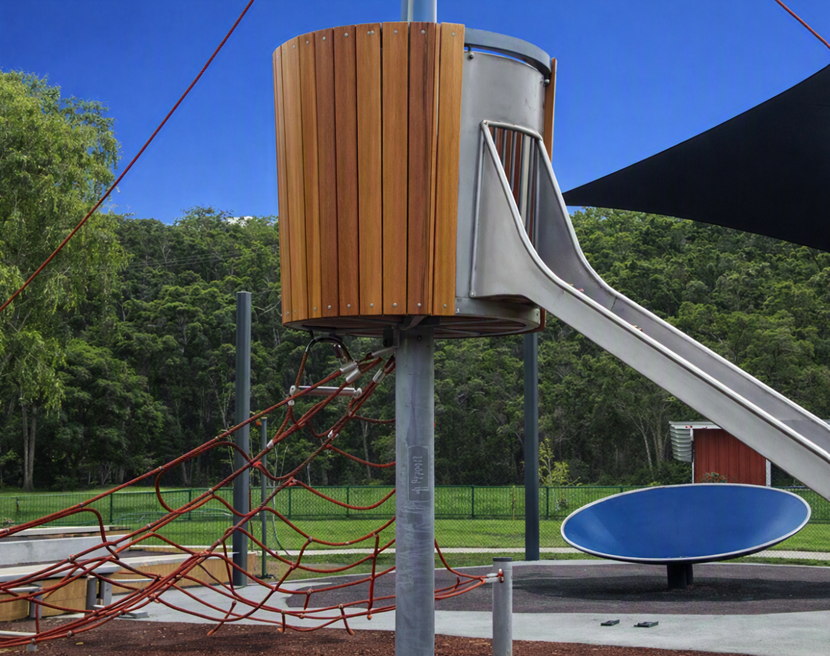
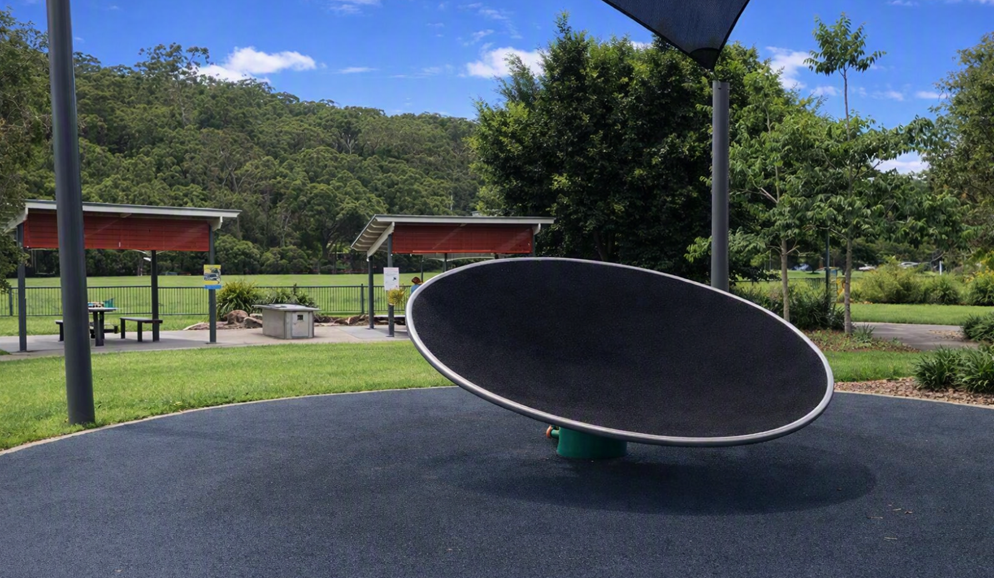
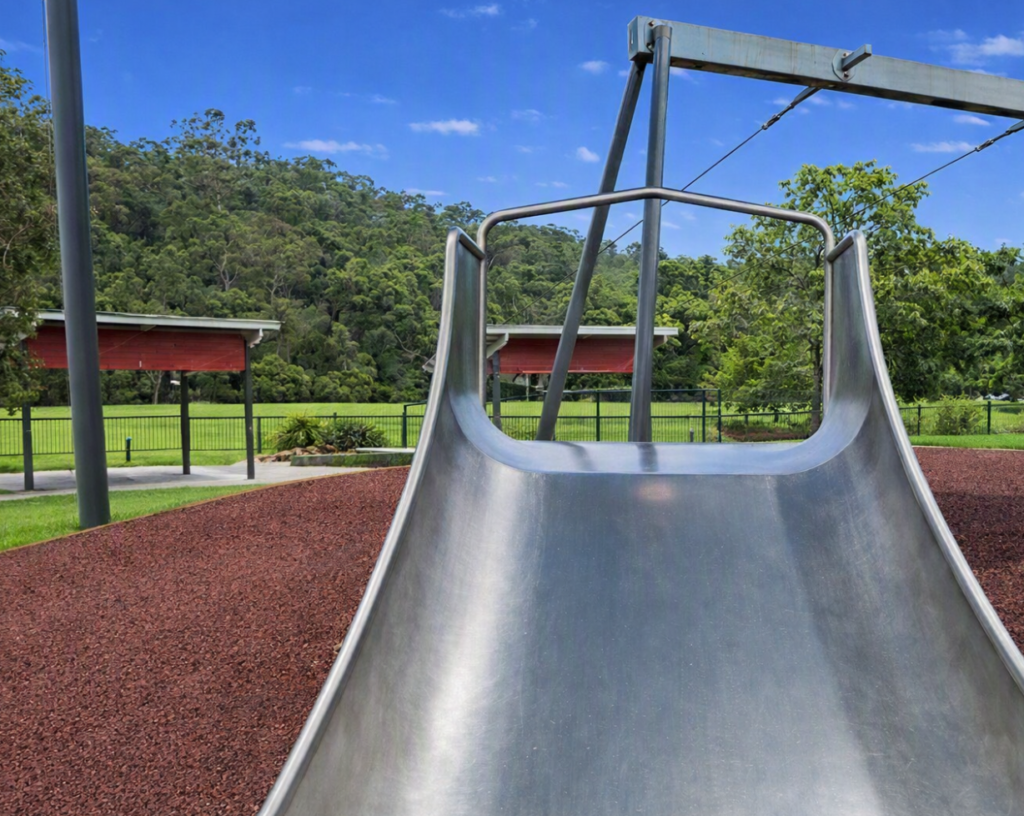
The fully fenced playground is enormous, designed for children of all ages and abilities. At its centre rises a climbing net that leads to a crow’s nest lookout, with a large slide spiralling down the other side. Nearby, sensory play equipment invites children to twist, spin and bang on drums and pipe instruments, while sandpits with stationary diggers encourage digging and building.
Swings of every kind — standard, baby, support, bird’s nest and hammock — line the edges, and the double flying fox stretches thirty‑five metres, letting children race side by side through the air. Grassy areas provide space to sprawl. The playground is more than equipment; it is imagination made tangible. Children transform the climbing net into a ship’s sail, the flying fox into a leap across lava, the sandpit into a treasure dig.
Sporting Fields and The Common
The reserve’s open fields cater to touch football, cricket, and soccer, but they are equally suited to kite‑flying, informal games, or simply running free. The Common, a wide grassy expanse, invites children to chase balls or launch kites into the sky. Nearby, exercise equipment provides adults with a chance to stretch and strengthen while kids play.
Accessibility and Facilities
Whites Hill Reserve is designed to be inclusive. Wheelchair‑accessible tracks and playground equipment ensure that everyone can join in. Disabled parking spaces sit next to the playground, and accessible toilets and adult change facilities are provided.
A sign language billboard teaches children how to communicate their play experiences, weaving inclusivity into the fabric of the reserve. Traffic flow is one‑way along the ring road, with parking near the playground and fields. The reserve is open twenty‑four hours, though evenings bring a different atmosphere — the forest alive with nocturnal calls.
Cycling and Safety
Cyclists can ride the Boundary Road Bikeway or explore paths weaving through the playground. Scooters and trikes are welcome, especially in the playground’s bike run with its playful speed bumps. Safety is key: helmets are essential, riders keep left, pedestrians have right of way, and speed is kept suitable for shared paths.
Imagination Factor
Children transform the playground into worlds of their own. The climbing net becomes a ship’s sail, the flying fox a leap across lava, the sandpit a treasure dig. Mud pies, nature art, pirate lookouts — every section offers a different play experience. The reserve is not only a place to play but a place to imagine, where nature and creativity intertwine.
Tips for Visitors
To preserve the reserve and stay safe, visitors are encouraged to remain on designated tracks, wear comfortable shoes, hats and sunscreen, and carry a phone and track map. Dogs are welcome but must be kept on a leash, and owners are asked to clean up after them.
After heavy rain, tracks may be muddy or flooded, so care is needed. Above all, visitors are asked to leave the bushland as they found it, helping to protect its fragile ecosystems. It is a place to gather, to wander, to imagine, and to protect. A reserve that belongs to families, athletes, naturalists, and dreamers alike — and to the koalas, owls, and echidnas who call it home.
Why It Matters
Whites Hill Reserve is more than a park. It is a living classroom, a sanctuary, a playground, and a community hub. It teaches children about nature, offers adults respite, and preserves habitats for species that might otherwise vanish from Brisbane’s urban sprawl. It is a reminder that wilderness and city can coexist, that conservation and recreation can share the same space.
Whites Hill Reserve is proof that wilderness and city can coexist. Just minutes from Brisbane’s centre, it offers a mosaic of experiences: bushwalks shaded by towering gums, playgrounds alive with laughter, sporting fields open to games and kites, and lookouts that remind you how close the skyline is to the forest.