
Get Away Locally from Faroe Islands > Zealand / Sjælland
Zealand, or Sjælland, is Denmark’s largest island and the stage on which much of the country’s history, culture, and everyday life unfolds. Copenhagen sits on its eastern edge, cosmopolitan and international, but beyond the capital lies a landscape of fishing harbors, Renaissance castles, seaside villages, and open‑air museums. To explore Zealand is to see Denmark in miniature: modern city life balanced by traditions rooted in the countryside and coast.
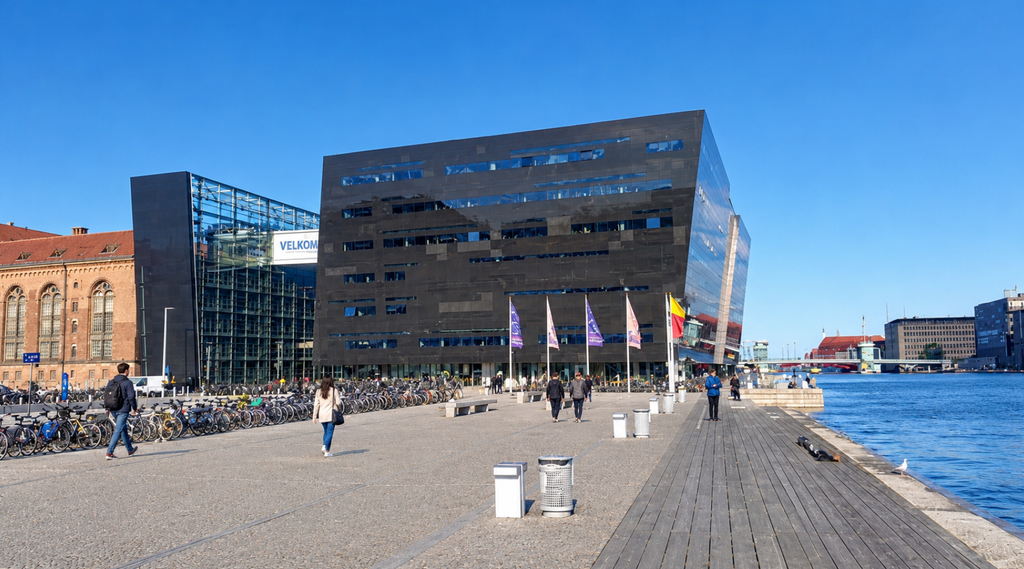
Copenhagen as Gateway
Most journeys begin in Copenhagen. The city is vibrant, filled with bicycles, canals, and international energy. Yet it is only one face of Zealand. Trains and roads radiate outward, connecting travelers to towns where Danish rhythms remain slower, shaped by sea and land. Within ninety minutes, you can leave behind the bustle and step into fishing harbors or castle gardens.
Gilleleje: Northern Fishing Town
At the northern tip of Zealand lies Gilleleje, a harbor town where fishing boats still set out at dawn. Thatched‑roof houses line the waterfront, restored yet modern inside. The harbor is alive with auction houses and restaurants serving fresh catch.
Walking east along the coast leads to Nakkehoved Fyr, a lighthouse from the 1700s with a museum and panoramic views. Nearby stands Det gamle fyr, the old lighthouse, modest but beautifully restored. Coastal paths rise above the sea, framed by hedges and villas, offering sunsets that linger long into summer evenings.
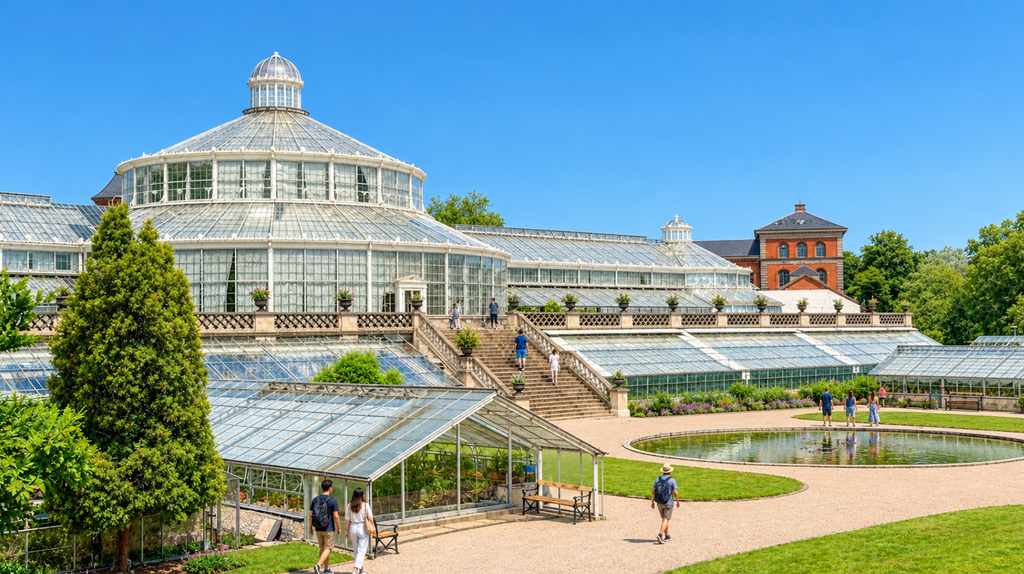
Gilleleje embodies everyday Danish life outside the capital. It is small enough to walk end to end, yet rich in atmosphere. The town center holds Vesterbrogade, a street of ceramics, flowers, and local shops. The harbor remains the pulse, alive yet never overcrowded.
Frederiksborg Castle: Renaissance Splendor
South of Gilleleje, in Hillerød, Frederiksborg Castle dominates the lakeside. Built in the early 1600s, it remains Denmark’s grandest Renaissance palace. Gardens stretch in terraces, fountains spray, and hedgerows form mazes. A boat ride across the lake provides a gentle approach, while paths lead visitors through ponds toward the castle’s hidden café. Inside, ornate halls and galleries reveal Denmark’s royal past.
The castle is more than architecture; it is a narrative of Danish monarchy and culture. To wander its grounds is to step into centuries of history, framed by water and gardens that remain among the most beautiful in Scandinavia.
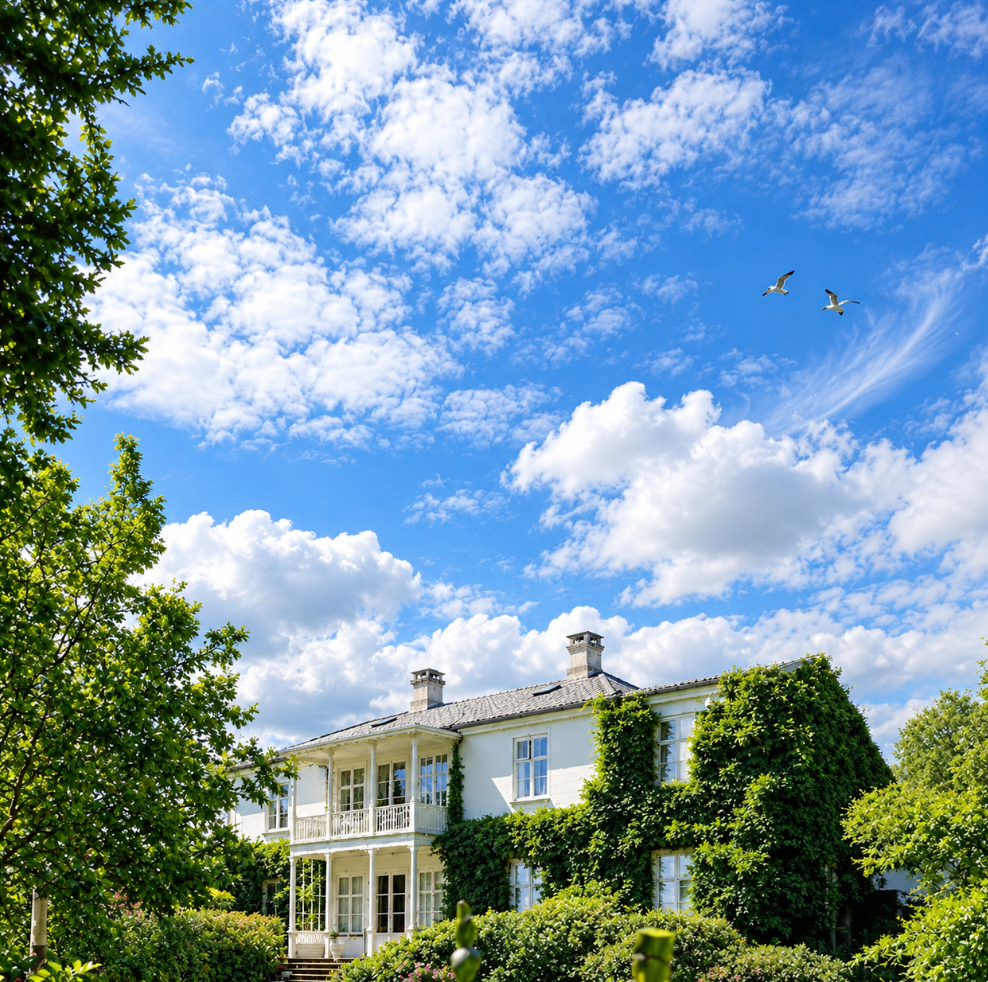
Lyngby’s Open‑Air Museum
Closer to Copenhagen, Frilandsmuseet in Lyngby recreates centuries of rural life. Pebbled paths connect timbered houses, barns, and painted interiors. Windmills turn slowly, gardens bloom, and horse‑drawn carriages recall another era.
Walking here feels like stepping into a village where history is lived rather than displayed. Each home tells a story, with painted walls, tiny beds, and memorabilia from families who once lived there. The museum is both cultural and natural, blending farmland with village life.
Helsingør: Hamlet’s Stage
On Zealand’s northeastern coast lies Helsingør, home to Kronborg Castle. Immortalized as Elsinore in Shakespeare’s Hamlet, the fortress guards the Øresund Strait.
Beyond the castle, Helsingør connects Denmark to Sweden. The ForSea ferry crosses to Helsingborg in minutes. A round trip provides drinks on board, or an overnight stay in Sweden adds the IKEA Hotel and Museum before returning via the Øresund Bridge.

Helsingør is both historic and practical: a place where literature, architecture, and modern travel converge.
Hornbæk: Summer Beach Town
Hornbæk is reached by a short train ride north from Copenhagen, a journey that feels more like a transition than transport. The regional train follows the coast toward Helsingør, while the local train cuts through woodlands. After twenty minutes of rest, arrival in Hornbæk is immediate immersion into a slower rhythm. The town greets visitors with cheerful streets, colorful shops, and the unmistakable scent of sea air.
The harbor is Hornbæk’s heartbeat. Small but vibrant, it is lined with fishing boats, yachts, and painted vessels. Reflections shimmer across the water, ropes coil neatly, and sails fold against the tide. It is not grand but intimate, a reminder that beauty often lies in scale rather than spectacle.
On either side of the harbor stretch two wide, sandy beaches. The sand is fine, golden, and soft beneath bare feet. The right-hand beach is extraordinary — the widest in Denmark, a vast sweep that feels endless. Families gather here, children run barefoot, and the atmosphere is lively yet relaxed. The left-hand beach is quieter, offering solitude and reflection. Together, they balance energy and calm.
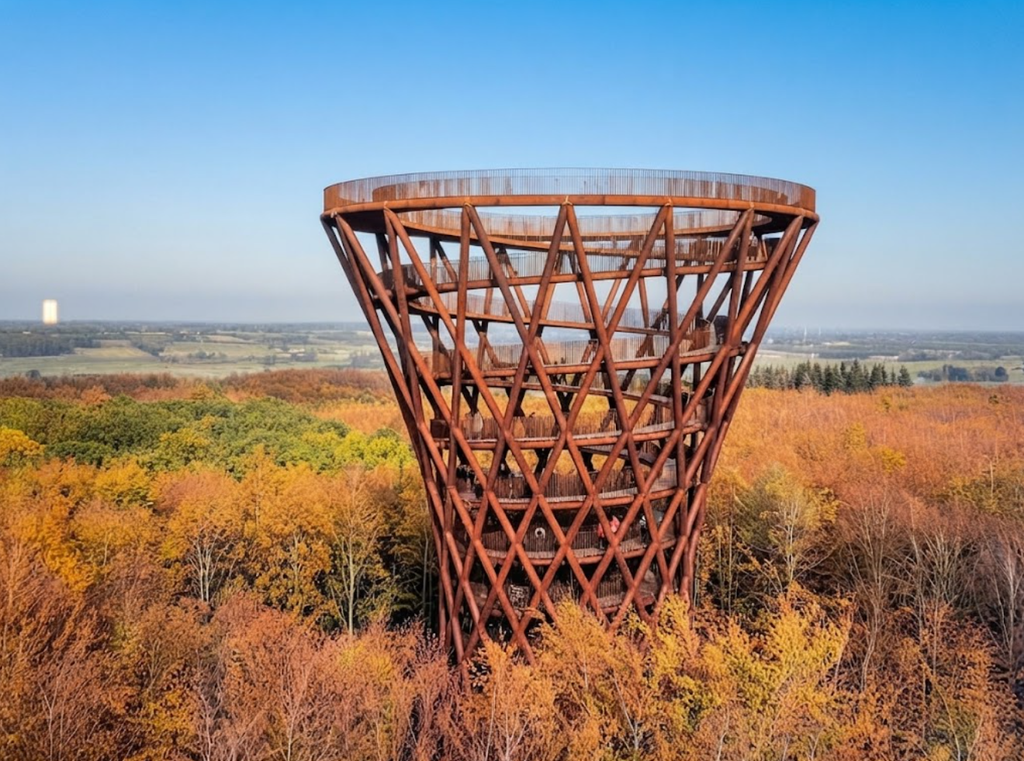
Hornbæk belongs to the Danish Riviera, famed for golden sands and white summer houses. It is a retreat for locals, not a tourist hotspot. The rhythm here is pastries from the bakery, ice cream savored slowly, and coffee brewed strong. The town is about atmosphere, not attractions — a reminder that leisure is about being, not doing.
Behind the dunes runs a path winding east and west. Walking here reveals glimpses of summer houses, woodland stretches, and even a dog park. The trail balances sea views with quiet corners, offering both community and solitude.
Hornbæk is best in summer, from July to early September. Long days, warm air, and inviting waters define the season. The beaches are lively but never overcrowded, the harbor vibes. Yet breezes remind visitors of Denmark’s coastal character, making light layers essential.
Summer waters bloom with Moon Jellyfish, clear with pink rings and harmless. Children play with them, swimmers glide past without concern. They are part of the seascape, a curiosity rather than a threat.
Hornbæk invites comfort: towels, picnic blankets, books, and water toys transform the beach into a living room under the sky. Leisure here is measured in moments, not hours.
Friendly locals add warmth to the town. Staying in guesthouses deepens the experience, with hosts like Marianne offering tea and conversation in sunny courtyards. These interactions linger longer than sights, becoming defining memories.
Hornbæk feels like Somers on Australia’s Mornington Peninsula — authentic, lived-in, and relaxed. Holiday vibes here are natural, not manufactured.
A trip can be affordable or indulgent. Public transport and a picnic might cost £10. Activities are free; choices lie in how you linger. Though perfect for a day trip, Hornbæk invites longer stays. Guesthouses and summer houses allow mornings in courtyards, afternoons on beaches, and evenings with sunset.
Tisvildeleje: Quiet Retreat
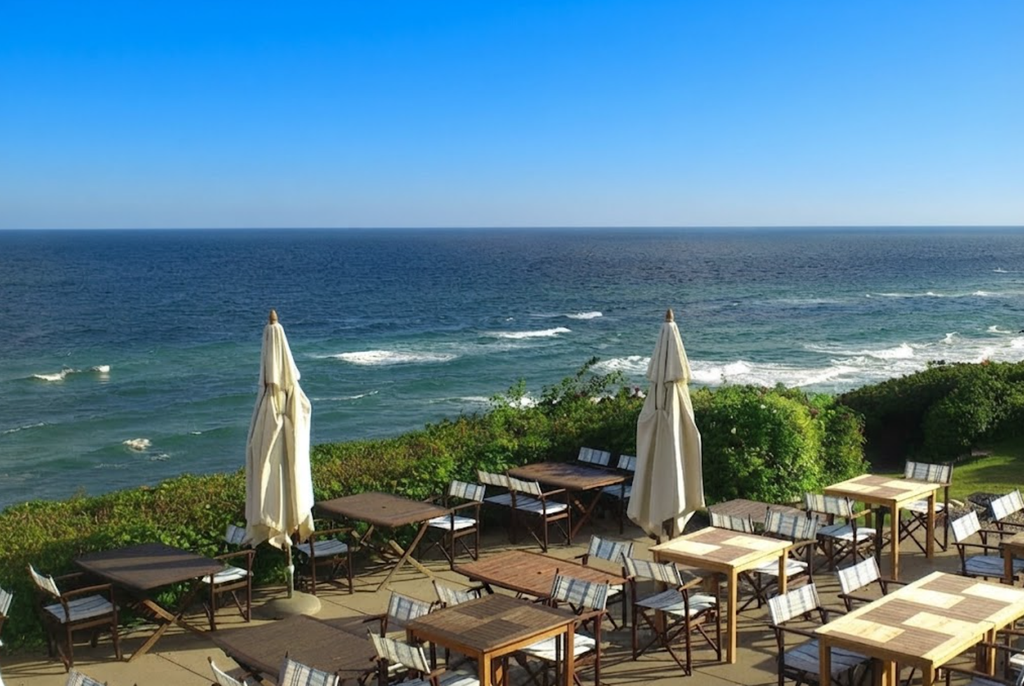
Farther west, Tisvildeleje offers a quieter rhythm. Seaside paths wind along dunes and villas, and the town invites relaxation away from city chaos. Here, the coast becomes a place of reflection, where long walks and sunsets define the experience.
Everyday Life Beyond the Capital
Exploring Zealand means glimpsing everyday Danish life. In towns like Gilleleje, fishing remains central. In Hornbæk, summer leisure thrives. In Tisvildeleje, quiet retreats balance the rhythm. Castles like Frederiksborg reveal royal history, while museums like Frilandsmuseet preserve rural traditions. Together, these places show Denmark beyond Copenhagen: authentic, coastal, and deeply tied to land and sea.
Why Stay Overnight
Though day trips are easy, Zealand rewards longer stays. Spending the night allows time to wander coastal paths, linger in castle gardens, and explore villages without rushing. Each town offers its own rhythm, from fishing harbors to surf beaches, from Renaissance halls to open‑air museums.
Final Thoughts
Zealand is Denmark in essence. Copenhagen provides the cosmopolitan face, but beyond the capital lie fishing towns, castles, and coastlines where tradition endures. To walk the harbor in Gilleleje, to stand atop Nakkehoved Fyr, to wander Frederiksborg’s gardens, or to cross the strait from Helsingør is to see Denmark in full.
Zealand is not only the largest island; it is the heart of the country, a place where history, nature, and everyday life converge.