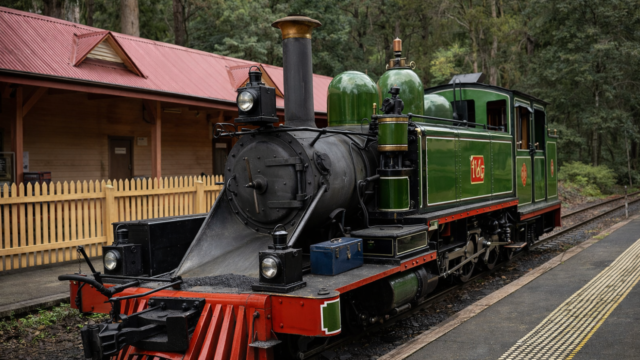
Puffing Billy: Steam Dreams in the Dandenong Ranges
- Puffing Billy Railway, Belgrave, Melbourne, Victoria, 3160, Australia
First Peoples’ Voices: Bunjilaka
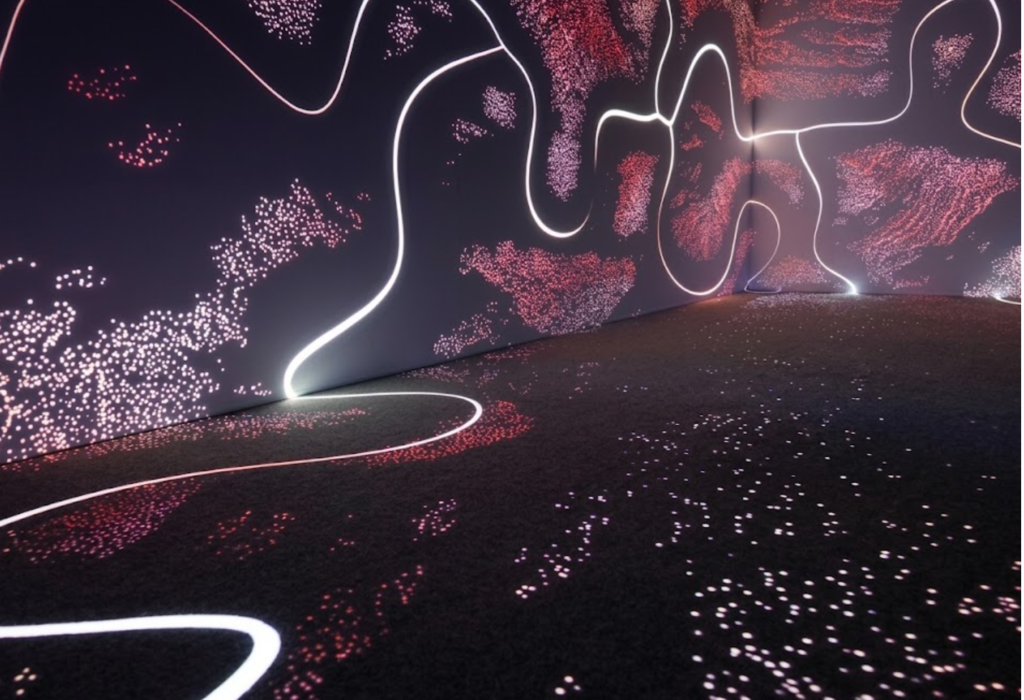
At the heart of the museum lies Bunjilaka, a space where Victoria’s First Peoples, the Kulin Nation, speak through story, tradition, and culture. It is not a static exhibition but a living narrative, deeply moving in its honesty.
The Milarri Garden offers a living classroom: an eel pond glistening with life, winding paths lined with plants whose uses stretch back thousands of years. Here, the land itself becomes teacher, reminding visitors that history is not confined to glass cases but rooted in soil and water.
The garden whispers of resilience, of knowledge passed down through generations, of a relationship with the land that is both practical and spiritual. Walking through Bunjilaka is not passive observation—it is participation in a dialogue.
It asks visitors to listen, to reflect, and to understand that the story of Melbourne is incomplete without the voices of its First Peoples.
The Melbourne Story: Migration and Identity
Step into The Melbourne Story and trace the city’s journey from colonisation to waves of migration in the 19th and 20th centuries. It is a narrative of resilience and reinvention, told through artifacts, photographs, and voices of those who shaped the city.
Melbourne’s identity is woven from countless threads—European settlers, Chinese goldfield workers, post‑war migrants from Greece and Italy, and more recent arrivals from Asia and Africa. Each wave brought new traditions, foods, and languages, creating the multicultural city celebrated today.
The exhibition is not just about history; it is about belonging. It reminds visitors that Melbourne is a city of arrivals, a place where diversity is not an afterthought but a defining feature.
Wild Science and Living Forests
Science here is not static—it is alive. The Wild Exhibition bursts with natural wonders, while the Forest Gallery immerses visitors in a living ecosystem beneath its canopy. Bowerbirds weave their intricate nests, and the tawny frogmouth watches with solemn eyes.
The gallery breathes, reminding visitors that museums can hold not only fossils but forests, not only the past but the present. It is a place where the boundaries between indoors and outdoors blur, where the scent of eucalyptus mingles with the hum of insects, and where the rhythm of nature becomes part of the museum’s heartbeat.
For the Young and the Young‑at‑Heart
In the western wing, the Pauline Gandel Children’s Gallery invites play and imagination. Children dance on mirrored floors, build, explore, and learn through experience. And yes, adults too can surrender to joy—there is no shame in joining the disco.
The gallery is a reminder that learning is not confined to age; it is a lifelong pursuit, best nurtured through wonder. It is a place where confidence is built through play, where imagination is not dismissed but celebrated, and where curiosity is given free rein.
Icons of the Collection: Fossils and Fantasies
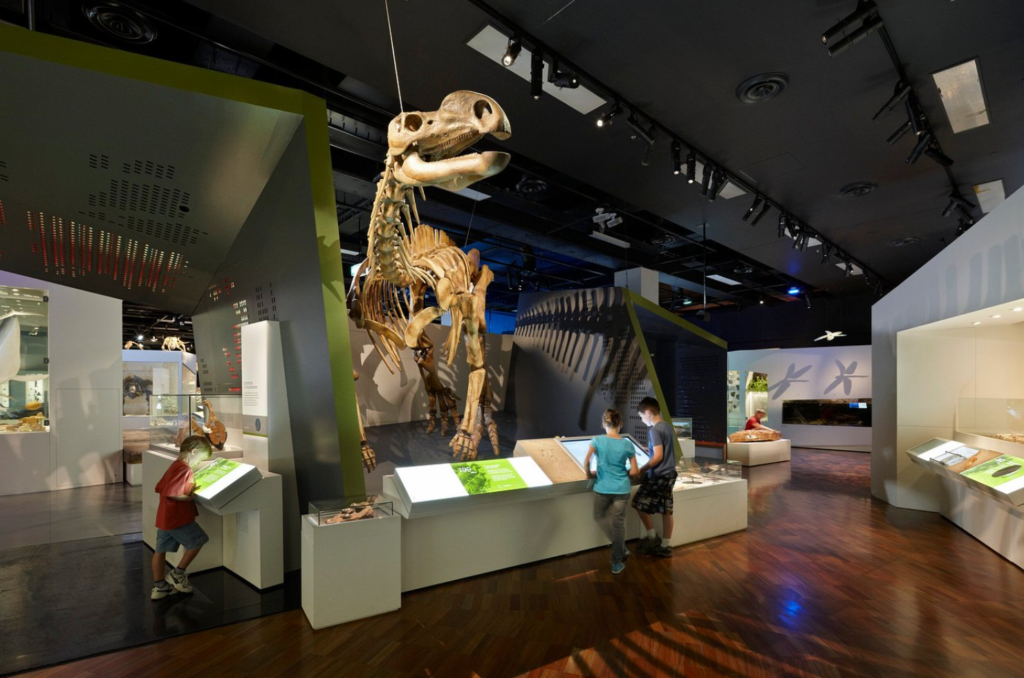
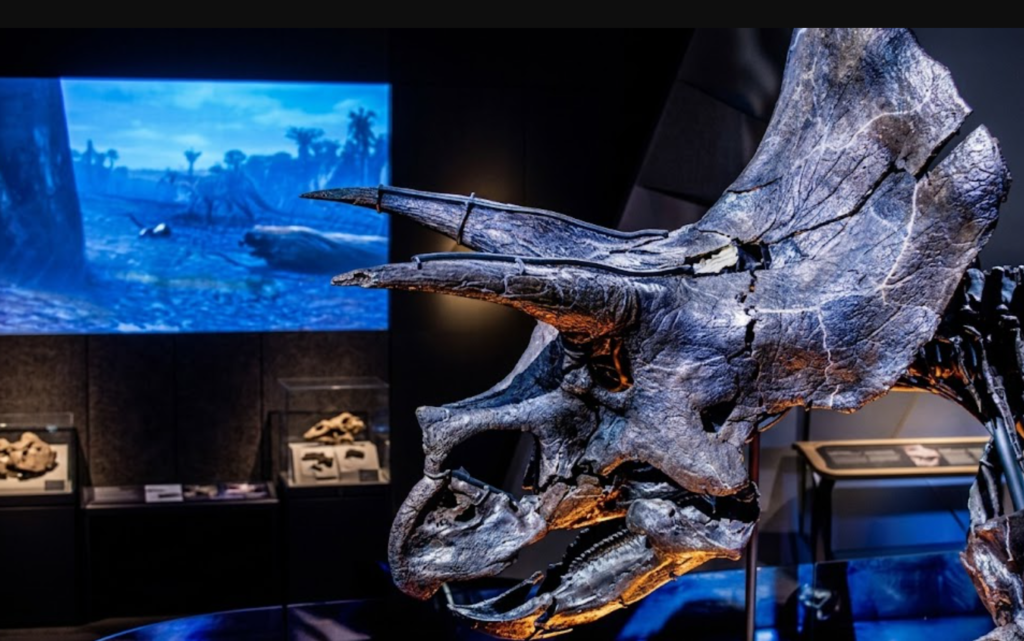
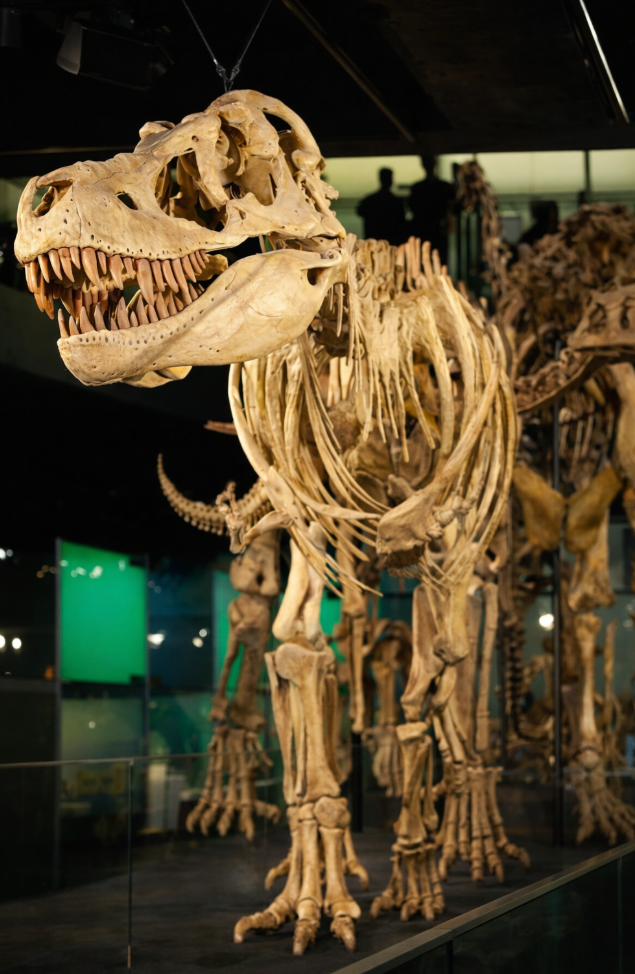
The museum’s treasures are vast: from the fossil of a pygmy blue whale that dwarfs visitors in the foyer, to Triceratops Horridus, the most complete specimen of its kind, commanding an entire gallery.
Each fossil tells a story of life’s experiments across eras—the friendly grin of Janjucetus, the formidable Inostrancevia, the birdlike Gallimimus, and the towering Mamenchisaurus. These creatures remind us that fantasy and reality often blur.
The unicorns of childhood drawings may not be so far removed from forgotten truths. When children sketch fantastical beasts, they unknowingly echo forms that once walked the Earth. Believing in fantasy is not delusion—it is a recognition that magic has always existed upon the land where humanity lives.
The Grand Exhibition Building
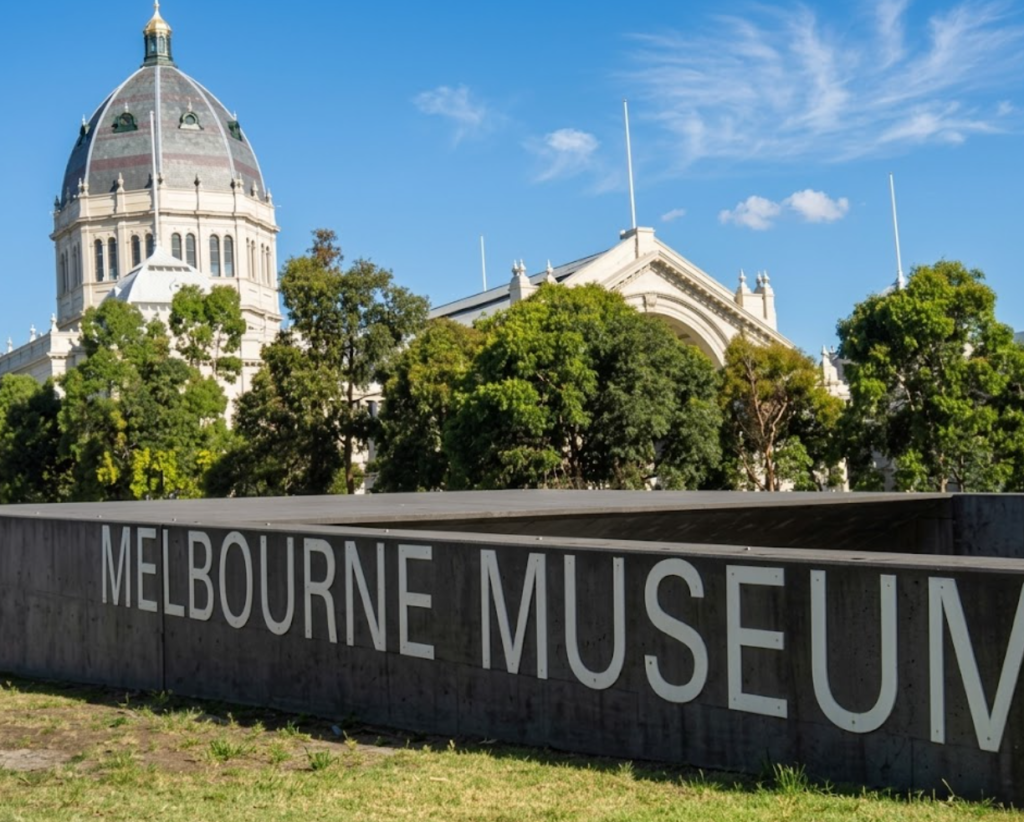
Adjacent stands the Royal Exhibition Building, the largest object in the State Collection. A Victorian‑era marvel, it continues to host exhibitions while undergoing careful restoration.
It is a monument to ambition, a reminder of Melbourne’s place in the grand narrative of world fairs and cultural exchange. Its domes and arches speak of a time when architecture was not just functional but aspirational, when buildings were designed to inspire awe.
Why It Matters: The Collections
Ultimately, what makes the Melbourne Museum extraordinary is its ability to hold contradictions: natural science beside social history, living forests beside meteorites, fossils beside children’s laughter.
It is a place where life is preserved, celebrated, and questioned. Is a mineral alive? Is a meteorite a relic or a witness? The museum does not answer—it invites wonder. It is a place where questions are valued as much as answers, where curiosity is not a problem to be solved but a gift to be nurtured.

Practical Notes
General admission is accessible: Adults $15 AUD, Children under 16 free, Concession free. A testament that knowledge should not be locked away but shared generously.
A Testament to Life
From molecules of protein to creatures that defied extinction, the Melbourne Museum encapsulates the phenomenon of existence. It is a place where chaos and gentleness coexist—where whales remind of kindness, geese of rage, and frogs like Goobus of carefree joy.
In its galleries, fantasy and science meet, and visitors leave with the sense that life, in all its forms, is both fragile and magnificent. The museum is not just a collection of objects—it is a celebration of life itself, in all its complexity and wonder.
There are no reviews yet.