
Vienna > Things to do in Vienna > Schönbrunn Palace
Practical Notes
જ Palace Hours:Jan–Jun: 9:30 AM – 5 PM
Jul–Dec: 9 AM – 5:30 PM
જ Garden Hours: Daily, 6:30 AM – 5 PM
જ Tickets: Skip‑the‑line tour €48; Vienna city guided tour €59
જ Address: Schönbrunner Schloßstraße 47, 1130 Wien, Austria
Getting There
જ Metro: U4 line → Schloss Schönbrunn
જ Tram: Line 10 or 60 → Schloss Schönbrunn
જ Bus: Route 10A → Schloss Schönbrunn
જ Car/Taxi: 28.9 km from Vienna International Airport
જ Train: Westbound tram line 608 → Schloss Schönbrunn

A Baroque Dream in Motion
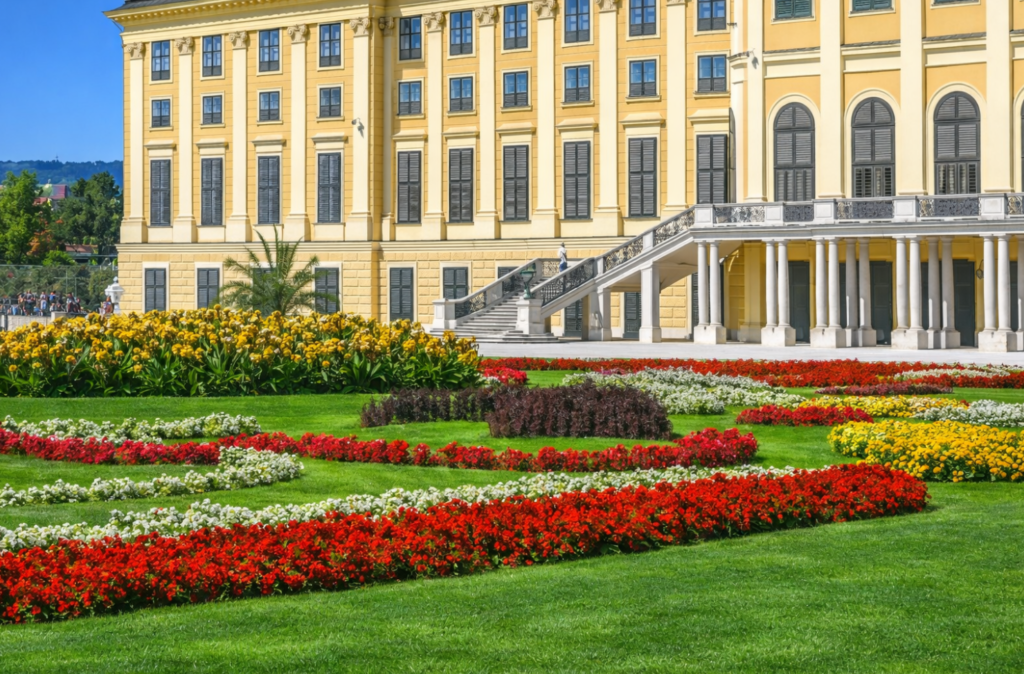
Vienna’s Schönbrunn Palace is not just a landmark — it’s a living chronicle of empire, art, and ambition. Rising from its origins as a 16th‑century hunting lodge, this palace has grown into Austria’s largest palace, with 1,441 rooms and sprawling gardens that stretch across 14 km of paths. Every corridor, every terrace, every fountain whispers of the Habsburg dynasty’s grandeur.
Why It Captivates
જ Imperial Legacy: Schönbrunn embodies centuries of Habsburg power.
જ Architectural Brilliance: Crafted by Johann Bernhard Fischer von Erlach and Nicolò Pacassi, the palace fuses baroque symmetry with Rococo elegance.
જ Cultural Magnet: With 2 million annual visitors, it remains Vienna’s most beloved attraction.
જ Symbolic Name: “Schönbrunn” translates to beautiful spring, a nod to the artesian well that once sustained the palace.
Inside the Palace
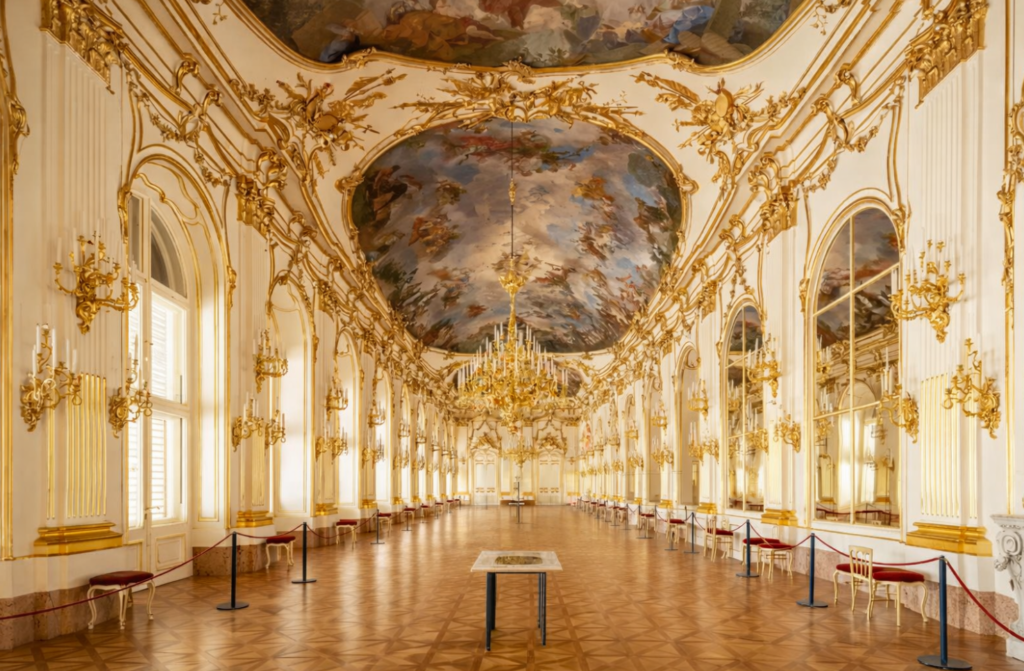
જ Hall of Mirrors: Gilded Rococo décor and candlelit reflections.
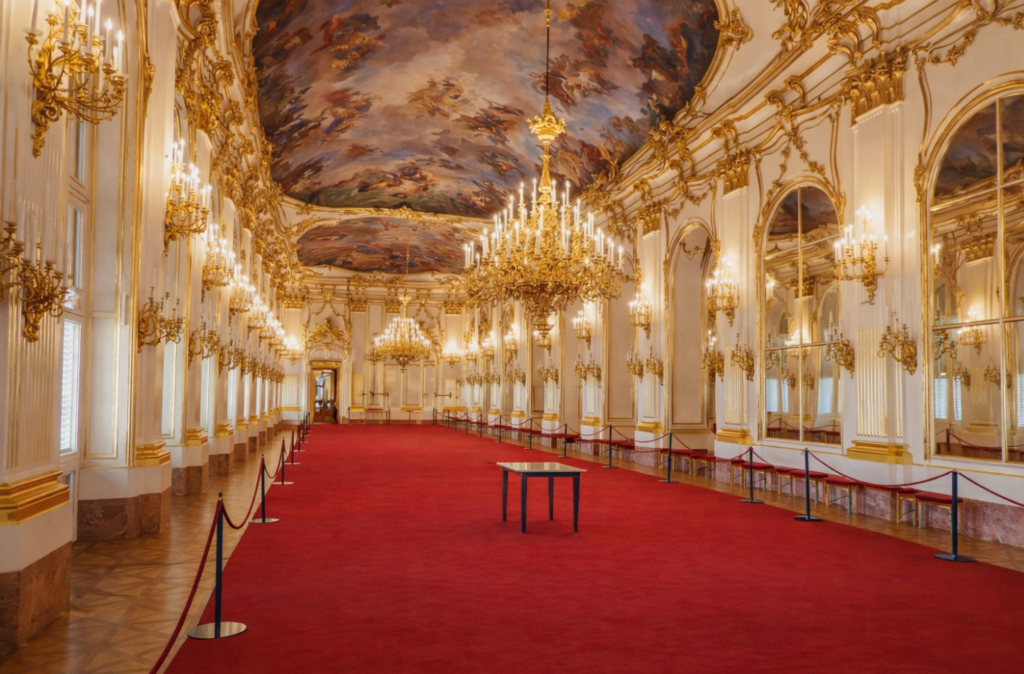
જ Great Gallery: A 43‑meter Rococo masterpiece, once the stage for imperial banquets and political intrigue.
જ Imperial Apartments: Personal quarters of Empress Sisi, layered with artifacts and courtly splendor.
જ Carriage Museum: Coronation coaches, hunting carriages, and the material theater of Habsburg life.
The Visitor’s Journey
જ Suggested Duration: 2–4 hours
જ Best Time to Visit: Early morning or late afternoon (3–4 PM)
Beyond the Walls
જ Schönbrunn Zoo: Founded in 1752, it’s the oldest operating zoo in the world, still enchanting with pandas, polar bears, and forest walkways.
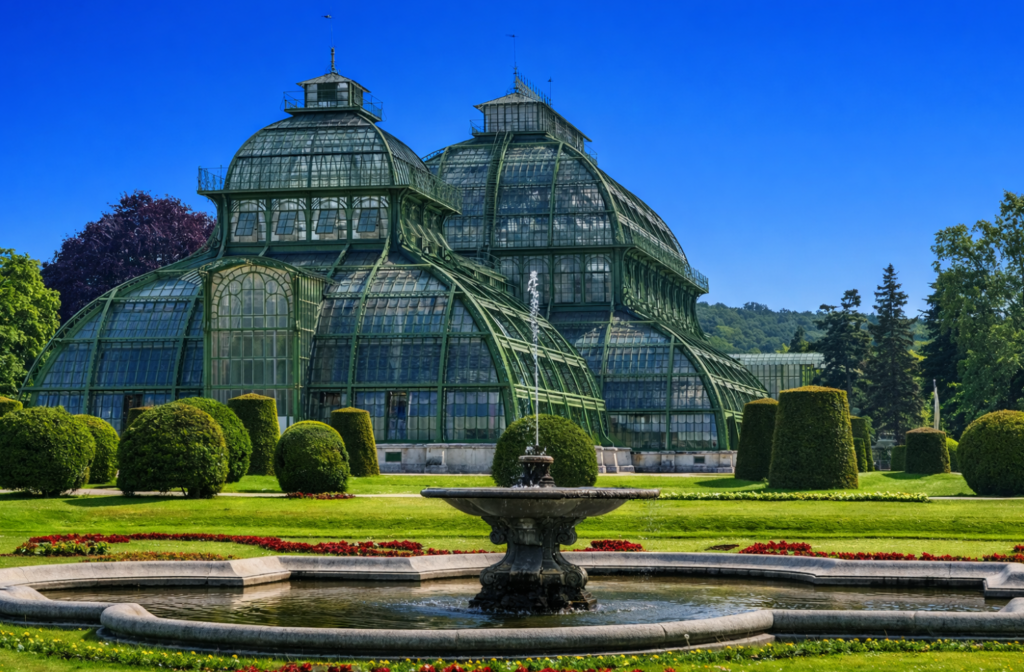
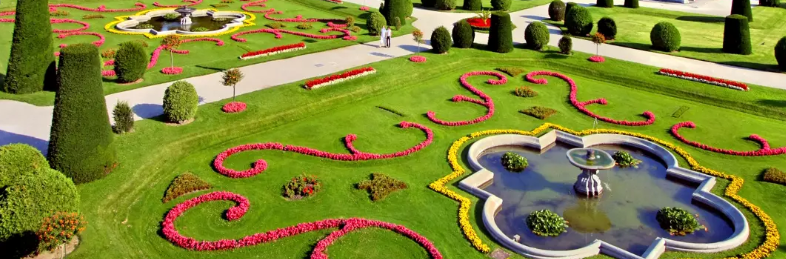
જ Privy Garden: Formal baroque terraces, fountains, and radiant flowerbeds designed in 1775 — a living canvas of 18th‑century artistry.
જ Gloriette: Perched on a hill, offering panoramic views of Vienna — the palace’s visual crescendo.
History in Layers
18th Century: Schönbrunn transformed into a summer residence, commissioning Rococo interiors and vast gardens.
1814–15: Renovated for the Congress of Vienna, the palace becomes a stage for Europe’s political theater.
1918: After World War I, Schönbrunn is seized by the Republic of Austria and opened to the public.
Architectural Splendor
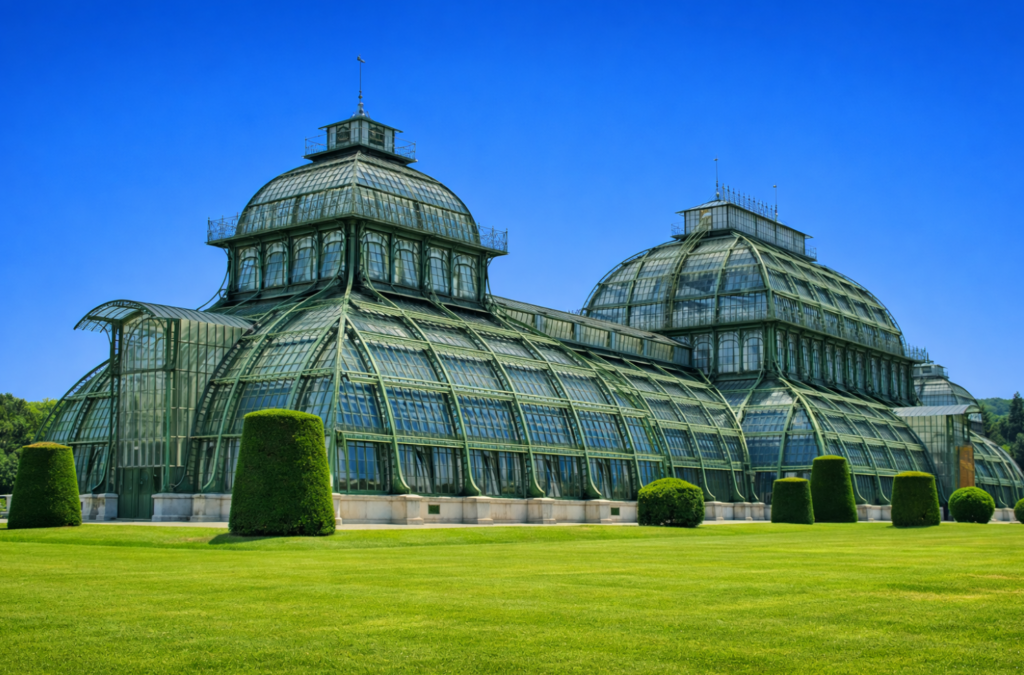
જ Exterior: Rococo façades, scrolls, and curves, anchored by a central pavilion with a clock tower symbolizing justice and truth.
જ Interior: Marble floors, stucco ceilings, wood carvings, and frescoes — a symphony of aristocratic design.
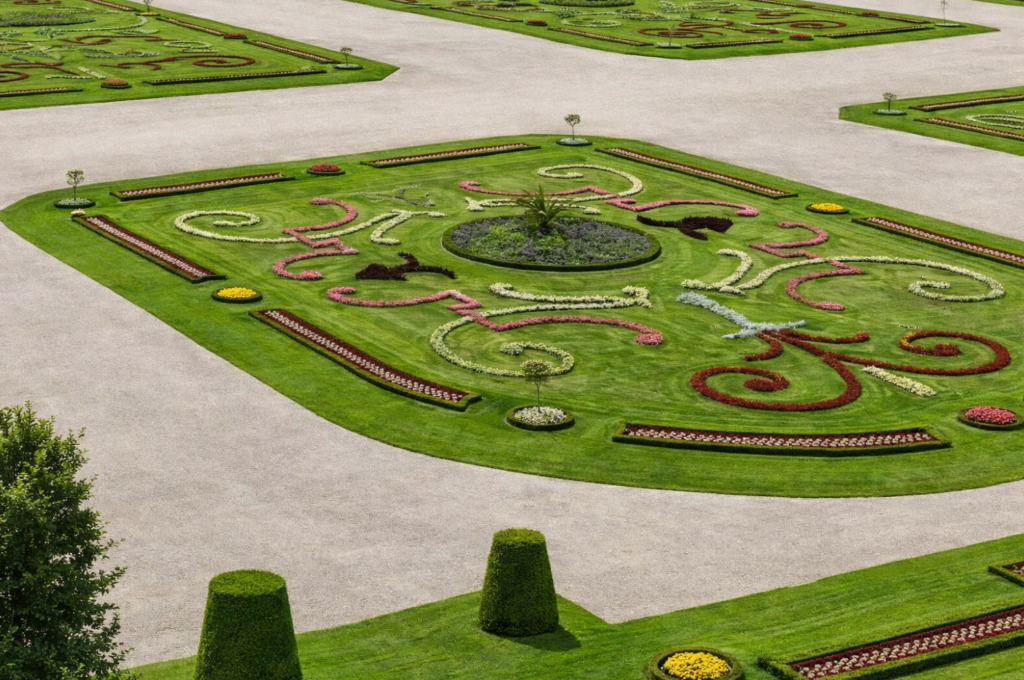
જ Gardens: Designed by Jean‑Nicolas Jadot de Ville‑Issey and Nicolas‑François Blondel, with 1,400 trees planted in radiating patterns, mazes, grottoes, and fountains.
Fascinating Facts
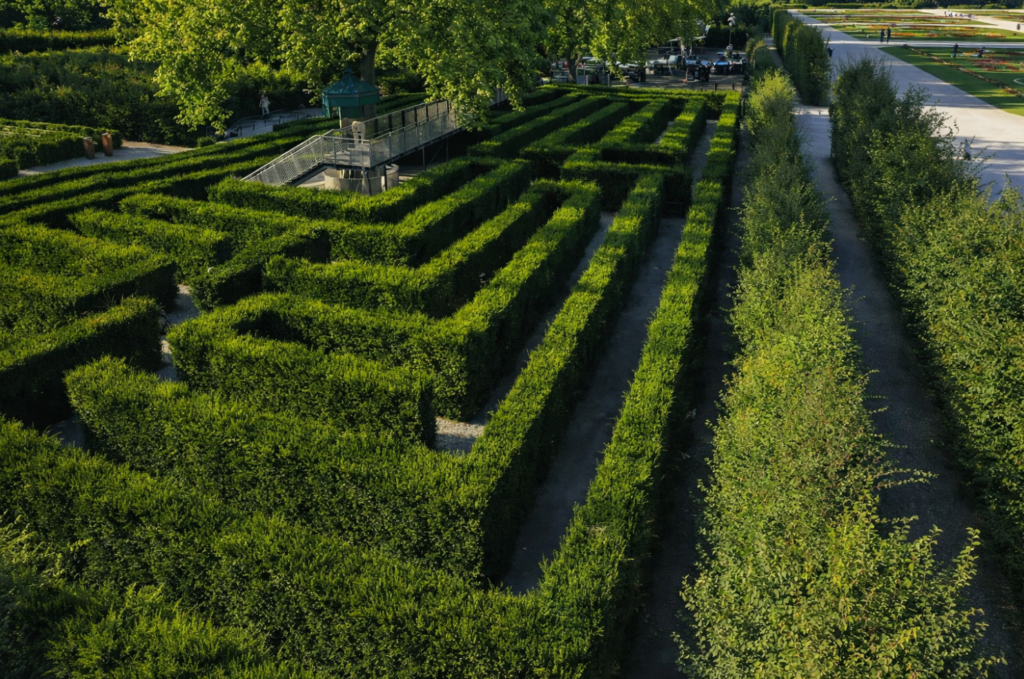
Schönbrunn has 1,441 rooms spread across four floors. The palace gardens include a maze, artificial lake, grottoes, and fountains. Between 1744–1918, Schönbrunn was the seat of Habsburg power, ruling Austria, Hungary, Croatia, and beyond. The zoo, opened in 1752, remains the oldest in continuous operation worldwide.
Why You’ll Remember It
Schönbrunn Palace is more than a visit — it’s an immersion. A place where candlelight once flickered across gilded mirrors, where emperors plotted Europe’s fate, and where gardens still bloom in baroque precision. It is Vienna’s eternal stage, a reminder of empire and artistry, and a living archive of grandeur.
Vienna is a city that dazzles with imperial grandeur, artistic treasures, and vibrant modern life — but the real experience lies in discovering it for yourself. From wandering cobblestone lanes to marveling at palaces and museums that shaped centuries of culture, every corner offers something unforgettable.
If you’re ready to uncover the highlights, hidden gems, and experiences that make this city pulse with energy, dive into our Map Marker below that list things to do in Vienna and let your journey begin.
1010, Innere Stadt, Vienna, Austria
.
Vienna Ringstrasse Review
Butterfly House, Hanuschgasse, Kärntner Viertel, Katastralgemeinde Innere Stadt, Innere Stadt, Vienna, 1010, Austria
.
Vienna Butterfly House Review
Austrian Museum of Applied Arts, 5, Stubenring, Stubenviertel, Katastralgemeinde Innere Stadt, Innere Stadt, Vienna, 1010, Austria
.
MAK Vienna Review
Riesenradplatz, Stuwerviertel, Leopoldstadt, Katastralgemeinde Leopoldstadt, Leopoldstadt, Vienna, 1020, Austria
.
Prater Amusement Park Review
Tiergarten Schönbrunn, 13/B, Maxingstraße, Katastralgemeinde Hietzing, Hietzing, Vienna, 1130, Austria
.
Tiergarten Schonbrunn Review
Natural History Museum Vienna, 7, Burgring, Regierungsviertel, Katastralgemeinde Innere Stadt, Innere Stadt, Vienna, 1010, Austria
.
Naturhistorisches Museum Review
Hofburg Palace, Führichgasse, Kärntner Viertel, Katastralgemeinde Innere Stadt, Innere Stadt, Vienna, 1010, Austria
.
Hofburg Palace Vienna Review
27, Prinz-Eugen-Straße, Katastralgemeinde Landstraße, Landstraße, Vienna, 1030, Austria
.
Vienna Hop on Hop Off Bus Review
Schonbrunn Palace, 47, Schönbrunner Schloßstraße, Katastralgemeinde Schönbrunn, Hietzing, Vienna, 1130, Austria
.
Vienna Schonbrunn Palace Review
Twin City Liner, 2, Franz-Josefs-Kai, Stubenviertel, Katastralgemeinde Innere Stadt, Innere Stadt, Vienna, 1010, Austria
.
Vienna River Cruise Review
4, Strauchgasse, Schottenviertel, Katastralgemeinde Innere Stadt, Innere Stadt, Vienna, 1010, Austria
.
Ferstel Passage Review