
Vienna > Things to do in Vienna > The Hofburg
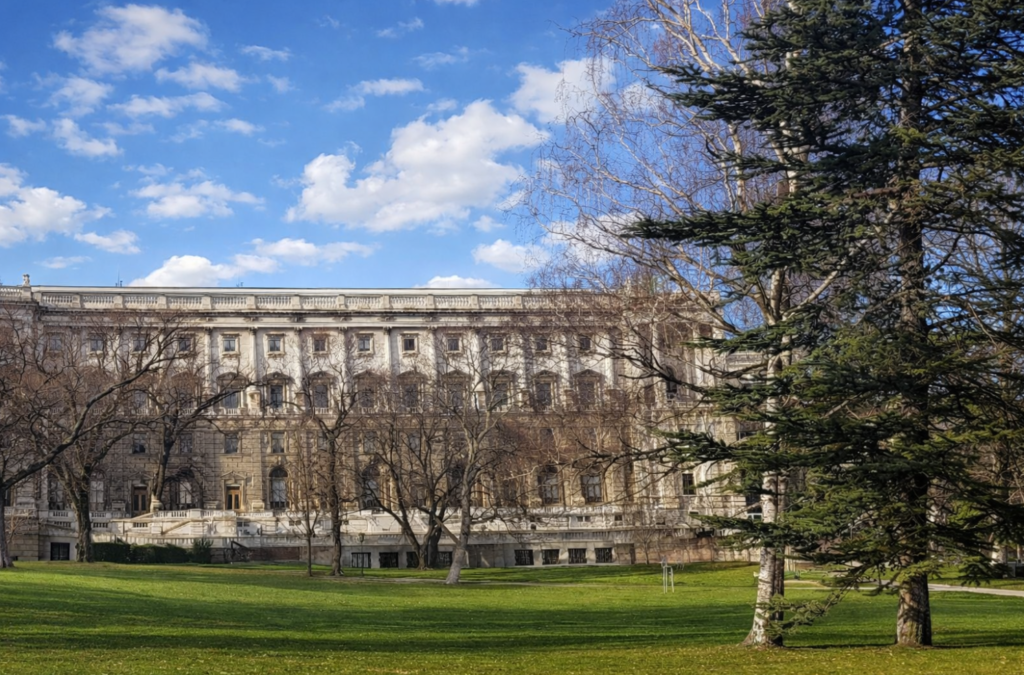
To call the Hofburg Palace “just another grand building” is to miss the pulse that runs through Vienna itself. This was never merely a home for emperors — it was the empire’s beating heart, a stage where six centuries of ambition, diplomacy, and decadence unfolded.
Every stone here carries a whisper of the Habsburgs — their rise, their reign, their fall. The palace isn’t a monument; it’s a living manuscript. Walk its courtyards and you’re not just tracing history — you’re stepping into the rhythm of power itself.
A City Within a City
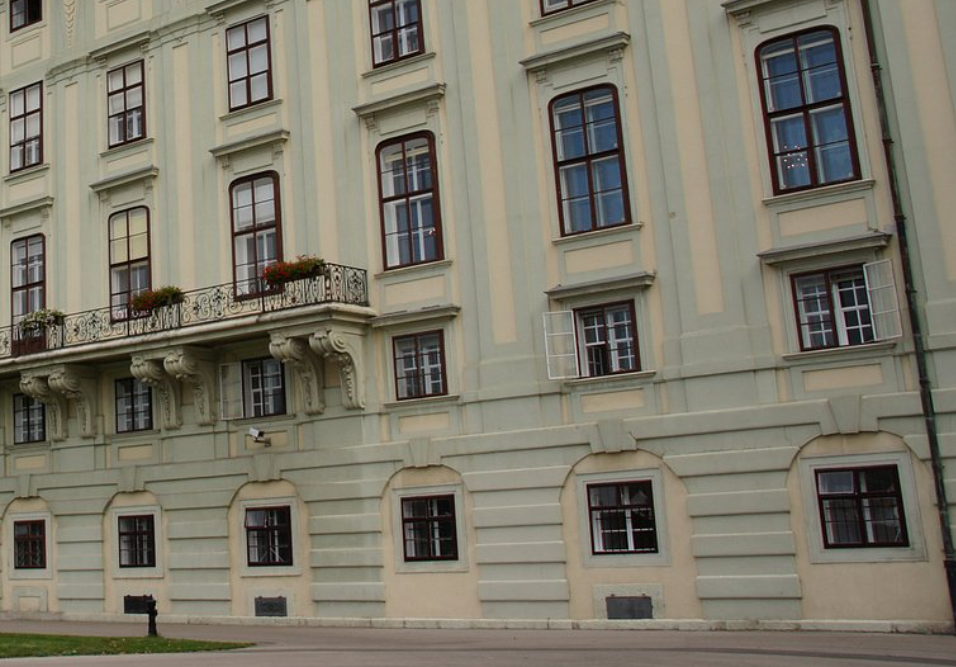
The Hofburg doesn’t unfold; it reveals. One moment you’re in the medieval Swiss Courtyard, where the fortress bones of the 13th century still breathe. A few steps later, you’re swept into the Baroque drama of the Neue Burg — the empire’s final flourish before its curtain fell.
This isn’t architecture; it’s autobiography. Each wing, each arch, each gilded cornice is a ruler’s signature — a dynasty writing its own myth in marble and light. Inside these walls, royal weddings shimmered, treaties were inked, and revolutions whispered. The Hofburg was never static; it was the empire’s nerve center, pulsing with ceremony and consequence.
From Empire to Republic
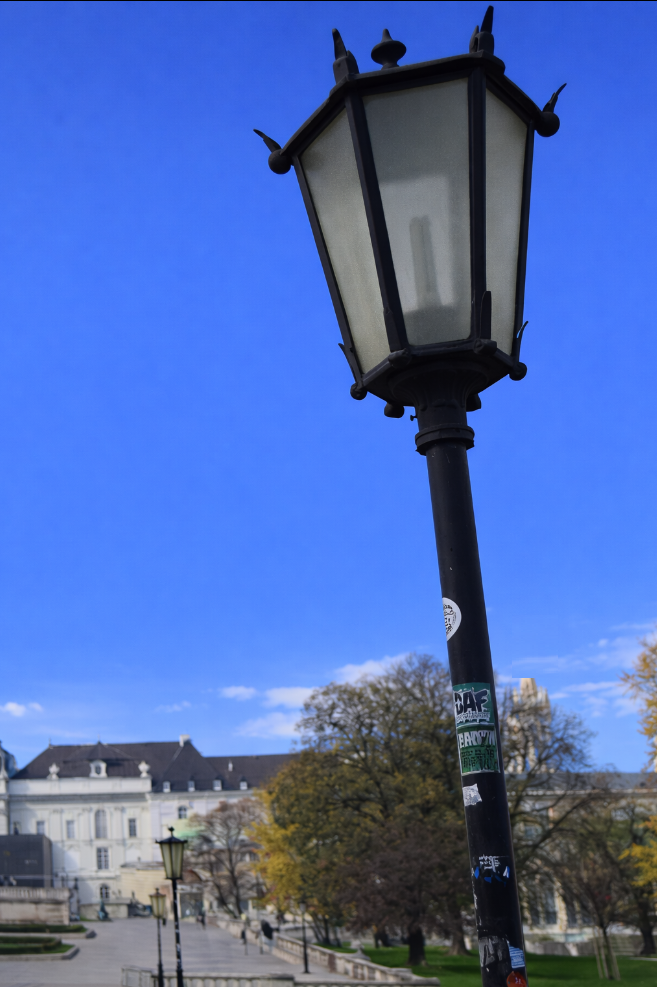
When the Habsburg crown fell in 1918, the Hofburg didn’t fade — it transformed. The palace that once housed emperors now shelters democracy. Today, it’s home to Austria’s president, world-class museums, and international conferences — a paradox of grandeur and governance.
It’s this duality that makes the Hofburg magnetic: a relic of monarchy that still shapes modern Vienna. Walk its corridors and you’re crossing centuries — from imperial decree to democratic dialogue.
How a Fortress Became a Palace
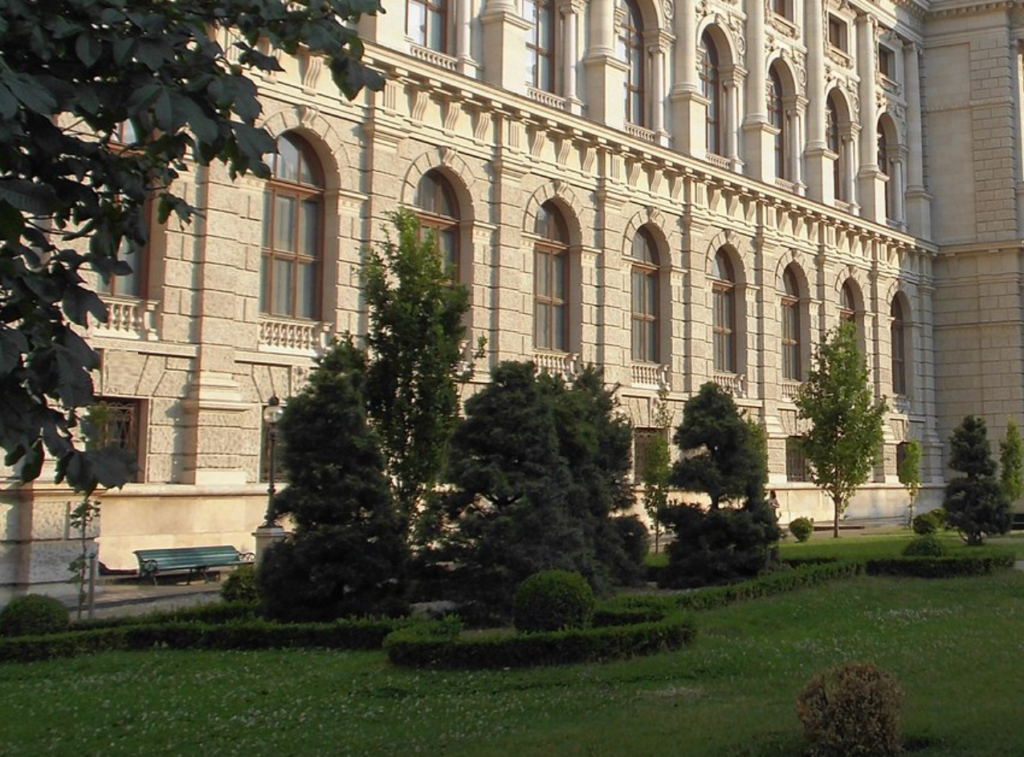
The Hofburg’s story begins humbly. Built by King of Bohemia, it was a fortress first — a pragmatic bulwark, not a palace of dreams. When the Habsburgs took Vienna, they inherited stone and strategy, not splendor.
That changed in the 16th century when Emperor declared Vienna the empire’s capital. The fortress had to evolve — from defense to dominance.Then came the Baroque age, when victory over the Ottomans ignited a frenzy of construction. The Hofburg became a statement — of wealth, of faith, of absolute power.
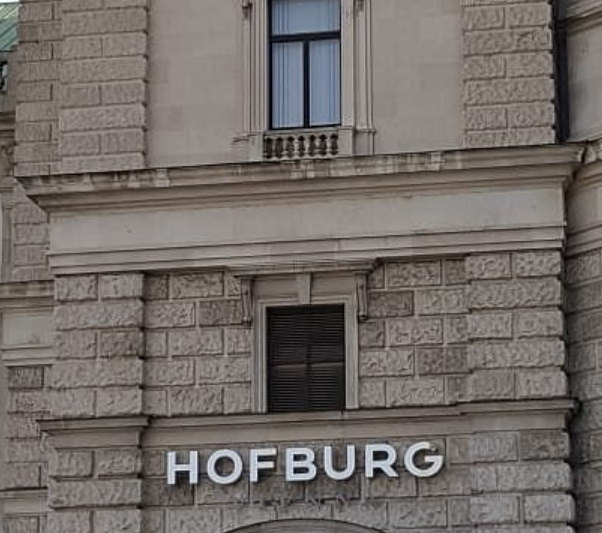
Highlights of this transformation:
Leopold Wing: The emperors’ private world.
Imperial Chancellery Wing: The empire’s administrative brain.
Imperial Library (State Hall): A cathedral of knowledge, where marble meets manuscript.
The final flourish, the Neue Burg, was meant to crown the Kaiserforum — a grand vision that never materialized. War intervened, and the empire dissolved, leaving the project forever unfinished — a ghost of ambition carved in stone.
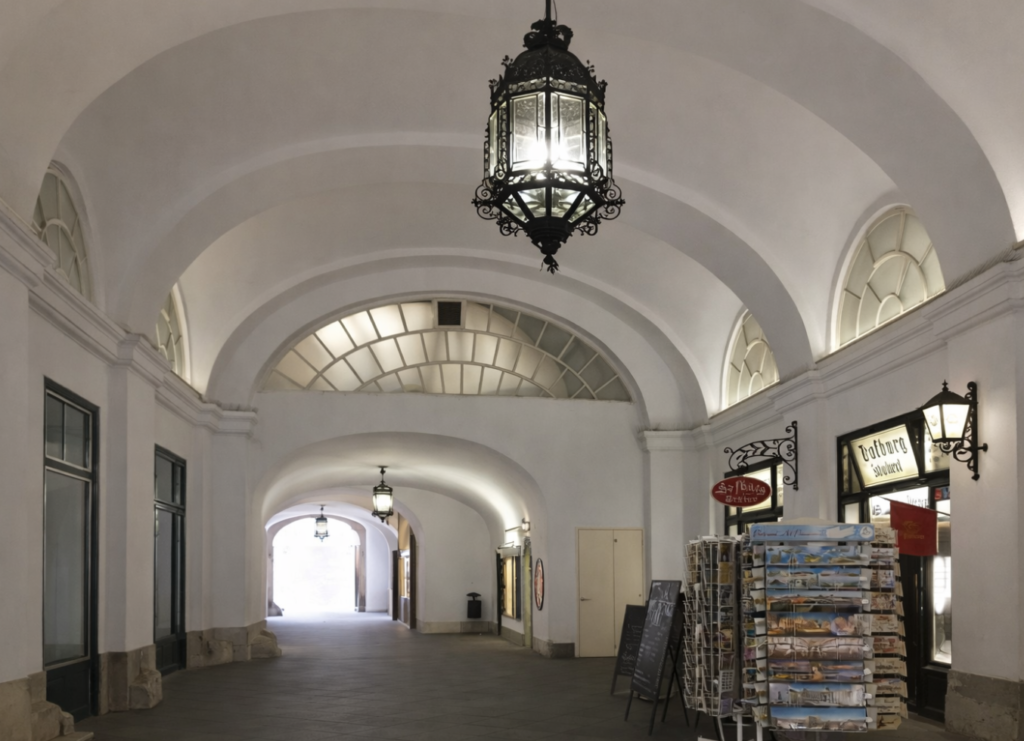
Inside the Imperial World
Your journey begins in the Silberkammer, the Imperial Silver Collection. Forget dusty relics — this is opulence choreographed. Every banquet was theatre, every utensil a prop in the empire’s performance of hierarchy.Copper pots, golden centerpieces, and the legendary Kaiserserviette napkin fold — each piece tells of a court obsessed with ritual and precision.
Then, the Imperial Apartments — a study in contrasts. The Emperor’s quarters are austere, disciplined, almost monastic. The Empress’s rooms shimmer with luxury yet feel confined — beauty as a gilded cage.
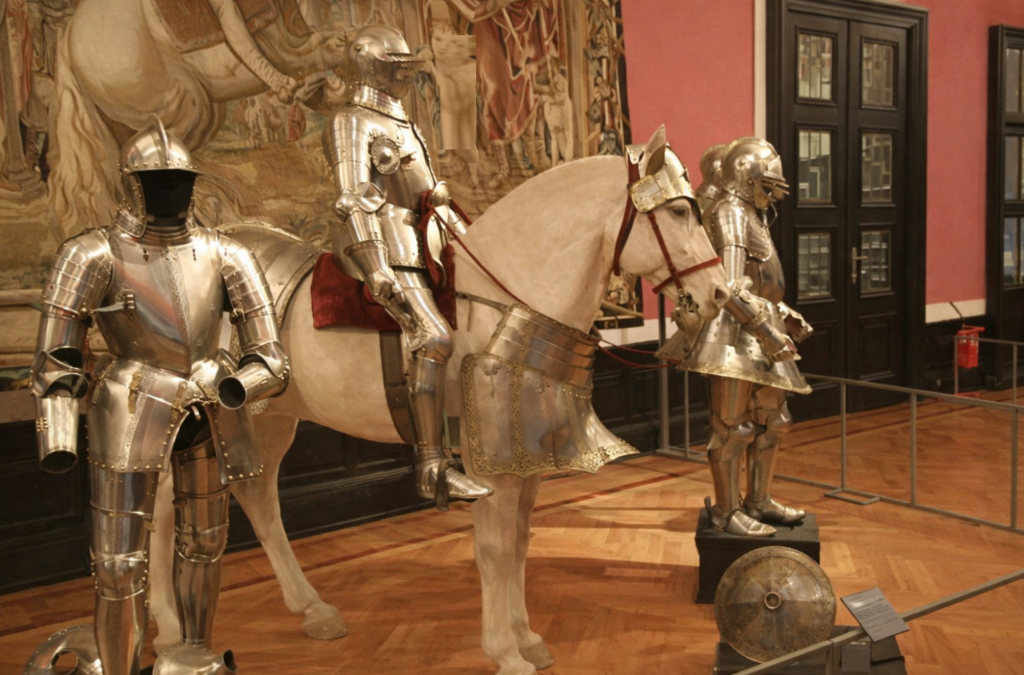
Navigating the Maze
The Hofburg isn’t one palace — it’s eighteen wings, nineteen courtyards, and over 2,600 rooms. It’s an imperial labyrinth.
Tickets: Buy online or at the entrance. Combo passes cover the main trio — Apartments, Sisi Museum, and Silver Collection — but skip them if you’re short on time.
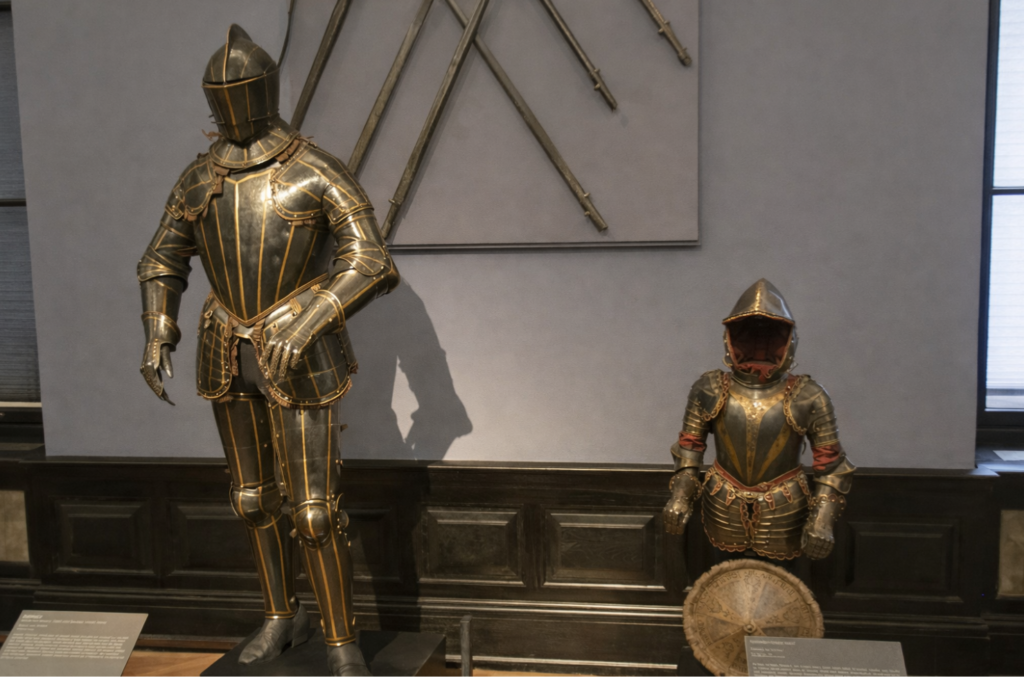
Getting there:
Metro: Herrengasse (U3) — 5 minutes on foot.
Tram: Burgring (1, 2, D, 71).
Bus: 1A or 2A to Michaelerplatz.
Timing: Arrive early. By midday, the palace vibes with crowds.
Photography: Courtyards — yes. Inside — no. Especially in the Museum and Apartments. The morning light in the courtyards is sublime; the interiors demand reverence.
Structuring Your Visit
The Highlights Tour (2–3 Hours): Imperial Apartments, Silver Collection
The Full Imperial Experience (5–6 Hours): Add the Imperial Treasury. The crown jewels beside the private chambers — power and intimacy intertwined.
A Day of Culture and Tradition (Full Day): Morning exercises at the Spanish Riding School, then the palace’s main sights. End in the State Hall of the Austrian National Library — a masterpiece of marble and manuscripts.
Vienna is a city that dazzles with imperial grandeur, artistic treasures, and vibrant modern life — but the real experience lies in discovering it for yourself. From wandering cobblestone lanes to marveling at palaces and museums that shaped centuries of culture, every corner offers something unforgettable.
If you’re ready to uncover the highlights, hidden gems, and experiences that make this city pulse with energy, dive into our Map Marker below that list things to do in Vienna and let your journey begin.
1010, Innere Stadt, Vienna, Austria
.
Vienna Ringstrasse Review
Butterfly House, Hanuschgasse, Kärntner Viertel, Katastralgemeinde Innere Stadt, Innere Stadt, Vienna, 1010, Austria
.
Vienna Butterfly House Review
Austrian Museum of Applied Arts, 5, Stubenring, Stubenviertel, Katastralgemeinde Innere Stadt, Innere Stadt, Vienna, 1010, Austria
.
MAK Vienna Review
Riesenradplatz, Stuwerviertel, Leopoldstadt, Katastralgemeinde Leopoldstadt, Leopoldstadt, Vienna, 1020, Austria
.
Prater Amusement Park Review
Tiergarten Schönbrunn, 13/B, Maxingstraße, Katastralgemeinde Hietzing, Hietzing, Vienna, 1130, Austria
.
Tiergarten Schonbrunn Review
Natural History Museum Vienna, 7, Burgring, Regierungsviertel, Katastralgemeinde Innere Stadt, Innere Stadt, Vienna, 1010, Austria
.
Naturhistorisches Museum Review
Hofburg Palace, Führichgasse, Kärntner Viertel, Katastralgemeinde Innere Stadt, Innere Stadt, Vienna, 1010, Austria
.
Hofburg Palace Vienna Review
27, Prinz-Eugen-Straße, Katastralgemeinde Landstraße, Landstraße, Vienna, 1030, Austria
.
Vienna Hop on Hop Off Bus Review
Schonbrunn Palace, 47, Schönbrunner Schloßstraße, Katastralgemeinde Schönbrunn, Hietzing, Vienna, 1130, Austria
.
Vienna Schonbrunn Palace Review
Twin City Liner, 2, Franz-Josefs-Kai, Stubenviertel, Katastralgemeinde Innere Stadt, Innere Stadt, Vienna, 1010, Austria
.
Vienna River Cruise Review
4, Strauchgasse, Schottenviertel, Katastralgemeinde Innere Stadt, Innere Stadt, Vienna, 1010, Austria
.
Ferstel Passage Review