
Vienna > Things to do in Vienna > Vienna’s Ringstrasse
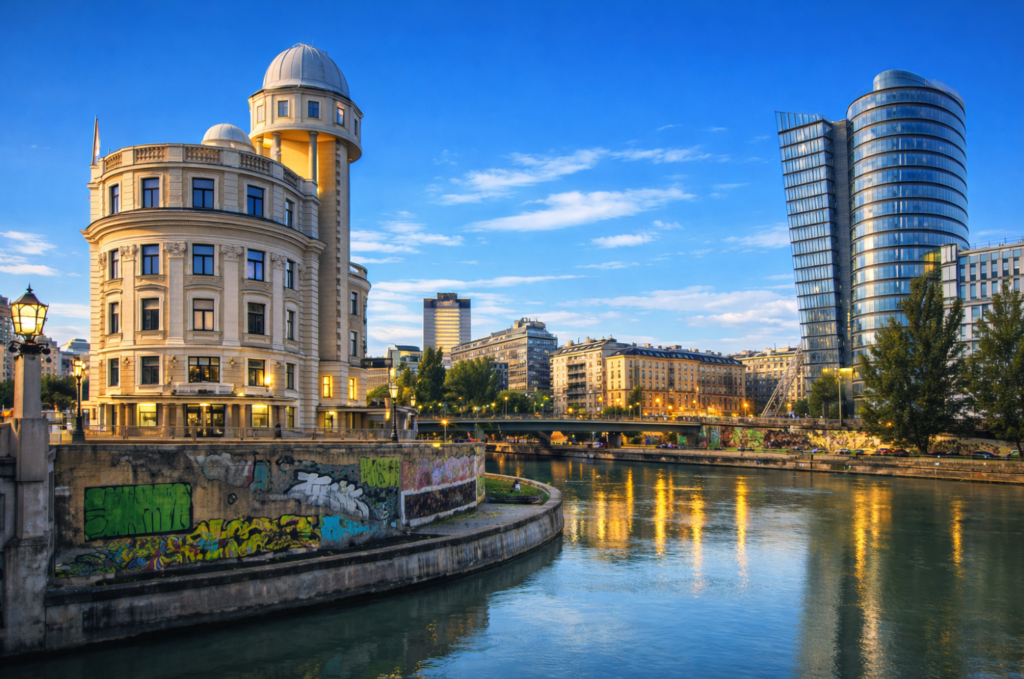
Vienna’s Ringstrasse is not just a boulevard—it is a timeline carved in stone. Where medieval walls once stood, the city unfurled a grand loop in the 19th century, a showcase of empire, democracy, and civic life. To walk it is to move through Vienna’s layered identity: palaces, plazas, and parks stitched together in a circular sequence.
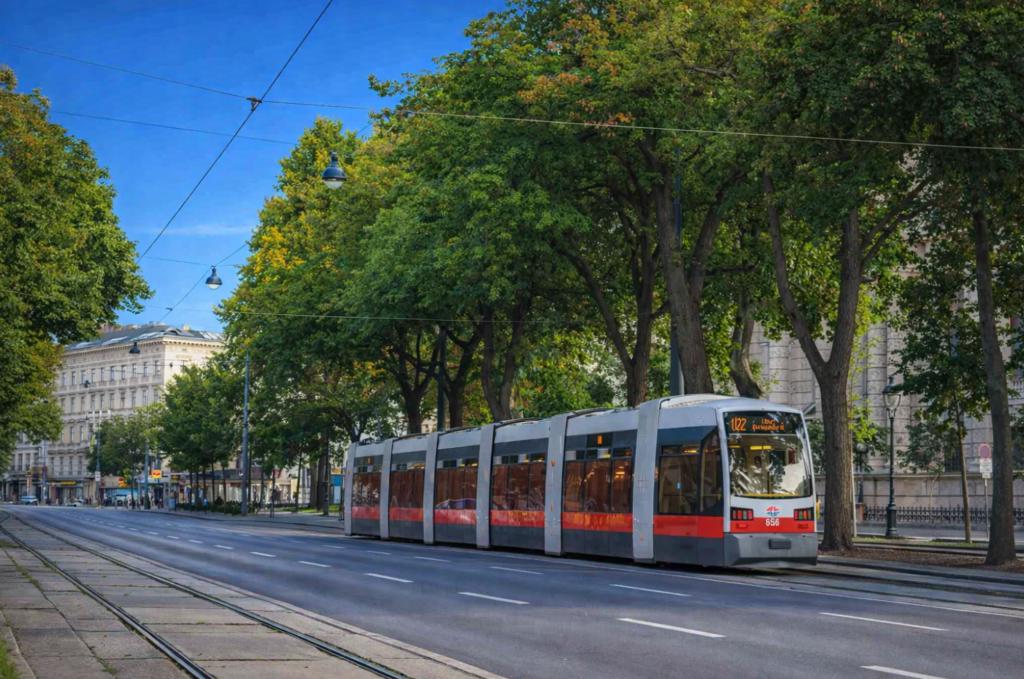
Hofburg: A City Within the City
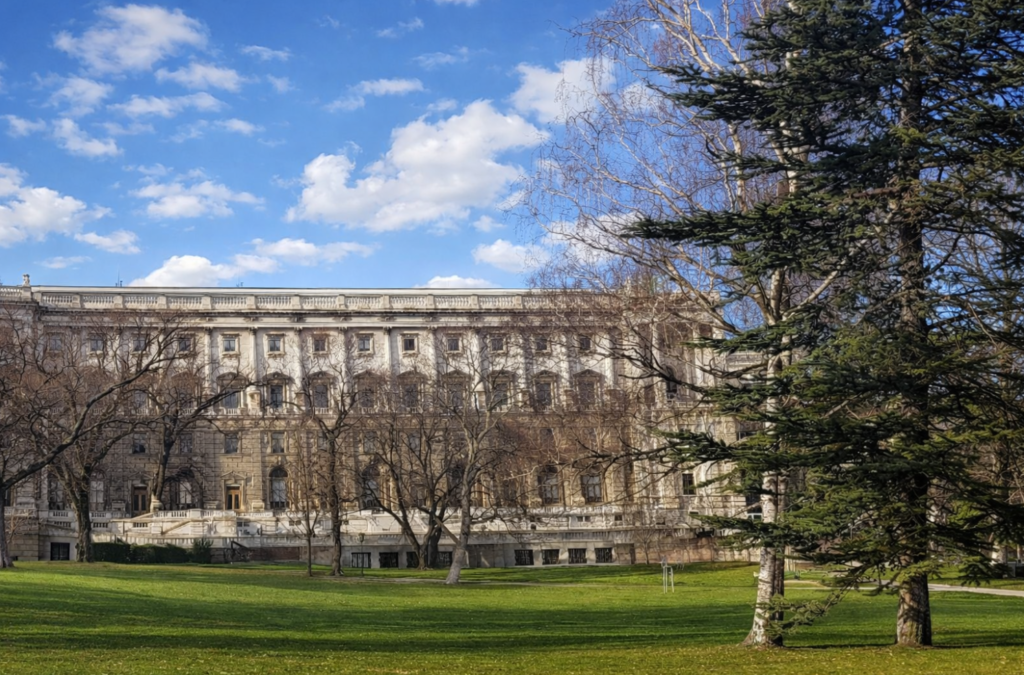
Ten minutes along the Ring, the Hofburg Palace rises like a fortress of empire. Its courtyards, wings, and statues unfold in layers, each corner revealing another chapter of Habsburg power.
Heldenplatz: A vast square where history was staged, from imperial proclamations to modern rallies.
National Library: The Prunksaal, a Baroque hall of globes, frescoes, and wooden galleries.
Spanish Riding School: Morning practice with Lipizzaner horses, a tradition centuries old.
Local Insight: Skip the main gates. Enter through Michaelerplatz and wander deeper. The quieter courtyards feel like Vienna’s hidden interior, far from the tourist rush.
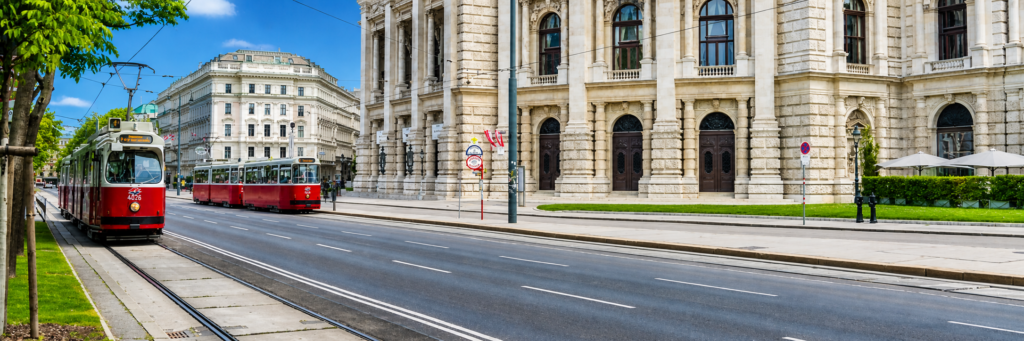
Rathaus Vienna: Gothic Spires and Civic Rhythm
Five minutes north of Parliament, the Rathaus dominates the skyline. Its Neo-Gothic façade is dramatic, but the life around it is seasonal and shifting.
Winter: Glowing stalls, mulled scents, and skating rinks.
Spring: Calm walks, benches shaded by Rathaus Park, ideal for photographs and pauses.
Pause here. The park is a local’s retreat, a shaded rhythm in the middle of the Ring.
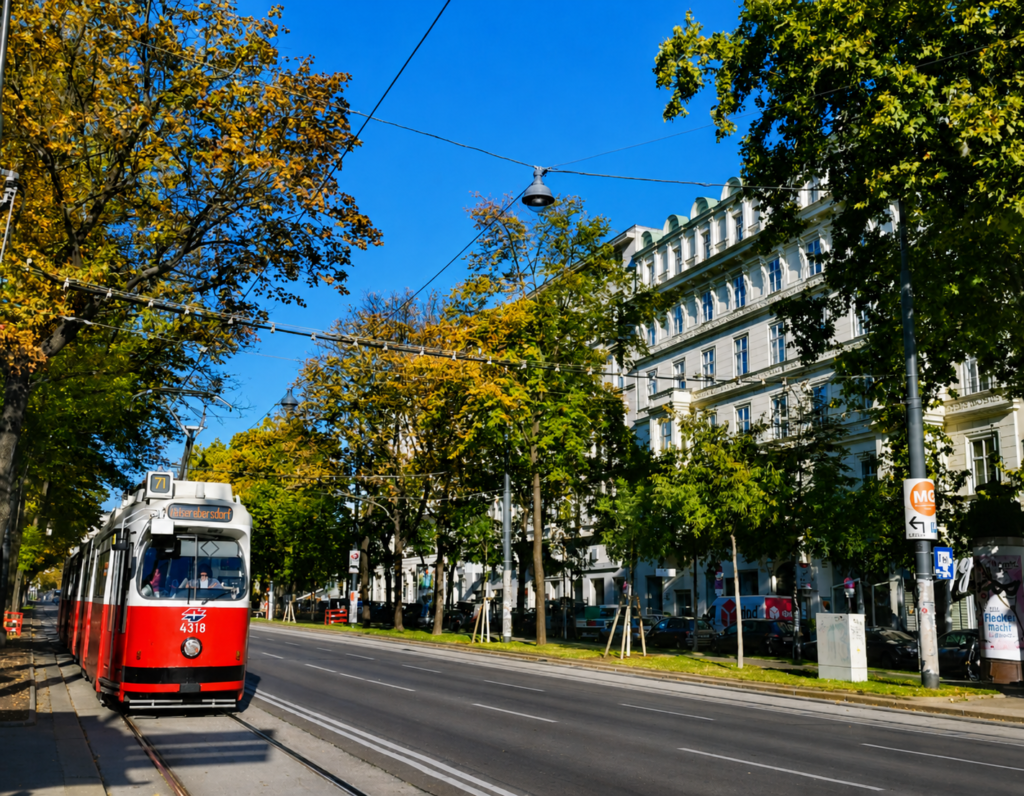
University of Vienna: Courtyard of Minds
Founded in 1365, the University is the oldest in the German-speaking world. Its Neo-Renaissance façade opens into the Arkadenhof, a courtyard lined with busts of Freud, Schrödinger, and scholars past.
It is a scholarly oasis—quiet, shaded, and far from the traffic of the Ring. Sit here for a moment. The courtyard feels timeless, a place where Vienna’s intellectual history breathes.
Stadtpark: Green Relief and Golden Waltz
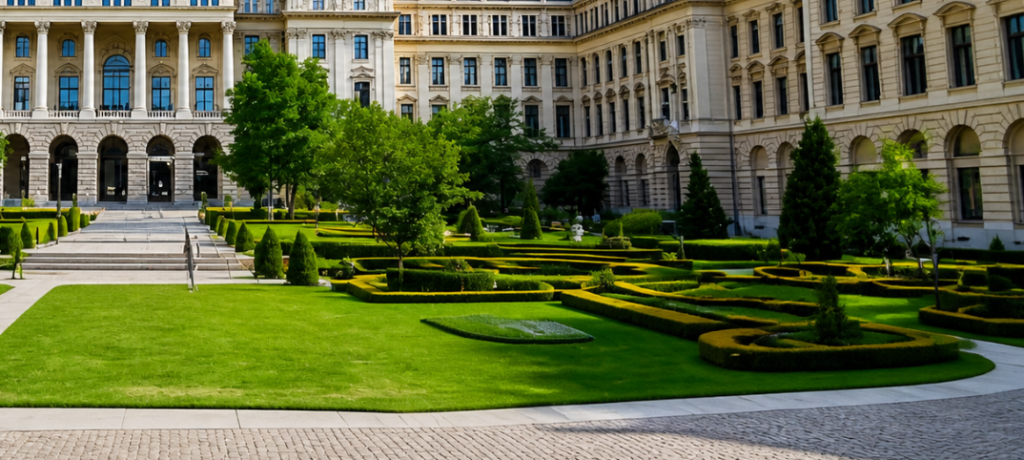
At the eastern edge, the Stadtpark stretches along the Wienfluss. Roses border the lawns, and paths lead to Vienna’s most photographed monument:
Otto Wagner’s Metro Station: Jugendstil white and apple-green, a functional piece of art still serving commuters. Here, the Ring softens. The boulevard becomes a park, a pause in the sequence of stone façades.
Practical Rhythm for the Walk
Best Time: 8:30 AM start, museums open at 9–10 AM.
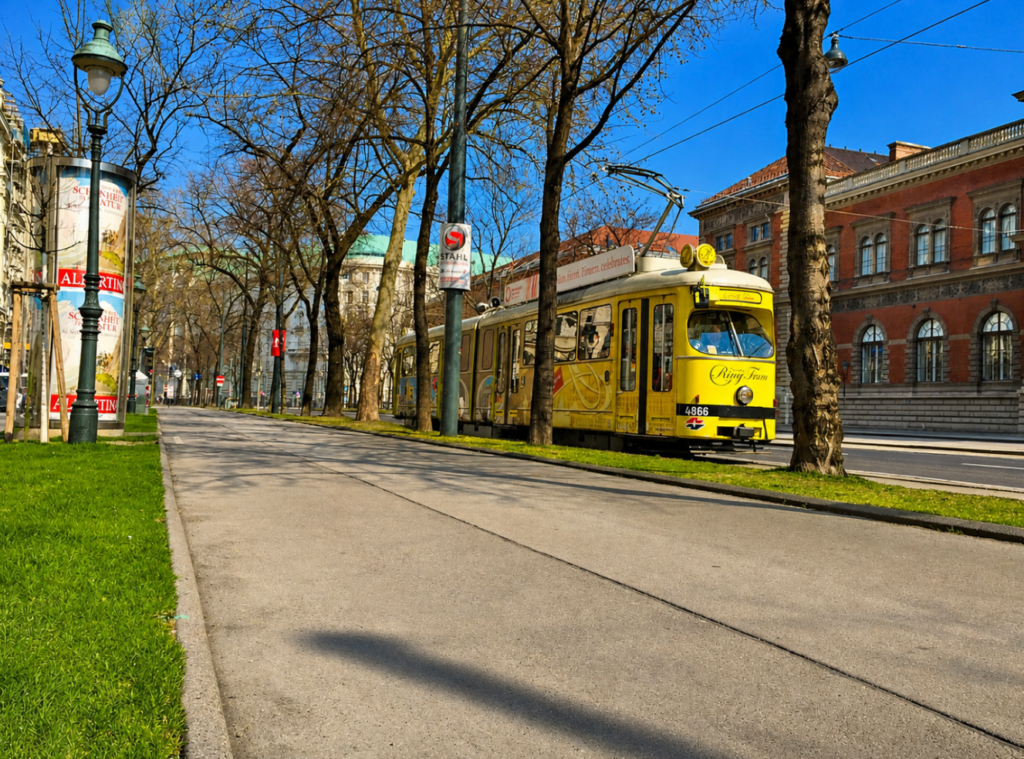
Transport: Walk for detail; trams 1 and 2 for rest.
Essentials: Comfortable shoes, light layers, flexible pace.
Duration: 3–4 hours with stops, half a day if lingering.
Unconventional Corners
Paternoster Elevator: Rathaus’s open-compartment lift, endlessly circling, a rare survivor of old engineering.
Mölker Bastei: A raised street behind the University, echo of old city walls, a step back into the 18th century.
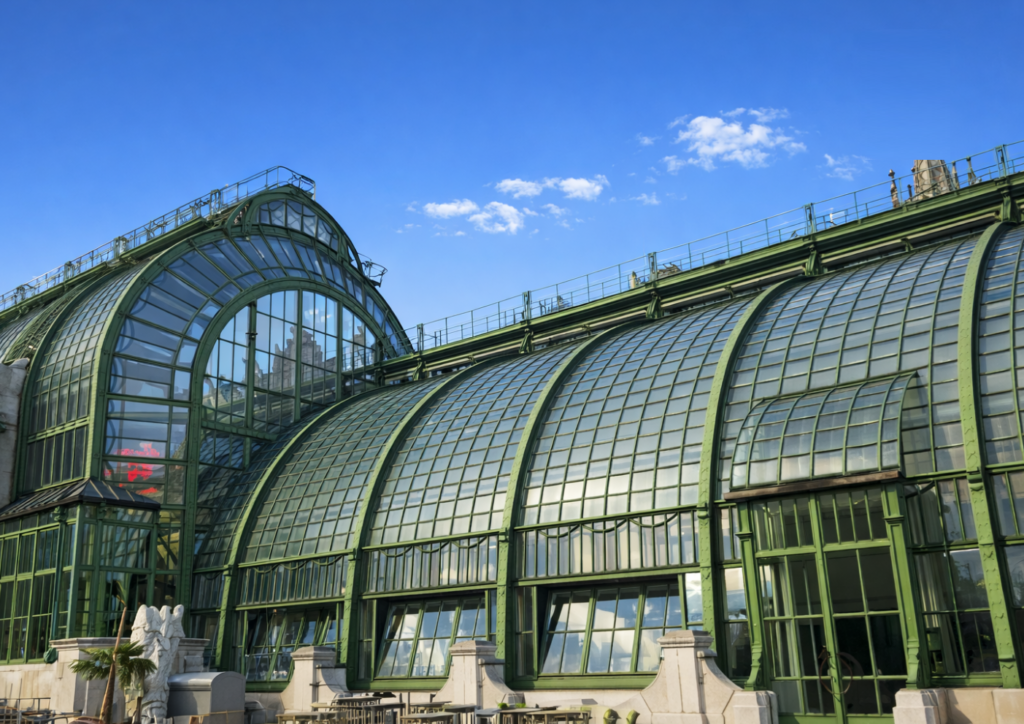
Schmetterlinghaus: Tropical butterflies in Burggarten, a humid escape on cold days.
These corners are not on the postcards, but they are the details that make Vienna feel lived-in.
Half-Day Itinerary Snapshot
10:00 AM: Museumsquartier → Heldenplatz, Hofburg courtyards.
12:00 PM: University courtyard, rest among scholars.
1:00 PM: Rathaus Park, pause before looping east.
2:00 PM: Stadtpark, Strauss statue, Kursalon terrace.
Why the Ringstrasse Matters
The Ringstrasse is Vienna’s statement of identity. Built in the mid-19th century, it was designed to showcase power, culture, and civic pride. Each building reflects a style—Neo-Gothic, Renaissance Revival, Baroque—woven into a circular narrative.
Walking it is not about speed. It is about rhythm: façades in morning light, pauses in shaded parks, detours into courtyards. Vienna’s boulevard is a loop of history and atmosphere, a repeatable sequence that feels new each time.
Vienna is a city that dazzles with imperial grandeur, artistic treasures, and vibrant modern life — but the real experience lies in discovering it for yourself. From wandering cobblestone lanes to marveling at palaces and museums that shaped centuries of culture, every corner offers something unforgettable. If you’re ready to uncover the highlights, hidden gems, and experiences that make this city pulse with energy, dive into our Map Marker below that list things to do in Vienna and let your journey begin.
1010, Innere Stadt, Vienna, Austria
.
Vienna Ringstrasse Review
Butterfly House, Hanuschgasse, Kärntner Viertel, Katastralgemeinde Innere Stadt, Innere Stadt, Vienna, 1010, Austria
.
Vienna Butterfly House Review
Austrian Museum of Applied Arts, 5, Stubenring, Stubenviertel, Katastralgemeinde Innere Stadt, Innere Stadt, Vienna, 1010, Austria
.
MAK Vienna Review
Riesenradplatz, Stuwerviertel, Leopoldstadt, Katastralgemeinde Leopoldstadt, Leopoldstadt, Vienna, 1020, Austria
.
Prater Amusement Park Review
Tiergarten Schönbrunn, 13/B, Maxingstraße, Katastralgemeinde Hietzing, Hietzing, Vienna, 1130, Austria
.
Tiergarten Schonbrunn Review
Natural History Museum Vienna, 7, Burgring, Regierungsviertel, Katastralgemeinde Innere Stadt, Innere Stadt, Vienna, 1010, Austria
.
Naturhistorisches Museum Review
Hofburg Palace, Führichgasse, Kärntner Viertel, Katastralgemeinde Innere Stadt, Innere Stadt, Vienna, 1010, Austria
.
Hofburg Palace Vienna Review
27, Prinz-Eugen-Straße, Katastralgemeinde Landstraße, Landstraße, Vienna, 1030, Austria
.
Vienna Hop on Hop Off Bus Review
Schonbrunn Palace, 47, Schönbrunner Schloßstraße, Katastralgemeinde Schönbrunn, Hietzing, Vienna, 1130, Austria
.
Vienna Schonbrunn Palace Review
Twin City Liner, 2, Franz-Josefs-Kai, Stubenviertel, Katastralgemeinde Innere Stadt, Innere Stadt, Vienna, 1010, Austria
.
Vienna River Cruise Review
4, Strauchgasse, Schottenviertel, Katastralgemeinde Innere Stadt, Innere Stadt, Vienna, 1010, Austria
.
Ferstel Passage Review