Vienna > Things to do in Vienna > MAK Vienna
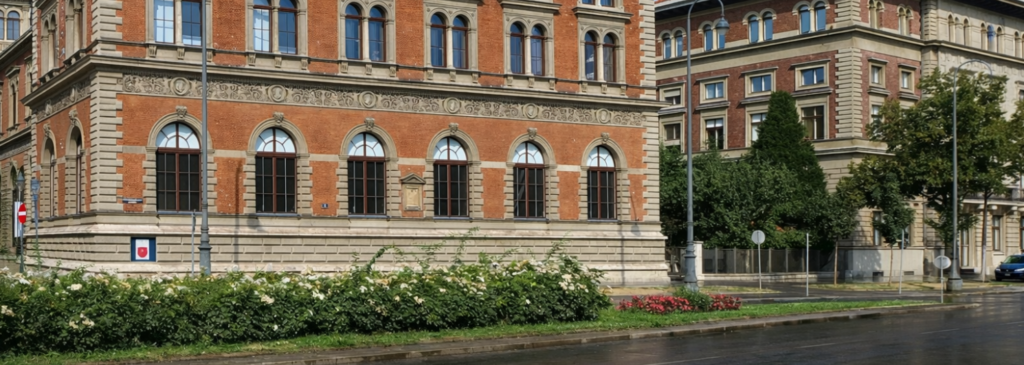
Vienna’s MAK is not a museum of spectacle—it’s a museum of ideas. It doesn’t seduce with instant grandeur; instead, it insists on patience, on context, on a willingness to see design not as ornament but as philosophy.
Klimt’s Stoclet Frieze Cartoons: Process Over Glamour
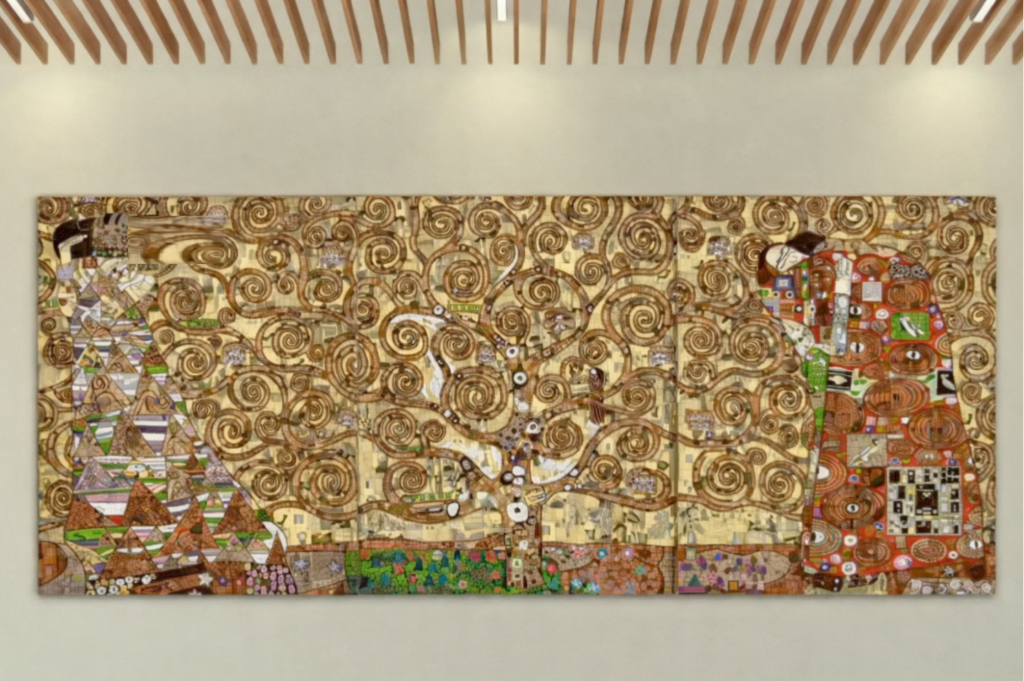
At the MAK, Gustav Klimt is not the gilded icon of the Belvedere. He is the architect of ornament, the draftsman whose preparatory cartoons for the Stoclet Frieze reveal the scaffolding behind beauty. Commissioned by Josef Hoffmann for the Palais Stoclet in Brussels, the frieze was never meant to be just painting—it was a total environment, a fusion of art, architecture, and decoration.
The MAK’s preservation of these cartoons is revelatory. You see Klimt’s symbolic language in its raw state: the curling tendrils, the Byzantine shimmer, the Japanese restraint. You notice how he balances flatness with depth, how a line becomes rhythm, how rhythm becomes architecture. It’s a rare intimacy—Klimt stripped of spectacle, reduced to thought and gesture. For those who know him only through the dazzling “Kiss,” this encounter is transformative.
The Wiener Werkstätte: Everyday Life as Art
The MAK’s other heartbeat is the Wiener Werkstätte, the workshop founded in 1903 by Hoffmann and Koloman Moser. It wasn’t just about producing objects—it was about reimagining life. Chairs, spoons, textiles, jewelry: each was designed with the conviction that utility could be beautiful, that craftsmanship could elevate the mundane.
The museum’s thematic displays—chairs in one section, spoons in another—force you to confront variation within function. A chair is not just a chair; it is geometry, ornament, reduction. A spoon is not just a utensil; it is a manifesto in miniature.
Hoffmann’s furniture is austere, prophetic in its minimalism, anticipating modernist rationalism. Dagobert Peche’s textiles, by contrast, are playful, decorative, alive with pattern. Together, they chart the pivot from Art Nouveau’s flourish to modernism’s rigor. The MAK becomes an archive of transition, a record of how Viennese modernism negotiated ornament and utility.
Curatorial Experiments: Display as Statement
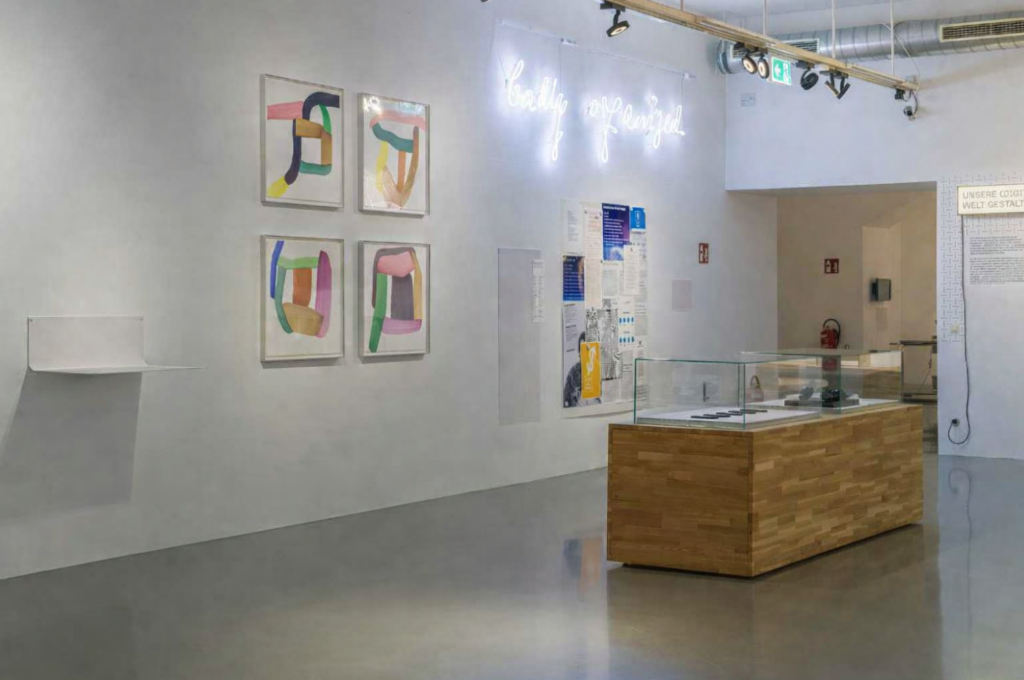
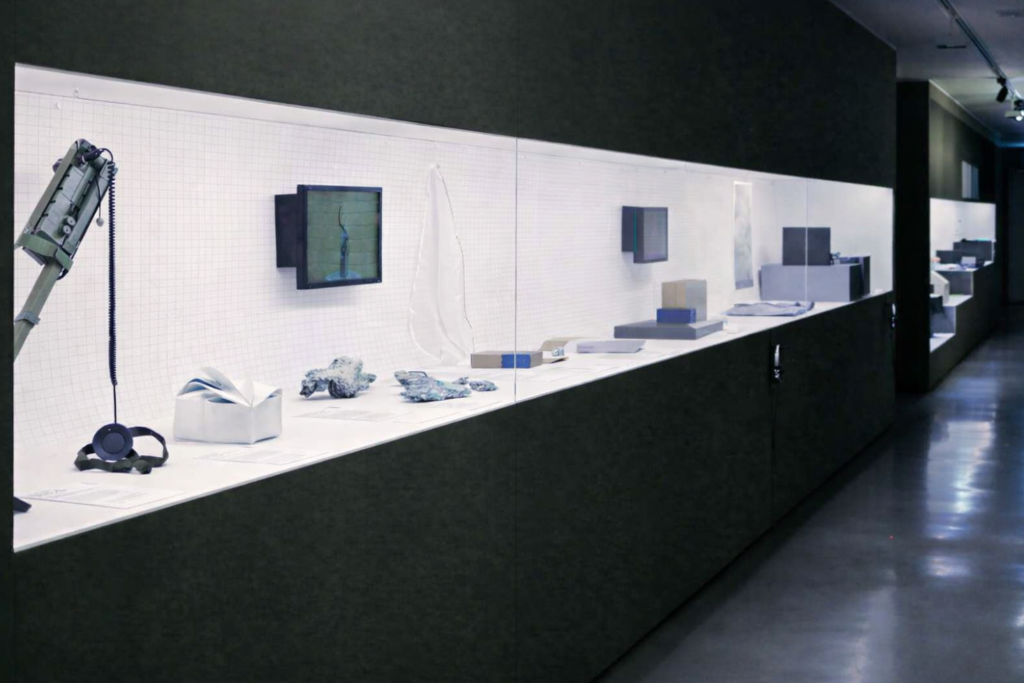
The MAK’s curatorship is unconventional. Ceramics supporting a pane of glass, which in turn displays more ceramics—a recursive gesture that makes you rethink utility and display. Labels scrawled in felt-tip directly on glass—handwritten, immediate, almost defiant against the polished neutrality of most museums. These choices remind you that display itself is design, that curatorship can be experimental, playful, even provocative.
MAK DESIGN LAB: Design as Continuum
The MAK DESIGN LAB reframes design as a living, evolving discipline. It stitches together past and present, showing how applied arts seep into daily life, digital media, architecture, and modern art. It’s not about static artifacts—it’s about dialogue. The LAB insists that design is not a closed chapter but a continuum, a discipline that constantly redefines itself in response to culture, technology, and society.
Temporary exhibits push this further, offering fresh perspectives on contemporary art and design. They show how historical influences shape the present, and how the present reinterprets the past. The MAK becomes a platform for dialogue, a place where design is not just displayed but interrogated.
Why It Matters: A Museum of Intersections
The MAK is not for the casual tourist. It doesn’t hand you spectacle; it demands context. It rewards those who already know Viennese Modernism, who want to trace the threads between ornament and rationalism, between art and utility. It is a museum of intersections—art with architecture, design with life, past with present.
For Klimt lovers, design scholars, and anyone fascinated by the mechanics of beauty, it is indispensable. For others, it may feel cerebral, even austere. But that is the MAK’s strength: it isn’t trying to seduce everyone. It is trying to deepen the gaze of those already enchanted.
MAK as Narrative: Applied Arts Shaping Culture
Originally intended as a source collection, the MAK has evolved into something more ambitious. It is not just about showcasing artifacts; it is about narrating how applied arts have shaped culture and everyday life. It insists that design is not peripheral but central, not decorative but structural.
By engaging with both past and present, the MAK encourages visitors to see design as a force that shapes society. It is a museum that doesn’t just preserve—it provokes, challenges, and redefines.
Vienna is a city that dazzles with imperial grandeur, artistic treasures, and vibrant modern life — but the real experience lies in discovering it for yourself. From wandering cobblestone lanes to marveling at palaces and museums that shaped centuries of culture, every corner offers something unforgettable.
If you’re ready to uncover the highlights, hidden gems, and experiences that make this city pulse with energy, dive into our Map Marker below that list things to do in Vienna and let your journey begin.
1010, Innere Stadt, Vienna, Austria
.
Vienna Ringstrasse Review
Butterfly House, Hanuschgasse, Kärntner Viertel, Katastralgemeinde Innere Stadt, Innere Stadt, Vienna, 1010, Austria
.
Vienna Butterfly House Review
Austrian Museum of Applied Arts, 5, Stubenring, Stubenviertel, Katastralgemeinde Innere Stadt, Innere Stadt, Vienna, 1010, Austria
.
MAK Vienna Review
Riesenradplatz, Stuwerviertel, Leopoldstadt, Katastralgemeinde Leopoldstadt, Leopoldstadt, Vienna, 1020, Austria
.
Prater Amusement Park Review
Tiergarten Schönbrunn, 13/B, Maxingstraße, Katastralgemeinde Hietzing, Hietzing, Vienna, 1130, Austria
.
Tiergarten Schonbrunn Review
Natural History Museum Vienna, 7, Burgring, Regierungsviertel, Katastralgemeinde Innere Stadt, Innere Stadt, Vienna, 1010, Austria
.
Naturhistorisches Museum Review
Hofburg Palace, Führichgasse, Kärntner Viertel, Katastralgemeinde Innere Stadt, Innere Stadt, Vienna, 1010, Austria
.
Hofburg Palace Vienna Review
27, Prinz-Eugen-Straße, Katastralgemeinde Landstraße, Landstraße, Vienna, 1030, Austria
.
Vienna Hop on Hop Off Bus Review
Schonbrunn Palace, 47, Schönbrunner Schloßstraße, Katastralgemeinde Schönbrunn, Hietzing, Vienna, 1130, Austria
.
Vienna Schonbrunn Palace Review
Twin City Liner, 2, Franz-Josefs-Kai, Stubenviertel, Katastralgemeinde Innere Stadt, Innere Stadt, Vienna, 1010, Austria
.
Vienna River Cruise Review
4, Strauchgasse, Schottenviertel, Katastralgemeinde Innere Stadt, Innere Stadt, Vienna, 1010, Austria
.
Ferstel Passage Review