Act I: From City Streets to Alpine Dreams
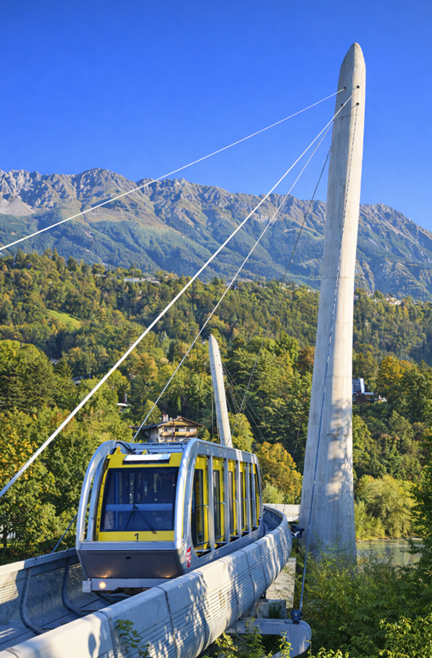
The Nordkette journey begins in Innsbruck’s old town, where medieval façades and baroque rooftops frame the valley. Just five minutes from the Golden Roof, you step into the Congress station — a glass-and-steel sculpture by Zaha Hadid. Her design is not static architecture but a living gesture, fluid and glacial, echoing the frozen landscapes above. Boarding the Hungerburgbahn funicular feels like entering a narrative: the city dissolves, the altitude rises, and the rhythm of the Alps begins to pulse.
The funicular glides upward, cutting through urban quarters and forested slopes, until it reaches Hungerburg. Here, Hadid’s futuristic station curves like a frozen crest, a reminder that design can be as much a part of the alpine experience as the peaks themselves. Already, the temperature has dropped, the air feels sharper, and Innsbruck lies below like a miniature stage set.
Act II: Seegrube — The Mid-Mountain Theatre
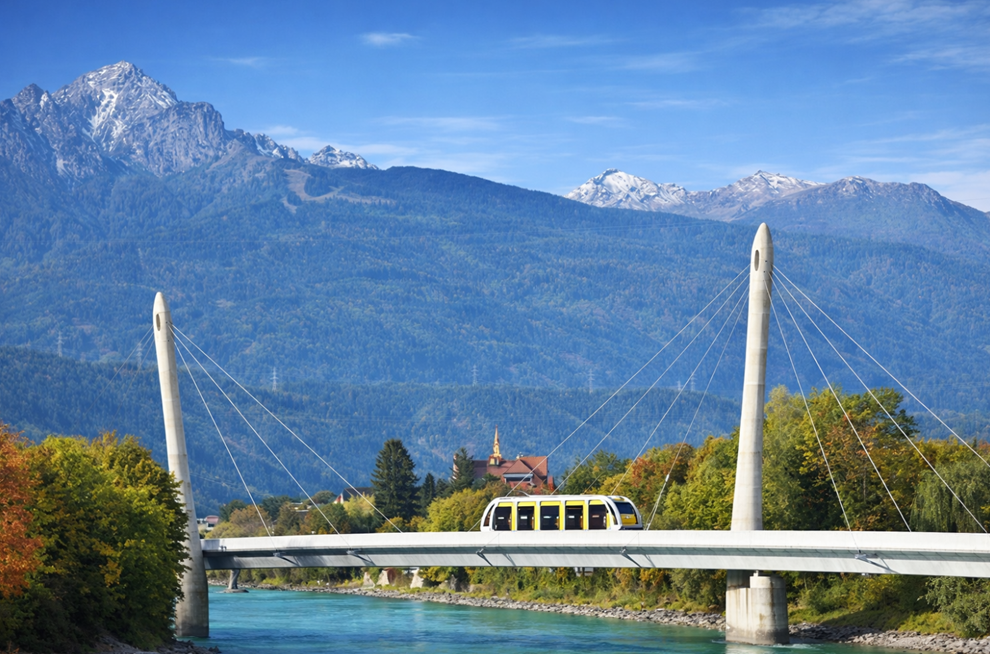
At 1,905 metres, Seegrube is both a pause and a performance. In summer, the slopes bloom with wildflowers, hikers scatter along trails, and the Flying Fox launches the daring into mid-air exhilaration. The Nordkette single trail, legendary among freeriders, begins here — a ribbon of adrenaline winding down the mountain.
In winter, Seegrube transforms. Snow blankets the ridges, freeriders carve steep lines, and the atmosphere shifts from gentle alpine leisure to raw mountain energy. Cafés and terraces offer respite, but the real drama lies in the terrain: steep, exposed, and unforgettable. Seegrube is not just a viewpoint; it is a stage where every visitor becomes part of the alpine spectacle.
Act III: Hafelekar — The Summit Revelation
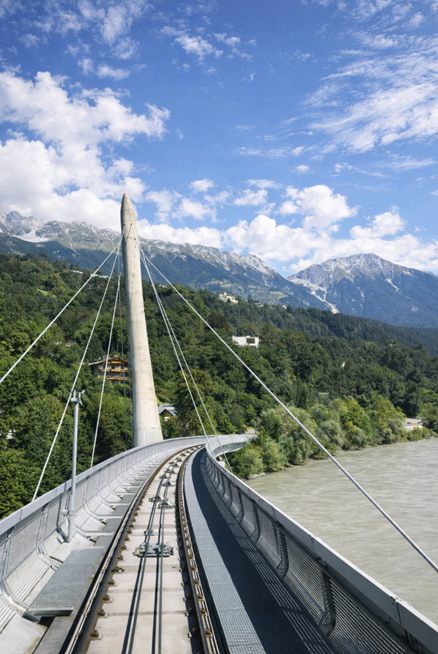
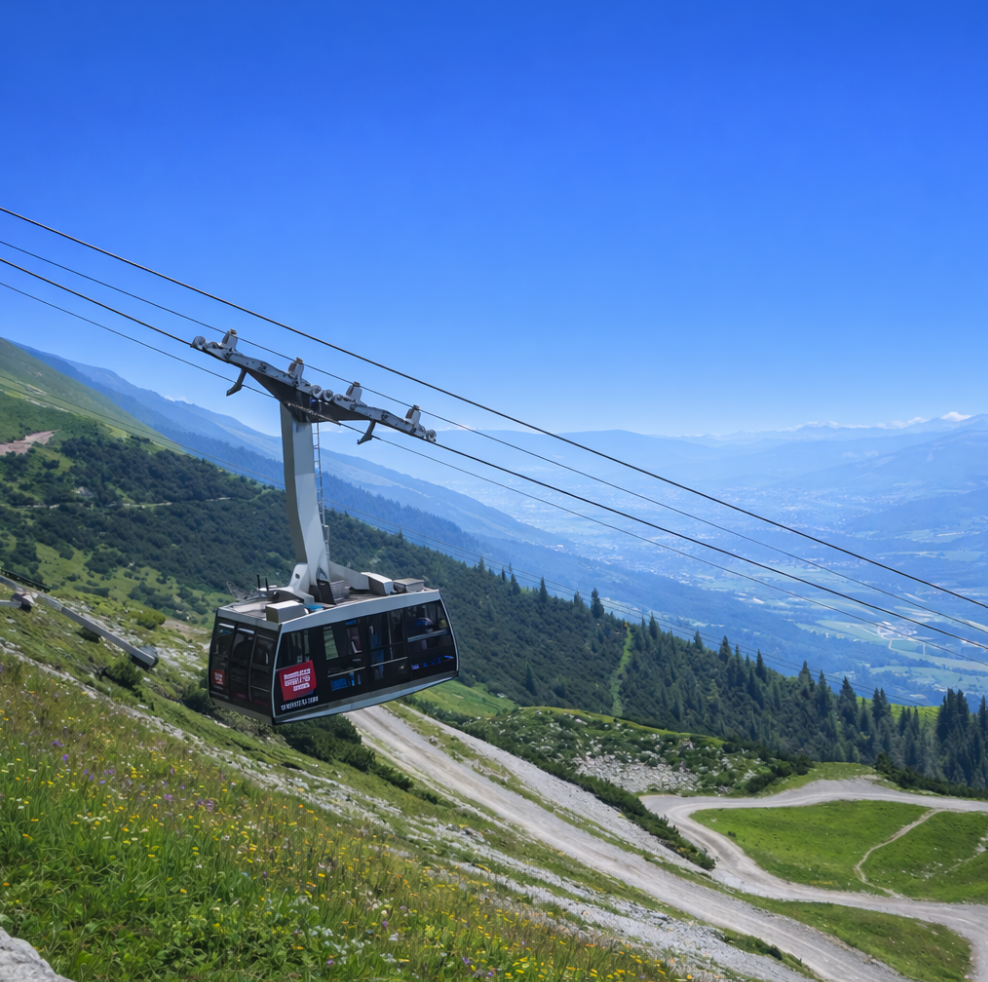
The final ascent to Hafelekar, at 2,256 metres, is the crescendo. The cable car rises above jagged rock, the horizon expands, and the summit platform clings to the ridge like a balcony over infinity. Here, the panorama is vast and uncompromising: the Stubai and Zillertal Alps, the Inn Valley below, and on clear days, the distant peaks of South Tyrol.
The air is thinner, the silence deeper. Standing on the exposed crest, you feel both exhilaration and humility. The Nordkette is not just a mountain chain — it is a reminder of scale, of perspective, of how quickly the human world shrinks when set against alpine immensity.
Practical Notes
Interwoven with Atmosphere
Timing: First ascent at 8:30 AM; last descent around 5:30 PM. Morning rides offer clarity before clouds gather.
Temperature: Expect a 10–15°C drop from Innsbruck. Layers are essential, even in summer.
Tickets:
Hungerburg €5–14,
Seegrube €18.10–50.40,
Hafelekar €20.20–56.
Discounts for youth, students, and seniors.
Parking: Reduced rates at Citygarage with Nordkette tickets.
Access: Congress station is a five-minute walk from the Golden Roof — city and summit in one morning.
Seasonal Duality
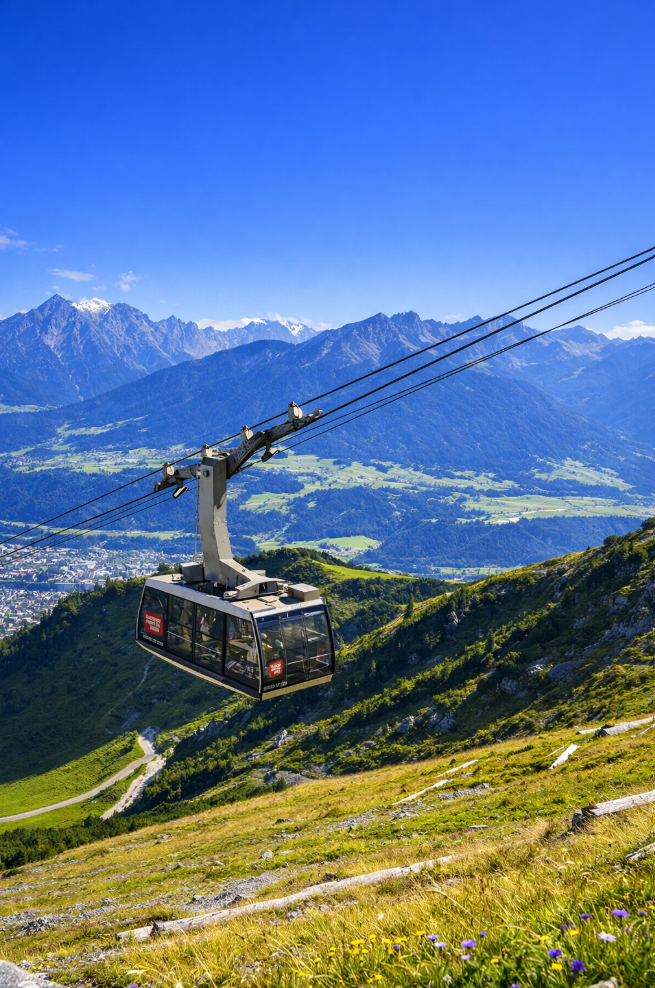
Summer: June through September brings wildflower meadows, hiking trails, and crisp alpine air. Clouds often build by midday, so early ascents are best.
Winter: December through February transforms the Nordkette into a freeride paradise. Snow-covered peaks, steep terrain, and icy panoramas create a completely different but equally dramatic experience.
Why It Resonates
The Nordkette cable cars compress the drama of the Alps into minutes. They are engineering, architecture, and adventure woven into a single narrative. Zaha Hadid’s stations make the journey as much about design as destination. The alpine terrain makes it about experience — hiking, skiing, flying. And the summit makes it about perspective, a reminder that Innsbruck is not just a city of history but also of mountains, air, and the thrill of ascent.